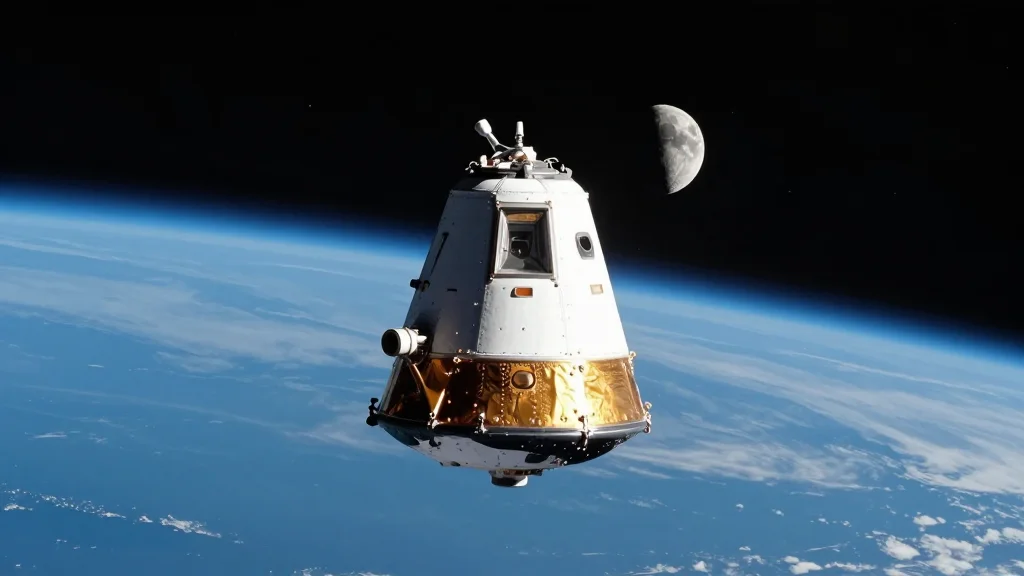
The National Space Society Welcomes the Crew of Artemis 2 Home
Why It Matters
Artemis 2 validates the hardware and crew operations needed for a permanent lunar presence, while budget reductions risk slowing the commercial and scientific momentum essential to U.S. leadership in space.
Key Takeaways
- •Artemis 2 completed nine‑day lunar flyby without anomalies
- •Orion performed reliably across launch, TLI, and re‑entry
- •Artemis 3 scheduled for 2027 Earth‑orbital rendezvous test
- •Artemis 4 targets Moon landing in 2028
- •NSS warns NASA budget cuts could derail commercial LEO stations
Pulse Analysis
The successful splashdown of Artemis 2 marks a pivotal moment for NASA’s Artemis program, confirming that the Orion capsule can safely transport astronauts through deep‑space environments and return them to Earth. Technical milestones—such as a precise trans‑lunar injection burn and a seamless lunar flyby—demonstrate that the hardware and mission operations are maturing faster than many analysts predicted. This achievement not only reinforces confidence in upcoming crewed missions but also signals to commercial partners that the United States is ready to sustain a cislunar infrastructure.
Looking ahead, Artemis 3, slated for 2027, will focus on an Earth‑orbital rendezvous and docking between Orion and lunar landing hardware, a critical rehearsal for the eventual surface landing. Artemis 4, planned for 2028, aims to place astronauts on the Moon, transitioning the program from test flights to a permanent presence. These steps are essential for establishing a lunar gateway, extracting in‑situ resources, and building the logistical chain that will support future deep‑space exploration, including Mars missions.
However, the broader policy environment introduces uncertainty. The White House’s recent budget proposal trims NASA’s science portfolio for a second consecutive year and threatens the Commercial Low‑Earth Orbit Destinations (CLD) program that underpins privately operated space stations. The National Space Society, acting as a citizen advocacy group, warns that such cuts could erode the commercial ecosystem that complements government initiatives. Maintaining a balanced funding mix is crucial for preserving U.S. leadership, fostering innovation, and ensuring that the momentum generated by Artemis 2 translates into a sustainable, economically viable space economy.
The National Space Society Welcomes the Crew of Artemis 2 Home
Comments
Want to join the conversation?
Loading comments...