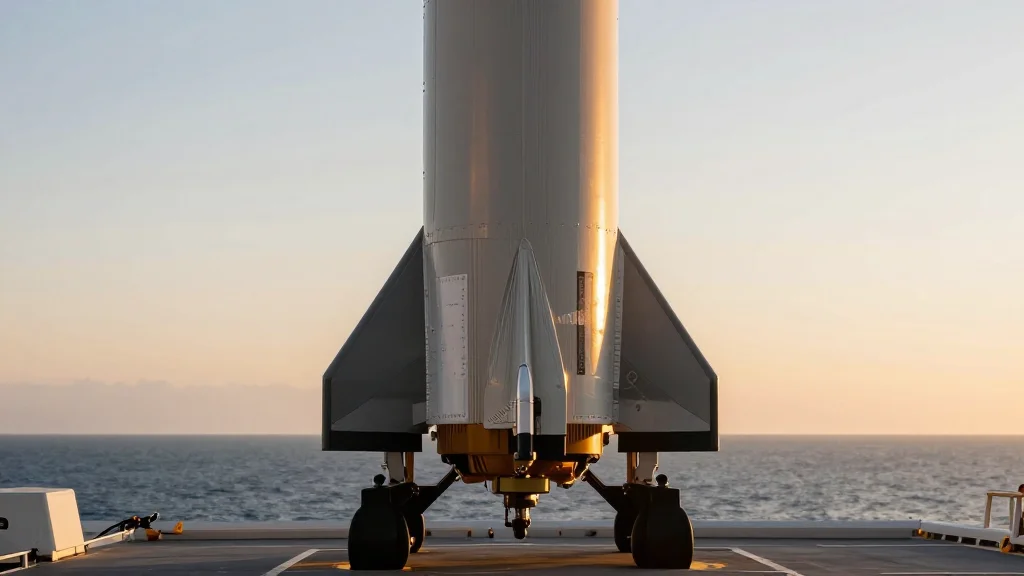
Three Launches, Two by SpaceX and One by China
Companies Mentioned
Why It Matters
SpaceX’s rapid‑turnaround, high‑reuse cadence reinforces its cost advantage and market dominance, while China’s offshore launch demonstrates expanding launch flexibility and strategic signaling in the contested space domain.
Key Takeaways
- •Falcon 9 booster B1063 completed 32nd flight, tying fourth most‑flown
- •SpaceX launched 25 Starlink satellites from Vandenberg, boosting constellation
- •China’s sea‑platform launch moved farther offshore, testing maritime capabilities
- •Cygnus cargo used one fairing’s first flight, another’s fifth
- •SpaceX logged 44 launches in 2026, outpacing all rivals combined
Pulse Analysis
SpaceX’s twin launches on April 11 underscore the company’s relentless push toward operational efficiency. By re‑using booster B1063 for a 32nd flight, SpaceX matched the historic reuse record of the Space Shuttle fleet, highlighting the maturation of rapid‑turnaround hardware. The Starlink deployment from Vandenberg adds another 25 satellites to a constellation that now supports global broadband, reinforcing SpaceX’s dual revenue streams of launch services and connectivity.
China’s decision to fire a classified internet‑technology payload from a sea‑based platform farther out in the South China Sea signals a strategic shift. Moving the launch site away from coastal waters reduces geopolitical friction and showcases maritime launch capability, a niche that could attract customers seeking flexible launch windows. The test also aligns with Beijing’s broader ambition to secure a foothold in low‑latency satellite internet, directly competing with private constellations.
The Cygnus resupply mission illustrates how legacy payloads benefit from SpaceX’s reusable ecosystem. Using one fairing on its maiden flight and another on its fifth reduces material costs and accelerates turnaround for ISS logistics. As SpaceX logs 44 launches in 2026—well ahead of China’s 19 and Rocket Lab’s five—the company’s economies of scale pressure competitors to adopt similar reuse strategies or risk losing market share in both commercial and government sectors.
Three launches, two by SpaceX and one by China
Comments
Want to join the conversation?
Loading comments...