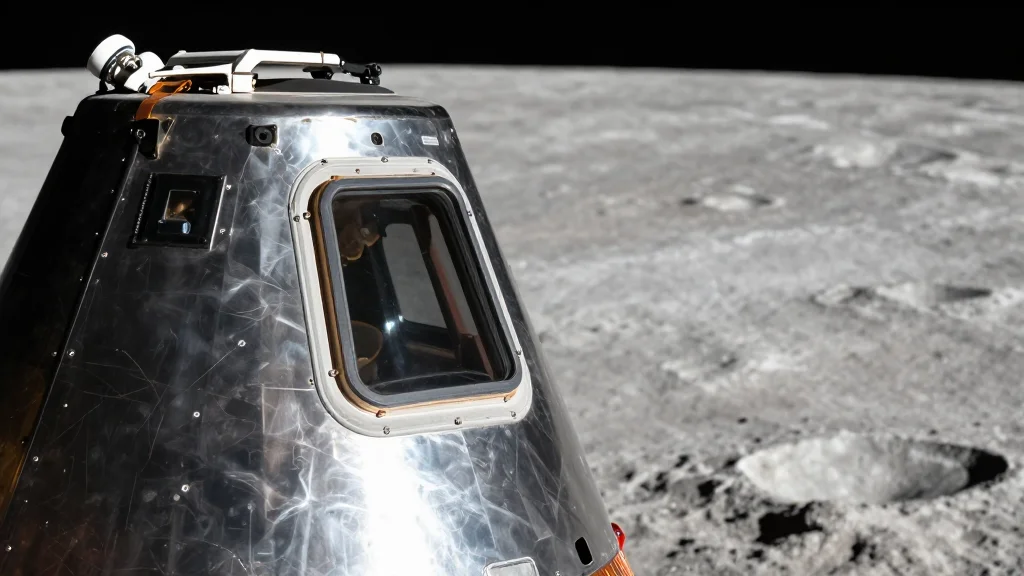
Artemis II Crew Nears Moon as Spacecraft Enters Lunar Orbit Phase
NASA launched the Artemis II mission on April 1, 2026, sending a Space Launch System (SLS) rocket and Orion spacecraft with four astronauts from Kennedy Space Center. Early Monday, the crew entered the lunar sphere of influence, where the Moon’s gravity overtakes Earth’s, initiating the critical flyby phase. The 10‑day flight will swing the crew around the Moon, delivering the first crewed close‑up view in more than five decades. The mission serves as a pivotal test of deep‑space hardware ahead of Artemis III’s lunar landing.

How to Watch NASA’s Artemis II Flying Past the Moon Live
NASA’s Artemis II mission on April 6, 2026 performed a historic lunar flyby, marking the first crewed deep‑space flight since 1972. Four astronauts aboard the Orion capsule passed within roughly 4,070 mi of the Moon’s surface, capturing images and conducting scientific observations. NASA streamed...

Night Sky Network Celebrates Artemis II
On April 6, 2026 the Artemis II crew became the first humans to orbit the Moon’s far side, traveling roughly 4,000 miles above the lunar surface. The historic maneuver was streamed live on NASA’s YouTube channel and the new NASA+ platform. NASA’s Night Sky...

Artemis II: NASA’s Orion Heads Home After a Historic Loop Around the Moon
NASA’s Artemis II Orion spacecraft completed a historic five‑day lunar flyby, looping around the Moon’s far side on April 6. The crew witnessed the first human‑viewed total solar eclipse from lunar orbit and captured unprecedented visual detail of the far‑side terrain. A...
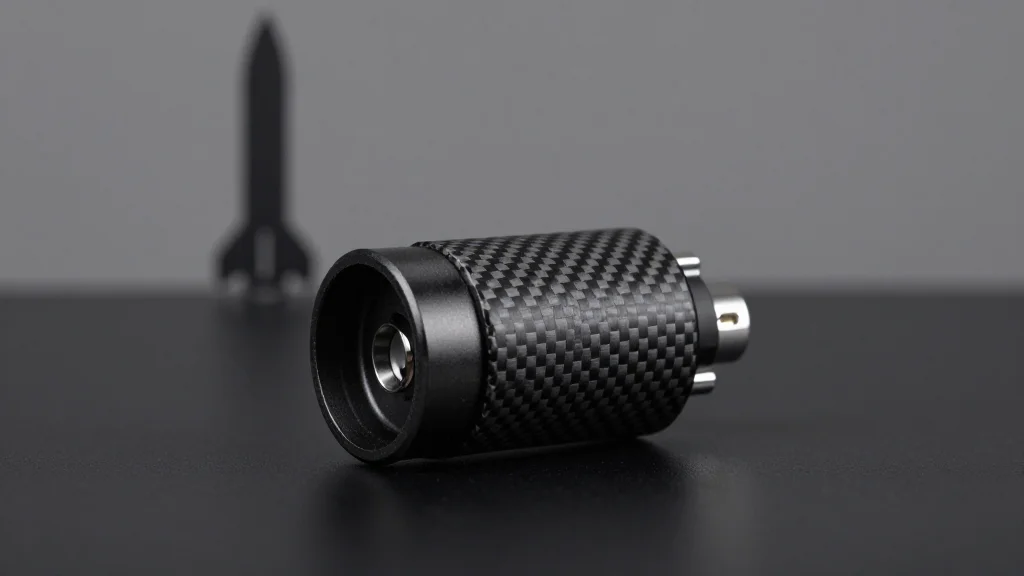
Beyond Gravity Composites Expertise Aid NASA Artemis II Mission
Beyond Gravity, a Swiss carbon‑fiber specialist, is supplying critical hardware for NASA’s Artemis II mission. The firm will deliver the universal stage adapter that connects the Space Launch System to the European Service Module, a 9.9‑meter‑tall structure slated for first use...

The Near Side of the Moon
NASA’s Orion spacecraft captured a high‑resolution view of the Moon’s near side on April 4, 2026, highlighting dark basaltic lava flows that are exclusive to this hemisphere. The image was taken by the Artemis II crew—Victor Glover, Reid Wiseman, Christina Koch, and CSA...
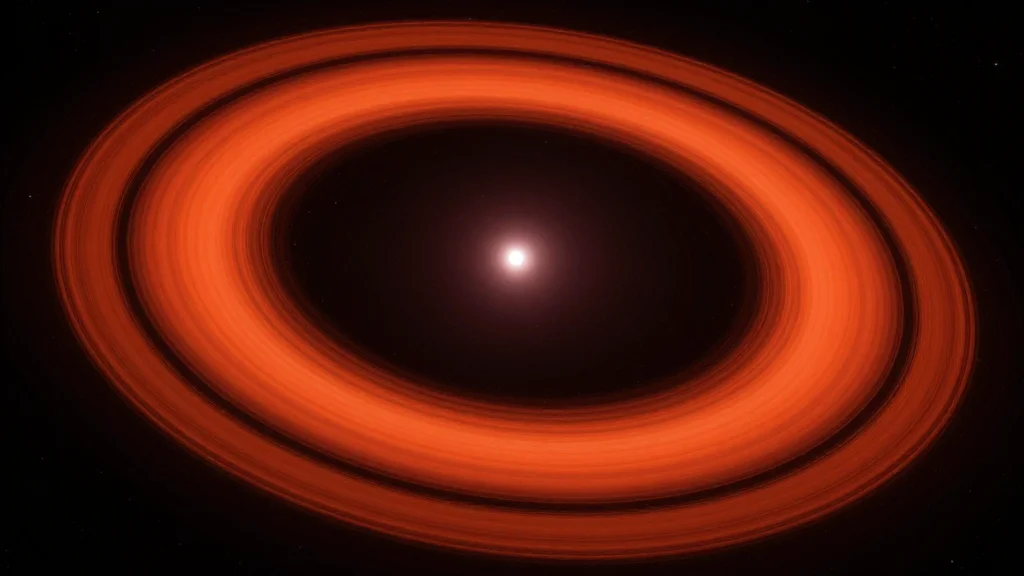
JWST Eyes a Pair of Planet-Forming Disks
The James Webb Space Telescope has obtained high‑resolution infrared images of a pair of protoplanetary disks surrounding young stars roughly 450 light‑years from Earth. The observations reveal distinct gaps and ring structures that are hallmarks of early planet formation. By...

Artemis II: Everything We Know as Its Crew Approaches the Far Side of the Moon
Artemis II’s Orion capsule entered the Moon’s sphere of influence and is now orbiting the lunar far side, preparing for a six‑hour dark‑side flyby on April 6 at 2:45 pm EDT. The four‑person crew has already shared striking Earth‑rise photos and the first human‑viewed...
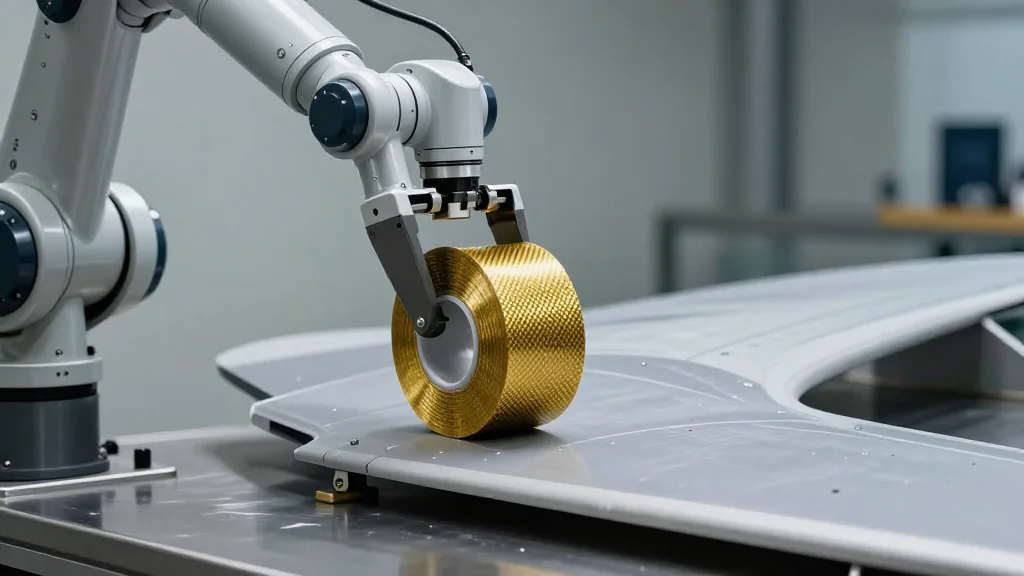
Avel Robotics Accelerates Aerospace Development with Bordeaux Location, Ongoing Activity Diversification
Avel Robotics, a French specialist in automated fiber placement, opened a commercial office in Bordeaux in January 2026 to sit closer to key aerospace and space players. The move follows the signing of new aerospace contracts, notably a development deal...
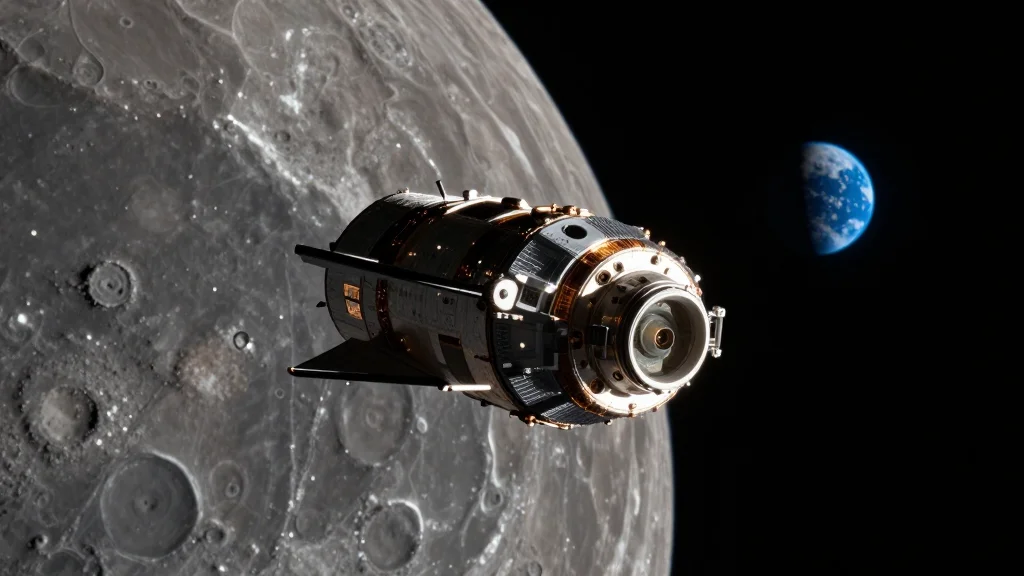
NASA’s Artemis II Mission Is About to Pass Behind the Moon
NASA’s Artemis II crew entered the Moon’s sphere of influence and is preparing for a six‑hour lunar flyby that will bring humans within 4,070 miles of the surface. Day five featured emergency‑suit tests, a trajectory‑correction burn, and an Easter‑egg hunt aboard...
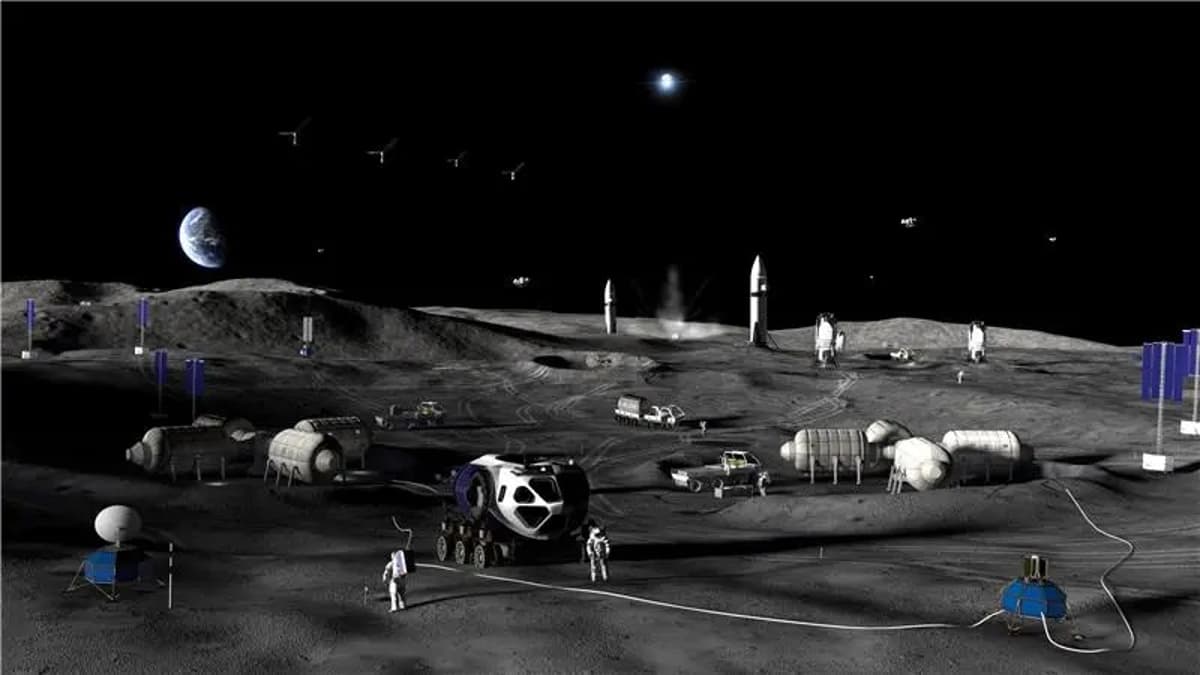
The Moon Base Has a Hardware Plan. It Needs a Software Strategy, Too.
NASA announced a phased plan to build a permanent lunar base, targeting crewed landings every six months and a nuclear propulsion test to Mars by 2028. The initiative relies on a sprawling network of commercial partners, CLPS providers, and international...
Spain’s Xoople Raises $130 Million Series B to Map the Earth for AI
Spanish startup Xoople secured $130 million in Series B funding, led by Nazca Capital, to build a satellite constellation delivering high‑precision ground‑truth data for AI models. The company partnered with U.S. defense contractor L3Harris to develop advanced optical sensors for its planned...

Why Will Today's Lunar Flyby only Beam Back Low-Resolution Video?
Artemis II’s Orion crew will swing past the Moon at roughly 4,000 mi (6,400 km) altitude, broadcasting live video from four low‑rate SAW GoPro cameras. The feed will be low‑resolution because the Deep Space Network’s radio bandwidth is stretched thin by distance and...

Artemis II Astronauts Will Recreate Apollo 8’s Iconic “Earthrise” Photo TODAY
NASA’s Artemis II crew will attempt a deliberate recreation of Apollo 8’s iconic Earthrise photograph during today’s lunar flyby. The mission timeline allocates a few minutes on the far side of the Moon for both Earthrise and Earthset shots. Modern digital cameras...

The State of Satcom 2026
SpaceX Starlink and Amazon Leo are reshaping satellite communications, with Starlink surpassing 10 million users and operating over 10,000 LEO satellites, while Amazon Leo targets service in 100 countries by 2028. Their massive capital, spectrum purchases, and low‑cost launch capability are...

Artemis II Supplier Series: Orion’s Windows
McDanel Advanced Materials, after acquiring Rayotek, will provide every Orion spacecraft window for Artemis II and the next four missions. The windows use a multi‑layer construction that shields against micrometeoroid impacts, radiation, and microbial growth while meeting strict mass limits. McDanel’s...

Seagate Space Signs MOU with Firefly Aerospace to Collaborate on Offshore Launch Infrastructure for Alpha
Seagate Space Corp. signed an MOU with Firefly Aerospace to develop an offshore launch platform for the Alpha rocket, leveraging Seagate’s purpose‑built Gateway Series. The platform received “Approval in Principle” from the American Bureau of Shipping, marking the first offshore...
Thirty Years Later, Mars 96 Has Not Been Found
In November 1996 Russia launched Mars 96, a 6,500 kg, multinational probe designed to orbit Mars and deploy landers and penetrators. A malfunction in the Proton‑K upper stage left the spacecraft stranded in low‑Earth orbit, causing it to re‑enter the atmosphere weeks...
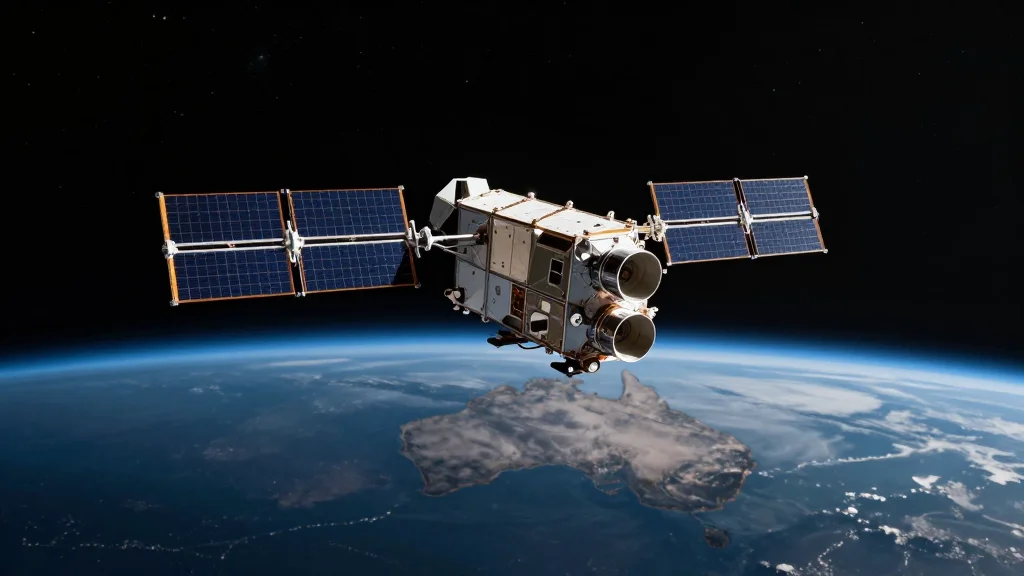
Ownership without Oversight: Australia's On-Orbit Supervision Gap
In late 2025 Australian firm HEO bought the in‑orbit satellite Continuum‑1 from Argentina’s Satellogic, marking Australia’s first privately owned space asset. While the United States remains the launching state, Australia now bears treaty‑based responsibility for supervising the satellite’s operations, yet its...
Review: Return to Launch
Stephen C. Smith’s new book *Return to Launch* chronicles how Florida’s Space Coast has shifted from government‑driven boom‑and‑bust cycles to a private‑sector‑led launch hub. The narrative highlights more than 100 orbital launches in 2025, driven largely by SpaceX’s presence at...

As Rocket Launches Increase, They May Be Polluting the Skies
Rocket launches have surged, nearly tripling in the past five years to about 320 flights in 2025, driven largely by private megaconstellations like SpaceX’s Starlink. Researchers warn that exhaust—especially black carbon from kerosene‑based fuels and chlorine from solid boosters—accumulates in...

Monday Briefing: Can Human-Based Space Exploration Still Be Meaningful?
Artemis II’s four‑person crew will spend a brief period alone on the lunar far side, out of contact with Earth, marking the deepest human spaceflight since Apollo. During this blackout they will photograph regions of the Moon never seen by astronauts,...

Spacetech Startup SatLeo Labs Raises $2.2 Mn in Seed Round
SatLeo Labs, a spacetech startup focused on thermal satellite data, secured a $2.2 million seed round led by Unicorn India Ventures, bringing its total funding to $5.5 million. The capital will accelerate the development of its TAPAS‑1 thermal payload and expand its...

Ed Goes Extra-Terrestrial
Amazon and Tesla are planning massive low‑earth‑orbit (LEO) data‑centre satellite constellations, each targeting up to a million satellites. The UK boasts over a hundred firms capable of building satellite components, with expertise in radiation‑hard ICs, laser communications and thermal control....

Chief Data and Artificial Intelligence Officer for the United States Space Force, Chandra Donelson, Steps Away
Chandra Donelson, the first permanent Chief Data and Artificial Intelligence Officer for the United States Space Force, announced her resignation on April 3, 2026, ending a tenure that reshaped the service’s data strategy. She led the shift toward a data‑centric architecture that...

A Structural Analysis of the Space Economy: Horizontal and Vertical Markets
The global space economy reached roughly $626 billion in 2025, driven by a surge in satellite services and ground equipment that together exceed $260 billion annually. Horizontal markets—launch services, satellite manufacturing, ground infrastructure, and data platforms—supply the foundational layer used by dozens...
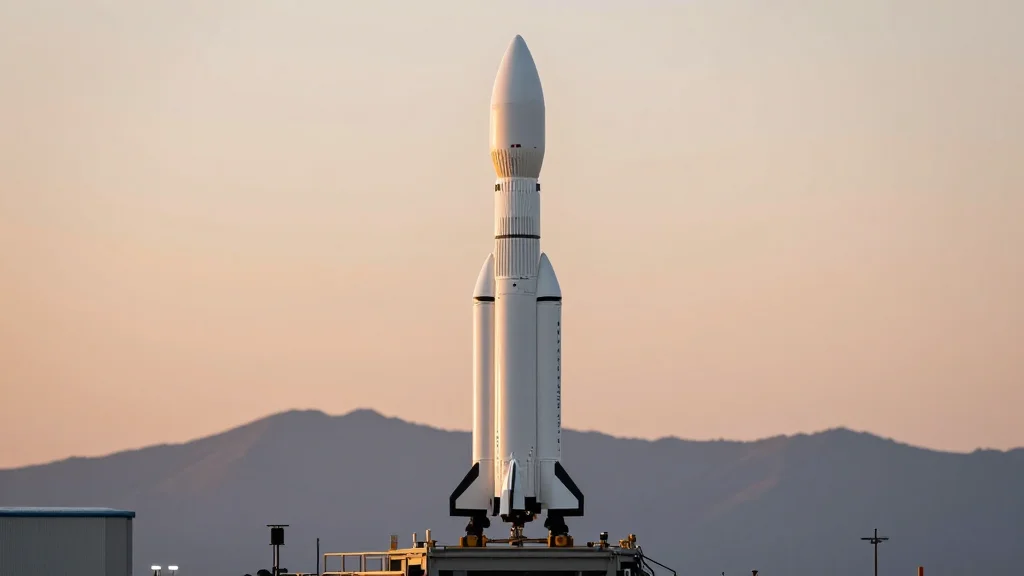
SpaceX Launch From Vandenberg at 7:41 Tonight, April 05
SpaceX scheduled a launch from Vandenberg Space Force Base at 7:41 p.m. PT on April 5, 2026. The mission is expected to carry a rideshare payload of multiple small satellites destined for a sun‑synchronous orbit. The launch window was chosen to maximize...
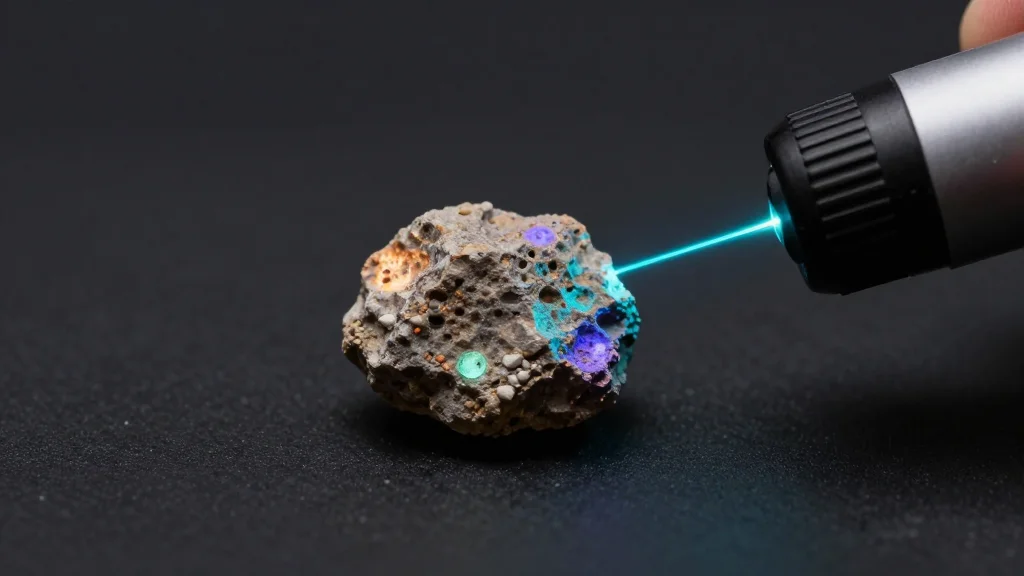
Bennu Sample Reveals How Water Flowed Through the Newly Forming Asteroid
A team led by Mehmet Yesiltas used nanoscale infrared and Raman spectroscopy to examine NASA's OSIRIS‑REx sample from asteroid Bennu, uncovering three chemically distinct domains at ~20 nm resolution. The domains—aliphatic‑rich, carbonate‑rich, and nitrogen‑bearing organic‑rich—show that water migrated through the asteroid...

Maximum Theoretical Falcon 9 Launch Rate for SpaceX in 2026
SpaceX’s Falcon 9 launch cadence in 2026 is bounded by pad capacity rather than booster availability, capping the theoretical maximum at roughly 155‑165 flights. The company’s own guidance points to a likely range of 140‑145 launches, while a worst‑case scenario could...

Planet Labs Imposes Indefinite Blackout on Iran Satellite Imagery at U.S. Request
On April 5, 2026 Planet Labs announced an indefinite suspension of satellite imagery covering Iran and surrounding Middle East conflict zones, following a direct request from the U.S. national‑security team. The blackout, retroactive to March 9, replaces the previous 14‑day delay...
NASA’s Fiscal Year 2027: Thumbs Up…Thumbs Down?
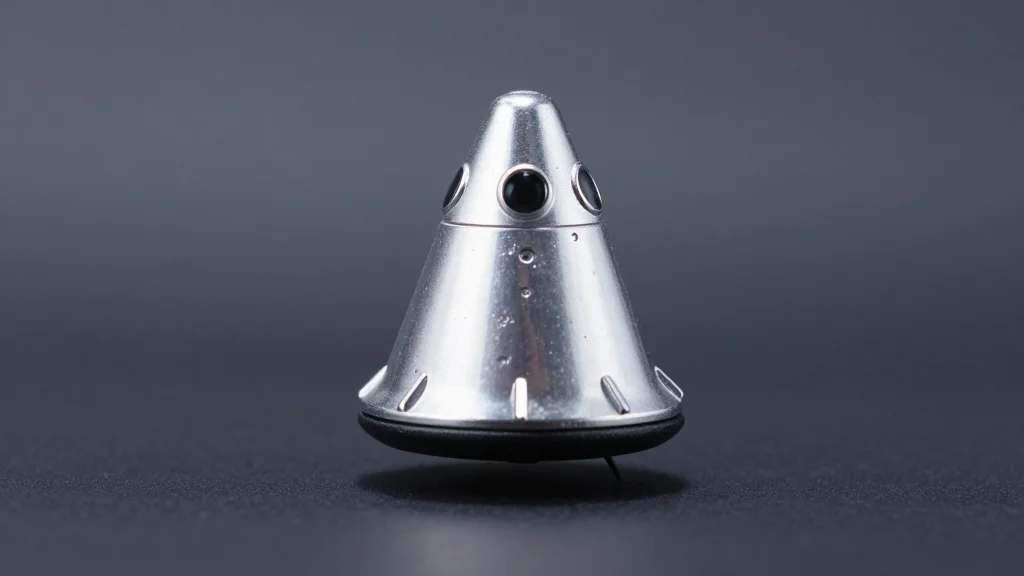
The White House’s FY 2027 budget request proposes a 23% cut to NASA’s overall funding, slashing the agency’s budget to roughly $11 billion. Within that, the Science Mission Directorate would be reduced by 47%, dropping from $7.25 billion to about $3.9 billion. The Planetary...

Venus Has A Giant Volcanic Cave Beneath Its Surface
A University of Trento team re‑examined NASA’s 1990s Magellan radar data and identified a massive volcanic cave beneath the Nyx Mons region on Venus. The skylight‑like pit is roughly 1 km wide, with a 150 m thick roof, 375 m height and a 45 km‑long...

China Reveals Military Capabilities in New Space Solar Power Plant Design
China’s Zhuri program has unveiled a revamped OMEGA design that replaces a single massive orbital power station with a modular array of smaller solar‑collecting units. The new architecture emphasizes ultra‑narrow, steerable microwave beams capable of both wireless power transmission and...

Satellite Services for Weather Forecasting Market Analysis 2026
The global satellite weather services market surpassed $2.5 billion in 2024 and is projected to grow around 7.5% annually through 2028. Commercial operators such as Spire Global, Tomorrow.io and GeoOptics are increasingly supplying high‑resolution atmospheric data—especially GNSS radio‑occultation profiles—that complement traditional...

Satellite Mirror Plans Could Disrupt Sleep and Ecosystems Worldwide, Scientists Say
Scientists from four international chronobiology societies warned the FCC that Reflect Orbital’s proposed reflective mirrors and SpaceX’s plan to launch up to one million low‑Earth‑orbit satellites could dramatically alter the natural night‑time light environment. The mirrors would project 5–6 km wide beams...

The Complete Engineering Story of the James Webb Space Telescope’s Sunshield: Five Layers of Kapton Thinner than a Human Hair...
NASA’s James Webb Space Telescope relies on a five‑layer Kapton sunshield, the size of a tennis court, to passively cool its instruments to roughly 40 Kelvin. Each layer, thinner than a human hair, is coated with silicon or aluminum to reflect...

Mint Explainer | India Finds a Space Surveillance Market. Why Regulations May Pose a Challenge
Since India liberalized its space sector in 2020, private startups have begun offering satellite‑based surveillance services, a capability now in high demand due to conflicts such as the West Asia war. Indian firms see a lucrative market serving defense and...

The $93 Billion Question: Is the Artemis Program Worth It?
NASA’s Artemis program is now projected to cost about $93 billion through fiscal year 2025, with each SLS‑Orion launch soaring to roughly $4.2 billion. The figure reflects cumulative spending on the heavy‑lift rocket, Orion capsule, ground systems and early lunar gateway work, despite...
Satellite Firm Planet Labs to Indefinitely Withhold Iran War Images
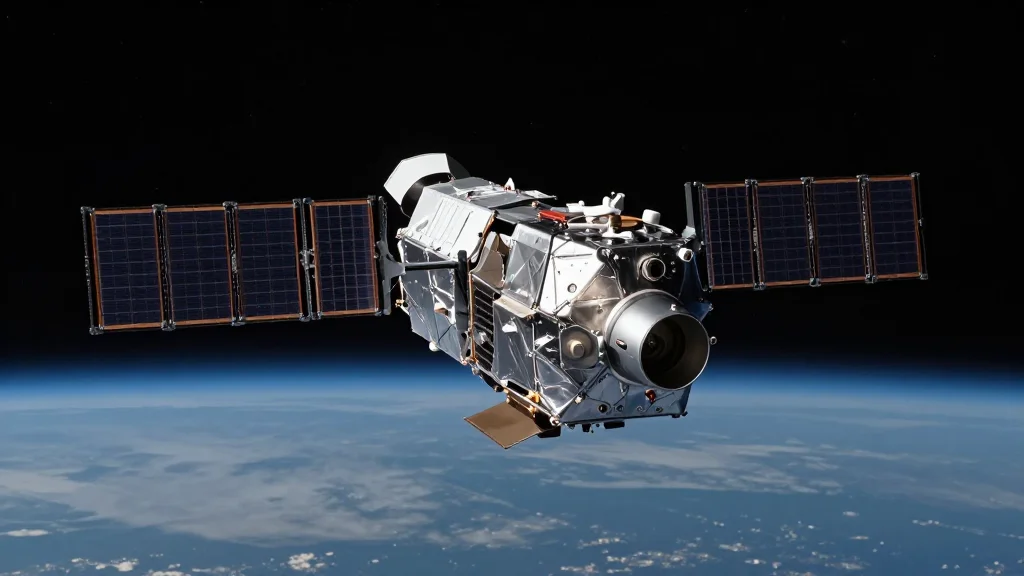
Planet Labs announced it will indefinitely withhold all satellite imagery of Iran and the surrounding conflict zone, complying with a U.S. government request. The firm had already imposed a 14‑day delay on Middle East images last month, but now blocks...

India’s NavIC Satellite Network Faces 15–18 Month Revival
India’s NavIC satellite navigation system is projected to need another 15‑18 months to regain partial functionality, according to a parliamentary committee report. Only three of the eleven launched satellites currently deliver positioning, navigation and timing services, and their performance is...

NASA’s Artemis II Moon Mission Is Gearing up for Its Lunar Flyby
NASA’s Artemis II crew has passed the mission’s halfway point and is gearing up for a five‑hour lunar flyby on Monday, April 6. Astronauts Victor Glover, Jeremy Hansen, Christina Koch and Reid Wiseman will photograph the Moon’s far side, targeting the massive Orientale...

Space42 and Viasat: Contract Close for 2800 Satellites
Space42 and California‑based Viasat are on the verge of signing a contract to build a 2,800‑satellite low‑Earth‑orbit (LEO) mega‑constellation under the Equatys joint venture. The fleet, slated for launch between 2029 and 2030, will operate at three altitude bands and...

Impulse Space, Anduril Building Space Technology for Golden Dome
Satellite startup Impulse Space is partnering with defense contractor Anduril Industries to develop space‑based interceptor prototypes for the Pentagon’s Golden Dome missile‑defense program, a concept championed by former President Donald Trump. The Pentagon selected both firms to design interceptors that...

AI Satellites Lock Onto Ocean Garbage Patches To Supercharge Cleanups
European Space Agency’s Sentinel‑2 satellites are being equipped with AI‑driven image recognition to locate ocean plastic patches. The ADOPT program combines these detections with predictive drift models, giving cleanup teams a 24‑hour window to target debris. Cloud interference hampers optical...

Video: Artemis 2 Flight Day 3 Highlights – Orion Crew, Including Canada’s Jeremy Hansen, Are Now Closer to the Moon...
On Flight Day 3 of NASA’s Artemis 2 mission, the Orion crew crossed the halfway point, becoming closer to the Moon than to Earth. A planned outbound trajectory correction burn was evaluated and then canceled, preserving valuable propellant. The astronauts performed a...

NASA’s $30 Million Space Toilet Broke Down Hours Into Artemis Moon Mission
NASA’s Artemis II mission encountered a malfunction in its $30 million Universal Waste Management System just hours after launch when the urine‑collection fan jammed. Crew member Christina Koch reported a fault light, prompting Mission Control to guide the astronauts through a troubleshooting sequence....

Axiom Space Company Profile: Building the World’s First Commercial Space Station
Axiom Space, founded in 2016, is constructing the world’s first commercial space station while operating private crewed missions to the International Space Station. In February 2026 the company secured $350 million in equity and debt financing to speed hardware development and its...

Illuminated in Orion
On the third day of NASA’s Artemis II mission, the Orion crew began outfitting the capsule for a lunar flyby. Astronauts performed exercise routines, practiced medical emergency procedures, and validated the spacecraft’s deep‑space emergency communications system. The photo shows Christina Koch reading...

Houston Cheers on Artemis II Moon Mission, Reclaiming Its Place as ‘Space City’
The Artemis II crewed lunar‑flyby mission launched from Florida on April 3, 2026, with flight control transferred to NASA’s Johnson Space Center in Houston. Over a thousand spectators gathered at Space Center Houston to watch the live broadcast, turning the city’s historic space...

Artemis II Crew Passes Halfway Point to Moon, Shares New Photos of Earth
NASA’s Artemis II crewed Orion spacecraft passed the halfway mark on its lunar flyby, roughly 192,000 km from Earth, on Friday. The four astronauts streamed new high‑resolution photographs of Earth’s cloud‑covered surface, underscoring the mission’s scientific and public‑relations goals. Launched Wednesday, Artemis II...