
Satellite Imaging Industry’s Next Challenge: Getting Systems to Talk to Each Other
Commercial Earth‑observation constellations are delivering optical, radar and RF data at unprecedented rates, prompting defense agencies to seek fused, decision‑ready intelligence. While processing can now occur almost instantly, the real challenge is tasking—coordinating multiple sensors to capture complementary views of the same event. Executives at the Satellite Conference highlighted a structural gap: commercial providers operate in silos with proprietary formats, lacking standardized, real‑time data‑exchange interfaces. The industry must evolve toward machine‑to‑machine APIs to enable rapid tip‑and‑cue workflows.

Can Hong Kong Hitch a Ride on China’s Commercial Aerospace Wave?
China’s 15th Five‑Year Plan elevates commercial aerospace to a core strategic pillar, linking satellites, AI, quantum and 6G technologies. The plan signals a national push for a low‑altitude economy and expects private firms like ADA Space to expand AI‑enabled satellite...

NASA Science and Engineering Projects Going Up In SpaceX’s Transporter 16 Launch
On March 30, SpaceX will launch the Transporter 16 rideshare mission from Vandenberg, carrying a suite of NASA CubeSats and technology demonstrators. The payloads include AEPEX for monitoring high‑energy particle precipitation, TechEdSat23 testing radiation shielding and rapid deorbiting, and R5‑S10...

TESS Discovers an Earth-Sized Planet Orbiting Nearby M-Dwarf Star
NASA's TESS has identified a new Earth‑sized exoplanet, TOI‑4616b, orbiting a nearby M4 dwarf 91.8 light‑years from Earth. The planet measures about 1.22 times Earth’s radius and 1.5‑3 times its mass, completing a 1.55‑day orbit with an equilibrium temperature near 525 K. Its...
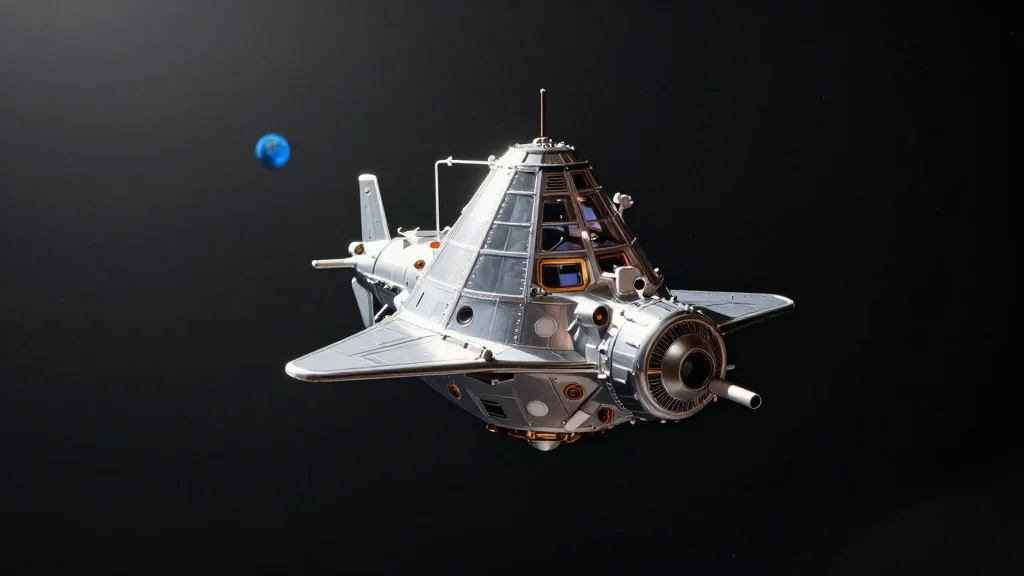
Voyager 1 Runs on 69 KB of Memory and an 8-Track Tape Recorder
Voyager 1, now over 15 billion miles from Earth and traveling 38,000 mph, remains the most distant human‑made object after 48 years in space. It operates on a modest 69 KB of memory and an 8‑track digital tape recorder, transmitting data at just 160 bits per...

In Pictures: The Changing Shape of Mission Control
NASA’s mission control has transformed from the modest Mercury Control Center in 1960s Florida to the high‑tech Artemis operations hub in Houston. Each era—Mercury, Gemini, Apollo, Shuttle, and now Orion—introduced new consoles, digital displays, and computing power while preserving the...

'An Incredible Privilege and Responsibility': Artemis 2's Christina Koch Is Ready to Become the 1st Woman to Fly Around the...
Artemis 2, NASA’s first crewed mission beyond low‑Earth orbit, is slated for launch no earlier than April 1, 2026. The four‑person crew—including Christina Koch, who will become the first woman to travel beyond LEO—will spend ten days testing Orion in Earth orbit before...
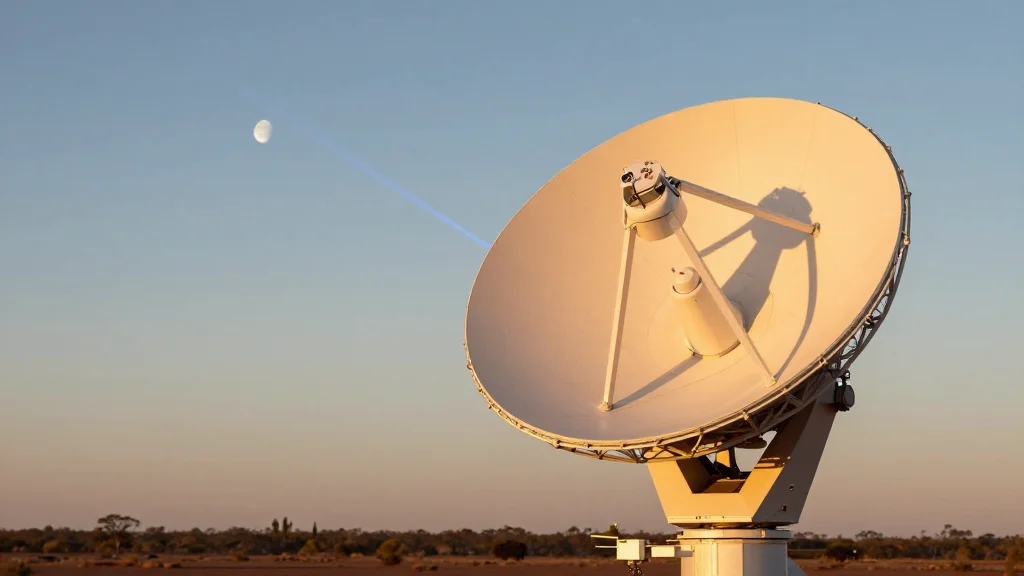
How Australia Is Supporting NASA's First Moon Flight in 50 Years
Australia will underpin NASA’s Artemis II mission, scheduled for 1 April, by providing critical communications and tracking support. The Canberra Deep Space Communication Complex, managed by CSIRO, will handle roughly 95% of the mission’s data links alongside stations in the United States...

Researchers Turn Ocean Dead Zones Into Talking Skies for Pilots
European researchers in the EU‑funded ECHOES programme have proved that space‑based very high frequency (VHF) radio can deliver real‑time voice and data links to aircraft over oceanic airspace. Two low‑Earth‑orbit satellites, weighing 35 kg and 100 kg, relayed standard VHF signals, enabling...

Starfish Space Finds a New Partner for Docking Demonstration Mission
Starfish Space announced that its Otter Pup 2 docking demonstration will target a new, still‑undisclosed partner after D‑Orbit withdrew in late 2025. The spacecraft, launched in June 2025, uses an electrostatic capture system to attach to flat surfaces on satellites lacking a...
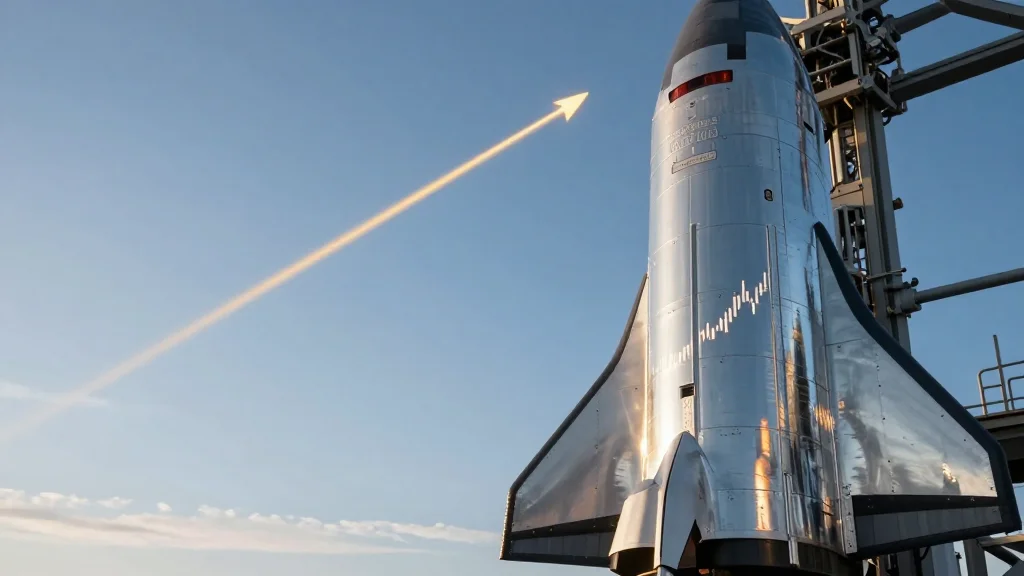
SA Asks: What's the Most Attractive Space Stock Right Now?
Elon Musk’s SpaceX is preparing what could become the largest IPO in history, prompting investors to look for alternative space equities. Seeking Alpha analysts Oakoff Investments and Michael Del Monte highlight Rocket Lab (RKLB) and Firefly Aerospace (FLY) as the most attractive...

Who Cares About a Canadian on Artemis II? Asked by a Canadian…
Canada will see astronaut Jeremy Hansen fly on NASA's Artemis II lunar flyby in early April 2026, marking the first Canadian to orbit the Moon. The seat was secured through a barter tied to the Canadarm 3 contribution for the Lunar Gateway,...
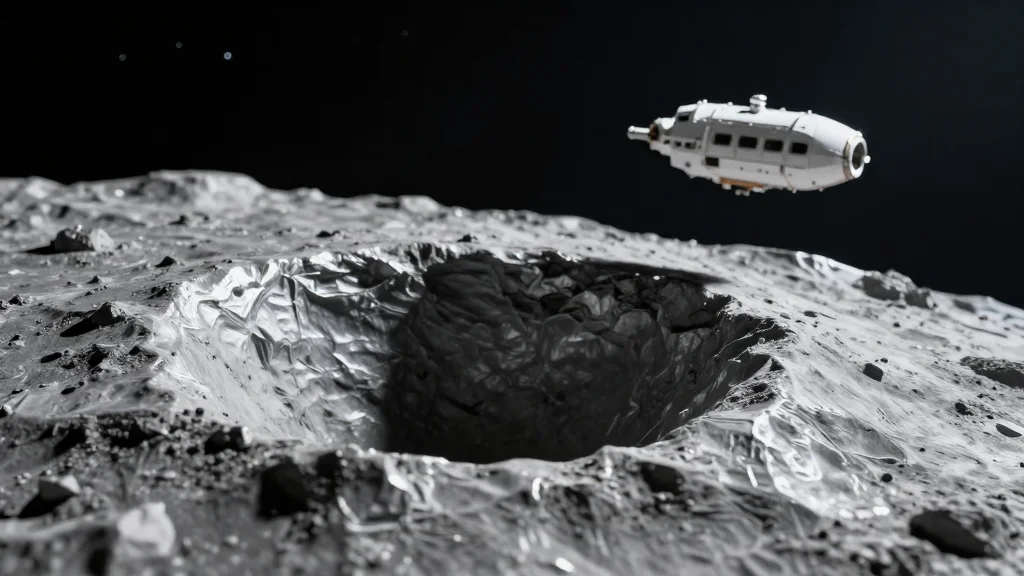
Giant Craters May Reveal if Psyche Is a Lost Planetary Core
Scientists used 3‑D impact simulations to probe the interior of metal‑rich asteroid 16 Psyche, focusing on a large north‑polar basin. The models tested homogeneous versus layered structures and varied porosity, revealing that internal void space strongly shapes crater depth‑diameter ratios. Results...

Celeste’s First Satellites Launched to Explore LEO-Based Satellite Navigation
On 28 March 2026 the European Space Agency launched the first two Celeste satellites aboard Rocket Lab’s Electron from New Zealand, marking the start of a low‑Earth‑orbit (LEO) navigation demonstration. Built by GMV and Thales Alenia Space, the pair will validate new L‑...

Pentagon Eyes Canceling ‘Troubled’ GPS Ground System
The U.S. Space Force is weighing the cancellation of the Next‑Generation Operational Control Segment (GPS OCX), a ground system built by RTX to command the newest GPS III and upcoming GPS IIIF satellites. After a government‑led test phase uncovered persistent software defects, the...

Blackwave Expands COPV Production to the United States
Blackwave announced a U.S. expansion with a new hub in Lockhart, Texas, to serve the growing North American launch market. The Texas facility will initially focus on cleaning and final inspections, scaling to full‑scale composite overwrapped pressure vessel (COPV) production...

Why China’s Space-Based Solar Power Is the Next Frontier of Green Energy
China is advancing its Zhuri space‑based solar power programme, aiming for a megawatt‑level orbital test around 2030 and a gigawatt‑scale station by 2050. The initiative leverages falling launch costs and new wireless‑power technologies to deliver continuous, weather‑independent electricity from geostationary...

Commercial Space Federation (CSF) Welcomes Two New Associate Members
The Commercial Space Federation (CSF) announced the addition of Astrolab and Zeno Power as associate members. Astrolab builds multi‑purpose rovers for lunar and Martian surface operations, while Zeno Power develops radioisotope batteries for extreme‑environment power. Both companies aim to strengthen...

ESA to Decide by June on Europe’s Gateway Contributions
NASA has halted work on the lunar Gateway, forcing the European Space Agency to rethink its Artemis contributions. ESA’s portfolio includes the European Service Module, the I‑Hab habitation module, the Lunar View refueling unit and the Lunar Link communications system,...
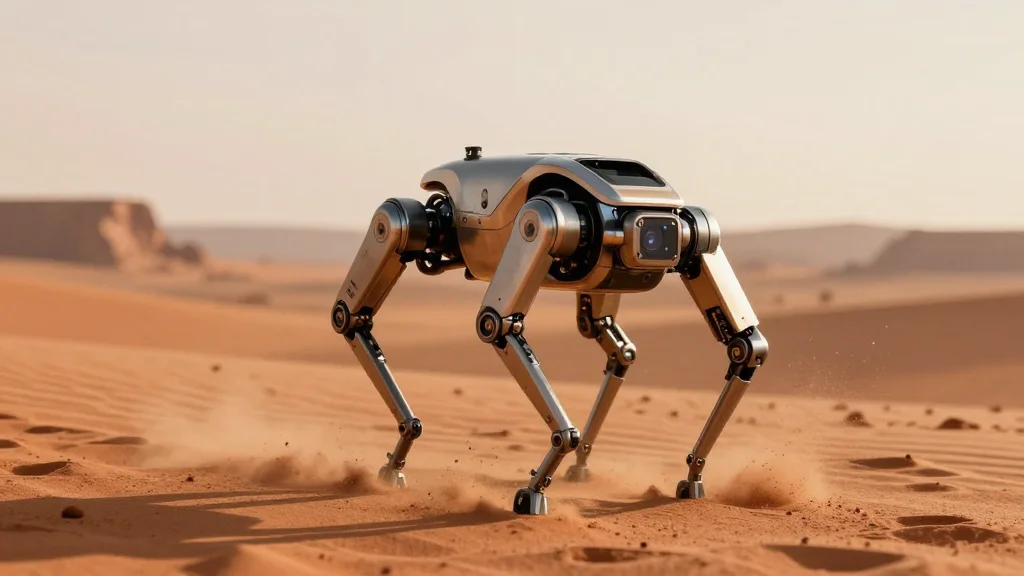
Quadruped Robots Have Potential as Astronaut Surface Assistants, New Research Finds
Researchers at Oregon State University and NASA tested a battery‑powered quadruped robot in White Sands’ Mars‑like dunes, showing it can collaborate with astronaut scientists to collect soil data. The robot’s leg motors generate current that doubles as a terrain sensor,...

NASA Names Scientists to Support Lunar South Pole Science
NASA has appointed ten scientists to the Artemis lunar surface science team, tasking them with shaping the mission’s scientific agenda at the Moon’s South Pole. The group will work alongside the existing geology team led by Noah Petro and Padi...

Europe’s Space Agencies Prepare For A Brave New NASA
During NASA’s high‑profile Ignition conference in Washington, European space agencies convened at the Munich Space Summit to gauge the implications of the U.S. agency’s new lunar‑Mars roadmap. While the summit’s main sessions barely mentioned NASA’s plans, breakout discussions revealed a...
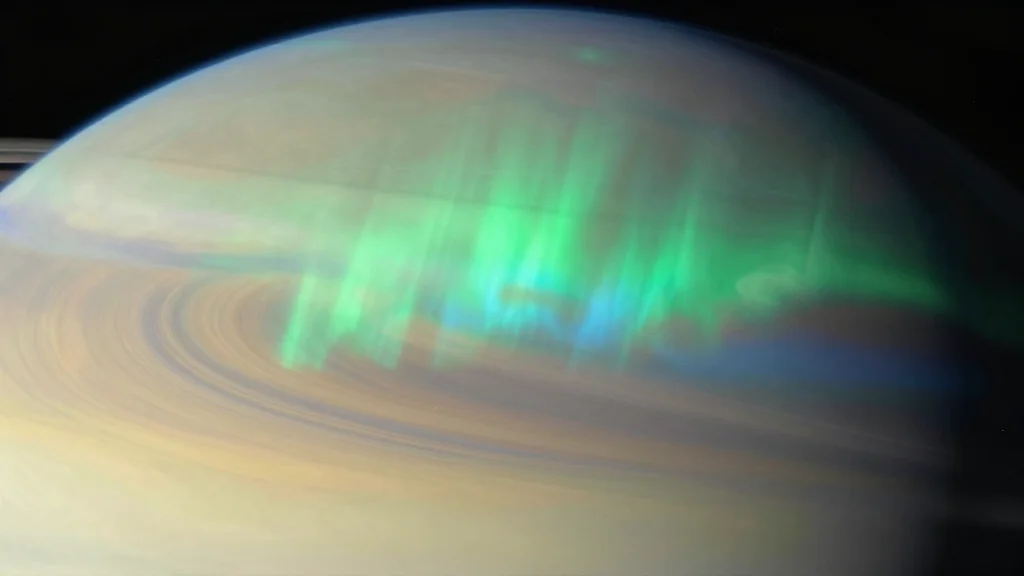
JWST Solves Decades-Long Mystery About Why Saturn Appears to Change Its Spin
Researchers using the James Webb Space Telescope have produced the first high‑resolution temperature and particle density maps of Saturn’s northern aurora, revealing a self‑sustaining feedback loop that heats the atmosphere, drives winds, and powers the aurora. The loop explains why...

NextSTEP-3 E: Network Extension for User Continuity and Sustainability (NEXUS) Ka-Band Backward-Compatible Relay Broad
NASA announced a new Broad Agency Announcement under the NextSTEP‑3 program to fund Project NEXUS, a Ka‑band backward‑compatible relay system. The initiative aims to replace the aging Tracking and Data Relay Satellite (TDRS) network with an end‑to‑end service lasting at...

The FCC Must Choose: Enforce the Rules or Preserve LEO Competition
The FCC faces a pivotal choice between enforcing its LEO deployment milestones and preserving competition in low‑Earth‑orbit broadband. Amazon has asked for a two‑year extension to meet its 1,618‑satellite Leo deadline, citing launch bottlenecks despite a $10 billion investment and a...

Scientists Intrigued by “Negative Mass Anomaly” Under Surface of Mars
NASA’s InSight lander data confirms that Mars’ day is shortening by fractions of a millisecond each year, indicating the planet is spinning faster. Researchers from Delft University of Technology propose a “negative mass anomaly” – a buoyant plume of hot...
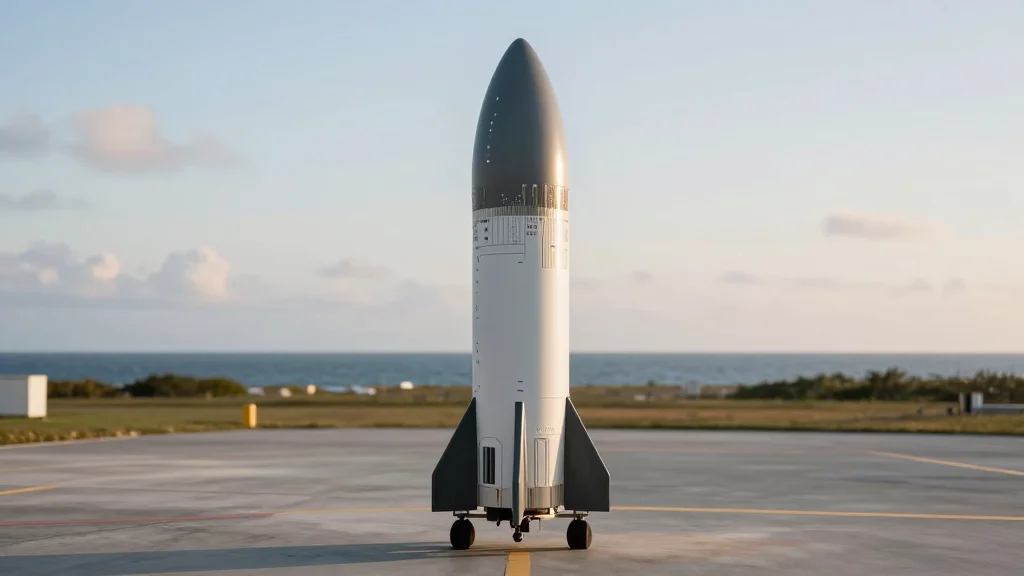
Space Force Considers Boosting Wallops Launch Cadence to Meet Commercial Demand
Space Force is evaluating a significant increase in launch cadence at NASA’s Wallops Island range to satisfy rising commercial demand, Gen. Stephen Whiting told the Senate Armed Services Committee. Wallops, long used for niche missions such as small‑satellite and hypersonic...

Syntiant and Novi Space Successfully Demonstrate Low-Power AI Inference in Orbit
On March 26, 2026, Syntiant Corp. and Novi Space completed a successful in‑orbit demonstration of real‑time AI object detection on a commercial LEO satellite. Using Syntiant’s quantized neural network models deployed on Novi’s SP240 space‑edge computer, the system identified ground...

China Is Challenging US Spaceflight Supremacy
China is rapidly advancing its human‑spaceflight program, aiming for a crewed lunar flyby by 2030 and a permanent research station by 2035. The nation’s Tiangong space station, the new Mengzhou spacecraft, and the 90‑metre Long March‑10 rocket provide a predictable, state‑backed...

How AI Is Changing Astronomy
Artificial intelligence is now central to modern astronomy, handling data volumes that far exceed human capacity. The Vera C. Rubin Observatory will generate roughly 20 TB of raw data each night, prompting AI-driven pipelines for real‑time analysis. Machine‑learning models have already...
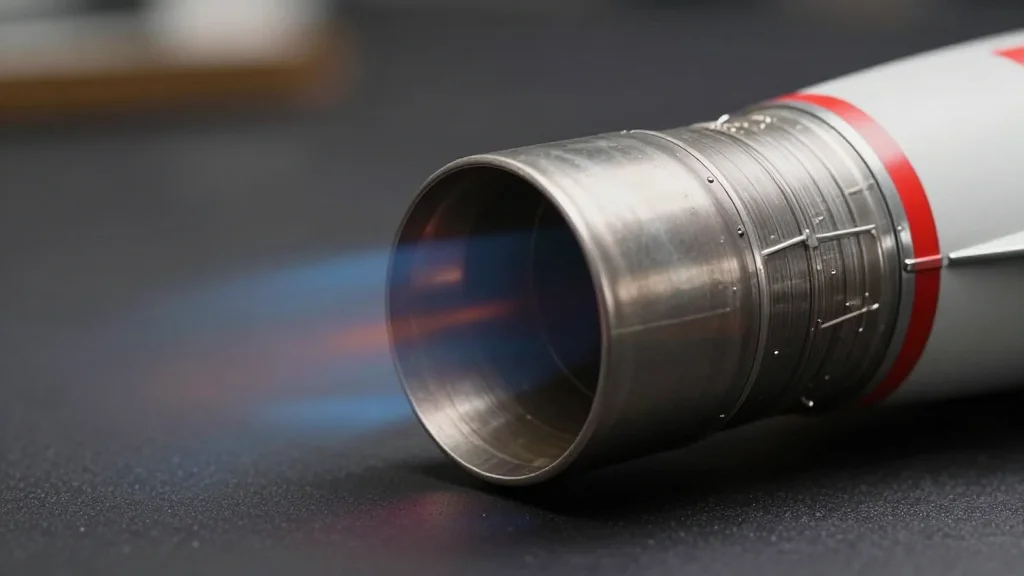
RUAG International Sets Strategic Course for Space-Focused Future Amid Short-Term Earnings Impact
RUAG International’s 2025 fiscal year saw net sales dip to CHF 412 million (~$521 million) while earnings before interest and taxes fell to a loss of CHF 114 million (~$145 million) due to high engineering costs in its Launchers division and one‑off transformation expenses. The company...

Public Databases Related to the Space Economy 2026
The article compiles an extensive inventory of public databases that underpin the modern space economy, covering everything from satellite catalogs and launch logs to Earth‑observation archives and regulatory filings. It categorises resources by function—space objects, launches, EO imagery, small‑sat components,...

I Almost Drowned in Space when My Helmet Filled with Water
During a July 2013 spacewalk, ESA astronaut Luca Parmitano experienced a sudden water leak that flooded his helmet, obscuring his vision, muffling his hearing, and threatening to drown him in microgravity. The incident forced him to abort the EVA and race back...

The ‘Ground Truth’ Gap in AgTech: Why Satellites Alone Can’t Save Supply Chains
Satellite hardware costs have plummeted, sparking a surge in AgTech precision monitoring and AI‑driven analytics. Yet an over‑reliance on satellite imagery creates a "ground truth gap" where remote data misrepresents on‑the‑ground realities, producing false compliance alerts. These alerts can unjustly...

NASA's Ambitious 'Decade of Venus' Exploration May Bank on 1 Probe: 'Not Everything Can Move Forward'
NASA faces tough budget constraints that could force it to scale back its planned trio of Venus missions. While the European‑led Envision mission is still under negotiation, funding shortfalls may shift the VenSAR radar instrument to ESA development. The domestically...
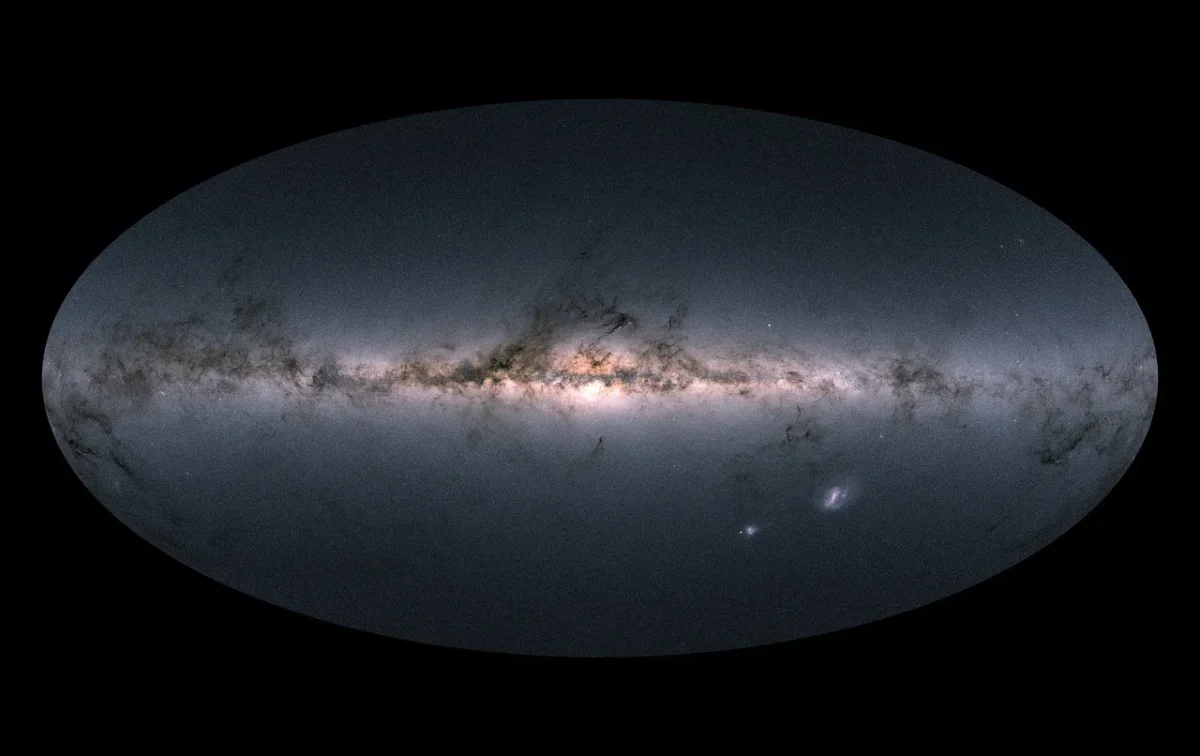
March 27, 2025: Gaia Turns Off
ESA’s Gaia mission concluded on March 27, 2025 after a decade of operation, having captured three trillion observations of roughly two billion stars. Launched in 2013, Gaia fulfilled its goal of mapping a billion stars, delivering an unprecedented three‑dimensional view...

The First Colour Photo of Earth From the Moon
NASA’s Artemis crew captured the first ever colour photograph of Earth taken from the Moon’s surface, broadcasting a vivid blue‑marble view back to Earth. The image was snapped by astronaut Randy Vincent during the mission’s lunar landing phase and streamed live to...

New Study Measures Titanium in Apollo Rock to Uncover Moon’s Early Chemistry
Researchers using cutting‑edge electron microscopy have detected trivalent titanium (Ti³⁺) in ilmenite from an Apollo 17 lunar rock, with roughly 15% of the titanium showing a lower oxidation state than the usual Ti⁴⁺. This finding ties the presence of Ti³⁺ to...

What Is SpaceX Starshield, and Why Is It Important?
SpaceX’s Starshield has evolved from a branding concept into an operational U.S. defense space system that combines secure communications, Earth‑observation, and hosted‑payload services. The program leverages the existing Starlink constellation, dedicated low‑Earth‑orbit satellites, and a growing network of ground‑entry terminals....

NASA’s NISAR Radar Cuts Through Clouds to Reveal the Pacific Northwest Like Never Before
NASA’s joint NASA‑ISRO NISAR mission released a radar image of the Pacific Northwest captured on 10 November 2025. The L‑band radar pierced dense cloud cover to deliver a sharp view of Seattle, Puget Sound, Portland and surrounding landmarks. NISAR’s 12‑meter antenna and...

Is There a Commercial Market: Six UK Projects Selected to Build Satellite-Powered Climate Services
The UK Space Agency has allocated roughly $483,000 in pre‑commercial grants to six early‑stage firms developing satellite‑powered climate services. Recipients – New Gradient/Calterra, TreeStock, Treeconomy, Amelia Space Technologies, 2Excel Aviation and Plastic‑i – aim to automate peatland surveys, create tree‑level...

Update: Bellatrix Aerospace Raises $20 Mn in Pre Series B Round
Bellatrix Aerospace, a Bengaluru‑based spacetech startup, closed a $20 million pre‑Series B round led by Cactus Partners, with participation from Hero Investment Office, 35 North Ventures and existing backers. The financing values the company at roughly $105 million, a 2.7‑fold increase from its previous...

NASA Moves Permanent Moon Base Plans Forward, and Other News.
NASA is committing roughly $20 billion over the next seven years to build a permanent Moon base, shifting Artemis focus from the lunar Gateway to surface habitats and targeting continuous astronaut presence by the late 2020s. The agency’s move underscores growing...

SBQuantum and Spire to Send Quantum Diamond Magnetometer Into Orbit
Canadian startup SBQuantum will launch a quantum diamond magnetometer aboard a Spire Global satellite on March 30 via a SpaceX Falcon 9 rideshare. The device, roughly the size of a quart of milk, is competing in the final phase of the National...

Ispace Redesigns Lunar Lander, Introduces Lunar Communications Service
Japanese lunar venture ispace is overhauling its lander program by replacing the under‑performing VoidRunner engine and unifying its Japanese Series 3 and U.S. Apex 1.0 designs into a single Ultra lander. The redesign pushes the U.S. CLPS Mission 3 launch from 2027 to...

Historic Space Debris Mission Winds Down as ADRAS-J Begins Descent
Japan’s Astroscale has begun the controlled descent of ADRAS-J, the pioneering satellite that spent ten months inspecting space debris. Over 293 days the craft performed unprecedented close-range approaches, photographing an 11‑meter, 3‑ton defunct rocket stage within 15 meters and validating rendezvous-and-proximity-operations...

Viasat & QEST Explore Next-Generation Multi-Band Antenna
Viasat and antenna specialist QEST have begun a joint study to create a dual‑band X‑band/Ka‑band airborne terminal that builds on Viasat’s Hybrid SATCOM Approach platform. The project will replace the GAT5530’s Ku‑band aperture with QEST’s TRL‑9 X‑band hardware, enabling aircraft...

Collaborative Space Innovation Can Build Sovereign Capability
The Australasian Space Innovation Institute (ASII), led by Professor Andy Koronios, is positioning Australia to develop sovereign space capabilities through collaborative research and industry partnerships. Recent initiatives include the National Digital Twin for Agriculture, which integrates satellite data to optimize farm...

The Kessler Syndrome Myth: A Skeptical Review of Orbital Debris Science and Media Alarmism
The article challenges the popular notion that a Kessler‑type cascade is imminent, emphasizing that the original 1978 research described a long‑term, theoretical threshold rather than a current emergency. It shows how movies like *Gravity* and sensational headlines have amplified public...

Firefly Aerospace Quick-Steps On VICTUS DIEM Exercises
Firefly Aerospace teamed with Lockheed Martin to support the U.S. Space Force’s VICTUS DIEM responsive‑space exercises, demonstrating rapid payload handling and launch capabilities. The joint effort completed payload processing in under 12 hours and executed a 36‑hour launch simulation, testing emergency protocols. Participants...