
How Do Satellites Determine Their Orbital Position?
Satellites determine their orbital position by fusing data from ground‑based radar, laser ranging, GNSS receivers, and onboard attitude sensors such as star trackers and IMUs. The U.S. Space Force’s Space Surveillance Network monitors over 27,000 objects, while laser stations achieve centimeter‑level precision and GPS provides metre‑scale real‑time fixes. Advanced techniques like DORIS and high‑fidelity numerical propagators further refine orbits for scientific and commercial missions. Accurate position and attitude data are essential for imaging geolocation, collision avoidance, and mission‑critical operations.

ISRO Launches Mission MITRA in Ladakh to Study Astronaut Behaviour in Extreme Conditions
ISRO has launched Mission MITRA in Ladakh, positioning a test crew at roughly 3,500 metres to simulate space‑flight stressors such as hypoxia, low temperature and isolation. The five‑day analog study, running until April 9, is designed to capture physiological, psychological and operational...

The Full Engineering History of Cassini’s Grand Finale: How NASA Deliberately Crashed a $3.4 Billion Spacecraft Into Saturn and Why...
NASA’s Cassini mission, a $3.4 billion flagship, ended on Sept. 15, 2017 when the spacecraft was deliberately steered into Saturn’s atmosphere. A decade‑long debate among engineers, planetary‑protection officials, and policymakers weighed fuel limits, contamination risks to Enceladus and Titan, and the scientific...

Space Pioneer Tianlong-3 Rocket Fails Its Debut Launch Attempt
China’s private launch firm Space Pioneer saw its Tianlong‑3 rocket fail on its maiden flight on April 3, 2026, after an engine‑bay explosion at about 33 seconds. The partially reusable vehicle, designed to lift up to 20 metric tons to...
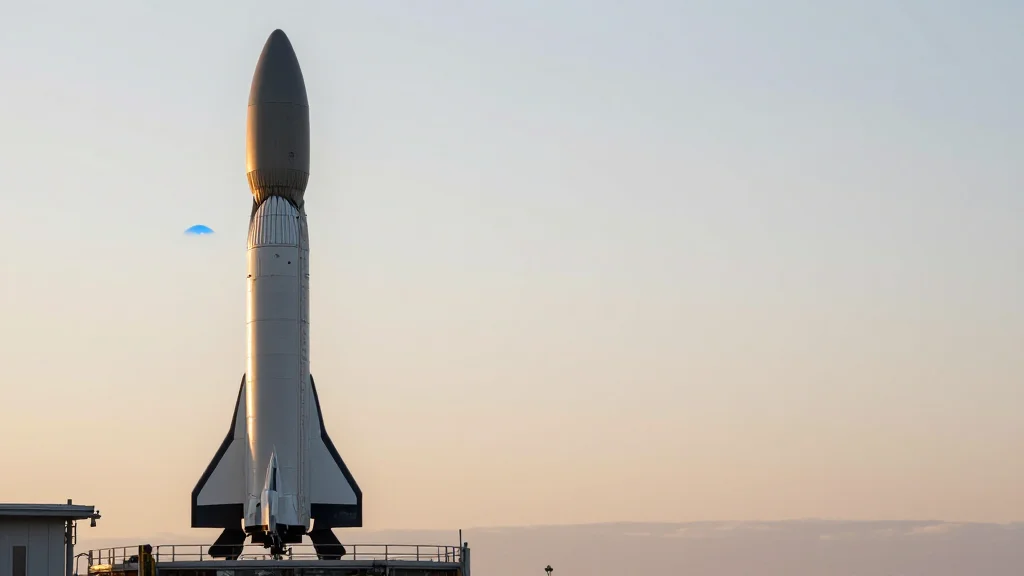
NSS Responds to OMB’s Proposed FY27 NASA Budget
The National Space Society (NSS) welcomed the OMB’s FY27 NASA budget proposal for its shift away from the Lunar Gateway and a planned phase‑out of the Space Launch System in favor of commercial heavy‑lift services. It also praised the repurposing...

Artemis 2 in Good Shape Cruising Towards the Moon
NASA confirmed that Artemis 2’s Orion spacecraft is performing nominally as it cruises toward the moon, with subsystems operating as expected. The translunar injection burn on April 2 used propellant within 5% of predictions, prompting controllers to cancel the first of three...

April 3, 2026 Zimmerman/Batchelor Podcast
Robert Zimmerman’s new book *Genesis: the Story of Apollo 8* chronicles the historic 1968 mission that first took Americans to another world, offering fresh insights and a new introduction. The title is available as a hardback ($60), paperback ($45) and ebook...

Vast Safely Deorbits Haven Demo, Marking Key Step Toward Commercial Space Stations
Vast successfully performed a controlled deorbit of its Haven Demo spacecraft on 4 February 2026, concluding a three‑month orbital test campaign that hit 49 objectives. The mission, launched on a SpaceX rideshare in November 2025, validated critical systems such as...
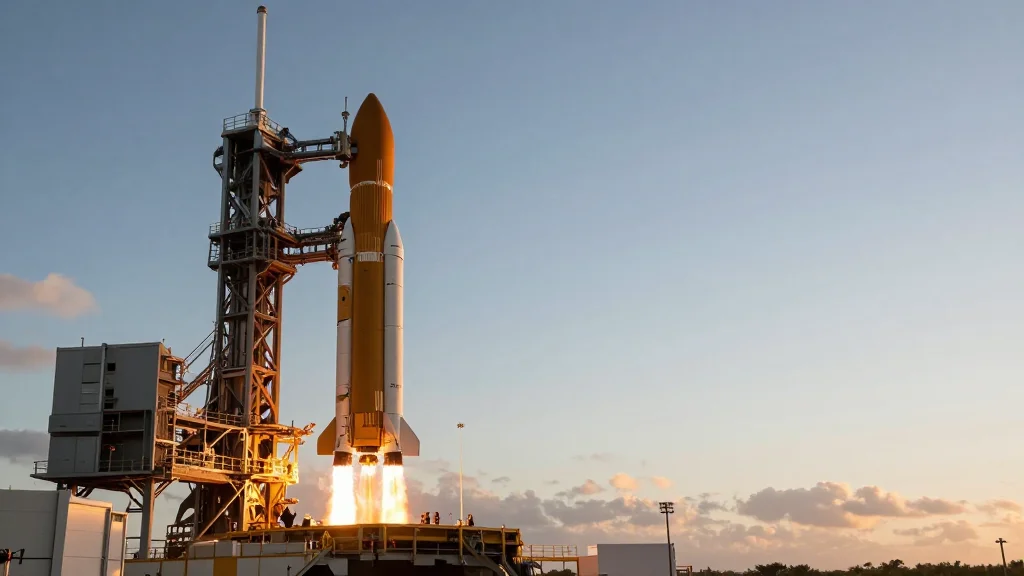
ULA’s Atlas 5 Rocket Launches Its Heaviest Payload Ever with Fifth Amazon Leo Mission
United Launch Alliance successfully launched an Atlas 5 rocket carrying 29 Amazon Leo broadband satellites, marking the heaviest payload the vehicle has ever delivered. Liftoff occurred on April 4 at 1:46 a.m. EDT from Cape Canaveral’s SLC‑41 after a brief weather‑related delay. The...

Voyager-2’s Most Detailed Look at Neptune’s Moon Triton
Voyager 2’s 1989 flyby delivered the sharpest image yet of Neptune’s moon Triton, captured from just 25,000 miles and covering a 140‑mile swath with half‑mile resolution. The frame reveals a landscape of uniformly spaced circular depressions intersected by rugged ridges, a terrain...

NASA Sets Coverage for Northrop Grumman’s CRS-24 Resupply Launch
NASA announced coverage for Northrop Grumman’s CRS‑24 resupply flight, slated for launch no earlier than 8:49 a.m. EDT on April 8, 2026. The Cygnus XL cargo vehicle, riding a SpaceX Falcon 9 from Cape Canaveral, will carry roughly 11,000 lb of science investigations, crew supplies and hardware...

All the Space Events, Conferences, and Meetups Worth Your Time in April 2026
April 2026 hosts a dense schedule of space‑focused events across the United States and abroad, ranging from policy‑driven summits to hands‑on technical workshops. Highlights include the Assured PNT Summit in Washington, the 41st Space Symposium in Colorado Springs, and the...
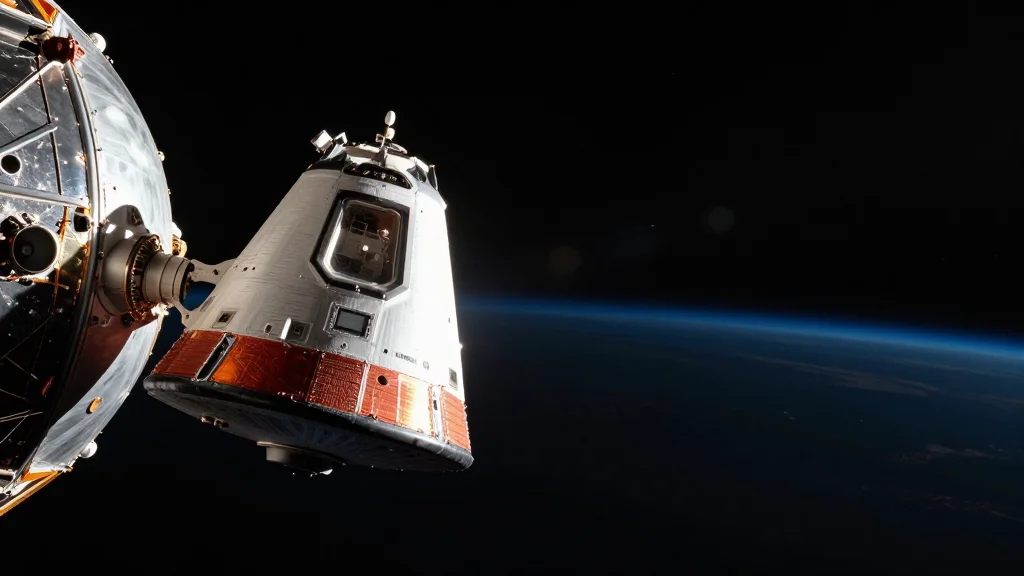
Artemis II Pilot Test Drove the Orion Capsule on the Way to the Moon
NASA astronaut Victor Glover manually piloted the Orion crew capsule during Artemis II after it separated from the Space Launch System’s second stage. Glover described the controls as responsive and superior to the ground simulator. Program manager Howard Hu likened the...

1st Results From Blue Ghost Lunar Lander Reveal How Much We Still Don't Know About the Moon
Firefly Aerospace’s Blue Ghost lander, which touched down on the Moon in March 2025, returned its first scientific data after a two‑week surface stay. Using the LISTER heat probe, the craft measured subsurface heat flow at Mare Crisium that matched the values...

Italy’s Argotec Plans to Scale Florida Satellite Facility to Meet Rising US Demand
Italy’s Argotec has opened a 465‑square‑meter satellite production plant near Kennedy Space Center, backed by a $25 million investment. The facility will initially staff about 20 engineers and plans to triple that headcount within two years, enabling simultaneous assembly of more...
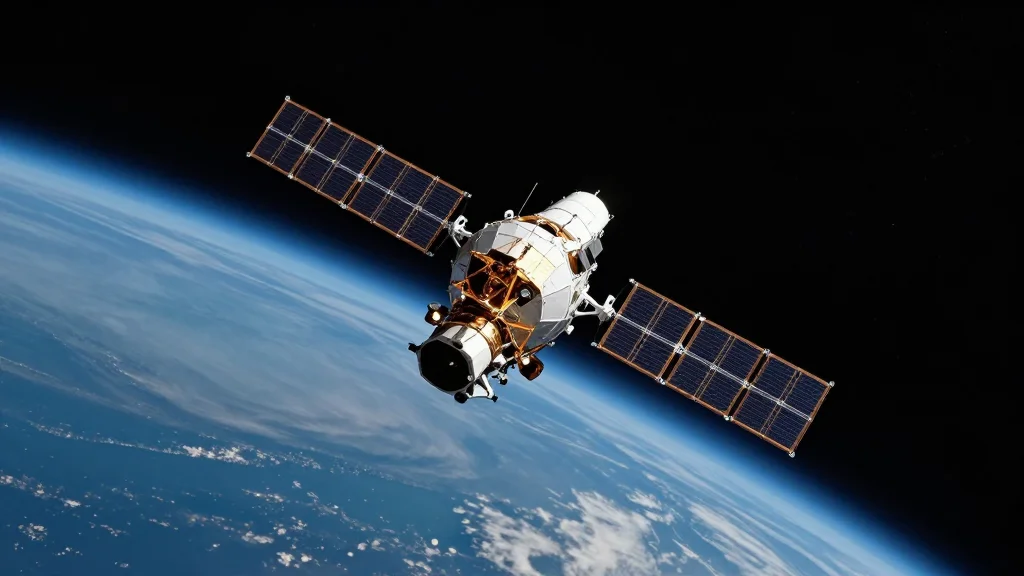
Live in the Booth: Matt Desch Talks Iridium NTN Direct and Alt PNT Advances
Iridium is launching Iridium NTN Direct, positioning itself as the first standardized, global narrow‑band satellite IoT service. The offering runs on Iridium’s existing constellation, eliminating the need for new hardware. CEO Matt Desch highlighted automotive use cases such as airbag...
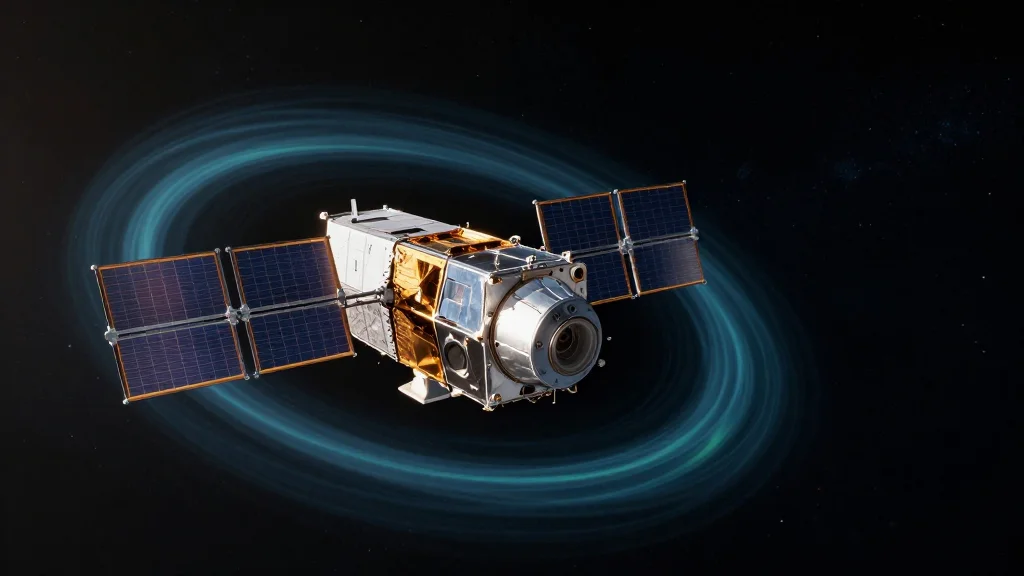
Redwire Wins European Quantum Satellite Contract
Redwire announced it has won a European Space Agency (ESA) contract to build a quantum‑secure satellite under the QKDSat program. The company will deliver its Belgium‑built Hammerhead spacecraft equipped with a quantum key distribution (QKD) payload and its ADPMS‑3 avionics...
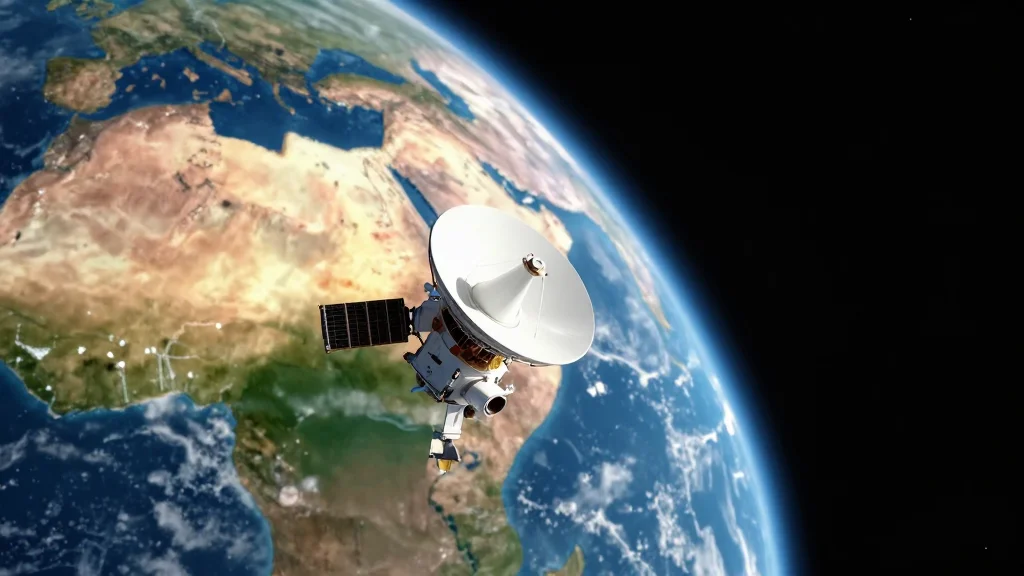
African Market for Satellite Services Offers Pent Up Demand
Africa’s satellite market is accelerating, with 21 nations operating space programs and 65 satellites already launched, and another 120 slated by 2030. Broadband penetration remains under 50% for over 1 billion people, prompting a surge in satellite terminals from 100,000 to...

Virgil I. “Gus” Grissom
Virgil "Gus" Grissom, born April 3, 1926, became NASA’s second astronaut to reach space on the 15‑minute Mercury‑Redstone 4 mission aboard Liberty Bell 7 in July 1961. The flight ended safely, but the capsule’s hatch blew prematurely, flooding the spacecraft and forcing...

The Downlink Deficit: The Pentagon’s Optical Mesh Network and the Terrestrial Bottleneck
The Pentagon’s Proliferated Warfighter Space Architecture relies on an optical inter‑satellite mesh, but only about 10 % of the required optical ground stations exist today. Roughly 200‑500 diverse stations will be needed by 2030 to achieve the 99.9 % availability demanded for...
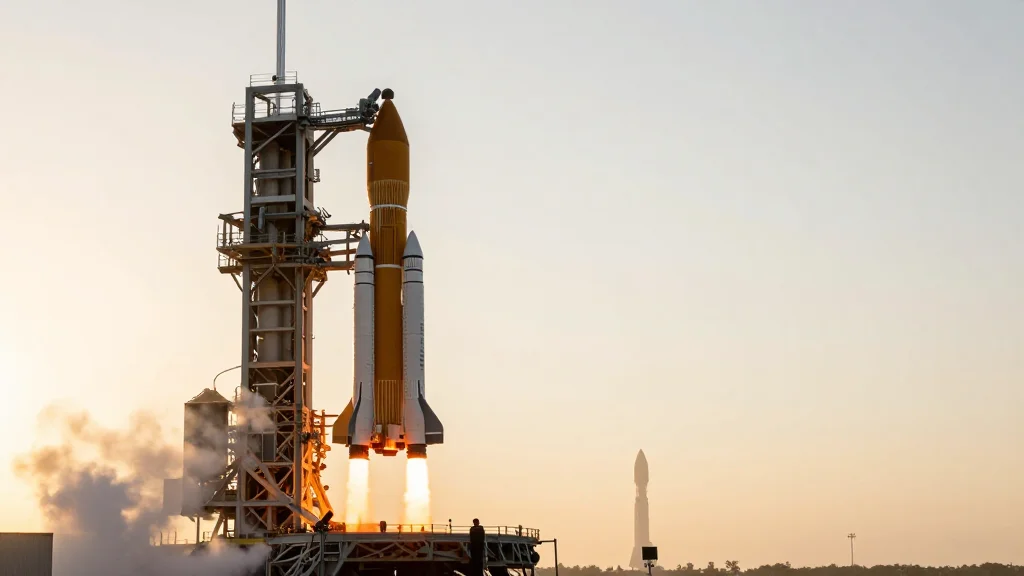
Russia Launches Classified Military Payload; China Has a Launch Failure
China's private launch firm Space Pioneer saw its Tianlong‑3 rocket abort two minutes after liftoff, after an apparent thrust imbalance at roughly 33 seconds. In contrast, Russia successfully lofted a classified payload on a Soyuz‑2 from Plesetsk, likely a military...
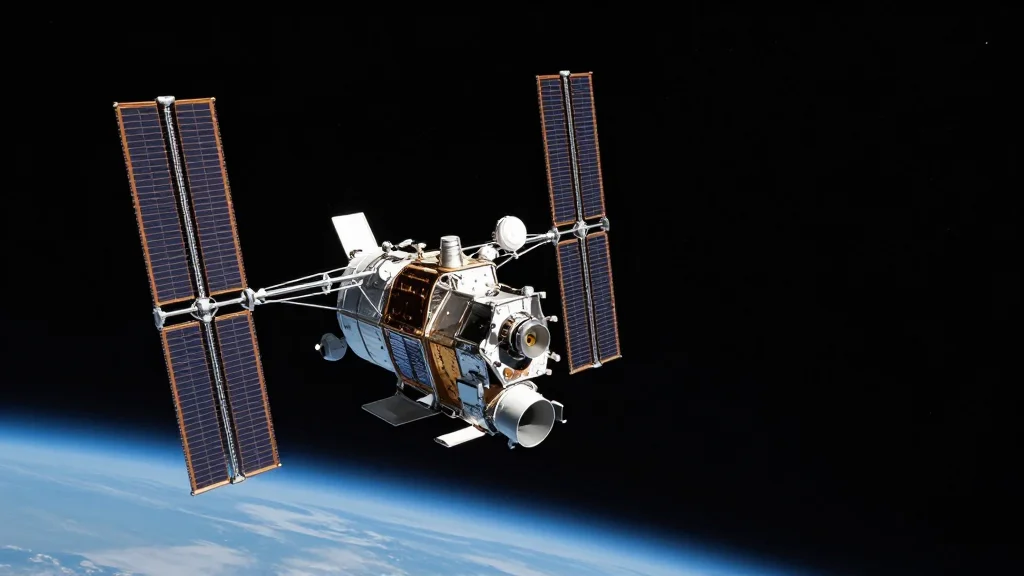
Amazon Responds to SpaceX’s FCC Complaint About Its Last Leo Satellite Launch
Amazon responded to SpaceX’s FCC complaint that its latest LEO launch placed 32 satellites 50 km above the licensed altitude, forcing SpaceX to maneuver 30 Starlink satellites. Amazon argues the orbit complies with its license and blames SpaceX’s recent lowering of...
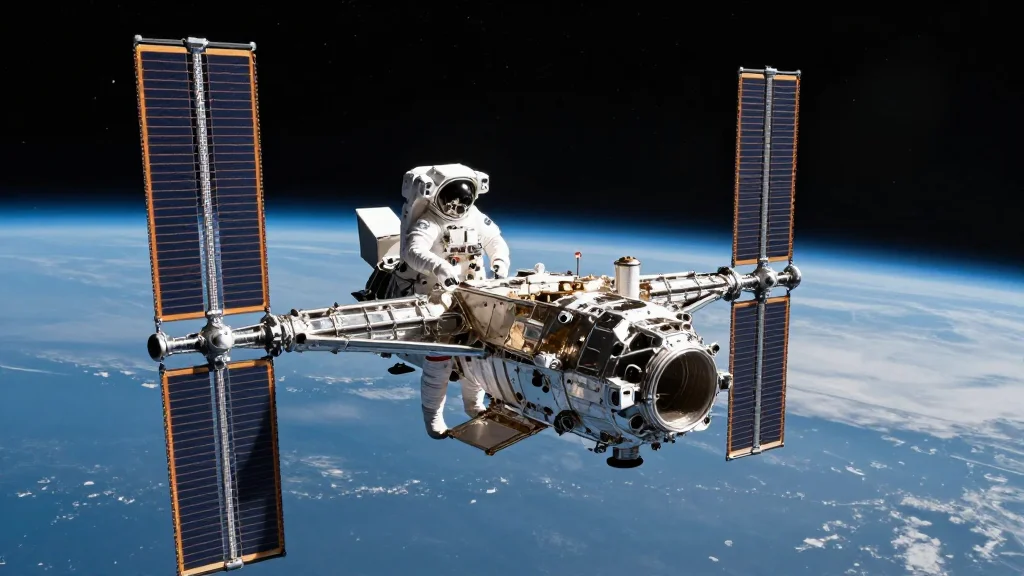
Gravitics Receives Strategic Funding Increase From SpaceWERX
Gravitics secured a Strategic Funding Increase (STRATFI) contract from SpaceWERX, the U.S. Space Force’s innovation arm, worth up to $60 million. The award will fund a flight‑demonstration of Gravitics’ Orbital Carrier on a low‑Earth‑orbit rideshare, alongside a Viper orbital transfer vehicle...
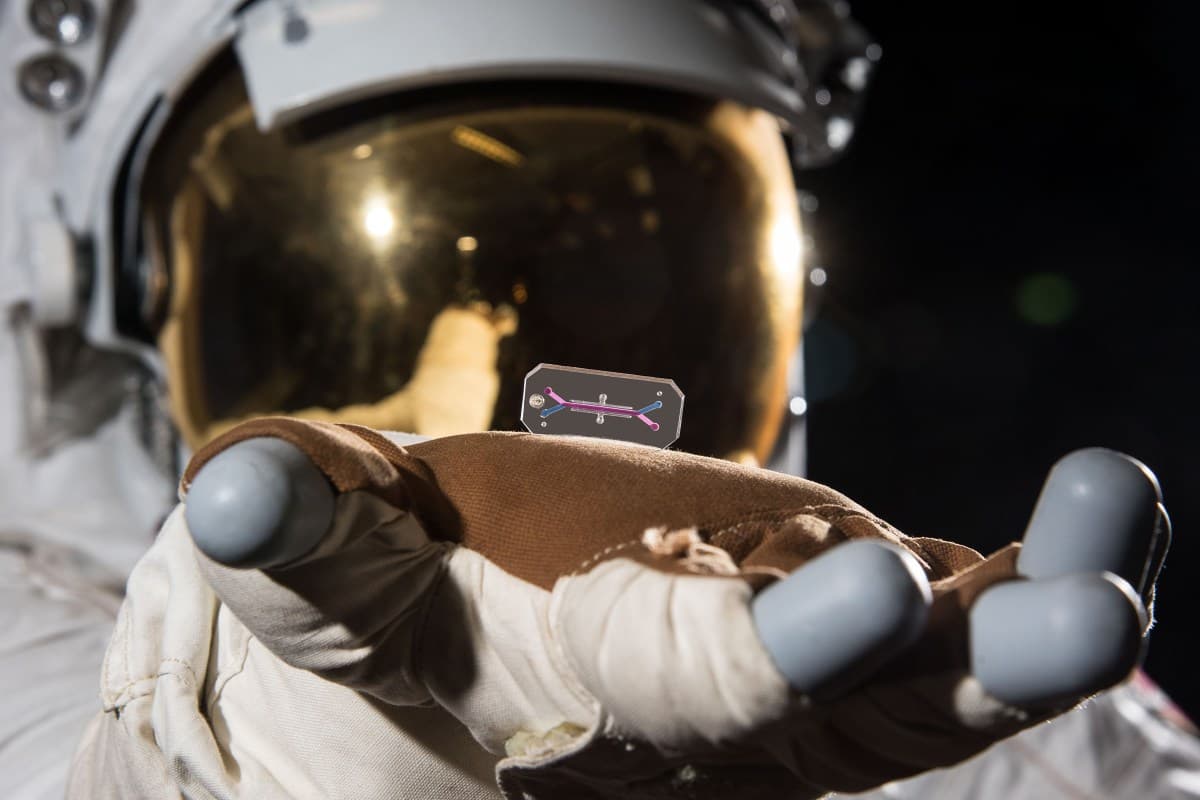
The Moon Astronauts Brought Along USB Stick-Sized Living Samples of Their Own Tissue
NASA’s Artemis II crew—Reid Wiseman, Victor Glover, Christina Koch, and Jeremy Hansen—will carry USB‑stick‑sized organ‑on‑a‑chip samples grown from each astronaut’s bone‑marrow cells. The “functional” organ chips travel alongside the astronauts on a 10‑day lunar flyby and duplicate sets are sent to...
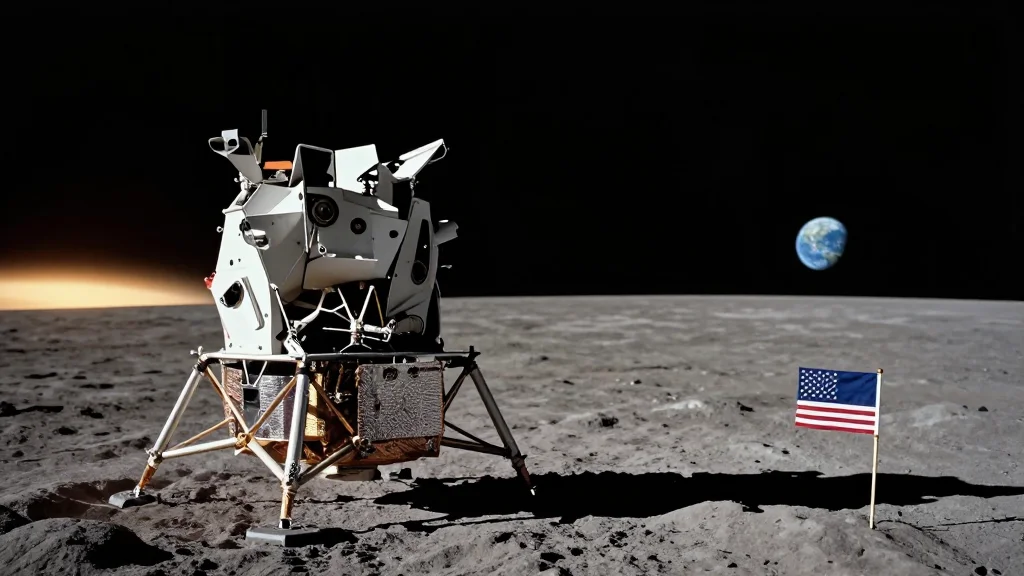
Trump FY2027 NASA Budget Supports Moon Missions, But Cuts Everything Else
The Trump administration’s FY2027 budget request keeps NASA’s total funding at $18.8 billion, a 23 percent cut that mirrors the FY2026 proposal. It adds $731 million for Artemis lunar landings and $175 million for a robotic lunar base camp, while slashing the science portfolio...
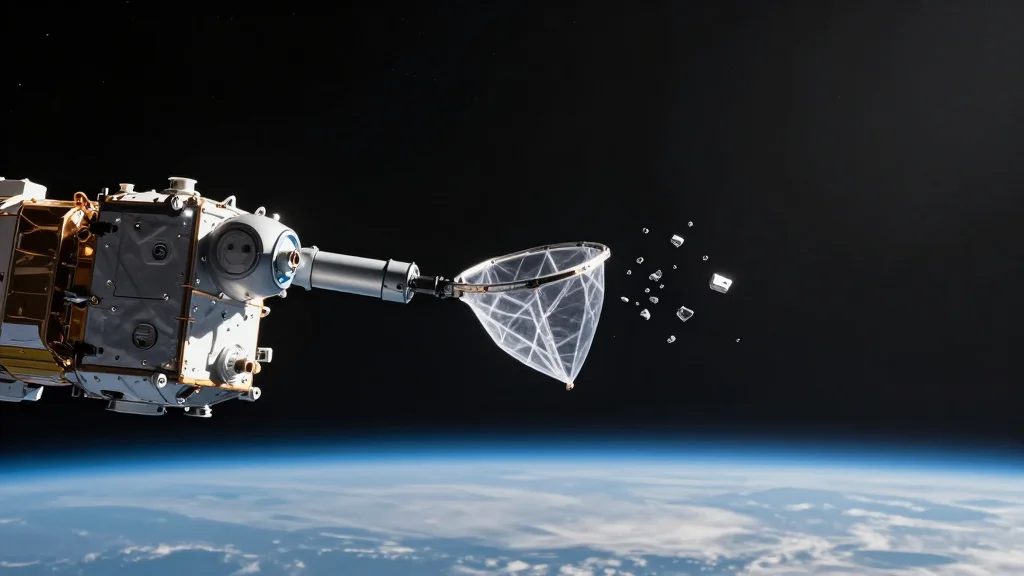
Report: Trio of Science and Technology Trends – Orbital Debris Removal Flagged
The U.S. Government Accountability Office’s latest report highlights orbital debris removal as one of three emerging science and technology trends poised to shape society over the next decade. It notes that more than 15,000 pieces of debris are currently tracked,...
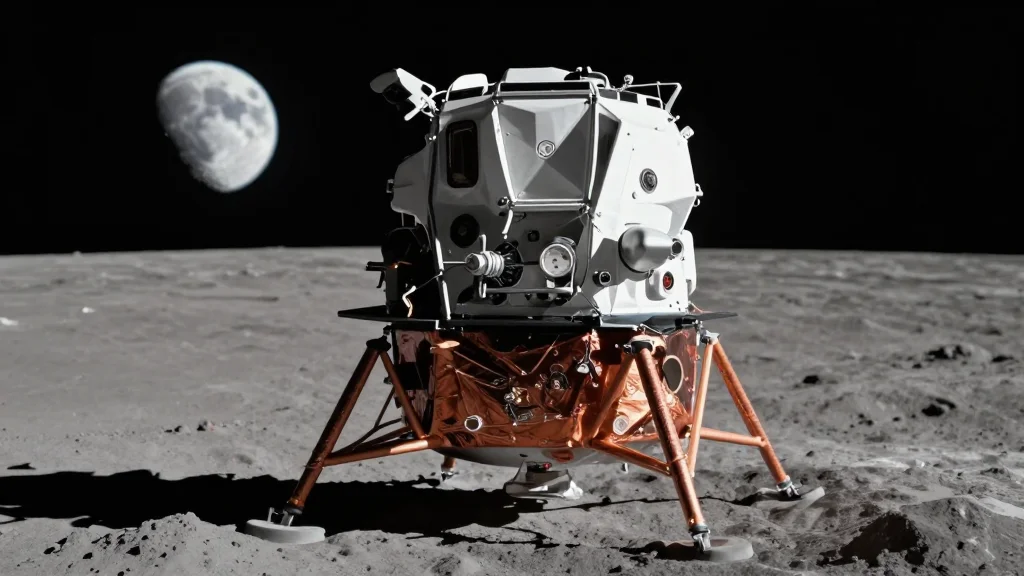
Anyone Watch the Artemis II Launch?
NASA launched Artemis II on April 1, 2026, sending a four‑person crew on a free‑return trajectory around the Moon—the first crewed lunar mission since Apollo 17 in 1972. The launch succeeded after two earlier attempts this year were aborted due to a propellant...

Hello, World
NASA astronaut Reid Wiseman captured the first downlinked images from the Artemis II crew after the spacecraft’s translunar injection burn. The photograph shows Earth framed by two auroras and a faint zodiacal light, highlighting Orion’s window view capabilities. This visual milestone...

Week in Images: 30 March - 03 April 2026
The latest "Week in images" roundup showcases a diverse set of space‑related photographs, from a versatile silicon chip to the final glimpse of ESA’s Smile spacecraft. Highlights include the Artemis II launch with Orion and the European Service Module, a rare...

Insurance Is Commercial Space Nuclear’s Biggest Headache
Commercial space nuclear power faces a critical obstacle: insurance. While reactors remain inert until they reach orbit, insurers are reluctant to underwrite launches involving radioactive material because of uncertain re‑entry risks. Industry leaders argue that government indemnification—through Department of Energy...
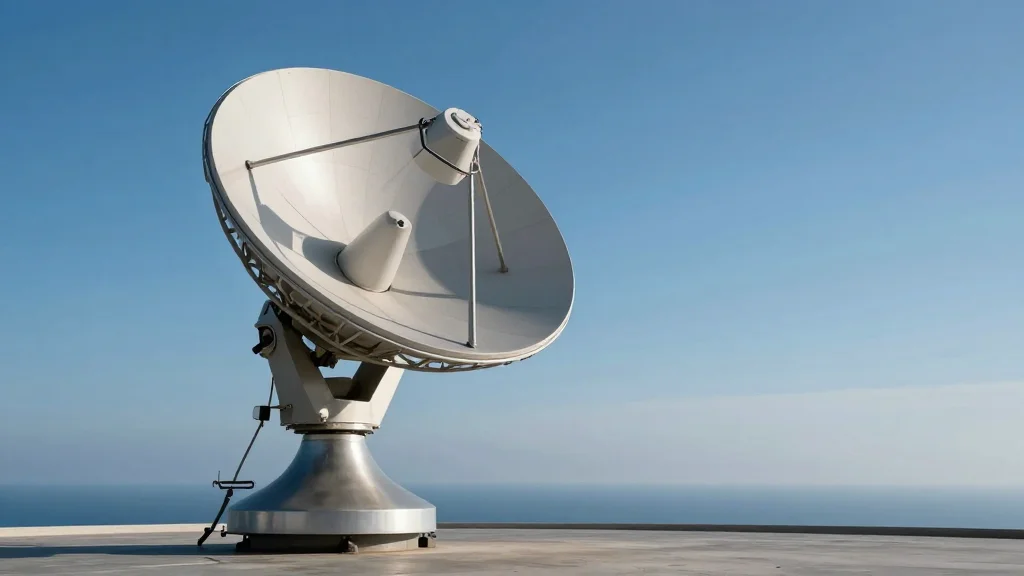
SATShow Week 2026 United the Global Space Ecosystem and Unveiled Industry-Wide Technological Progress in Its 45th Year
SATShow Week 2026 convened 14,738 senior leaders and 515 exhibitors from 36 countries at the Walter E. Washington Convention Center, marking the event’s 45th anniversary. The conference featured 273 speakers, expanded programming, and high‑level participation, with 39% of attendees in...
Charts Defining the Space Industry in Q1 2026
Q1 2026 saw a robust rebound in the commercial space sector, with launch activity climbing 12% year‑over‑year to 84 missions. Total satellite revenue reached roughly $9 billion, driven by megaconstellations and high‑throughput services. Venture capital poured an estimated $3.2 billion into space...
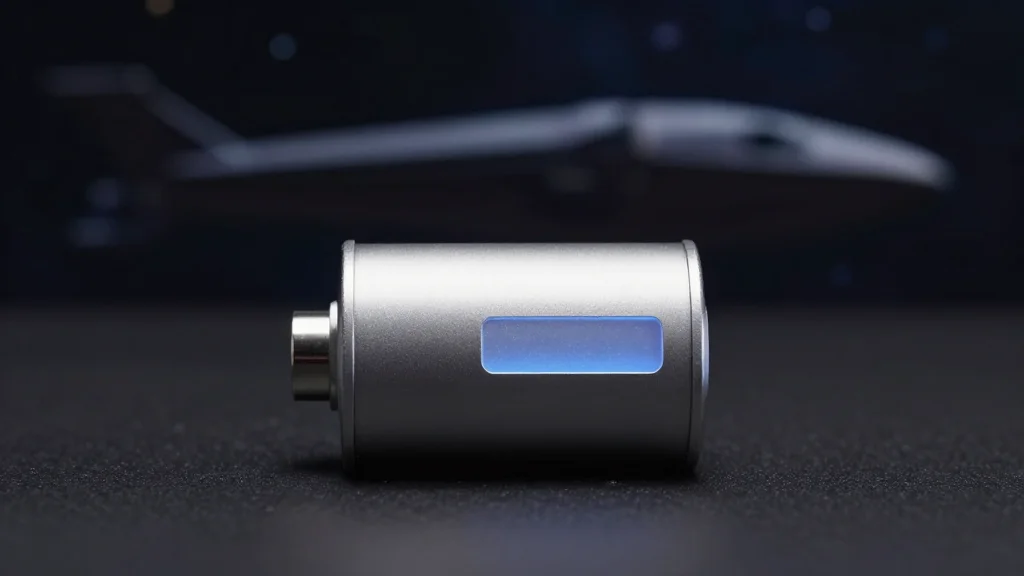
NASA Is Developing a New Nuclear Battery that Could Run for Four Centuries or Five Human Lifetimes
NASA is evaluating americium‑241 as fuel for next‑generation radioisotope power systems, offering a half‑life of roughly 433 years—about five times longer than the current plutonium‑238 sources. The isotope’s slow decay would enable nuclear batteries to operate for centuries, supporting deep‑space...

India Targets LVM3 Rocket Power Upgrade by End of 2026
India’s space agency ISRO is targeting an integrated hot‑test of its indigenous semi‑cryogenic SE/SCE‑2000 engine by the end of 2026, with test facilities already in place. The 2,000 kN thrust engine could serve as LVM3’s second stage or replace the existing...

The Awe of a Moon Launch in an Age of Trump, Turmoil and Tribal Divisions
Artemis II launched on April 2, 2026, sending four astronauts on a lunar flyby and testing critical deep‑space systems. The mission revives the spirit of Apollo 8, offering a brief unifying moment amid intense domestic division. President Trump gave a 35‑second acknowledgment before shifting...

SMILE’s April 9 Launch Could Finally Show Us What Solar Storms Actually Look Like When They Hit
The Solar wind Magnetosphere Ionosphere Link Explorer (SMILE) is set to launch on April 9 from French Guiana, carrying four instruments to image Earth’s magnetosphere in soft X‑rays. By capturing the interaction between solar wind and the magnetic shield, and simultaneously...

Swift Spacecraft Reorientation Buys Time for Reboost Mission
NASA has reoriented the 2004‑launched Swift observatory to reduce atmospheric drag by roughly 30%, buying critical weeks before its orbit falls below the 300‑kilometer threshold needed for a planned reboost. Updated decay models now show a 10% chance of reaching...

CLPS Companies Excited For NASA’s ‘Opportunity Bomb’ Lunar Plan
NASA released a draft RFP for CLPS 2.0, outlining a $6 billion budget cap, a ten‑year ordering window, larger landers, and support for lunar‑night power and sample return. The agency aims to begin monthly uncrewed lunar deliveries as early as next year,...
April 2, 2026 Quick Space Links
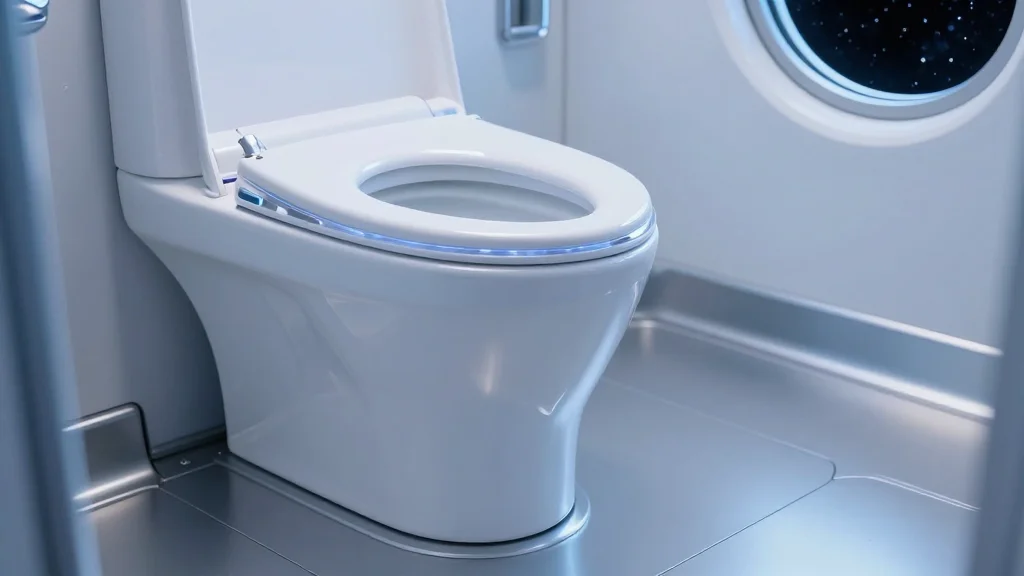
A daily roundup highlights several space industry updates, from Orion’s crew‑toilet functioning after an early glitch to Japan’s Martian Moons eXploration (MMX) spacecraft arriving at Tanegashima for a 2026 Phobos sample‑return mission. It also notes Amazon’s stalled acquisition of Globalstar,...
Moving Target Indication, Orbital Warfare Among Areas Needing Increased Investment, Space Force Official Says
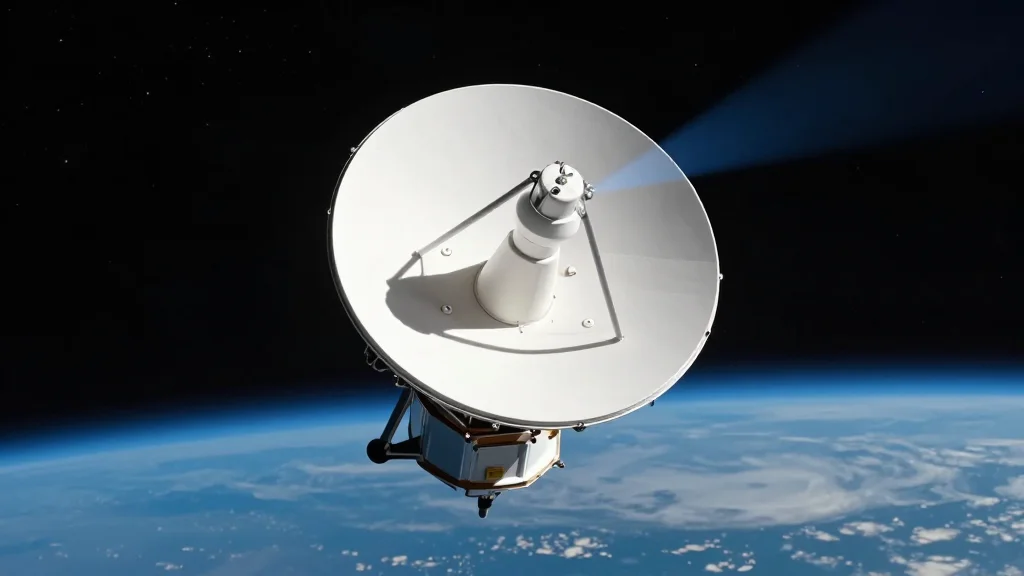
U.S. Space Force Lt. Gen. Dennis Bythewood told a Mitchell Institute forum that the defense industrial base must receive more funding for moving‑target indication, launch infrastructure, orbital warfare, and positioning, navigation and timing (PNT). He emphasized the need to expand...

Former Sierra Space CEO Tom Vice to Lead Astrion
Tom Vice, former Sierra Space chief executive, has been appointed CEO and executive chair of Huntsville‑based defense contractor Astrion. The company also named former Lockheed Martin Space vice president Eric Brown as president of space operations and ex‑RTX executive Conn...

Optical Terminals Still a Bottleneck in Pentagon’s Proliferated Constellation
On Oct. 15, Lockheed Martin launched 21 Space Development Agency Tracking Layer Tranche 1 satellites, each carrying three laser communication terminals (OCTs) instead of the planned four due to a supply shortfall. Tesat‑Spacecom delivered 42 terminals while CACI supplied only 21,...

Sovereignty in Orbit: Can National Laws Govern Global Space Markets?
National space laws provide the licensing backbone for launches, spectrum, and remote‑sensing, but they cannot alone resolve cross‑border disputes that arise from global satellite constellations, orbital debris, and lunar‑resource activities. The Outer Space Treaty remains the legal floor, tying private...
Astroscale and Exotrail to Co-Develop Servicing Mission
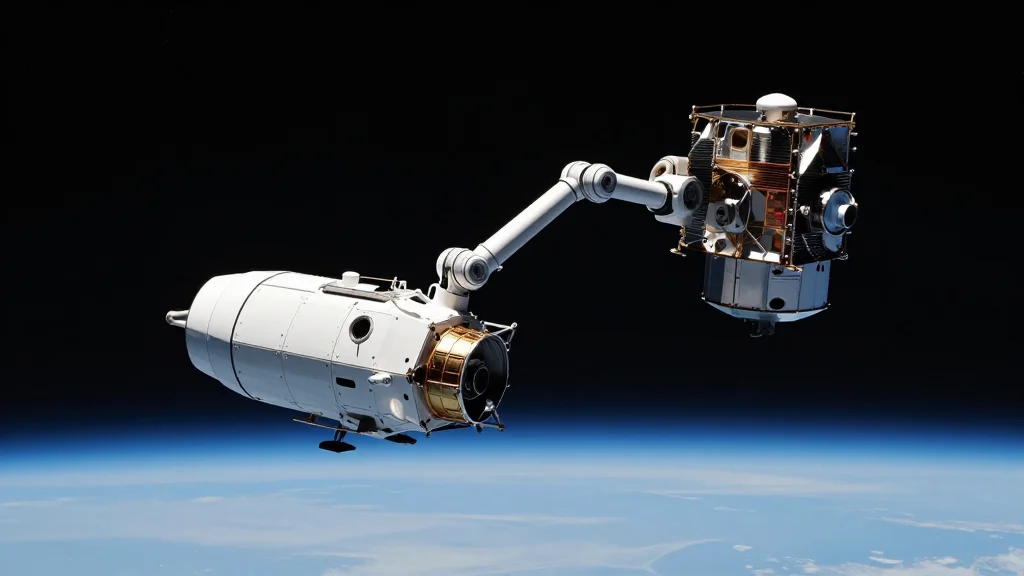
Japanese satellite‑life‑extension specialist Astroscale and French launch‑service firm Exotrail have signed a contract to co‑develop a low‑Earth‑orbit de‑orbiting mission, aiming for operational capability by 2030. The partnership combines Exotrail’s SpaceVan vehicle with Astroscale’s capture system and proximity‑operations expertise. The agreement...
In-Orbit Logistics Companies Call for Clearer Demand Signals From Gov
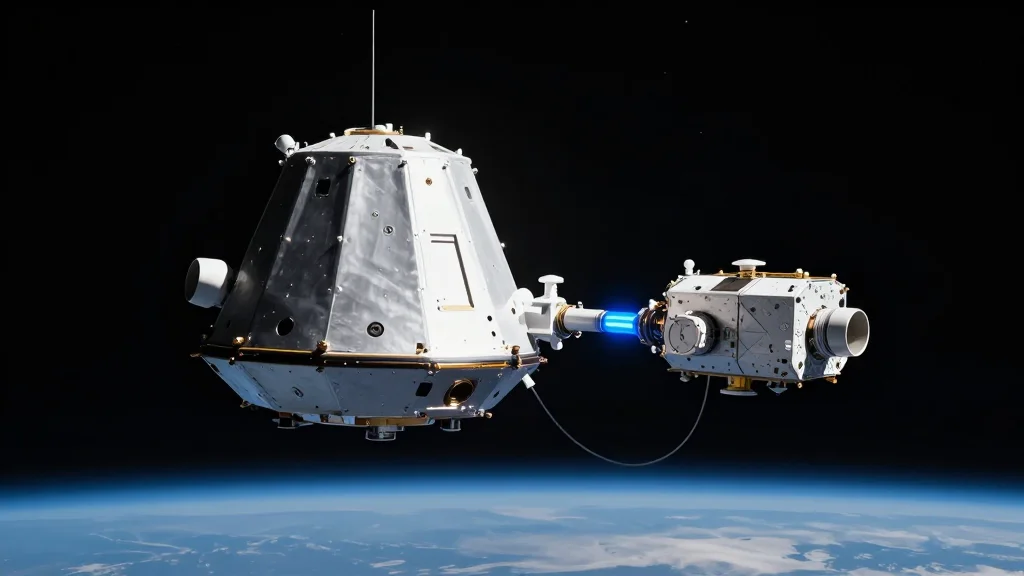
Industry leaders at a SATShow Week panel warned that demand for in‑orbit inspection, repair, refueling and de‑orbit services will surge over the next five to ten years as Low‑Earth Orbit becomes increasingly congested. The Space Development Agency (SDA) highlighted a...
ArkEdge Space to Work With ABIT For IoT Service Rollout
ArkEdge Space and Japan’s ABIT Corporation have signed an MOU to co‑develop wide‑area IoT solutions and satellite communication equipment. The collaboration merges ArkEdge’s low‑power, long‑range satellite network—validated on 18 in‑orbit satellites—with ABIT’s ground‑side device design, mass‑production and protocol expertise. ArkEdge...
The New Rubin Telescope Discovers over 11,000 New Asteroids in First Observations
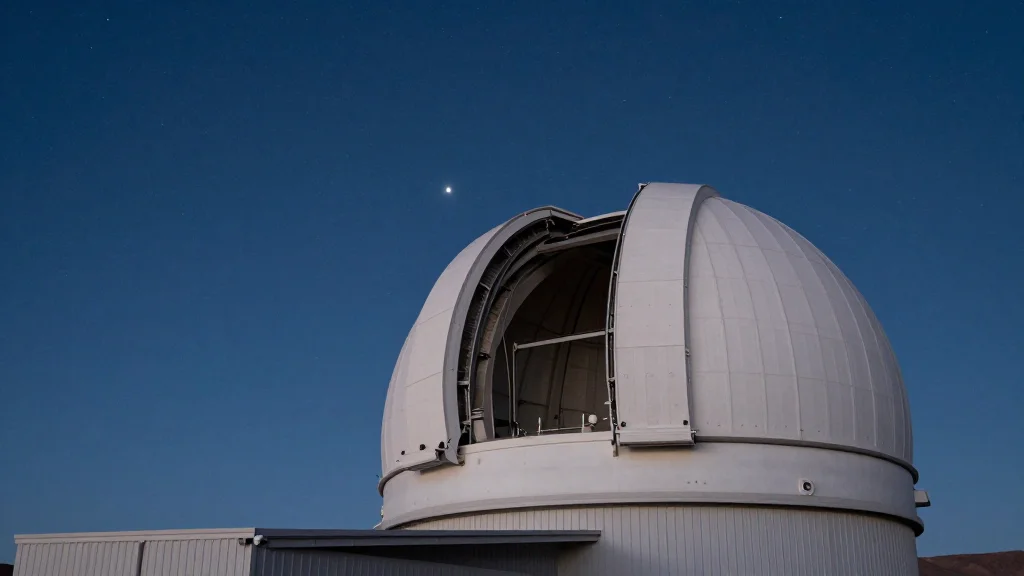
The Vera C. Rubin Observatory in Chile has cataloged over 11,000 previously unknown asteroids during its first 1.5 months of operation, including 33 newly identified near‑Earth objects (NEOs). The survey also recorded roughly one million observations of more than 80,000...

ISED Extends Telesat’s Use of Ku-Band for Broadcasting Services
Innovation, Science and Economic Development (ISED) has approved an extension of Telesat’s use of the extended Ku (xKu) band for direct‑to‑home (DTH) broadcasting until November 2039. The decision keeps Shaw Direct’s service, operated by Rogers, on air for another decade, reversing...

L3Harris Taps Mercury Systems for High-Capacity Data Storage on SDA Tranche 3 Satellites
On April 2, 2026, Mercury Systems won a contract from L3Harris Technologies to provide advanced solid‑state data recorders for the Space Development Agency’s Tranche 3 Tracking Layer. The SSDRs are the highest‑capacity, radiation‑tolerant units in a 3U VPX form factor, delivering...

Amazon Weighs a Deal to Boost Its Satellite Internet Ambitions. Why It's Worthy Pursuit
Amazon is in talks to acquire satellite operator Globalstar, a move that would expand its fledgling Leo internet‑from‑space service. Leo currently runs about 200 low‑Earth‑orbit satellites, far fewer than SpaceX’s Starlink network of over 10,000 satellites and 10 million users. The...