
Amazon Weighs a Deal to Boost Its Satellite Internet Ambitions. Why It's Worthy Pursuit
Amazon is in talks to acquire satellite operator Globalstar, a move that would expand its fledgling Leo internet‑from‑space service. Leo currently runs about 200 low‑Earth‑orbit satellites, far fewer than SpaceX’s Starlink network of over 10,000 satellites and 10 million users. The deal follows Apple’s 20% stake in Globalstar and reflects growing industry interest in satellite broadband. Strengthening Leo could improve rural connectivity and make Amazon Prime more compelling.

AT&T, FirstNet Support Comms for NASA's Artemis II Mission Around the Moon
AT&T is supplying connectivity and on‑site support for NASA’s Artemis II mission, enabling near‑Earth and deep‑space communications as the Orion crew circles the Moon. The carrier has upgraded its network and positioned teams at key NASA facilities, while its FirstNet public‑safety...

Private Control of Space Infrastructure: Should One Company Have This Much Influence?
SpaceX now controls launch services, Starlink broadband, crew transport to the ISS, and key defense contracts, making it a de‑facto infrastructure provider across multiple space layers. The company earned this dominance through rapid iteration, vertical integration and aggressive pricing, not...

Chinese Satellite with Robotic 'Octopus Arm' Passes Key Refueling Test in Orbit — Making Longer-Lived Space Assets More Likely
China’s experimental Hukeda‑2 satellite demonstrated a major in‑orbit refueling capability by using its octopus‑like robotic arm to dock with a target port on the same spacecraft. The test, conducted on 24 March, marks the first self‑docking refuel maneuver since the Shijian‑25...

Moog Technology Successfully Steers Artemis II Launch
Moog Inc. supplied the critical actuation and motion‑control systems that steered NASA’s Artemis II launch, including thrust‑vector control, launch‑abort actuators, fluid‑control hardware, and mobile launch‑pad mechanisms. The SLS rocket lifted four astronauts from Kennedy Space Center, marking a record‑setting step toward...
Does Artemis II Prove Space Tourism Might Soon Take Off?
Artemis II’s April 1 launch delivered the first crewed lunar flyby since Apollo, underscoring NASA’s push for a 2028 Moon landing. SpaceX has filed confidentially for an IPO that could value the company above $1 trillion, the largest market debut ever. Virgin Galactic...
SpaceX Secures SDA-4 Launch Task Order From U.S. Space Force
SpaceX has secured a task order worth more than $178 million from the U.S. Space Force Systems Command to conduct two National Security Space Launch Phase 3, Lane 1 missions in fiscal 2027. The launches will occur from Cape Canaveral Space Force Station...
National Geographic: Tour NASA’s New Ride to the Moon
NASA’s Artemis II mission, the first crewed flight of the Orion spacecraft, is teaming with National Geographic to document the journey. The four astronauts will serve as photographers, videographers, and filmmakers, creating content for the magazine, social media, and a documentary....

Phantom Space Acquires Thermal Management Technologies
Phantom Space announced the acquisition of Thermal Management Technologies (TMT), a specialist in satellite thermal components, to strengthen its in‑orbit data‑center project called Phantom Cloud. TMT will operate as a Phantom subsidiary with founder Scott Schick remaining as general manager,...
Relativity, Hermeus, Astrion and Divergent Executives Join Fortastra C-Suite
Fortastra, a Los Angeles‑based space startup, has bolstered its leadership team by hiring senior executives from Relativity Space, Hermeus, Astrion and Divergent Technologies. Josh Jetter joins as chief technology officer, Sahil Desai as vice president of product, and Arnold Nowinski...

Starlink Shines Bright in Asia-Pacific
SpaceX’s Starlink is accelerating its direct‑to‑device (D2D) rollout across the Asia‑Pacific, with launch dates confirmed for New Zealand’s Spark and Japan’s NTT Docomo, while SoftBank announced future plans. Spark’s offering mixes free access with a NZD10 (~$5.70) fee tier, targeting remote and...

Amazon in Talks to Buy Satellite Operator Globalstar
Amazon is in advanced talks to acquire satellite‑telecom firm Globalstar as it accelerates its low‑Earth‑orbit (LEO) broadband project, Kuiper. Globalstar, valued at about $8.8 billion, saw its shares jump 24% to $85 after the news. The deal would give Amazon access...

NASA’s Artemis 2 Has a Space Toilet Issue – And It’s More Important Than You Think
NASA’s Artemis 2 mission, the first crewed lunar flight in over five decades, reported a malfunction in Orion’s Universal Waste Management System within hours of launch. A jammed fan has limited urine collection, though solid waste disposal remains operational. Engineers are...
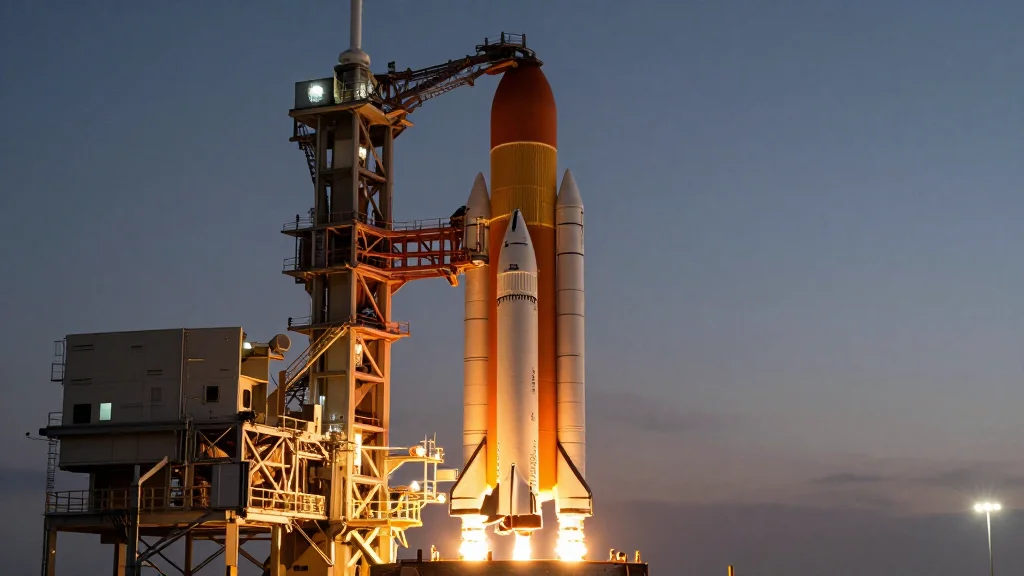
Artemis II Successfully Launches for Historic Moon Mission
NASA launched Artemis II from Florida’s Kennedy Space Center at 6:35 p.m. ET, marking the first crewed flight of the Orion capsule and the second launch of the Space Launch System. The four‑person crew—NASA’s Reid Wiseman, Victor Glover, Christina Koch and Canada’s Jeremy Hansen—will...

Artemis II Blasts Off: Humans Are on Their Way Back to the Moon
NASA’s Artemis II launched from Kennedy Space Center on April 1, sending a four‑person crew on a ten‑day lunar flyby—the first human mission beyond low‑Earth orbit in more than five decades. Commander Reid Wiseman, pilot Victor Glover, mission specialists Christina Koch and...
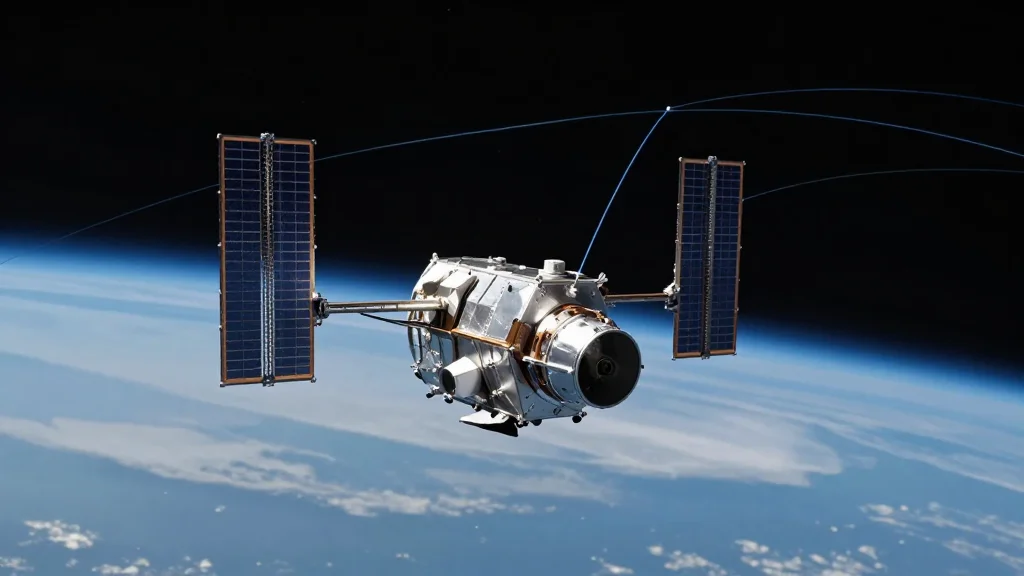
Amazon in Talks to Buy $9bn Satellite Group Globalstar in Bid to Rival Musk’s Starlink
Amazon is reportedly in advanced negotiations to acquire Globalstar, a satellite communications firm valued at roughly $9 billion. The move would give Amazon a low‑Earth‑orbit constellation capable of delivering broadband services worldwide. Analysts see the deal as Amazon’s bid to build...
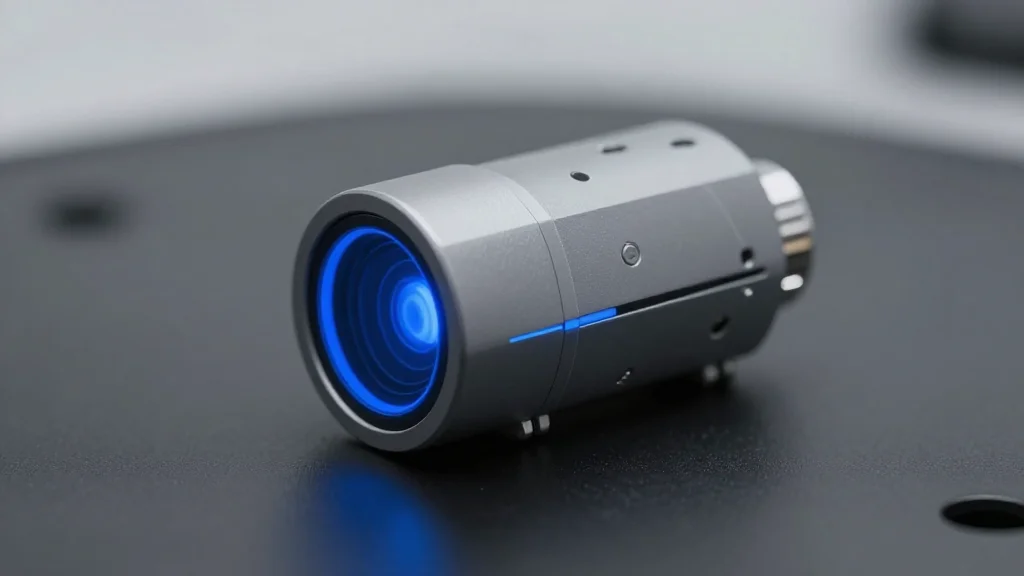
Space Force Wants More Testers, Looking at Own Test Center to Deliver Faster
The U.S. Space Force is overhauling its testing approach by embedding acquirers, testers, and operators in early‑stage "test integration teams," a shift aimed at delivering usable capabilities faster. Officials say the new model reduces silos, accepts "good enough" solutions, and...

Grain Looking to Market 800 MHz for Direct-to-Cell
Investment firm Grain Management has acquired T‑Mobile’s 800 MHz spectrum and 600 MHz holdings for about $2.9 billion, aiming to lease or sell the airwaves to satellite operators for direct‑to‑cell (D2D) services. The companies seek FCC waivers to suspend build‑out deadlines and allow...

Department of Commerce Proposes ‘Space Commerce Certification’ Process
The U.S. Department of Commerce’s Office of Space Commerce has issued a proposal for a voluntary “Space Commerce Certification” that would create a unified, light‑touch mission‑authorization pathway for novel commercial space activities such as in‑space manufacturing, satellite servicing and lunar...
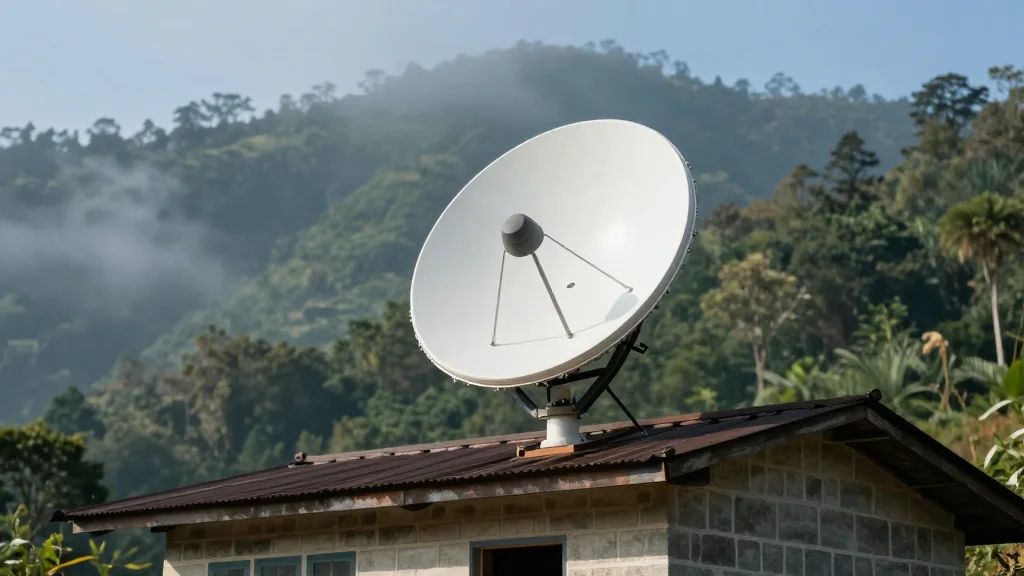
Meghalaya Govt Signs MoU With Starlink To Pilot Satcom Services
The Meghalaya government has signed a memorandum of understanding with Elon Musk’s Starlink to pilot satellite broadband in the state’s most remote areas, focusing on schools, health centres and farms. The pilot will test high‑speed internet reliability before a broader...

Explosive Potential of a Fully Fueled Launch Vehicle and What an On-Pad Explosion Can Do
The article explains that a fully fueled launch vehicle stores terajoules of chemical energy, but the actual on‑pad explosion depends on propellant mixing, ignition timing, and confinement, not a simple TNT equivalent. Using public data, Starship V3’s methane load translates...
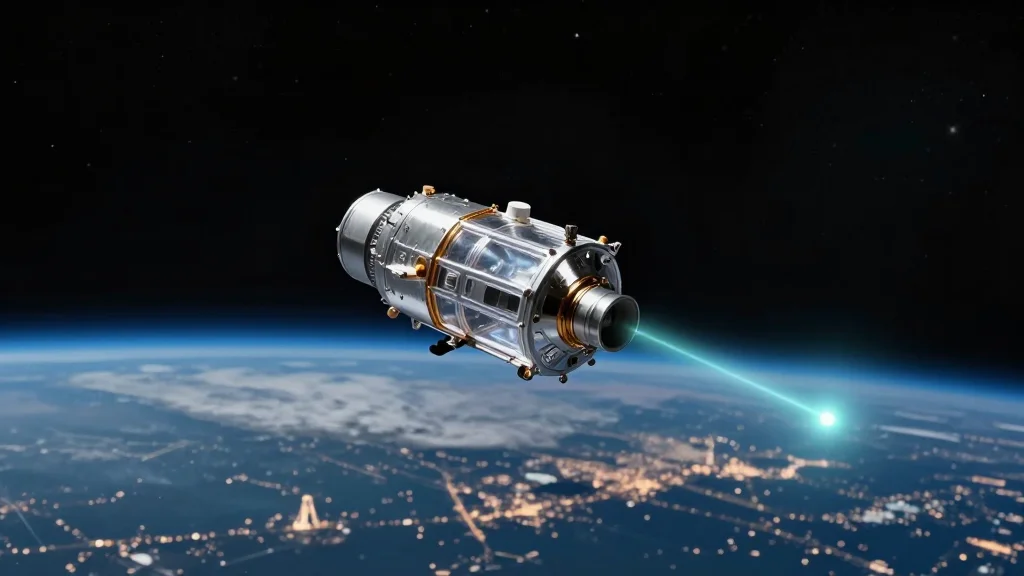
CanarySat CEO Antonio Abad Outlines the Sovereign, Secure Approach Behind the Magec Constellation
CanarySat, backed by Spain’s Arquimea, unveiled its Magec constellation – a planned 264‑satellite Ka‑band LEO network aimed at sovereign, secure communications for governments, critical infrastructure and essential enterprises. The company, less than a year old, leverages five years of design...

Jeremy Hansen, an Artemis II Astronaut, Is the First Canadian on a Crewed Moon Mission
Jeremy Hansen has been named a mission specialist for NASA’s Artemis II, making him the first Canadian astronaut to travel around the Moon. Artemis II is the agency’s inaugural crewed flight beyond low‑Earth orbit since Apollo, using the Orion capsule and Space...
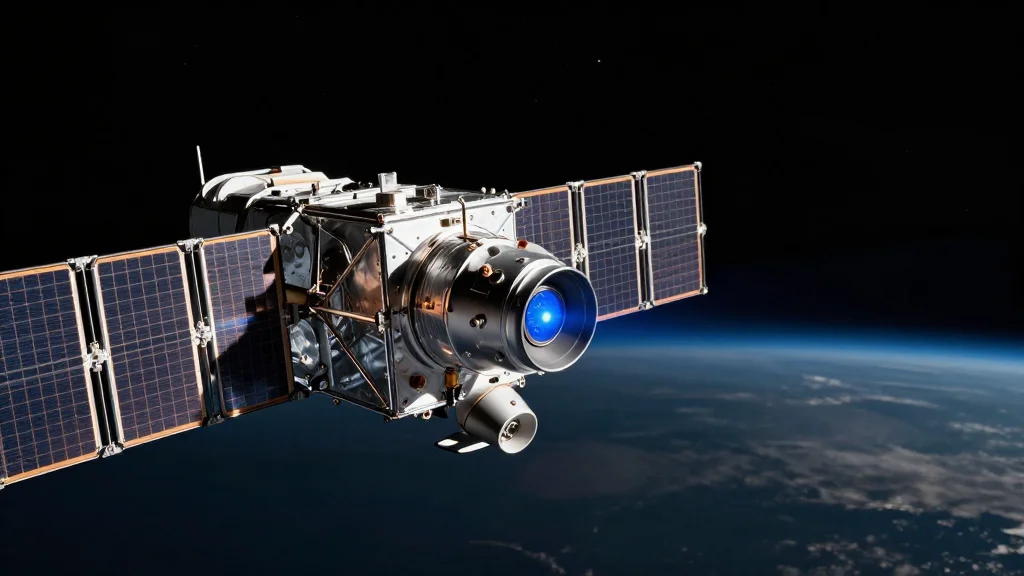
FedDev Ontario Injects $7M Into Kepler’s High-Speed Satellite Constellation
Toronto‑based Kepler Communications received a $7 million CAD (≈$5.2 million USD) investment from FedDev Ontario to advance its next‑generation optical data‑relay satellite constellation. The funding supports engineering work on Tranche 1, which already placed ten low‑Earth‑orbit satellites into service in January. The grant...

Live in the Booth: Arianespace CEO David Cavaillolès Previews Ariane 6 Ramp-Up
Arianespace is accelerating its Ariane 6 launch cadence, with the next mission slated for April 28 following a successful February flight for its biggest customer, Amazon. CEO David Cavaillolès highlighted the massive coordination effort involving roughly 600 European companies to keep the...

NASA Taps SFL Missions to Build Eight Satellites for Solar Wind Study
Toronto‑based SFL Missions Inc. has secured a NASA contract to build eight 150‑kilogram “Node” satellites for the HelioSwarm science mission. The Nodes will ride on a larger Hub spacecraft before deploying into coordinated formations in high‑Earth orbit. Built on SFL’s...

Teledyne Forms Dedicated Space Unit to Capture Rising Demand
Teledyne Technologies is launching a dedicated business unit called Teledyne Space, consolidating its imaging, electronics, and component operations to meet rising demand for satellite‑based sensing. The new sector merges detectors, microwave devices, optoelectronics, and radiation‑tolerant semiconductors under one umbrella. It...

Who Is Reid Wiseman, Commander of the Artemis II Moon Mission?
Reid Wiseman, a 50‑year‑old former naval fighter pilot, will command NASA’s Artemis II mission, the agency’s first crewed flight to the Moon since 1972. Selected as an astronaut in 2009, Wiseman has logged extensive flight time, combat deployments, and two spacewalks...
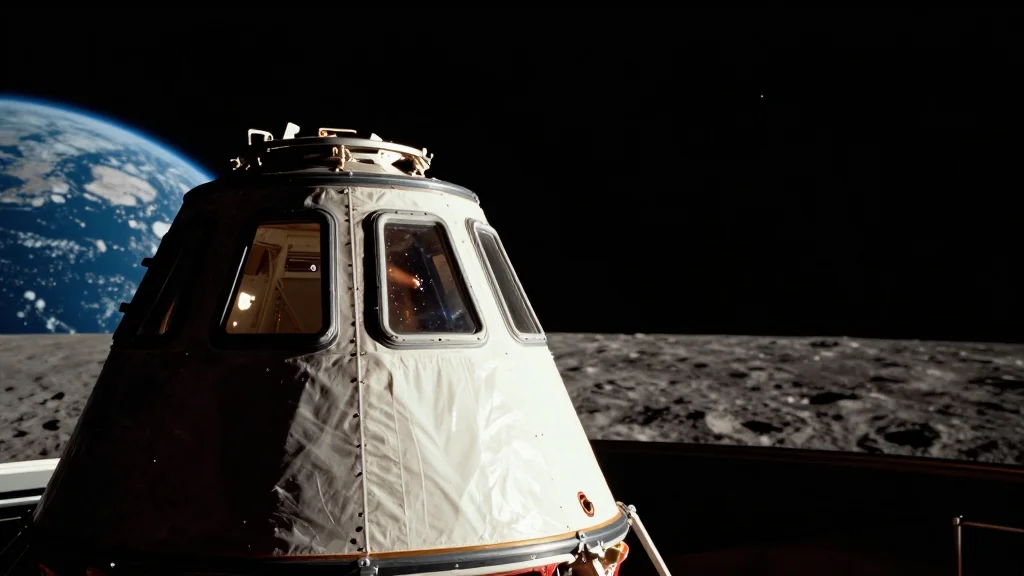
NASA Artemis II Moon Mission Live Launch Broadcast
NASA launched Artemis II, its first crewed flight under the Artemis program, from Kennedy Space Center at 1 p.m. today. The four‑person crew—Reid Wiseman, Victor Glover, Christina Koch and Canadian astronaut Jeremy Hansen—will spend roughly ten days circling the Moon. The mission’s...

Who Owns the Moon’s Water? The Coming Legal War Over Lunar Resource Extraction Rights
The Moon’s south‑pole water ice is emerging as the first truly valuable commercial resource, promising a propellant depot that could slash deep‑space mission costs. While the 1967 Outer Space Treaty bars sovereignty claims, it remains silent on extraction, prompting a...

How Successful Space Businesses Identify Risk and Strengthen Resilience
Successful space firms now treat risk as a test of corporate survival, prioritizing cash generation, customer concentration, and balance‑sheet discipline over pure launch‑failure scenarios. Rocket Lab posted record $602 million revenue and a $1.85 billion backlog for 2025, while Planet reported $307.7 million...
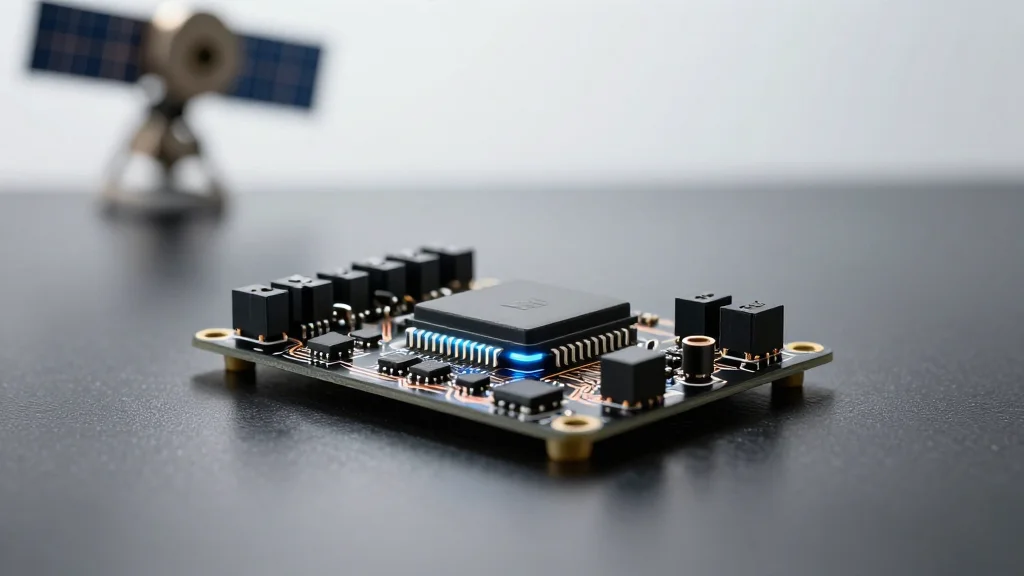
EPC Space Adds EPC7C010 and EPC7C011 Half-Bridge Buck Platforms for High-Rel and Rad-Hard Applications
EPC Space announced two new half‑bridge buck evaluation boards, the EPC7C010 (100 V/20 A) and EPC7C011 (200 V/10 A), built around radiation‑hardened eGaN HEMTs and isolated gate drivers. Both platforms are optimized for 350 kHz operation but can run from 50 kHz to 1.5 MHz, delivering peak...
From Apollo to Artemis, and Then Beyond
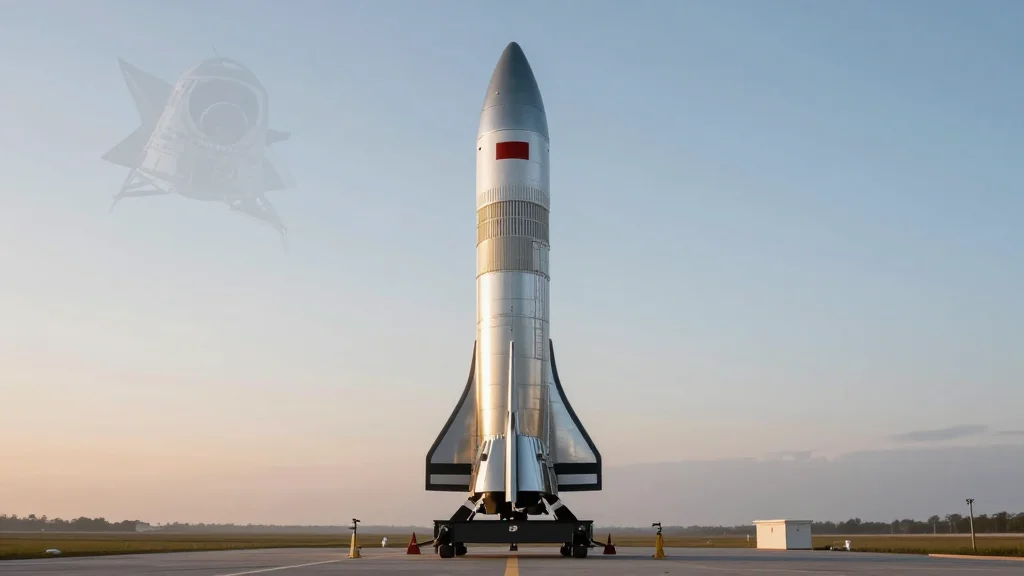
The Apollo program not only secured the 1960s Space Race but also acted as a catalyst for the nascent digital industry, absorbing roughly 60% of the decade’s microchip output. Its cultural resonance inspired generations of engineers and programmers, embedding technology...

Saltzman: Space ‘Baked Into’ Modern Combat Operations
U.S. Space Force chief Gen. Chance Saltzman said the service is now "baked in" to modern combat, supplying missile‑warning, satellite communications and electronic‑warfare capabilities that underpin joint operations from Iran to Venezuela. He highlighted the force’s role in the February...
Nickel-Rich Rocks Discovered by Perseverance Hint at Complex Chemistry on Early Mars
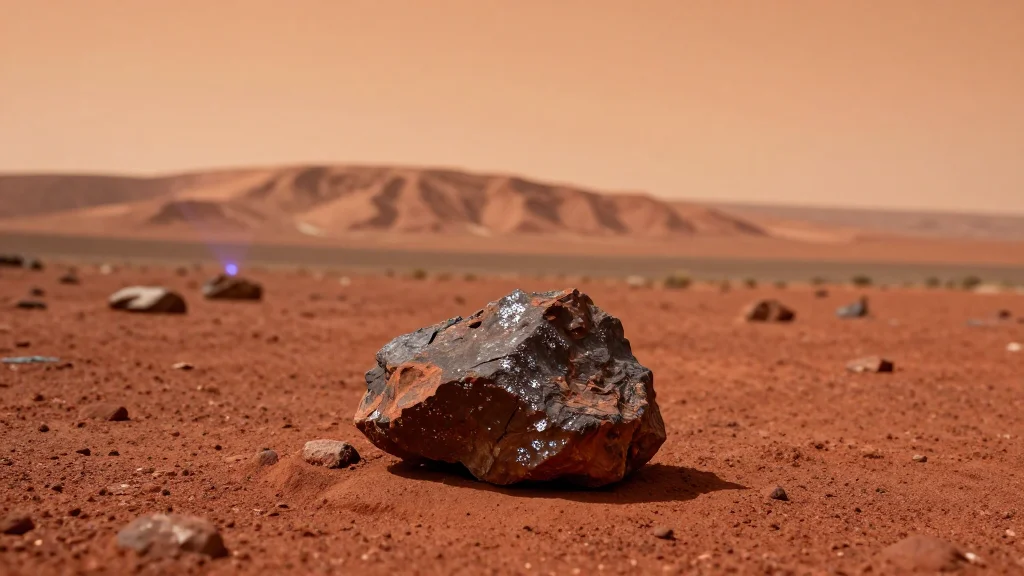
Perseverance’s instruments detected unusually high nickel concentrations—up to 1.1 % by weight—in 32 sedimentary rocks within Neretva Vallis, the ancient river channel feeding Jezero crater. The nickel is tightly associated with iron‑sulfide minerals and sulfate phases such as jarosite and akaganeite,...
Aspect Aerospace Raises $2.4M To Develop Single-Board Satellites for Space-Based Environmental Monitoring
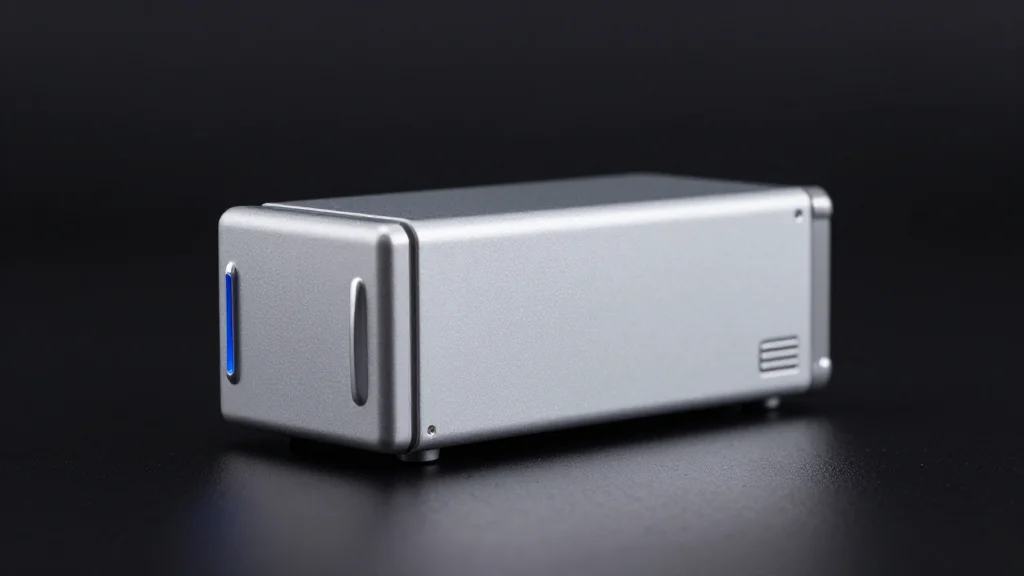
Aspect Aerospace announced two financing milestones: a $1.9 million Direct‑to‑Phase II SBIR award from the U.S. Space Force and a $500 000 pre‑seed investment from its incubator SOSV, totaling $2.4 million. The company’s Single‑Board Satellite (SBS) platform packs up to 100 miniature satellites onto...

TOP 5 Most Notable US Rocket Launch Sites with Long Histories
The United States now operates a mixed network of government‑run and privately‑licensed launch sites, with twelve commercial spaceports complementing four federal facilities. Vandenberg Space Force Base tops the list with over 700 launches since 1959, while Cape Canaveral Air Force...

FCC Seeks Comment on Expanding Spectrum Access for “Weird Space Stuff”
On March 31, 2026 the FCC issued a Notice of Proposed Rulemaking to broaden spectrum access for emerging commercial space activities such as in‑space servicing, lunar missions, and private orbital labs. The proposal targets the 2320‑2345 MHz band and formalizes piggyback...
What It Takes to Keep Astronauts Safe in Deep Space
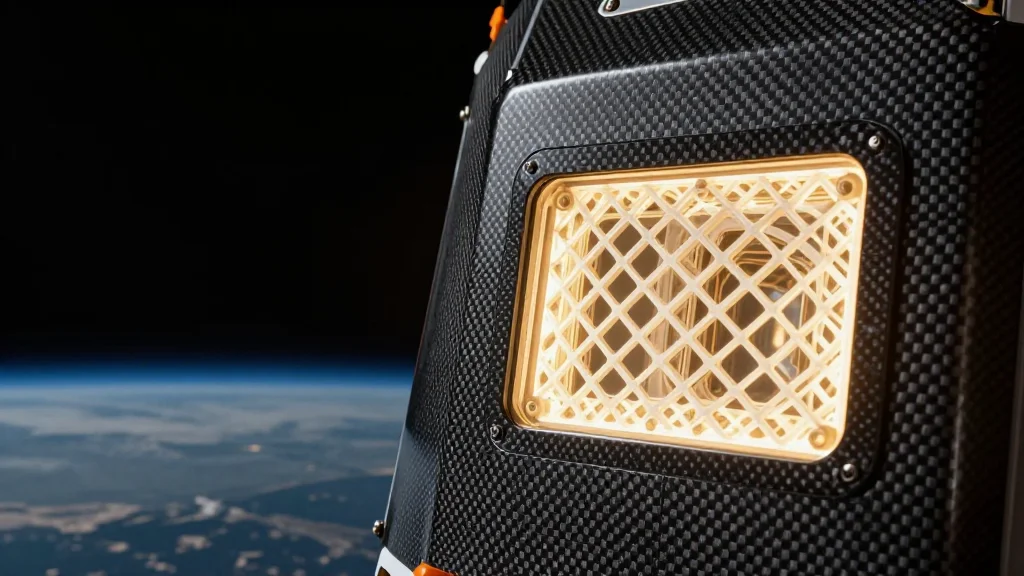
NASA’s Artemis II mission will launch this week, sending four astronauts on a ten‑day lunar flyby to validate deep‑space life‑support and hardware. Materials scientist Debbie Senesky explains that the mission relies on advanced composites, carbon‑fiber structures, and emerging 3‑D‑printed parts to...

How to Watch NASA’s Artemis II Moon Launch Online
NASA’s Artemis II mission, the first crewed lunar flyby in more than five decades, is slated for launch on Wednesday evening, April 1, 2026. The flight will circle the Moon before returning to Earth, marking a pivotal step toward a permanent lunar presence....
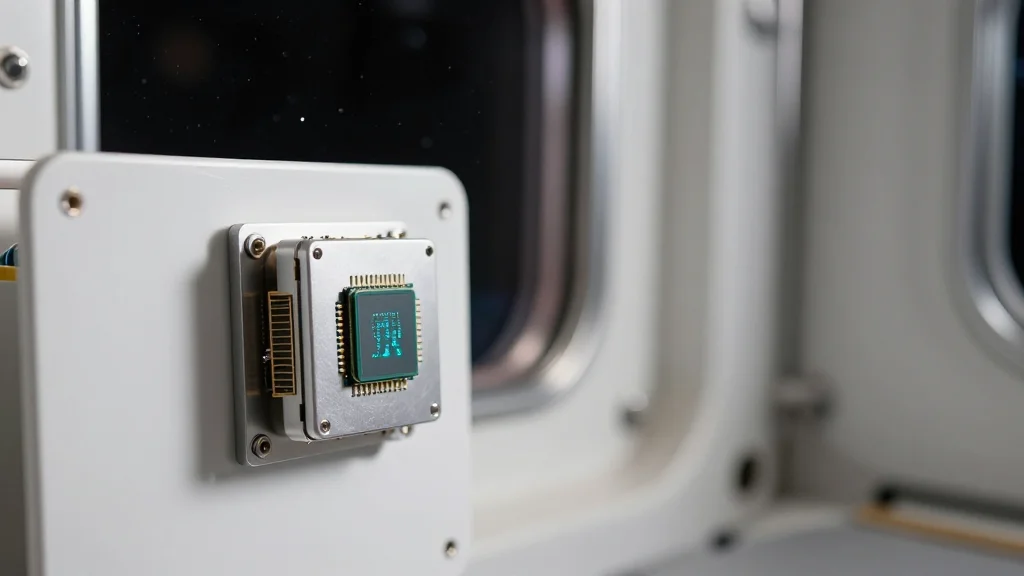
CERN Timepix Chips Fly to the Moon
Artemis II launched with six CERN‑developed Timepix chips integrated into NASA’s Hybrid Electronic Radiation Assessor (HERA) system. The detectors will monitor real‑time radiation composition, intensity, and energy as the crew passes through the Van Allen belts and encounters galactic cosmic rays....
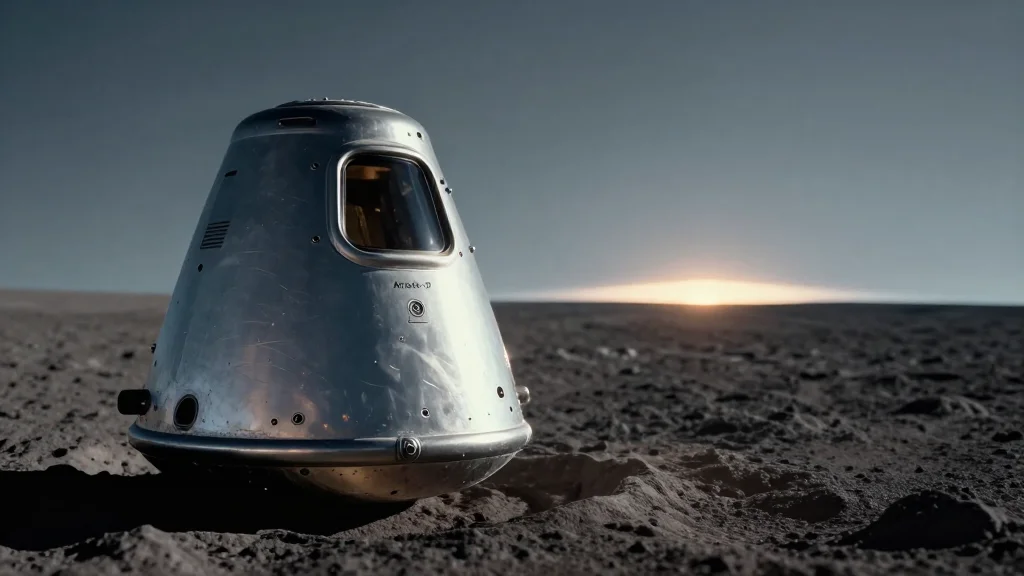
AIAA Anticipates Artemis II Launch with Collection of Technical Papers
AIAA announced a complimentary collection of technical papers tied to NASA’s Artemis II mission, drawing from the Journal of Spacecraft and Rockets and AIAA SciTech Forum papers published between 2024 and 2026. The papers are hosted on AIAA’s Aerospace Research Central...
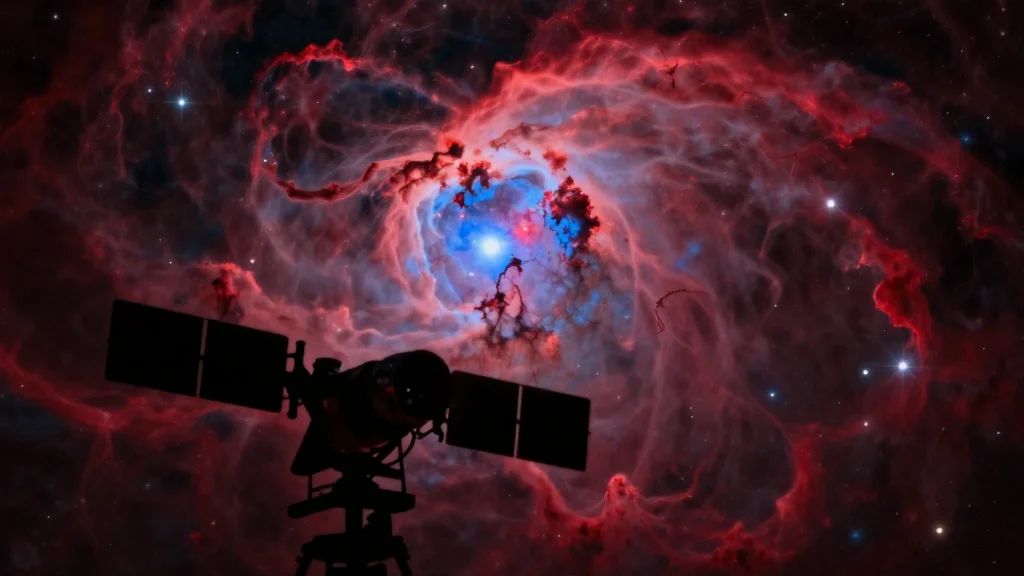
Researchers Use JWST to Reveal Hidden Details of W51 Star Formation
Astronomers using the James Webb Space Telescope have obtained unprecedented infrared images of the W51 star‑forming complex, exposing dense cores and massive protostars previously hidden by dust. The observations include high‑resolution spectroscopy that maps gas outflows, shock fronts, and chemical...
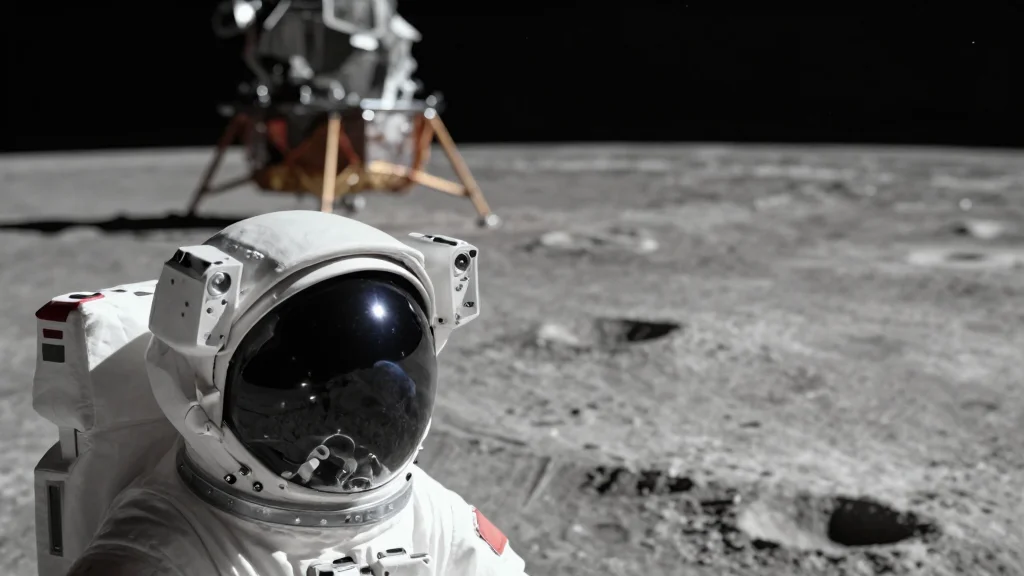
April-June 2026 Issue of Aerospace America Now Live
The April‑June 2026 issue of Aerospace America is now live, featuring the cover story “The New Space Race” by Leonard David and associate editor Cat Hofacker. The article examines the United States’ renewed push to land astronauts on the Moon, a goal...

Avi Rosenthal: A Risky Tradeoff in the Race for GPS Backup
U.S. regulators are reviewing NextNav’s proposal to repurpose the lower 900 MHz band for high‑power terrestrial PNT services, a move that would displace billions of low‑power, unlicensed IoT devices. Industry groups warn that even intermittent interference could degrade or disable life‑safety...

We’re Creating a New Satellite Imagery Map to Help Protect Brazil’s Forests.
Google has partnered with Brazil’s government to produce the nation’s first high‑resolution satellite imagery map of its 2008 forest landscape. By processing thousands of historic images and removing clouds, the map delivers detail up to six times finer than previous...

Exclusive: In-Orbit Manufacturing Startup Dispatch Emerges From Stealth
Dispatch, a Y Combinator‑backed startup, emerged from stealth with $500,000 seed funding to develop an uncrewed orbital manufacturing station. The company will use in‑house designed, single‑use reentry vehicles to ferry payloads, starting with a 30 kg test flight in 2027 and...

Virgin Galactic Reopens Ticket Sales with Out-of-This-World Price Hikes
Virgin Galactic has reopened suborbital ticket sales, raising the price to $750,000 per seat from $600,000 in 2023. The company plans to launch commercial flights in Q4 2026 after completing flight‑test milestones for its new Delta‑Class spacecraft. CEO Michael Colglazier said...

Antaris Raises $28M Series A
Antaris announced a $28 million Series A round led by WestWave Capital, with participation from Lockheed Martin Ventures and other investors. The capital will accelerate development of its AI‑powered Antaris Intelligence platform, especially the TrueTwin digital‑twin tool that simulates satellite operations before...

A New Kind of Geosynchronous Orbit
The article introduces On‑Earth Orbit (OEO), a proposed satellite architecture that operates at ground level while remaining geosynchronous, promising near‑zero latency for internet services. By staying close to users, OEO eliminates the 300 ms lag typical of GEO and avoids the...