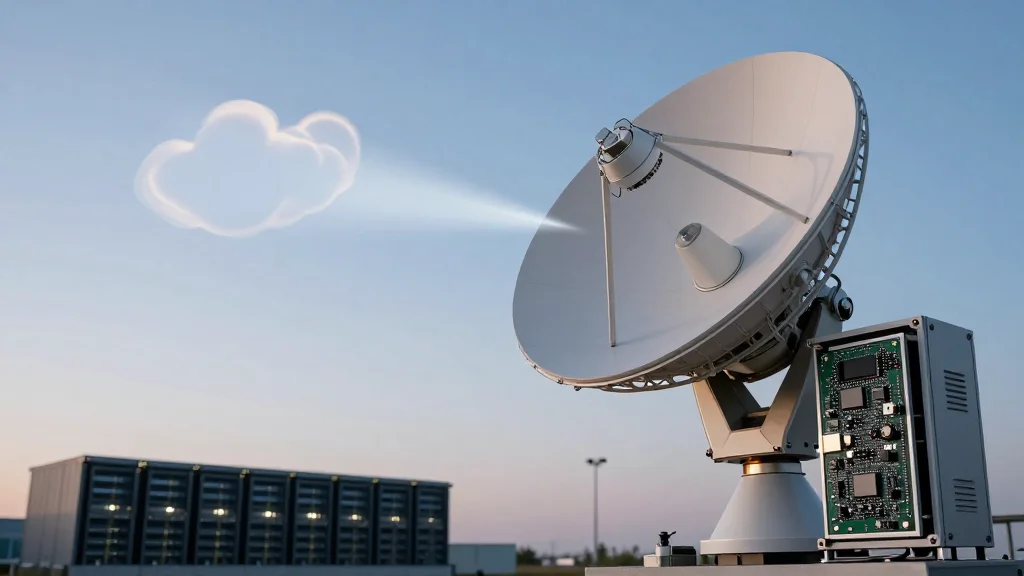
WAVE Achieves First Cloud-to-Gateway Satcom Virtualization with AI Signal Analysis
Members of the IEEE‑backed WAVE Consortium—AWS, Gilat Defense, and SES Space & Defense—demonstrated the first standardized cloud‑to‑gateway satellite communications virtualization using FPGA acceleration. A 10 Mbps video stream was transmitted through a DVBS‑2X modem, digitized at an SES gateway, and processed in the AWS cloud where generative AI provided real‑time human‑language analysis of RF anomalies in under 100 ms. The demo also introduced WAVE Specification 1.0 and showcased two‑way traffic via virtual modems, laying groundwork for multi‑tenant, standards‑based gateway architectures. The consortium estimates a commercial product could emerge within the next 9‑12 months.
Live in the Booth: AST SpaceMobile President Scott Wisniewski Talks Spectrum Strategy and Defense Potential
AST SpaceMobile President and Chief Strategy Officer Scott Wisniewski highlighted the recent launch of the BlueBird 6 satellite, a new agreement with European carrier Orange, and the company’s evolving spectrum strategy. He announced that AST secured its first Space Development Agency...
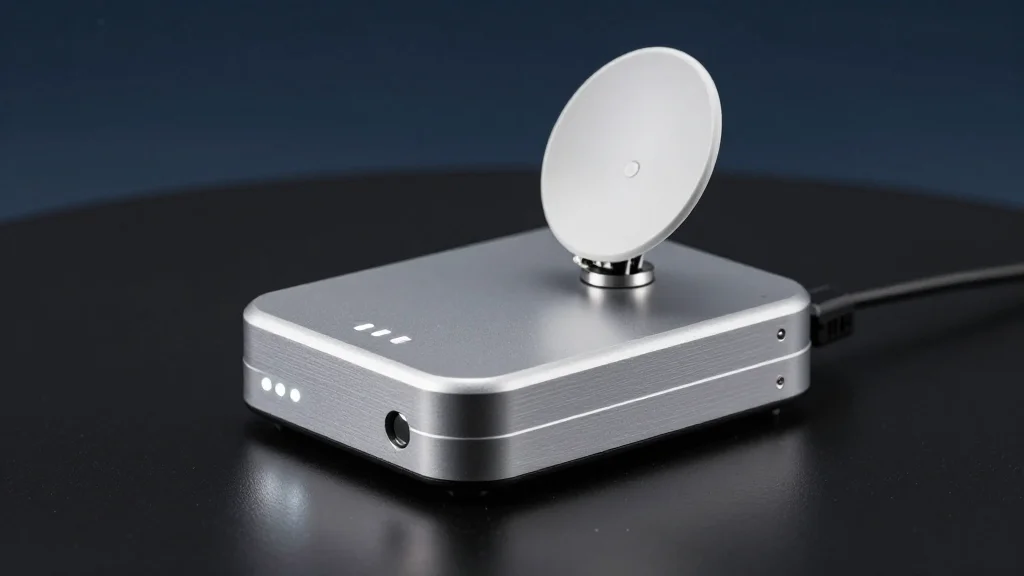
SpaceBridge Launches UniHub as Streamlined VSAT Platform
SpaceBridge unveiled UniHub, a compact all‑in‑one VSAT hub that consolidates SDR multichannel modulation, burst demodulation for up to 800 carriers, network communication center functions, QoS, and advanced waveforms like TDMA and dSCPC. The platform promises reduced footprint, lower SWaP, and...

Varda Flies Navigation Payload, Heat Shield Tests on Sixth Reentry Mission
Varda Space Industries launched its sixth re‑entry capsule, W‑6, aboard SpaceX’s Transporter‑16 rideshare from Vandenberg on March 30. The mission carries U.S. defense‑funded experiments, notably Rhea Space Activity’s autonomous navigation system that uses onboard cameras and the AutoNav algorithm to determine...

Heading to Florida for NASA's Artemis 2 Moon Launch? Here's What to Know Before You Go
NASA plans to launch the crewed Artemis 2 mission from Kennedy Space Center between April 1 and April 6, 2026. Cell‑phone data shows the previous Artemis 1 launch attracted 150,000‑200,000 visitors, and tourism officials expect a comparable crowd. Overnight guests typically spend about $350...

Dominican Republic Finds Itself In The Middle Of The US-China Space Race
Launch on Demand, a Florida‑based firm, is preparing a $600 million rocket launch complex in Pedernales, Dominican Republic. The site’s equatorial location promises more efficient heavy‑lift launches for U.S. satellites, while also serving as a geopolitical counterweight to China’s expanding space...
Another Rocket Startup in India Hopes to Launch From Its Own Spaceport
Bharath Space Vehicle (BSV), an Indian rocket startup founded by former ISRO engineers, is developing the liquid‑fueled Agasthya‑1 small‑sat launch vehicle. The company has submitted a proposal for a private spaceport near Kodinar in Gujarat, a coastal site offering open...

China’s Kinetica-2 Rocket Debuts Successfully, Sending Prototype Cargo Spacecraft to Orbit
Chinese commercial launch firm CAS Space successfully lifted its new Kinetica‑2 rocket into orbit on March 30, delivering a prototype cargo spacecraft and two other payloads. The 53‑meter vehicle can carry up to 12 tonnes to low‑Earth orbit and features a modular...

AAC Clyde Space Expands Orbital Presence with Transporter-16 Launch
On March 30, 2026 SpaceX’s Transporter‑16 rideshare launched 119 payloads, including seven satellites from Swedish‑based AAC Clyde Space. The flight introduced the first two VIREON‑1 and VIREON‑2 Earth‑observation cubesats, delivering 1.5‑meter multispectral imagery for agriculture and forestry. AAC also flew...

Indra Showcases Sovereign Space and Defense Technologies at FIDAE 2026
Indra will showcase its sovereign space and defense technologies at FIDAE 2026 in Santiago, Chile, from April 7‑12. The company will deploy its Crow counter‑drone system to protect the air base and attendees, and highlight the Vorax low‑Earth‑orbit satellite for independent...

WISeSat.Space Expands IoT Constellation with 21st Satellite Launch via SpaceX
On March 30, 2026, WISeSat.Space, the satellite arm of WISeKey International, placed its 21st picosatellite into low‑Earth orbit aboard a SpaceX Falcon 9 rideshare. The satellite extends the company’s secure IoT constellation, which embeds WISeKey’s proprietary Root‑of‑Trust cryptography to protect data...

Satellite 2026 – NTN and Flat Panel Arrays
Satellite 2026, the industry’s largest gathering in Washington, D.C., highlighted non‑terrestrial networks (NTN) and flat‑panel arrays as the year’s hot topics. Major announcements included Airbus Defence and Space teaming with Greenerwave to deliver low‑power, multi‑orbit flat‑panel antennas, and Kymeta unveiling the...

York Space Systems Secures PExT Mission Extension Through 2027 Following BARD Success
York Space Systems announced that NASA and Johns Hopkins Applied Physics Laboratory have extended the Polylingual Experimental Terminal (PExT) mission through 2027 after the BARD mission met all primary objectives. The PExT payload, hosted on a York S-CLASS bus, demonstrated...
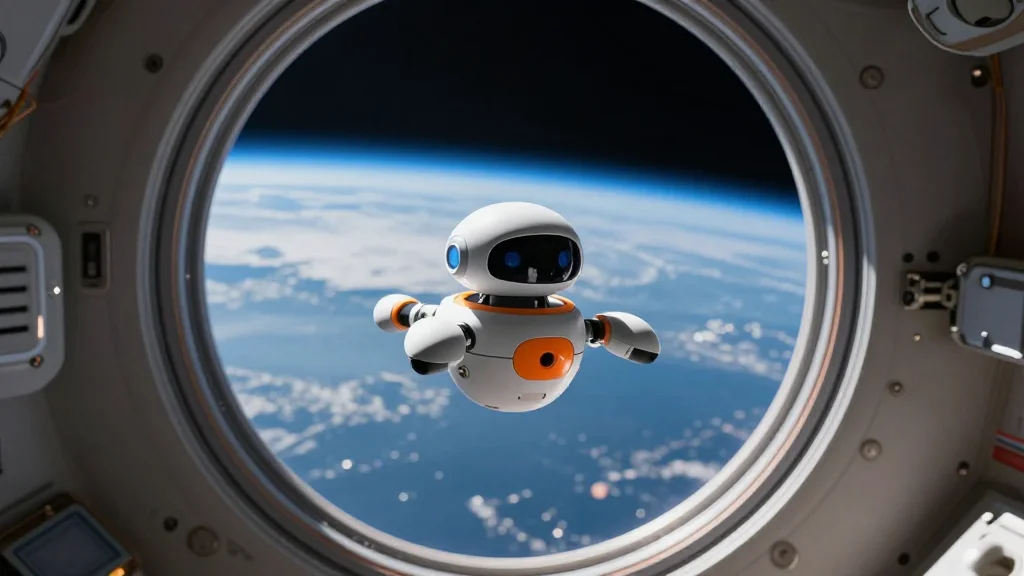
Voyager Awarded Contract with Icarus Robotics
Voyager Technologies announced a mission‑management contract with Icarus Robotics to fly the free‑flying Joyride robot on the International Space Station. The agreement covers payload integration, safety certification, launch coordination, on‑orbit operations planning and real‑time execution support. Voyager leverages its heritage...
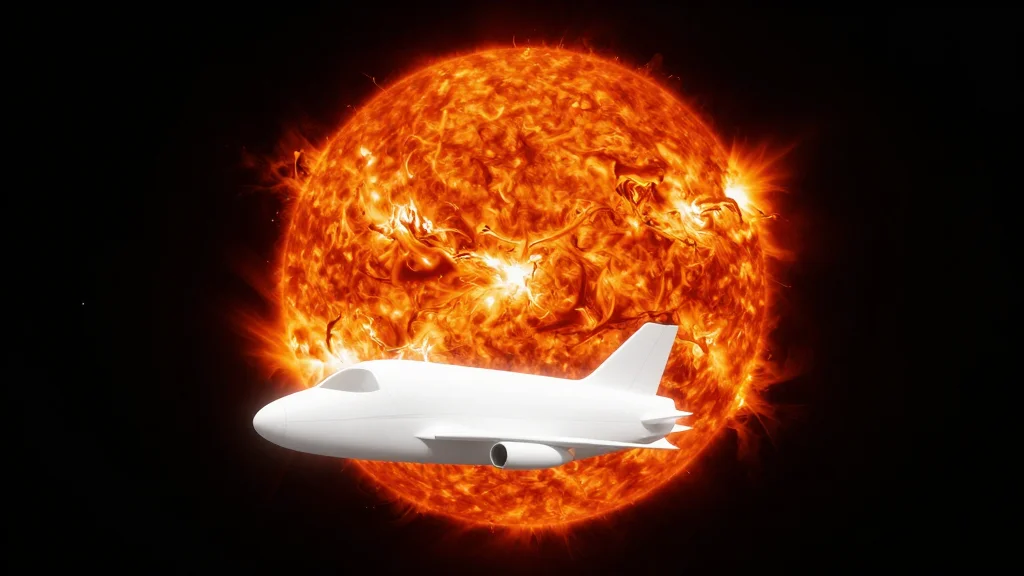
Artemis II: Space Weather Forecasting, Monitoring the Sun’s Hazardous Conniptions
NASA’s Artemis II mission will carry astronauts beyond Earth’s magnetic shield on a ten‑day lunar flyby, the first human deep‑space flight since Apollo. A powerful solar flare captured by the Solar Dynamics Observatory on October 3, 2024 underscores the threat of space‑weather events....

Starcloud Raises $170M Series A at $1.1B Valuation
Starcloud, a Redmond‑based orbital data‑center startup, closed a $170 million Series A round that values the company at $1.1 billion. The financing, led by Benchmark and EQT Ventures with participation from institutional and angel investors, follows the successful November launch of Starcloud‑1, which...
From Advantage to Arena: Space Power 1991-2026
On February 28, 2026, the United States launched Operation Epic Fury with space and cyber forces disabling Iran’s sensors and communications before any aircraft entered Iranian airspace, marking the first conflict where space opened the campaign. The operation highlighted four...
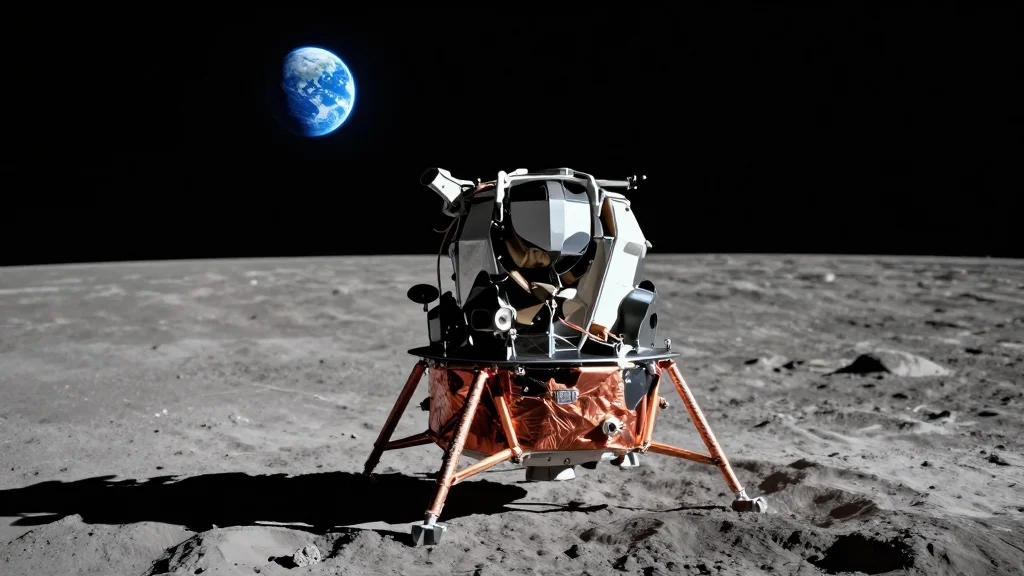
Artemis 2, Project Hail Mary, and the Risks and Benefits of Human Spaceflight
Artemis II is set to launch in early April, sending four astronauts on a lunar flyby that will test systems for a planned 2028 Moon base. The mission coincides with the release of the sci‑fi film *Project Hail Mary*, highlighting public fascination...
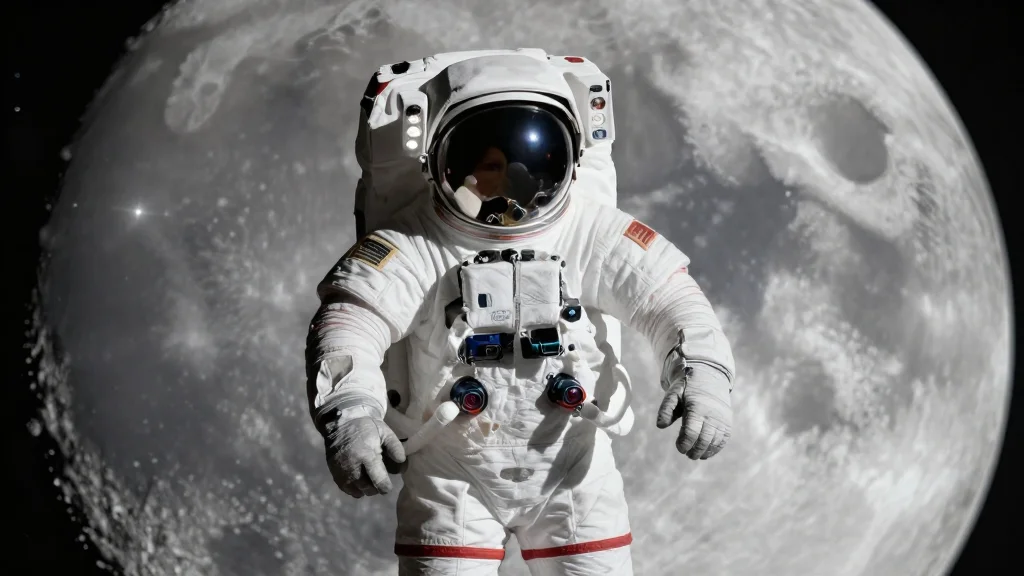
A SoCal Native Is Set to Pilot NASA’s Lunar Mission — and Become the First Black Person to Reach the...
NASA’s Artemis II mission, slated for launch in early 2026, will send a crew on a lunar flyby—the first human trip around the Moon in half a century. Victor Glover, a Southern California native and veteran Navy test pilot, will serve...

Why the Lack of Water on Mars Is so Mysterious
Planetary scientists have long agreed that Mars once hosted extensive liquid water and a thick, water‑rich atmosphere. A new comprehensive accounting of water inputs and losses reveals a major discrepancy: the expected ocean depth of 150–250 m at the end of...

Tech Life
The BBC is launching a daily space podcast series, "13 Minutes Presents: Artemis II," beginning Monday, March 30 2026. The show will chronicle NASA’s Artemis II mission, which plans to send four astronauts on a lunar flyby—the first human return to the Moon in...
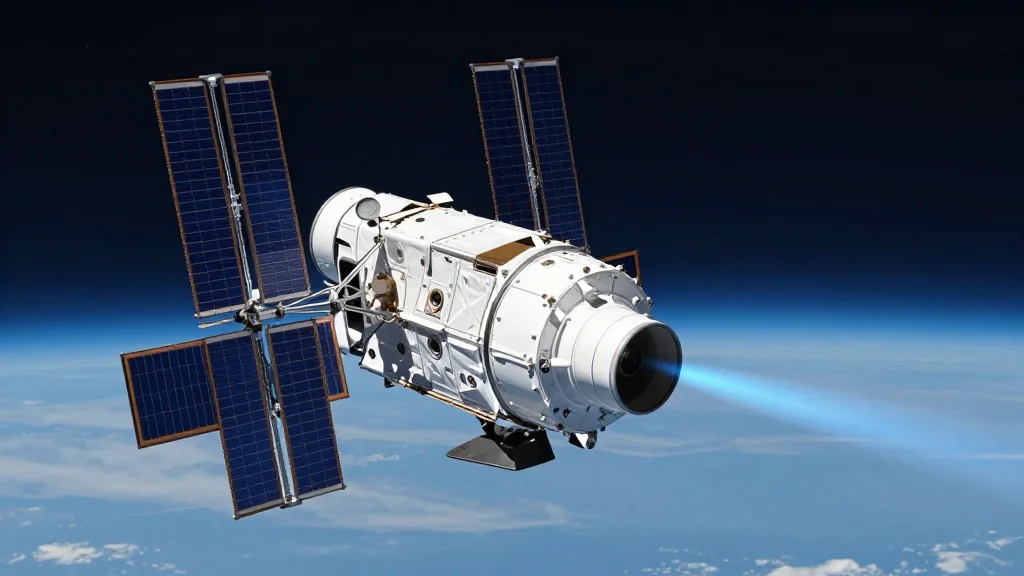
Telecom News: SES, K2 Space, Satellite Communication to Samsung Galaxy Smartphones
SES partnered with K2 Space to build the meoSphere medium‑Earth‑orbit satellite network, planning 28 high‑power satellites for launch by 2030. The constellation will use software‑defined payloads to deliver faster, lower‑latency connectivity for government, mobility and telecom customers. Meanwhile, India warned...

Haven-1 and the Commercial Space Station Investment Case: What Nikon’s Bet on Vast Tells Us
Vast, the commercial‑space‑station developer, closed a $500 million financing round in March 2026 led by Balerion Space Ventures, bringing total investment in its Haven program to over $1 billion and adding industrial backers such as Nikon, Qatar Investment Authority, Mitsui and MUFG. The...

The Dual-Use SAR Market: How Companies Like ICEYE Are Selling the Same Constellation to Governments and Insurers
ICEYE is targeting more than €1 billion (≈$1.1 billion) in revenue for 2026, buoyed by a €1.76 billion (≈$1.9 billion) German Bundeswehr contract and a €1.5 billion (≈$1.6 billion) backlog. The company’s dual‑use synthetic‑aperture‑radar (SAR) constellation serves high‑margin defense customers while monetising excess capacity in insurance,...

Rocket Lab’s Neutron and the Medium-Lift Market Opening
Rocket Lab announced that its medium‑lift Neutron rocket will attempt its inaugural flight no earlier than the fourth quarter of 2026 from Launch Complex 3 at Wallops Island, delivering up to 13,000 kg to low‑Earth orbit in a reusable configuration. The vehicle’s...

AI as Mission Control: How Autonomous Satellite Operations Are Changing the Ground Segment
AI‑driven automation is reshaping satellite ground segments, making large LEO constellations economically viable. SpaceX operates over 10,000 Starlink satellites with a tiny ops staff, a feat enabled by autonomous health monitoring, collision avoidance and tasking tools. Software‑defined platforms from Leanspace,...
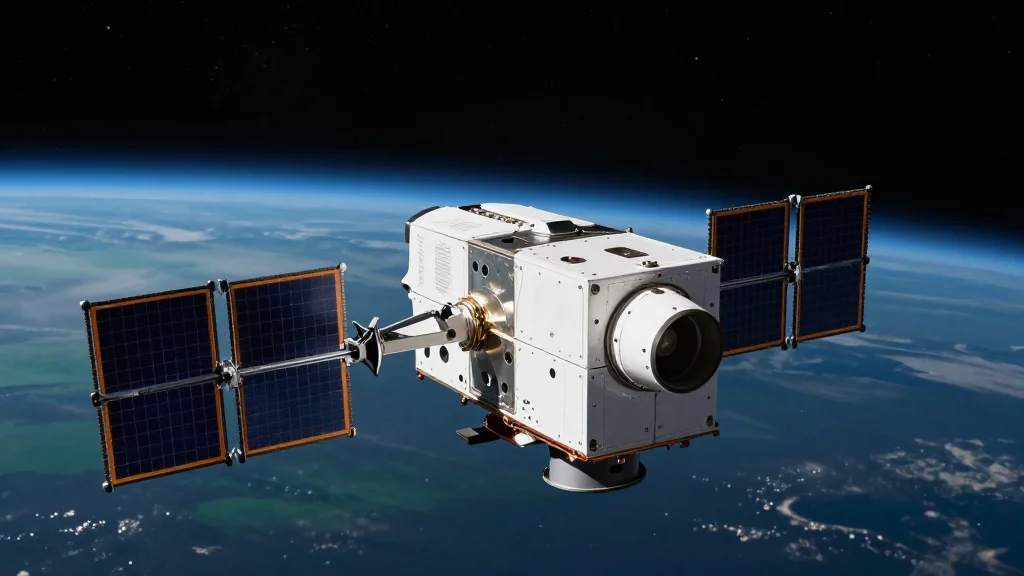
Consortium Led by Axelspace Selected for Japan’s Space Strategy Fund Project “Technology to Enhance Capability of Next Generation Earth Observation...
Axelspace Corporation, together with Meisei Electric, ANA Holdings, and JIJ Inc., has been selected by JAXA for its Space Strategy Fund project focused on technology to enhance next‑generation Earth observation satellites. The consortium will develop advanced imaging, data processing, and...

Satellite Imaging Industry’s Next Challenge: Getting Systems to Talk to Each Other
Commercial Earth‑observation constellations are delivering optical, radar and RF data at unprecedented rates, prompting defense agencies to seek fused, decision‑ready intelligence. While processing can now occur almost instantly, the real challenge is tasking—coordinating multiple sensors to capture complementary views of...

Can Hong Kong Hitch a Ride on China’s Commercial Aerospace Wave?
China’s 15th Five‑Year Plan elevates commercial aerospace to a core strategic pillar, linking satellites, AI, quantum and 6G technologies. The plan signals a national push for a low‑altitude economy and expects private firms like ADA Space to expand AI‑enabled satellite...

NASA Science and Engineering Projects Going Up In SpaceX’s Transporter 16 Launch
On March 30, SpaceX will launch the Transporter 16 rideshare mission from Vandenberg, carrying a suite of NASA CubeSats and technology demonstrators. The payloads include AEPEX for monitoring high‑energy particle precipitation, TechEdSat23 testing radiation shielding and rapid deorbiting, and R5‑S10...

TESS Discovers an Earth-Sized Planet Orbiting Nearby M-Dwarf Star
NASA's TESS has identified a new Earth‑sized exoplanet, TOI‑4616b, orbiting a nearby M4 dwarf 91.8 light‑years from Earth. The planet measures about 1.22 times Earth’s radius and 1.5‑3 times its mass, completing a 1.55‑day orbit with an equilibrium temperature near 525 K. Its...
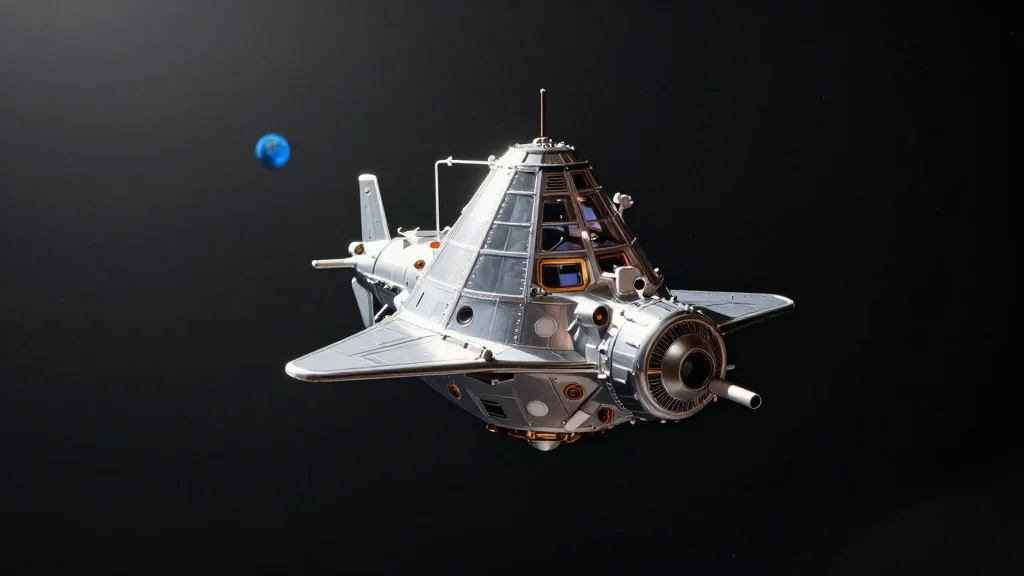
Voyager 1 Runs on 69 KB of Memory and an 8-Track Tape Recorder
Voyager 1, now over 15 billion miles from Earth and traveling 38,000 mph, remains the most distant human‑made object after 48 years in space. It operates on a modest 69 KB of memory and an 8‑track digital tape recorder, transmitting data at just 160 bits per...

In Pictures: The Changing Shape of Mission Control
NASA’s mission control has transformed from the modest Mercury Control Center in 1960s Florida to the high‑tech Artemis operations hub in Houston. Each era—Mercury, Gemini, Apollo, Shuttle, and now Orion—introduced new consoles, digital displays, and computing power while preserving the...

'An Incredible Privilege and Responsibility': Artemis 2's Christina Koch Is Ready to Become the 1st Woman to Fly Around the...
Artemis 2, NASA’s first crewed mission beyond low‑Earth orbit, is slated for launch no earlier than April 1, 2026. The four‑person crew—including Christina Koch, who will become the first woman to travel beyond LEO—will spend ten days testing Orion in Earth orbit before...
How Australia Is Supporting NASA's First Moon Flight in 50 Years
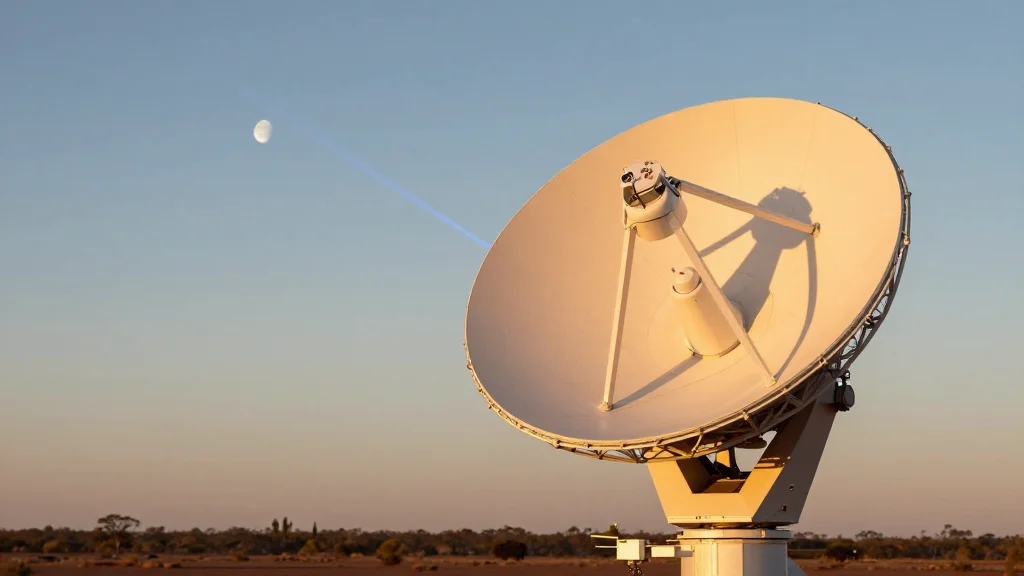
Australia will underpin NASA’s Artemis II mission, scheduled for 1 April, by providing critical communications and tracking support. The Canberra Deep Space Communication Complex, managed by CSIRO, will handle roughly 95% of the mission’s data links alongside stations in the United States...

Researchers Turn Ocean Dead Zones Into Talking Skies for Pilots
European researchers in the EU‑funded ECHOES programme have proved that space‑based very high frequency (VHF) radio can deliver real‑time voice and data links to aircraft over oceanic airspace. Two low‑Earth‑orbit satellites, weighing 35 kg and 100 kg, relayed standard VHF signals, enabling...

Starfish Space Finds a New Partner for Docking Demonstration Mission
Starfish Space announced that its Otter Pup 2 docking demonstration will target a new, still‑undisclosed partner after D‑Orbit withdrew in late 2025. The spacecraft, launched in June 2025, uses an electrostatic capture system to attach to flat surfaces on satellites lacking a...
SA Asks: What's the Most Attractive Space Stock Right Now?
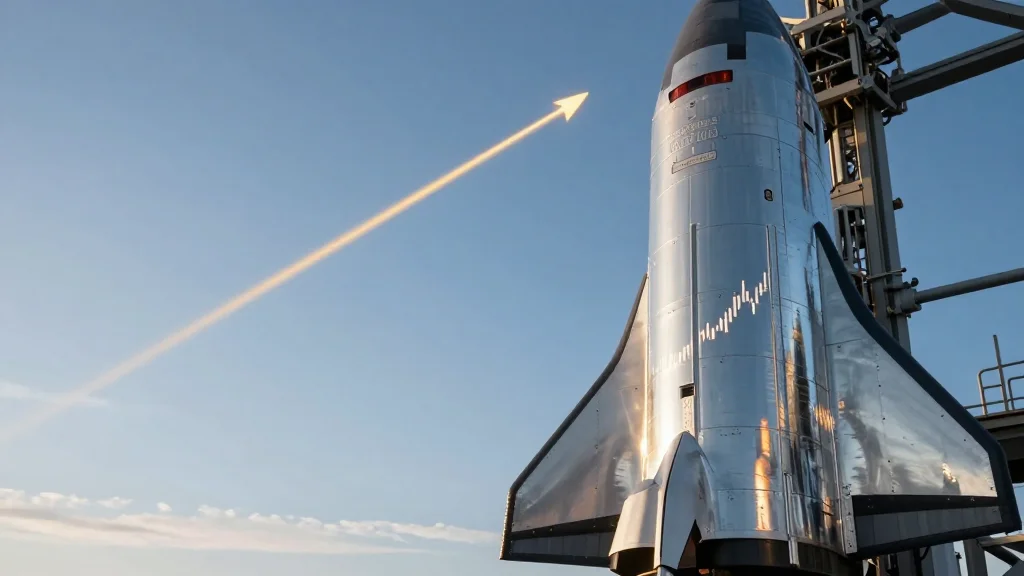
Elon Musk’s SpaceX is preparing what could become the largest IPO in history, prompting investors to look for alternative space equities. Seeking Alpha analysts Oakoff Investments and Michael Del Monte highlight Rocket Lab (RKLB) and Firefly Aerospace (FLY) as the most attractive...

Who Cares About a Canadian on Artemis II? Asked by a Canadian…
Canada will see astronaut Jeremy Hansen fly on NASA's Artemis II lunar flyby in early April 2026, marking the first Canadian to orbit the Moon. The seat was secured through a barter tied to the Canadarm 3 contribution for the Lunar Gateway,...
Giant Craters May Reveal if Psyche Is a Lost Planetary Core
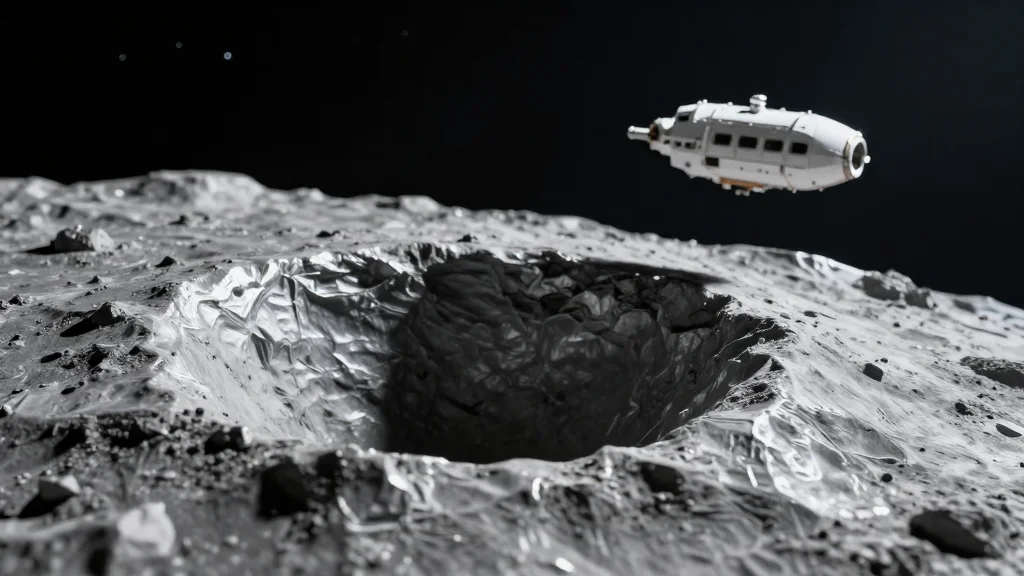
Scientists used 3‑D impact simulations to probe the interior of metal‑rich asteroid 16 Psyche, focusing on a large north‑polar basin. The models tested homogeneous versus layered structures and varied porosity, revealing that internal void space strongly shapes crater depth‑diameter ratios. Results...

Celeste’s First Satellites Launched to Explore LEO-Based Satellite Navigation
On 28 March 2026 the European Space Agency launched the first two Celeste satellites aboard Rocket Lab’s Electron from New Zealand, marking the start of a low‑Earth‑orbit (LEO) navigation demonstration. Built by GMV and Thales Alenia Space, the pair will validate new L‑...

Pentagon Eyes Canceling ‘Troubled’ GPS Ground System
The U.S. Space Force is weighing the cancellation of the Next‑Generation Operational Control Segment (GPS OCX), a ground system built by RTX to command the newest GPS III and upcoming GPS IIIF satellites. After a government‑led test phase uncovered persistent software defects, the...

Blackwave Expands COPV Production to the United States
Blackwave announced a U.S. expansion with a new hub in Lockhart, Texas, to serve the growing North American launch market. The Texas facility will initially focus on cleaning and final inspections, scaling to full‑scale composite overwrapped pressure vessel (COPV) production...

Why China’s Space-Based Solar Power Is the Next Frontier of Green Energy
China is advancing its Zhuri space‑based solar power programme, aiming for a megawatt‑level orbital test around 2030 and a gigawatt‑scale station by 2050. The initiative leverages falling launch costs and new wireless‑power technologies to deliver continuous, weather‑independent electricity from geostationary...

Commercial Space Federation (CSF) Welcomes Two New Associate Members
The Commercial Space Federation (CSF) announced the addition of Astrolab and Zeno Power as associate members. Astrolab builds multi‑purpose rovers for lunar and Martian surface operations, while Zeno Power develops radioisotope batteries for extreme‑environment power. Both companies aim to strengthen...

ESA to Decide by June on Europe’s Gateway Contributions
NASA has halted work on the lunar Gateway, forcing the European Space Agency to rethink its Artemis contributions. ESA’s portfolio includes the European Service Module, the I‑Hab habitation module, the Lunar View refueling unit and the Lunar Link communications system,...
Quadruped Robots Have Potential as Astronaut Surface Assistants, New Research Finds
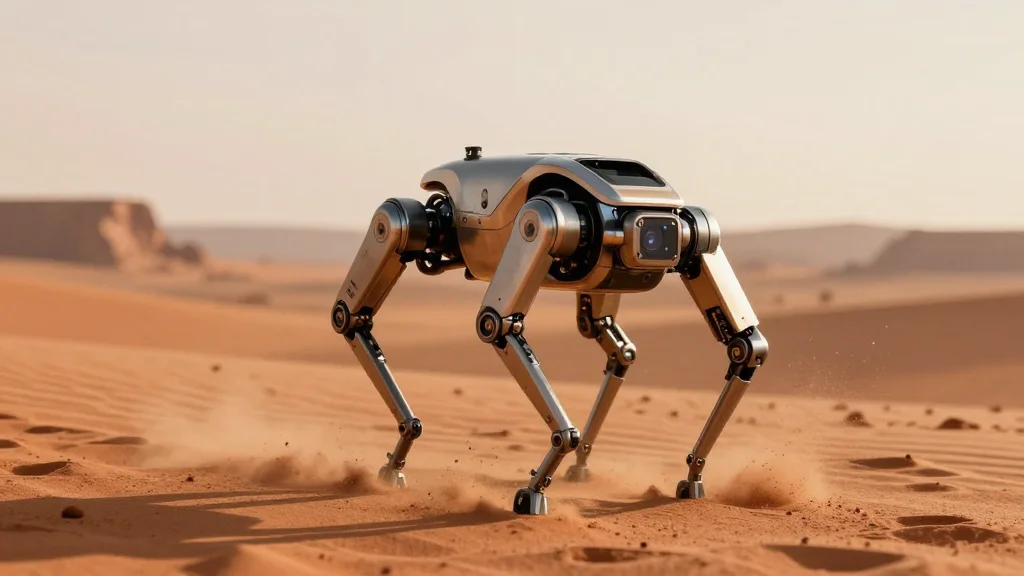
Researchers at Oregon State University and NASA tested a battery‑powered quadruped robot in White Sands’ Mars‑like dunes, showing it can collaborate with astronaut scientists to collect soil data. The robot’s leg motors generate current that doubles as a terrain sensor,...

NASA Names Scientists to Support Lunar South Pole Science
NASA has appointed ten scientists to the Artemis lunar surface science team, tasking them with shaping the mission’s scientific agenda at the Moon’s South Pole. The group will work alongside the existing geology team led by Noah Petro and Padi...

Europe’s Space Agencies Prepare For A Brave New NASA
During NASA’s high‑profile Ignition conference in Washington, European space agencies convened at the Munich Space Summit to gauge the implications of the U.S. agency’s new lunar‑Mars roadmap. While the summit’s main sessions barely mentioned NASA’s plans, breakout discussions revealed a...
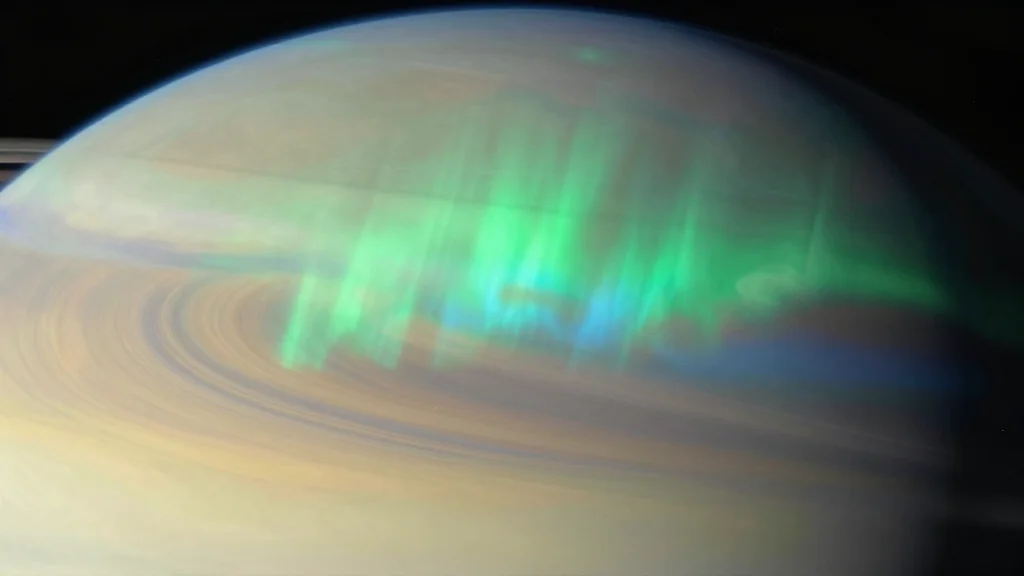
JWST Solves Decades-Long Mystery About Why Saturn Appears to Change Its Spin
Researchers using the James Webb Space Telescope have produced the first high‑resolution temperature and particle density maps of Saturn’s northern aurora, revealing a self‑sustaining feedback loop that heats the atmosphere, drives winds, and powers the aurora. The loop explains why...