
From the Midwest to the Moon
NASA’s Artemis 2 mission, slated for a spring 2026 launch, will put Orion into lunar orbit for the first time since Apollo. While the launch pad remains in Florida, the mission’s critical testing and hardware development are anchored in Ohio, home to the Neil Armstrong Test Facility—the world’s largest vacuum chamber capable of testing the entire Orion spacecraft. Ohio also contributes a dense network of 640 aerospace suppliers, a robust research base at NASA Glenn, and roughly 40,000 annual STEM graduates. This ecosystem is increasingly attracting reshored space manufacturers seeking secure, domestic supply chains.

The Florida Model for Sustainable Aerospace Growth
Space Florida, created as a public corporation two decades ago, has built a sustainable aerospace ecosystem by emphasizing long‑term partnerships rather than short‑term cash incentives. The agency conducts venture‑capital‑style due diligence, aligning state infrastructure, workforce and market outlook before committing...

InterCosmos Bags Early Stage Funding From IAN Angel Fund for Its Non-Toxic Propulsion Technology
InterCosmos, a Chennai‑based space‑tech startup, secured early‑stage capital from the IAN Angel Fund to fast‑track its HyperX non‑toxic propulsion system. The undisclosed investment will fund development and flight qualification, positioning HyperX as a safer, high‑performance alternative to conventional toxic propellants....

Inside a Bold Plan to Pulverize an Earth-Bound Asteroid
Researchers at UC Santa Barbara propose "Pulverize It," a planetary‑defense concept that would shatter hazardous asteroids using Falcon 9‑launched penetrators, ranging from tungsten rods to nuclear explosives. Simulations on NASA supercomputers suggest fragments sized 13‑16 feet would vaporize in Earth’s atmosphere, minimizing ground impact....

Xovian Aerospace Raises $2 Mn Led by Ashish Kacholia
Satellite RF intelligence startup Xovian Aerospace announced a $2 million strategic investment round led by Ashish Kacholia. The funding brings its total capital to $4.5 million, following a $2.5 million pre‑seed round last year. Xovian will use the new capital to accelerate satellite...

Vantor Wins Intelligence Agency Contract to Monitor Space Objects
Vantor, a commercial Earth‑intelligence firm, won a $2.3 million contract from the National Geospatial‑Intelligence Agency to monitor low‑Earth‑orbit objects. The award is the first NGA Luno task order focused on non‑Earth imaging, expanding the agency’s $500 million Luno A/B framework. Vantor will...

Ispace and UEL Sign Lunar Payload Agreement
Japanese lunar‑services firm ispace and South Korean rover maker UEL have signed a payload service agreement to transport UEL’s SCARAB rover to the Moon. The two‑wheeled, 2 kg rover will ride aboard ispace’s ULTRA lander on Mission 3, scheduled for launch in...

Paratus Launches Starlink-Powered Connectivity for Africa’s Essential Services
Paratus Group has unveiled Paratus Essential Access, a Starlink‑powered satellite service that delivers high‑speed, low‑latency connectivity to essential‑service organisations across Africa. The offering targets law enforcement, hospitals, schools, emergency responders, and agricultural initiatives, providing preferential pricing and priority support. It...
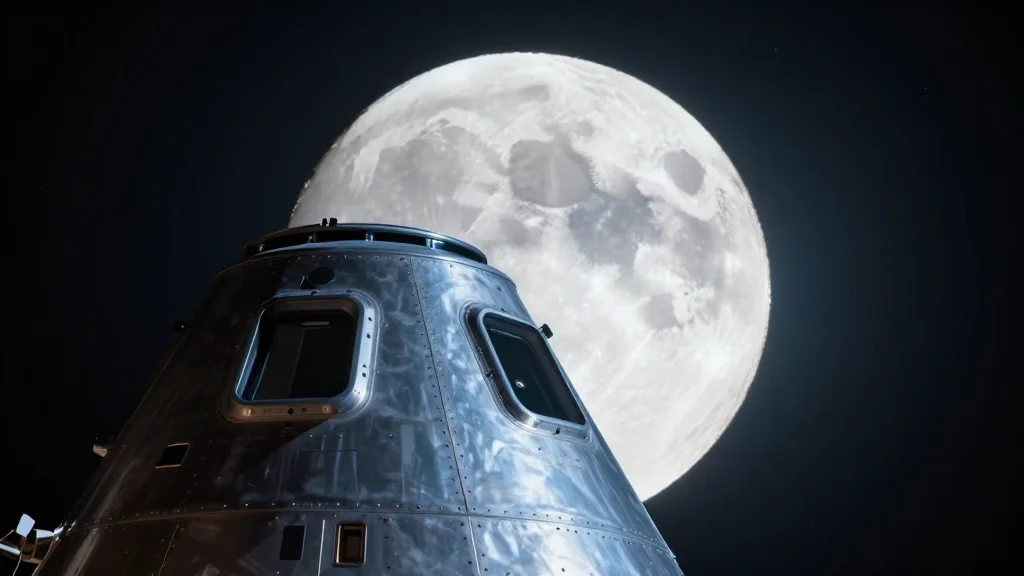
Retired NASA Astronaut Leland Melvin on the Goal of Artemis II and Its Significance
Artemis II, the first crewed lunar flyby in over five decades, launched today with four astronauts aboard NASA's Orion capsule. The mission will circle the Moon and return to Earth in just under ten days, testing life‑support systems and the interim...

SpaceLocker Launches First Shared Satellite Mission
SpaceLocker has moved from an in‑orbit hosting service to a full satellite operator with its first owned CubeSat, Out of the Box. The 16U, 20‑kg platform carries five European payloads using a patented universal space port that works like a...

Géraldine Naja Takes up Duty as Director of Space Transportation
Géraldine Naja assumed the role of Director of Space Transportation at the European Space Agency on 1 April 2026, while also serving as acting director of the newly named Commercialisation and Industry Partnership directorate. Her appointment follows the retirement of Toni Tolker‑Nielsen, who...

Max Space Thunderbird Station: Can Inflatable Habitats Replace the ISS by 2030?
Max Space plans to launch its Thunderbird inflatable station in 2029, positioning it as a full‑scale commercial habitat to replace the ISS after its 2030 retirement. The design relies on a compact launch package that expands in orbit, delivering more...

NASA Is Leading the Way to the Moon, but the Military Won't Be Far Behind
NASA’s Artemis II mission, the first crewed flight near the Moon since 1972, launched from Kennedy Space Center with two Navy test pilots at the helm. The U.S. Space Force provided range safety, abort monitoring, and will recover the Orion capsule...

How the Space Force Is Supporting NASA’s Artemis II Mission
The U.S. Space Force’s Space Launch Delta 45 is providing extensive range support for NASA’s Artemis II crewed lunar mission, scheduled for launch on April 1. Because the Space Launch System lacks an autonomous flight‑safety system, the range will staff roughly 28...
In Satellite Internet News
SpaceX has quietly filed a confidential IPO with the SEC, aiming for a June market debut and a potential valuation of $1.75 trillion, one of the largest ever for an aerospace firm. In parallel, Amazon struck a partnership with Delta Air...
Space Tech Specialist Type One Sees Growing Opportunities in Japan
US venture capital firm Type One Ventures, a specialist in space‑technology investments, announced the opening of a Tokyo office to deepen relationships with Japanese corporates. The move aligns with Japan’s national space agency JAXA committing roughly $6.7 billion to a ten‑year...

Yes, NASA's Launching Artemis 2 Astronauts to the Moon on April Fools' Day. It's Not a Joke.
NASA is set to launch Artemis 2, its first crewed lunar flyby, on April 1, 2024, from Kennedy Space Center’s Pad 39B. The four‑person crew—Reid Wiseman, Victor Glover, Christina Koch, and Canadian astronaut Jeremy Haines—will spend ten days orbiting the Moon aboard the...
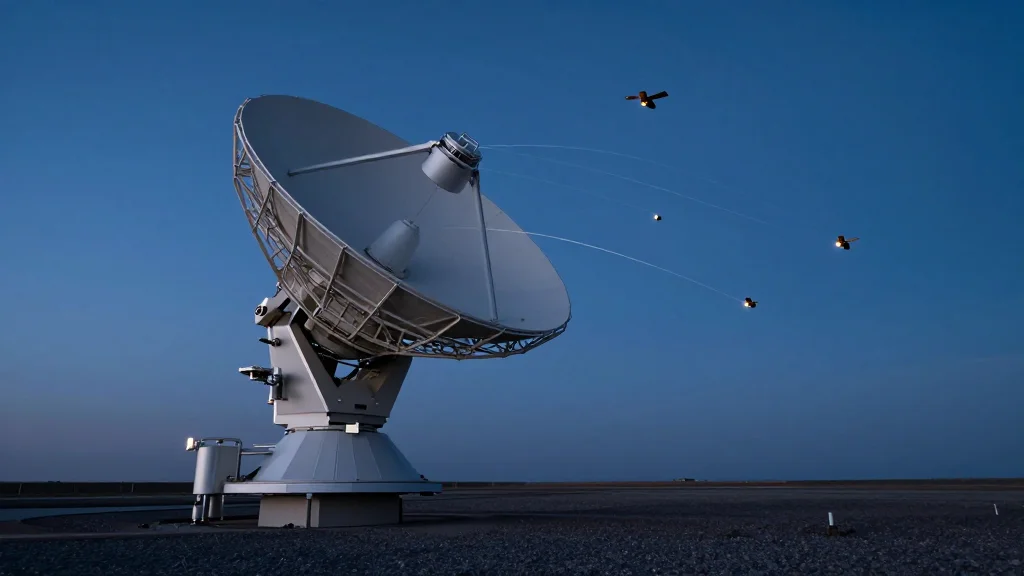
Faced With Starlink Competition, Ground Segment Leaders Turn to Orchestration, Specialization
Ground‑segment providers are feeling the pressure of vertically integrated LEO megaconstellations such as Starlink and Amazon Leo, which manufacture their own user terminals and drive prices to rock‑bottom levels. Executives from Ovzon, SpaceBridge and Comtech warned that the traditional consumer‑grade GEO...
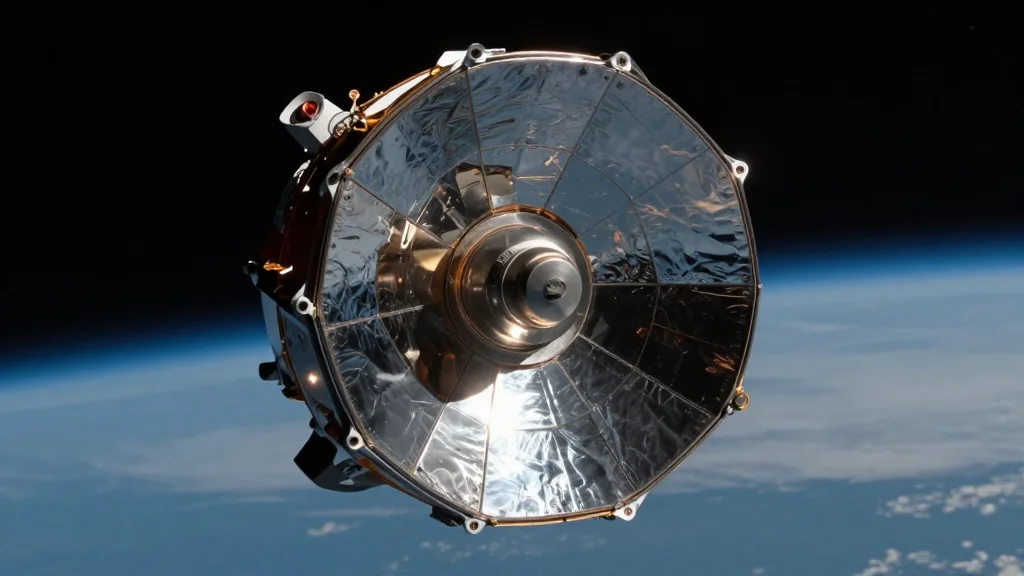
Air Force Awards BlackSky $99M to Large Aperture Optical Payload for Space-Based Imaging
The U.S. Air Force Research Laboratory awarded BlackSky Technology a $99 million contract to develop a low‑cost, large‑aperture optical payload for space‑based imaging and space‑domain awareness. An initial $2.1 million FY‑2026 R&D obligation will jump‑start design work, with the SBIR Phase III award...
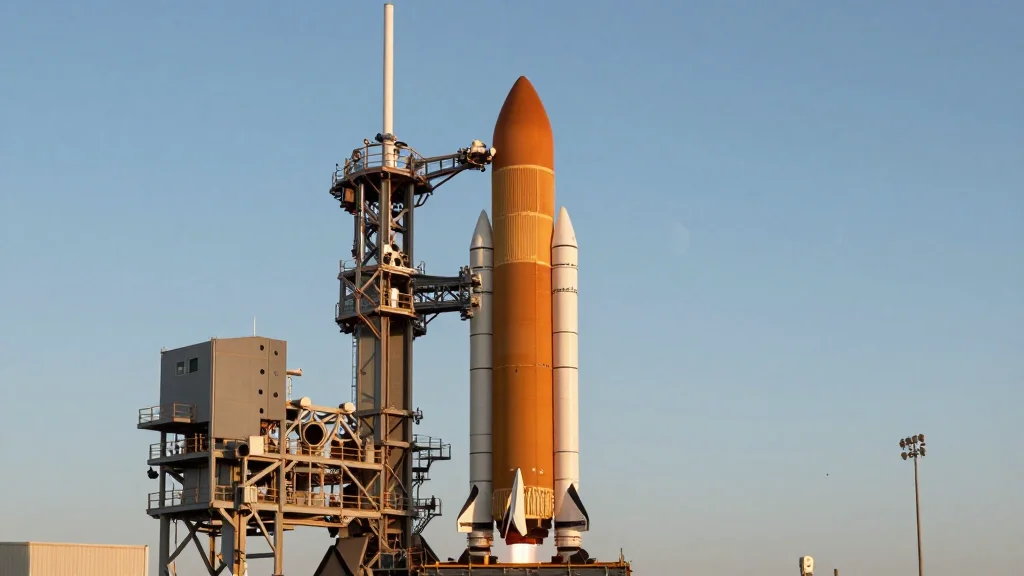
News Outlets Share Coverage Plans for Historic Artemis II Launch
NASA is set to launch Artemis II on April 1, 2024, sending a four‑person crew—Commander Reid Wiseman, pilot Victor Glover, astronaut Christina Koch, and Canadian astronaut Jeremy Hansen—on a ten‑day lunar orbit test flight. The mission will ride the Space Launch System (SLS) and...

Top Space Lawmaker on Moon Base, Artemis Plans
Rep. Mike Haridopolos, chair of the House space subcommittee, voiced strong congressional backing for NASA’s expanded lunar agenda, which includes a permanent Moon base, monthly uncrewed landings beginning in 2027, and a crewed return in 2028. He highlighted Artemis II’s upcoming...

Watch Live: Artemis II Launch
Artemis II, NASA’s first crewed mission to the Moon in over five decades, is slated for launch on 1 April 2026 at 18:24 local time. The European Service Module (ESM) will deploy solar arrays eight minutes after liftoff, provide power and propulsion, and...

Artemis 2 Countdown Continues – No Issues
NASA’s Artemis II mission is on track for a 6:24 p.m. EDT launch on April 1, 2026, with the countdown now entering the L‑15H30M window. All non‑essential personnel have cleared Launch Complex 39B and critical pre‑launch activities such as nitrogen inerting and ground launch...

Duagon Computing Hardware Set for Deployment to the International Space Station
On March 31, 2026 duagon announced its high‑availability Conduction Cooled Assembly will launch to the International Space Station in April, integrating into the Columbus module. Developed with Space Applications Services, the system uses CompactPCI Serial modular cards—including a G028 CPU,...

GomSpace Secures 8.8 MSEK Authorization to Proceed From Unseenlabs for Next Constellation Tranche
GomSpace received an Authorization to Proceed from French RF‑maritime intelligence firm Unseenlabs, valued at €815,000 (about $890,000) or 8.8 MSEK (≈ $828,000). The ATP lets GomSpace start buying long‑lead components for Unseenlabs’ next microsatellite batch, keeping the 2026‑27 launch cadence on...

Space Start-Ups Gain Siemens Nous
Siemens has joined the European Space Agency’s EPIC programme, offering its Xcelerator software suite and digital‑twin capabilities to start‑ups nurtured by ESA Business Incubation Centres. The partnership gives fledgling space firms access to virtual design, simulation and engineering tools that...

Oops! NASA Once Lost a $125 Million Spacecraft Because Engineers Forgot to Convert to Metric
The Mars Climate Orbiter, a $125 million NASA mission launched in 1998, was lost in September 1999 when it descended far too low over Mars. The failure was traced to a simple unit‑conversion mistake: Lockheed Martin’s navigation software used Imperial units instead of...

Scottish Rocket Firm Skyrora Shortlisted for British Business Awards
Edinburgh‑based Skyrora has been shortlisted for Technology Company of the Year at the British Business Awards, a competition run with The Times and The Sunday Times. The shortlist places the rocket firm alongside energy leader Octopus Energy and fintech outfits...
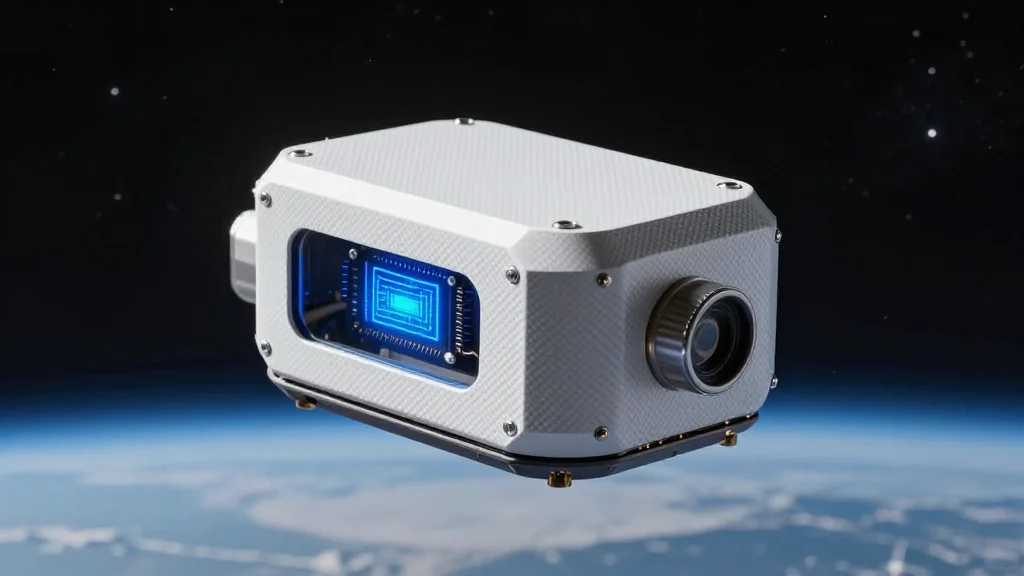
2026 AIAA Von Kármán Lecture in Astronautics on Learning and Controlling Autonomous Space Systems to Be Presented by Maruthi Akella...
The American Institute of Aeronautics and Astronautics (AIAA) has selected UT Austin professor Maruthi Akella to deliver the 2026 von Kármán Lecture in Astronautics. His talk, “Opinion Dynamics, Learning, Trust, and Control of Autonomous Space Systems,” will be held on May 20 during...
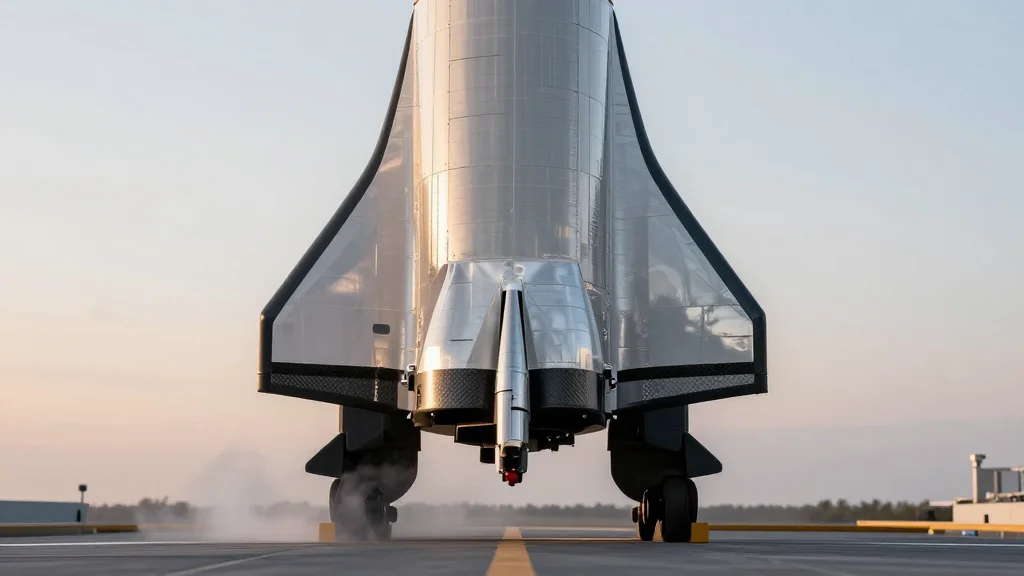
2026 AIAA David W. Thompson Lecture in Space Commerce Presented by Blue Origin’s Tory Bruno During ASCEND 2026
The American Institute of Aeronautics and Astronautics (AIAA) has awarded the 2026 David W. Thompson Lectureship in Space Commerce to Tory Bruno, former ULA CEO and now President of Blue Origin’s Blue National Security unit. Bruno will present his talk, “Transforming ULA: Shaping...

Delta In-Flight Connectivity Takes Off with Amazon Leo
Delta Air Lines has partnered with Amazon to equip its fleet with high‑speed, low‑latency internet via Amazon Leo, the company’s low‑Earth‑orbit satellite service. The rollout will begin in 2028 with an initial installation on 500 aircraft, expanding Delta’s existing AWS‑based...

Q&A With Lunar Base Manager Carlos Garcia-Galan
NASA has appointed Carlos Garcia‑Galan as the program executive overseeing its accelerated plan to build a lunar surface base. He outlined a shift in the Commercial Lunar Payload Services (CLPS) program toward tighter NASA‑commercial collaboration and a two‑phase Lunar Terrain...

Es’hailSat, EgyptSat Expand Partnership with New Satellite Capacity Agreement
Es’hailSat and EgyptSat have signed a multi‑year satellite capacity agreement to expand VSAT services across Egypt and the broader MENA region, building on a partnership established last year. The deal taps Es’hailSat’s two high‑throughput satellites at 25.5°/26° East and its Tier‑4...

China Targets 140 Launches in 2026 Amid Commercial Space Surge
China aims to conduct about 140 orbital launches in 2026, a 52% jump from 2025’s record 92 missions. The surge is driven by expanding launch infrastructure at sites such as Jiuquan, Hainan’s commercial pads, and Haiyang, as well as rapid...

‘This Feels Fragile’: How a Satellite-Smashing Chain Reaction Could Spiral Out of Control
Earth’s orbital environment is now crowded with more than 30,000 tracked objects, a number that is rising exponentially as commercial and governmental launches accelerate. Analysts project that by the end of the decade the count of active satellites could exceed...

Indra Develops New Satellite Communications Terminal for Submarines
Indra has finished development and certification testing of the TSUB‑40Ka, a Ka‑band satellite communications terminal designed for submarines. The Ka band permits smaller antennas and markedly higher data‑rate links than traditional X‑band or Ku‑band systems. The terminal complies with MIL‑STD/STANAG...

Europe’s Space Sector Faces Power Shift as Funding Grows
A new Aerospace Corporation report warns that the European Union is set to become the dominant political and financial driver of Europe’s space sector, with proposed 2028‑2034 budgets potentially raising defense and space spending to about $150 billion. The EU could...
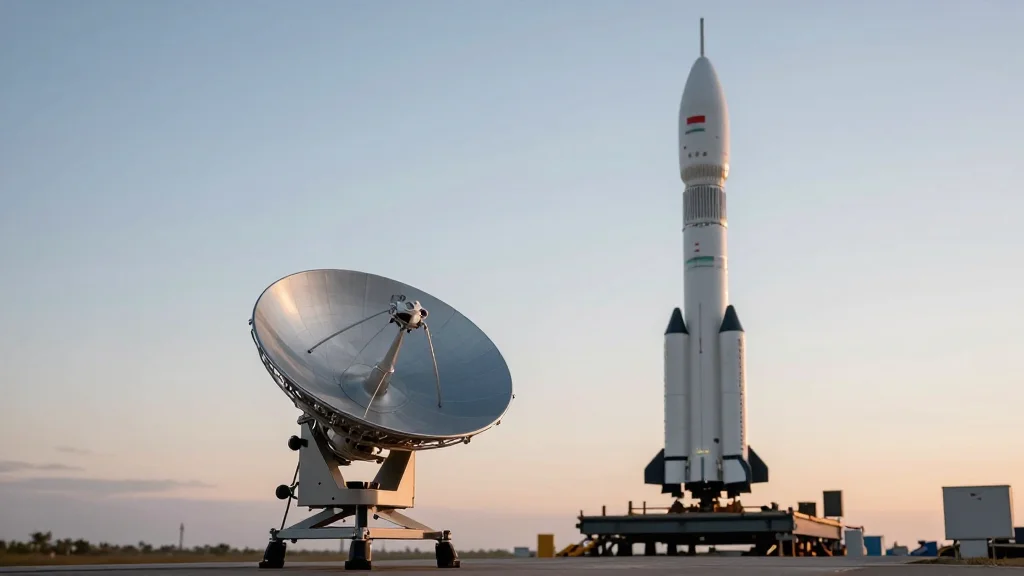
Eutelsat in Talks with India's Space Agency to Boost Satellite Launch Options
Eutelsat is negotiating with India’s ISRO to add launch capacity, aiming to cut dependence on SpaceX and Ariane rockets. The talks come after the OneWeb merger and a plan to launch 440 new satellites, a programme estimated at €2 bn ($2.3 bn)....

First Canadian Astronaut Will Travel to the Moon Amid Fraying U.S.-Canada Relations
Canada will see its first astronaut, Jeremy Hansen, fly aboard NASA’s Artemis II mission, the first crewed lunar flyby since 1972. The four‑person crew will launch from Kennedy Space Center and circle the Moon before returning to Earth. Hansen’s participation makes...

Starlink to Appeal Namibia Licence Rejection
Starlink will appeal Namibia's telecom regulator decision that rejected its licence and spectrum access because the company is fully foreign‑owned, violating the country's 51% local‑ownership rule. Nigeria's communications authority has mandated that telcos compensate customers with airtime credits when service...

Eight More Satellites Added to IRIDE Space Programme
Italy’s IRIDE Earth‑observation programme has added eight new Eaglet II satellites, raising the total constellation to 24 assets in orbit. The launch, performed on SpaceX’s Transporter‑16 from Vandenberg, placed the satellites alongside the first batch deployed in November 2025. Each spacecraft carries...
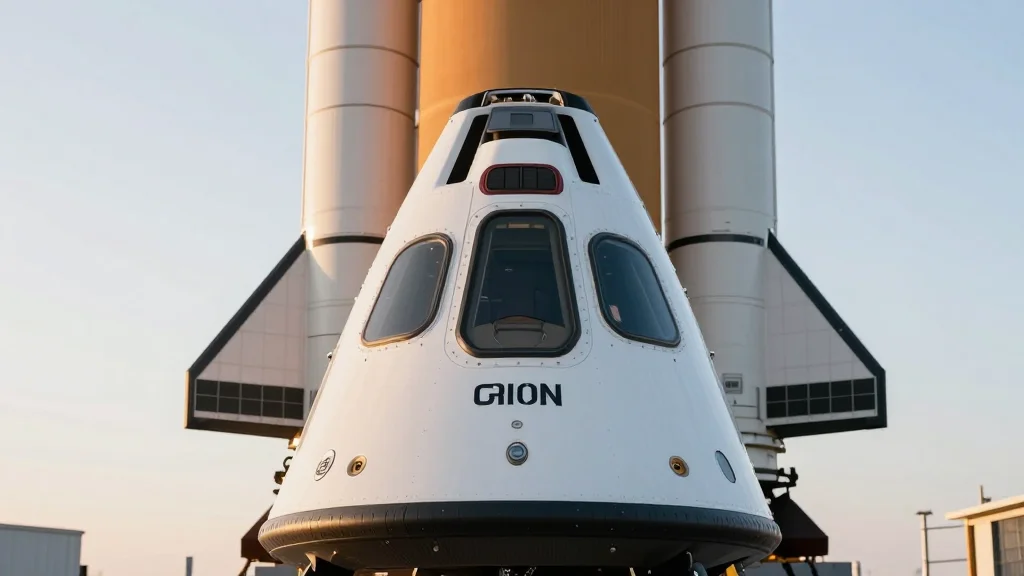
Countdown Begins for the Artemis-2 Mission Around the Moon
NASA initiated a two‑day countdown on April 1 for the Artemis‑2 mission, targeting a 6:24 pm Eastern launch. The flight will carry three American astronauts and a Canadian aboard the Orion capsule, propelled by the Space Launch System (SLS) rocket. Artemis‑2 marks...

Artemis 2 Countdown Underway
NASA kicked off the two‑day Artemis 2 countdown on March 30, targeting an April 1 launch from Kennedy Space Center’s Launch Complex 39B within a two‑hour window. Mission managers reported no major issues with the Space Launch System rocket, Orion crew capsule, or ground...

What Is Terrain Relative Navigation, and Why Is It Important?
NASA’s Terrain Relative Navigation (TRN) lets spacecraft compare live images with onboard maps to pinpoint safe landing zones. First proven on the Mars 2020 Perseverance rover, TRN reduced landing uncertainty from miles to roughly 50 meters. The system’s compact camera‑computer design has...

Türkiye Negotiating LEO Satellite Operations With SpaceX And Amazon
Turkey’s Deputy Transport and Infrastructure Minister met with SpaceX and Amazon at the SATShow expo in Washington on March 26, 2026 to discuss operating low‑Earth‑orbit (LEO) satellites over Turkish territory. The talks centered on meeting Turkey’s regulatory and security requirements...

QuantX Labs Launches Optical Frequency Comb for Orbital Clock Demonstration
QuantX Labs has placed an optical frequency comb into orbit aboard Exotrail’s spacevan™ on a SpaceX launch, marking the first in‑space test of the core subsystem for its TEMPO.Space optical atomic clock. The demonstration, part of Australia’s KAIROS program, will...

Second Starlink Satellite Suffers Anomaly, Generating Debris
SpaceX confirmed that Starlink‑34343 suffered an on‑orbit anomaly on March 29, generating tens of debris fragments at a 560‑kilometer altitude. Radar firm LeoLabs detected the debris and expects most fragments to deorbit within weeks because of the low orbit. SpaceX...
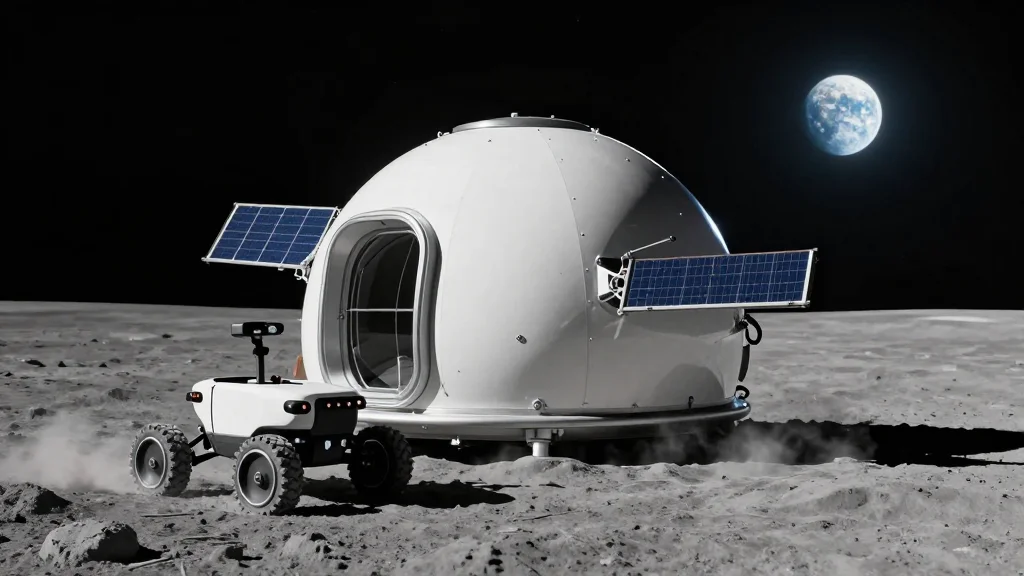
NSS Position Paper: Lunar Bases Should Be the Focus of Artemis
The National Space Society released a position paper urging NASA’s Artemis program to shift focus from brief lunar landings to establishing permanent, commercially operated lunar bases. The paper recommends NASA act as an anchor tenant while private firms own and...
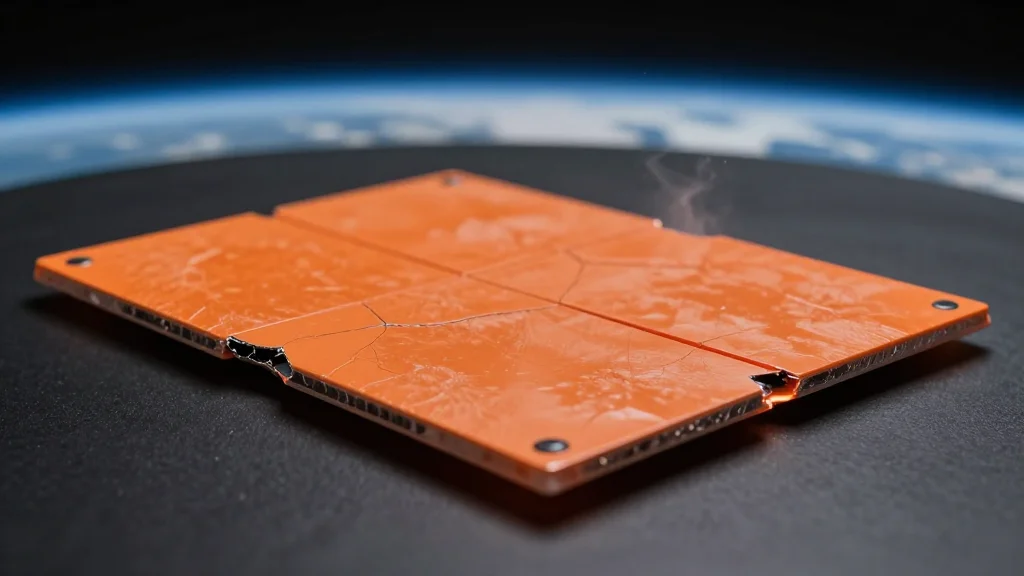
Heat Shield Safety Concerns Raise Stakes for NASA's Artemis II Moon Mission
NASA’s Artemis II will carry four astronauts on a 10‑day lunar flyby, but the mission’s safety hinges on Orion’s heat shield after uneven ablation was observed on Artemis I. The shield, built from 180 Avcoat blocks, lost material in chunks during the...

Rocket Lab Wins German Approval for Mynaric Deal
Rocket Lab received approval from Germany's Federal Ministry for Economic Affairs and Energy to acquire laser‑communications firm Mynaric for roughly $150 million, clearing the final regulatory hurdle. The approval, announced on March 30, enables the deal to close in April and marks...