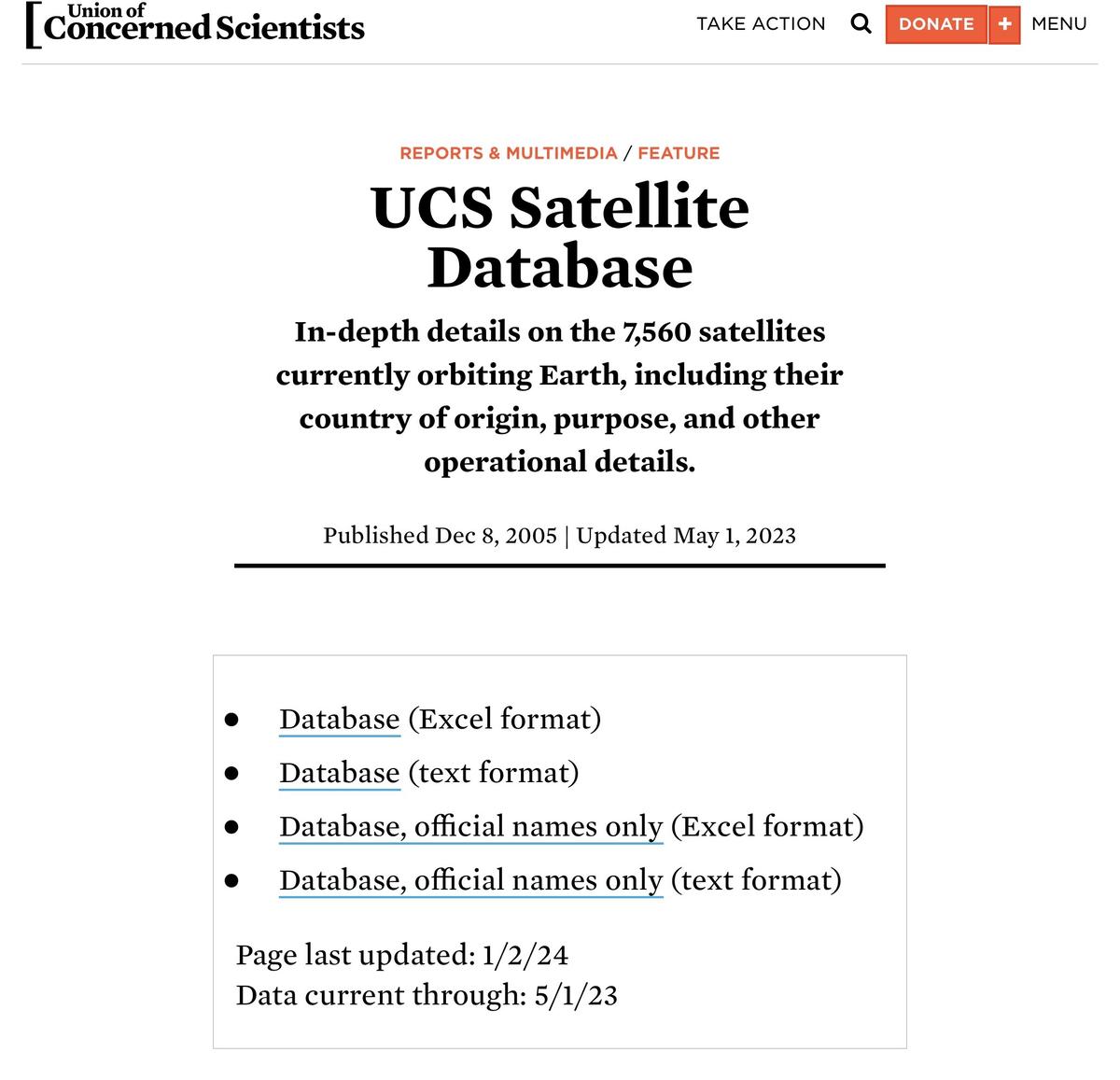
What Is the UCS Satellite Database, and Why Is It Important?
The Union of Concerned Scientists (UCS) Satellite Database is a publicly available catalog of 7,560 active Earth‑orbiting satellites, with data current through May 1 2023. It uniquely combines 28 technical and operational fields—including ownership, purpose, and orbital parameters—allowing users to sort satellites by country, sector, or mission. Over 18 years the database grew from 810 entries to its 2023 release, revealing that roughly 70% of the active fleet is U.S.-flagged and that commercial constellations now dominate Low Earth Orbit. While the dataset is dated, it remains a cornerstone for historical analysis, policy research, and education.
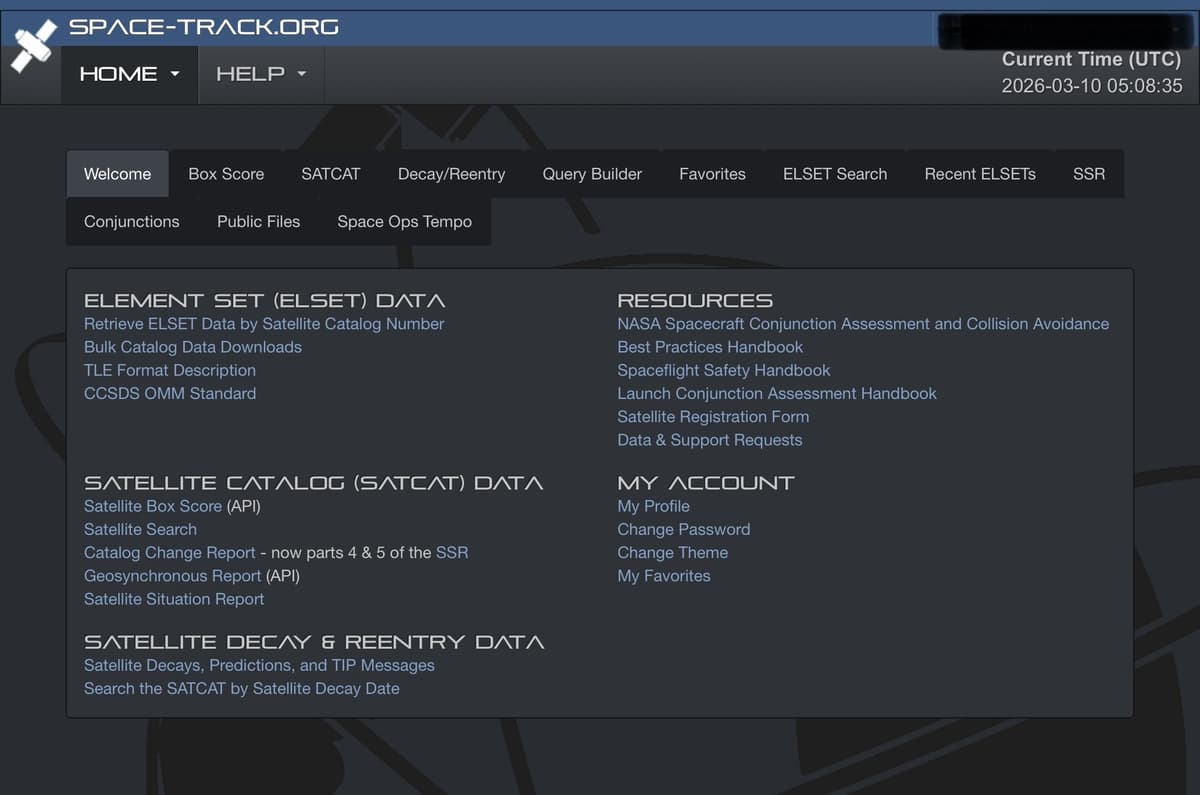
What Is Space-Track, and Why Is It Important?
Space‑Track is the U.S. government’s public portal for space situational awareness, offering satellite catalog data, two‑line element sets, decay predictions, and conjunction support. Its REST‑style API enables operators, researchers, and developers to integrate real‑time orbital information into automated workflows. Though...

WA Innovation Booster Grants Reopen With $50,000 Available Per Applicant
Western Australia has reopened its Innovation Booster Grants, offering up to $50,000 per applicant, as part of a broader $2 million funding push. The state also launched a $1.75 million Spaceport Establishment Support grant to lure commercial launch operators. In parallel, AI‑tax...

Kenya Reviews Airtel–Starlink Satellite-to-Phone Deal
Kenya’s Communications Authority has opened a review of Airtel’s partnership with SpaceX to launch Starlink Direct‑to‑Cell, assessing potential interference with 3G, 4G and 5G networks. The regulator’s decision could set precedent for satellite‑to‑phone services across Africa, where the technology promises...

Airbus CSO on Supply Chain Blind Spots, Space Threats, and the Limits of AI Red-Teaming
Airbus Chief Security Officer Pascal Andrei warns that the aerospace and defense supply chain’s deepest vulnerabilities now reside in sub‑tier suppliers and the digital threads linking them. He highlights Airbus’s shift toward a collaborative, intelligence‑led model, tighter integration of security...

Ground Control & ArduPilot Demonstrate MAVLink Telemetry over Iridium Certus
Ground Control and the ArduPilot team demonstrated that MAVLink telemetry can operate reliably over Iridium Certus 100 satellite service using the RockREMOTE UAV OEM modem. Tests showed round‑trip latencies between 600 ms and 1,600 ms, keeping data flow within a sub‑2‑second window. The...

University Joins UK's £17bn Space Sector
The University of Southampton has launched the Southampton Space Institute, positioning the city as a hub for the UK’s rapidly expanding £17 bn annual space sector. The institute consolidates decades‑long aerospace expertise and partners with the Space South Central cluster, linking...

Metalysis Garners Nearly €1m From ESA For Titanium Processing
Metalysis, a South Yorkshire firm, secured nearly €1 million from the European Space Agency for a two‑year initiative to commercialise a continuous or quasi‑continuous titanium production method using its patented FFC process. The funding reflects ESA’s drive to create a greener,...
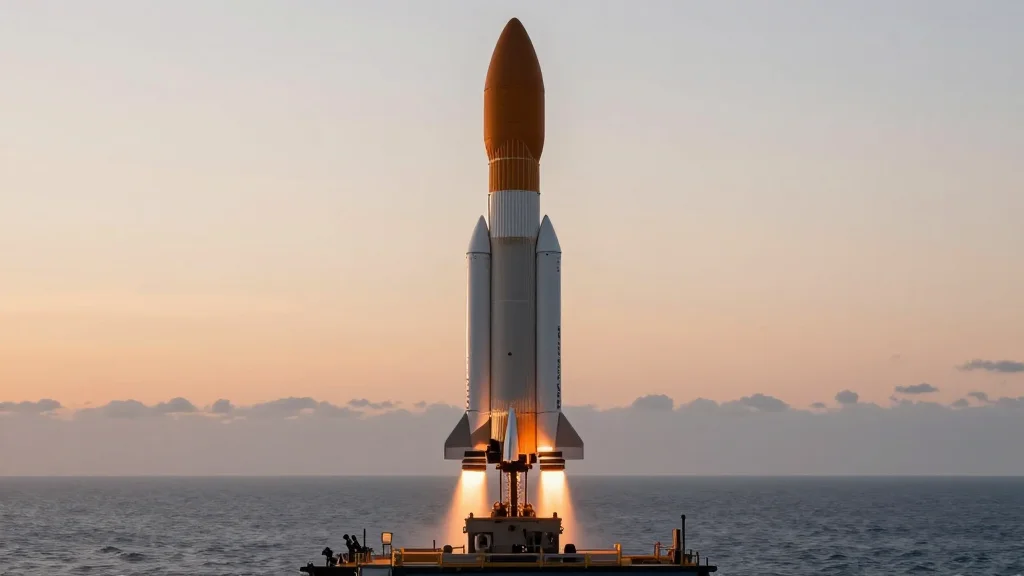
SpaceX Launches Direct Television Satellite for EchoStar
SpaceX lifted off a Falcon 9 from Cape Canaveral on March 9, 2026, deploying EchoStar‑25, a direct‑to‑home television satellite for Dish Network. The booster, B1085, completed its 14th flight and landed on the drone ship A Shortfall of Gravitas, marking the vessel’s 146th...
Designing for the Next Generation of GEO With Swissto12 CEO Emile De Rijk
Swissto12, founded by Emile de Rijk, is reshaping geostationary orbit (GEO) access by building smaller, more flexible satellites that cut launch costs and delivery times. The CEO discussed the company’s advanced payload technology, its relevance to sovereign space initiatives, and...

Hughes Network Systems Tapped for AFRL Space Data Networking Experimentation
The Air Force Research Laboratory awarded Hughes Network Services a contract under its RAPID program to support the STAR‑FISH procurement for space data networking experimentation. The effort targets resilient, hybrid satellite‑terrestrial networks that can dynamically route data across multiple domains....
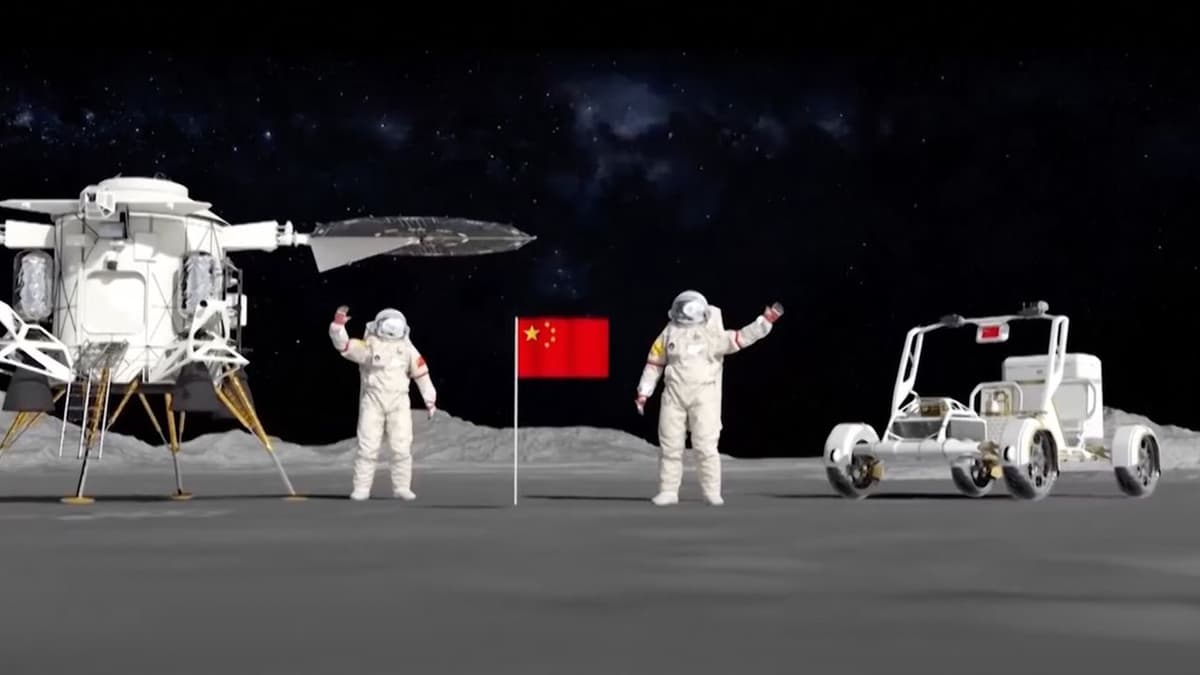
China's 1st Moon Astronauts Could Land in Rimae Bode, a 'Geological Museum' On the Lunar Near Side
China is targeting a crewed lunar landing before the decade ends, and a new Nature Astronomy study highlights the Rimae Bode region on the near‑side as a prime candidate. The volcanic‑rich area meets engineering constraints—flat terrain, low latitude, and reliable communications—while...
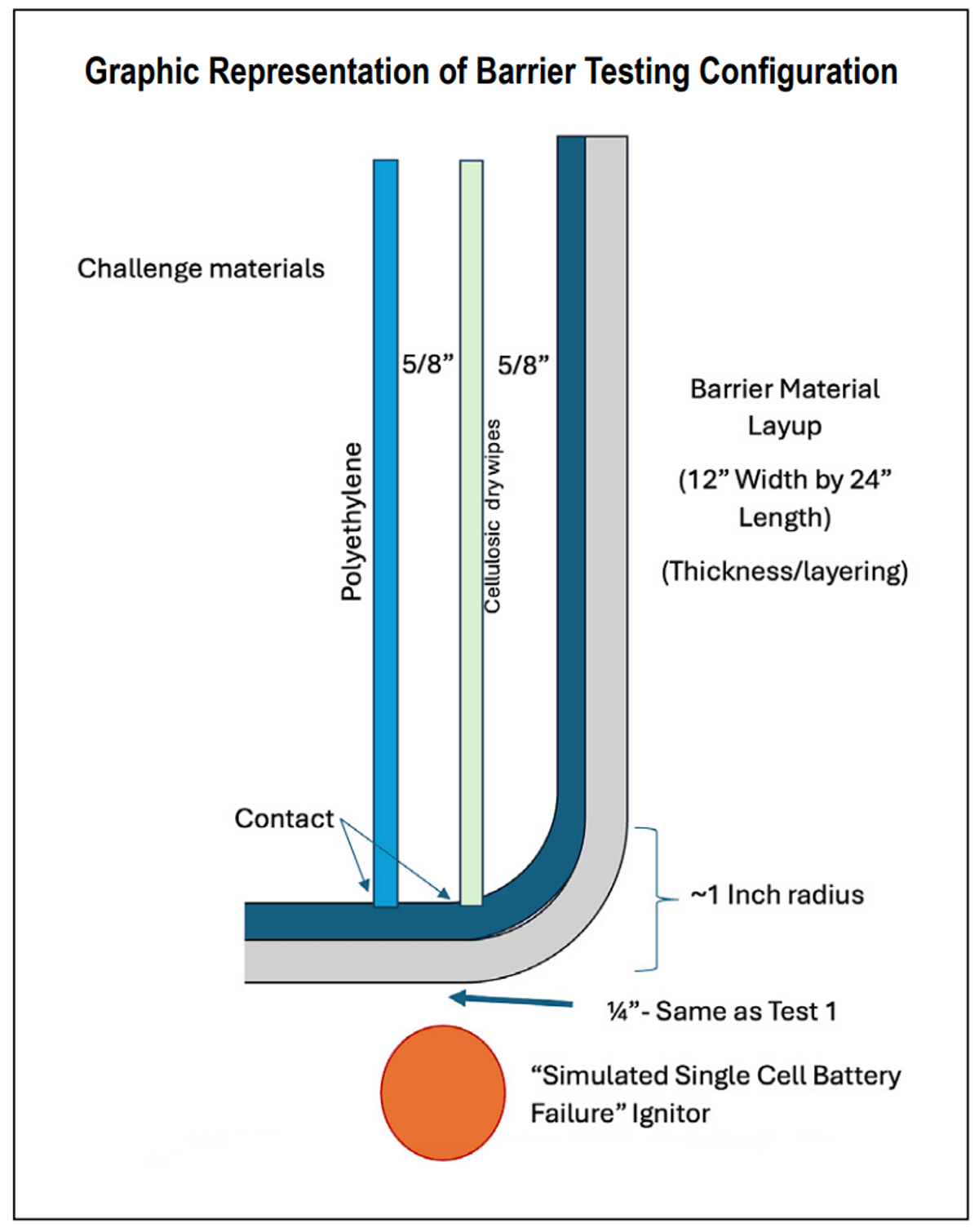
Flammability Testing Configuration and Approach of Barrier MaterialAssemblies Designed for Space Flight Applications
NASA’s Engineering and Safety Center teamed with Johnson Space Center, White Sands Test Facility, and Marshall Space Flight Center to create a dedicated flammability test for barrier material assemblies. The test evaluates how effectively these barriers can isolate a cabin...

North Korea Is Getting Serious About Space Weapons
North Korea’s latest five‑year defense plan formally prioritizes “special assets for attacking enemy satellites,” marking its first official commitment to counter‑space weapons. Analysts see this as a potential move toward kinetic or nuclear anti‑satellite (ASAT) systems that could threaten the...

Webb Studies Cranium Nebula
NASA’s James Webb Space Telescope captured Nebula PMR 1, nicknamed the “Exposed Cranium” nebula, in near‑infrared light, emphasizing its uncanny brain‑like shape within a transparent skull. The image shows an outer hydrogen‑rich shell and a structured inner cloud separated by a...

Skylo's Trajectory Toward the 'Standardized Sky' Looks to Include Multiple Orbits
Skylo is pursuing a partner‑centric satellite messaging model, leasing capacity from Viasat and EchoStar rather than building its own constellation. At Mobile World Congress the CEO highlighted a network that now spans 36 countries, supports over 20 carrier interfaces and...
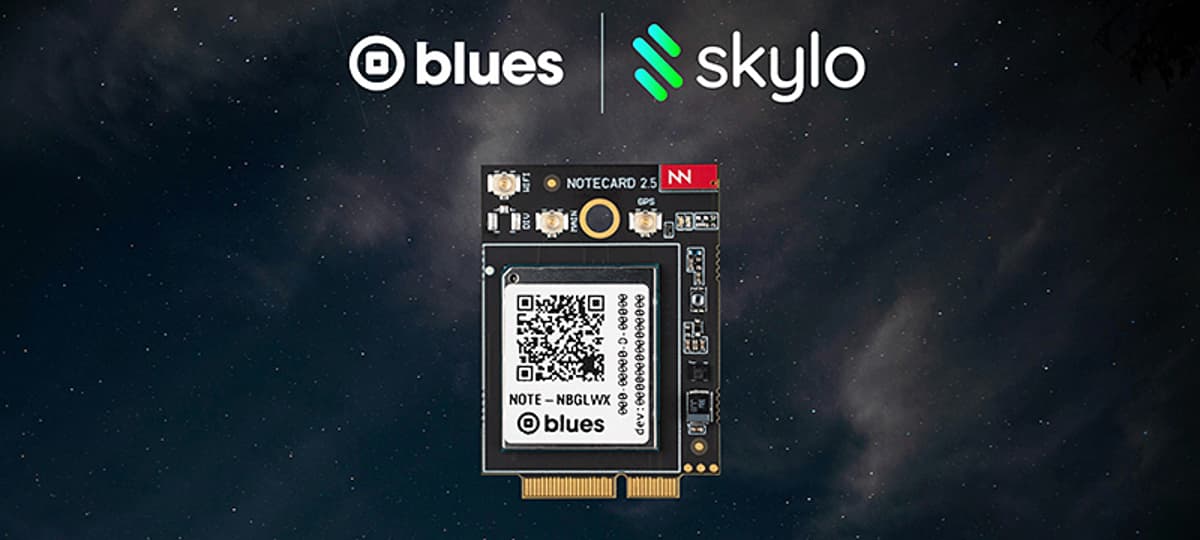
Blues Integrates Skylo NTN Satellite with Cellular and Wi-Fi in a Single Notecard IoT Module
Blues and Skylo unveiled Notecard for Skylo, a single IoT module that merges NTN satellite, narrowband cellular, and Wi‑Fi connectivity with automatic failover. The device eliminates the need for separate radios and satellite contracts by offering pay‑as‑you‑go satellite usage. It...

Terraforming Mars Isn't a Climate Problem—It's an Industrial Nightmare
A new pre‑print by NASA JPL’s Slava Turyshev outlines five terraforming milestones for Mars and quantifies the massive resources required at each stage. To raise surface pressure to just 1 mbar would need roughly the mass of Mars’s moon Deimos, while...
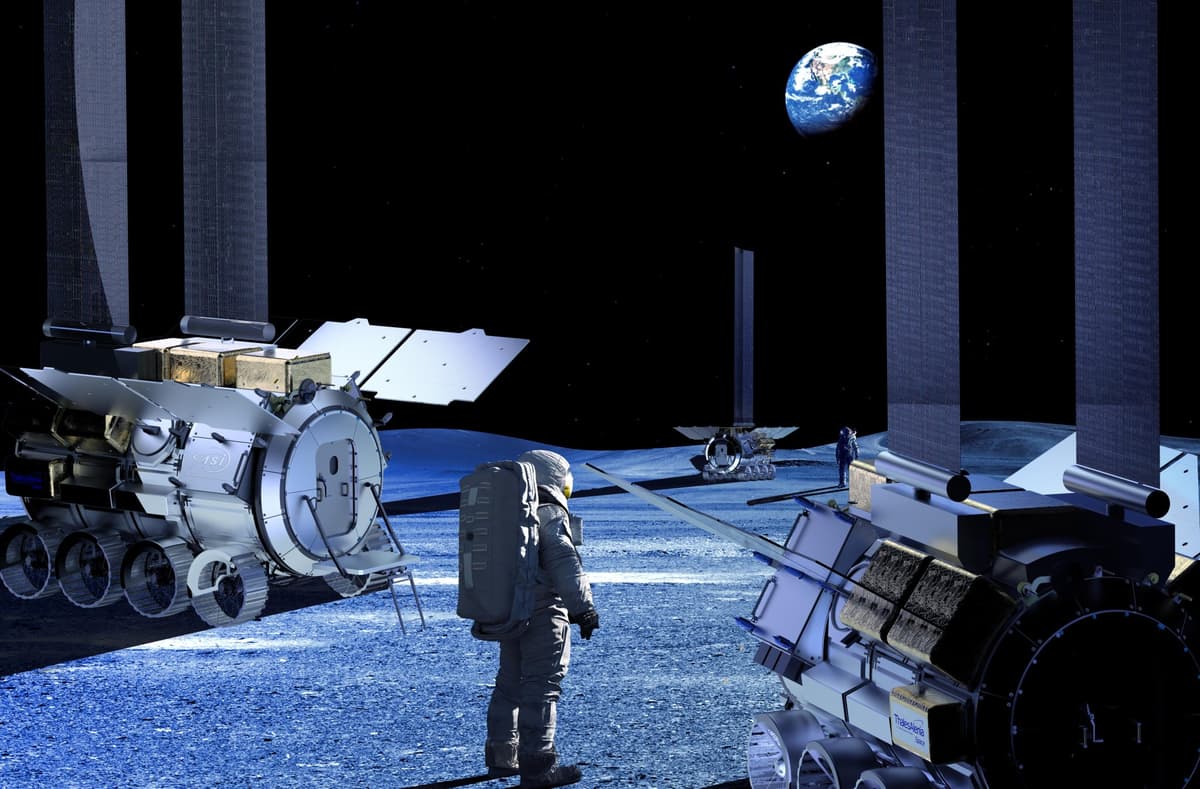
Astrobotic Wins Lunar Wheel Contract For Italian Habitat
Astrobotic has won a contract from Thales Alenia Space to build the wheel assemblies for the Italian Space Agency’s Multi‑Purpose Habitation, a driveable lunar habitat designed for a ten‑year mission. The undisclosed‑value deal pairs Astrobotic’s lunar‑mobility expertise with Thales Alenia’s...

Open Cosmos Announces ConnectedCosmos
Open Cosmos unveiled ConnectedCosmos, a sovereign low‑Earth‑orbit (LEO) constellation delivering secure broadband and direct‑to‑device IoT connectivity for enterprises and governments. The network integrates real‑time Earth observation data from the Open Constellation, creating an “active” resiliency service that enables rapid threat...

How Nasa Contractors Are Pressing on to Bring Humans to the Moon with Artemis
NASA has shifted its Artemis lunar landing schedule, pushing the first crewed landing to Artemis IV in 2028. The delay follows cost overruns and technical setbacks, prompting a restructuring of the program’s strategy. Private contractors like Lunar Outpost see new opportunities,...
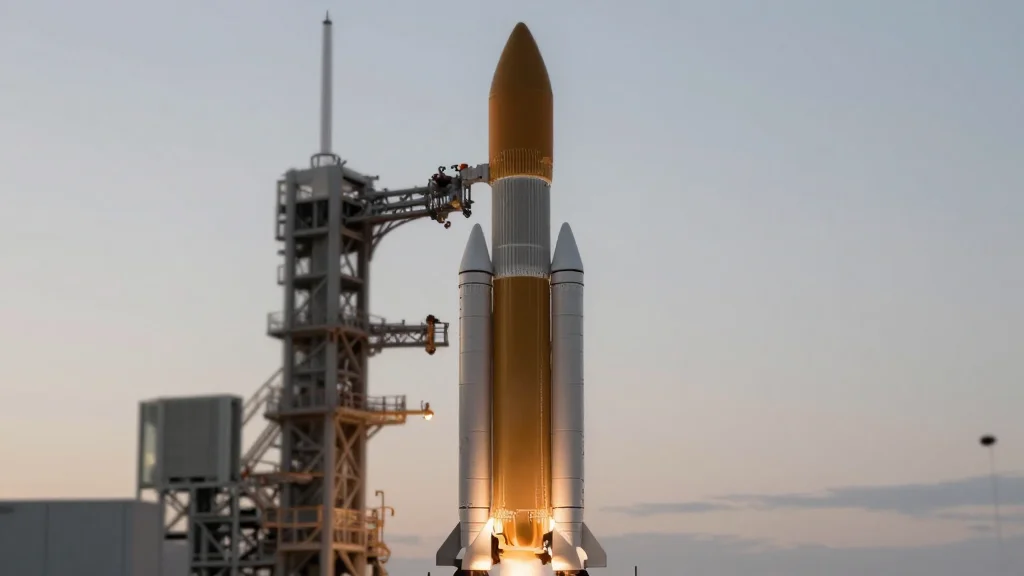
Reforging Vulcan
On February 12, United Launch Alliance’s Vulcan Centaur lifted off on the USSF‑87 mission but displayed a significant performance anomaly in one of its four solid rocket boosters. The anomaly, similar to the nozzle‑loss issue on the October 2024 Cert‑2 flight, prompted...

Review: Why Space?
Rick Tumlinson’s new book *Why Space?* argues that humanity’s purpose is tied to expanding life beyond Earth, leveraging the rapid growth of commercial space. He frames this mission through three "Principles of Purpose": protecting life, evolving humanity, and exploring the...
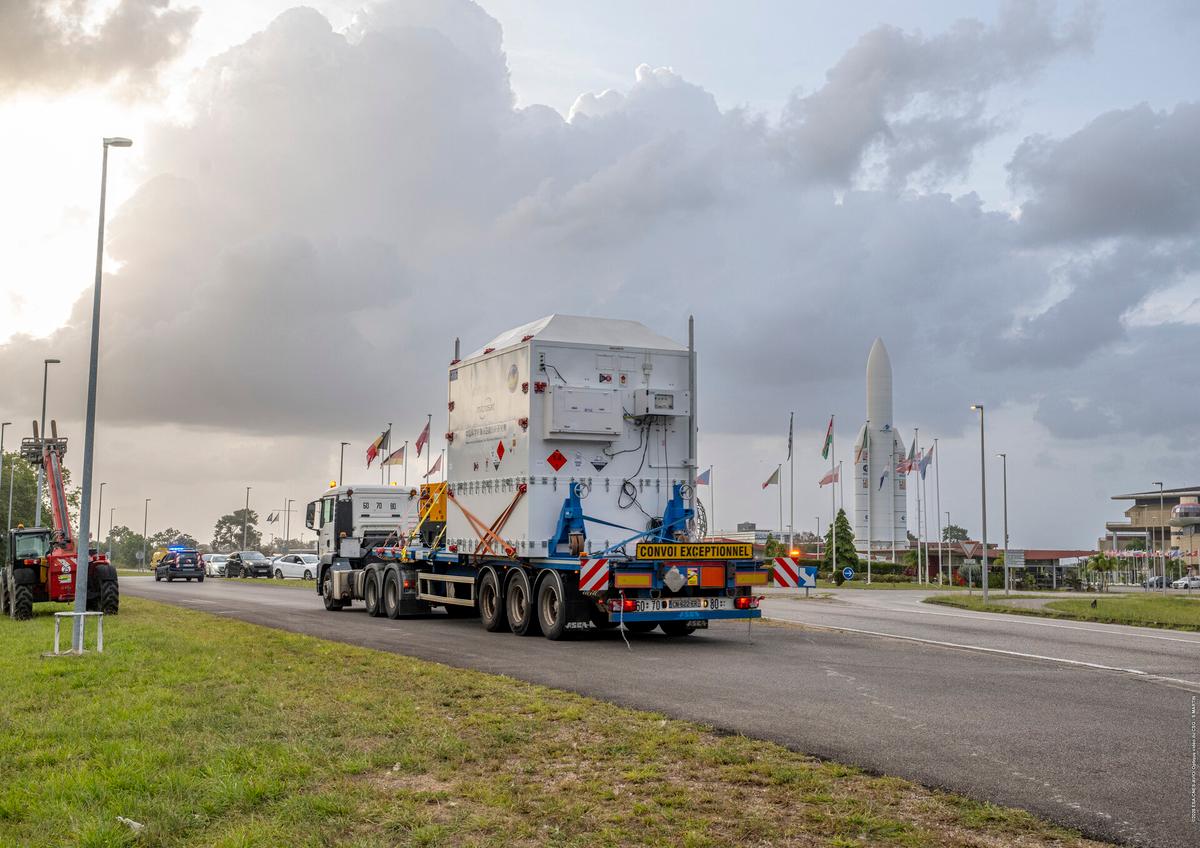
Smile Arrives at Europe’s Spaceport
The ESA‑CAS Smile spacecraft landed at the Guiana Space Centre on 26 February after a two‑week sea voyage aboard the cargo ship Colibri. Over the next weeks the probe will undergo health checks, propellant loading and integration with the Vega‑C launch...

"She Flies Satellites. One Day, I Can Too."
ESA’s European Space Operations Centre (ESOC) spotlighted five senior women who lead spacecraft missions such as JUICE, EarthCARE, and the ExoMars rover, sharing their daily skills and career paths. They highlight the importance of interpersonal communication, calm decision‑making, and human‑centred...

ESA and CDL-Milan to Host the 3rd CommEO Award Selection Round in Milan
ESA’s Φ‑lab and Creative Destruction Lab‑Milan are hosting the third CommEO Award selection round in Milan, targeting early‑stage downstream Earth Observation startups in resilience, climate and infrastructure. The live pitch and demo event will choose five winners who advance to...

Changing the Rules Mid-Race - How Artemis Lets Washington Redefine "Winning" At the Moon - Part 4
The Artemis program is being reshaped to win the Moon race through diplomatic leverage rather than pure hardware milestones. By emphasizing the Artemis Accords, the United States counts partner sign‑ups and normative leadership as victories, even as launch schedules slip....
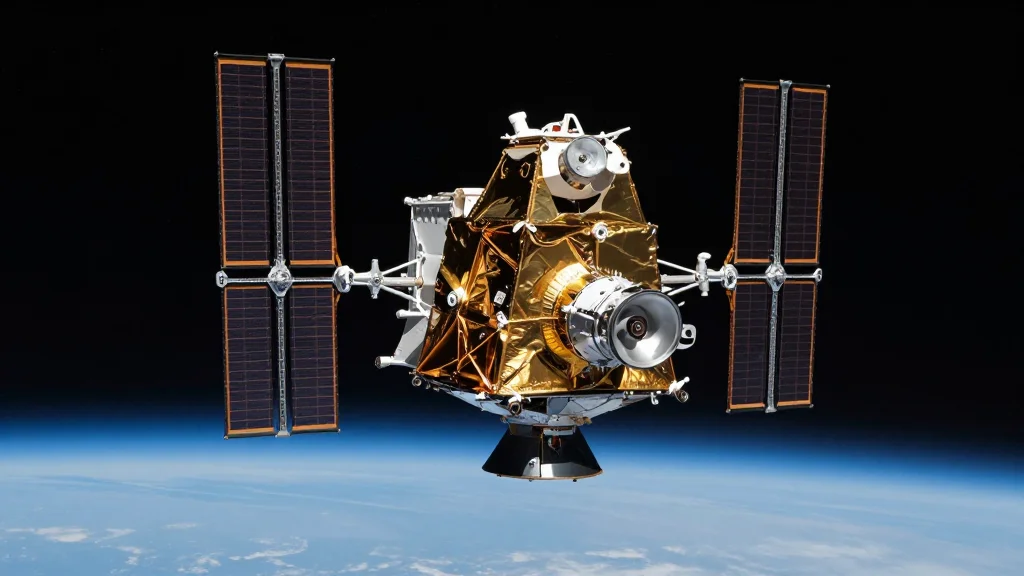
Swift Observatory Changes Operations Ahead of Planned Orbit Reboost
NASA has altered the Neil Gehrels Swift Observatory’s operating mode to reduce atmospheric drag and preserve its altitude ahead of a scheduled orbit‑raising mission. Since February 11, most science activities have been paused, with the spacecraft held in a drag‑minimizing attitude and...

Course Correction or Controlled Crash? Inside NASA's Artemis Overhaul - Part 1
NASA has reshuffled the Artemis program, turning Artemis III into a low‑Earth‑orbit test flight in 2027 and pushing the first lunar south‑pole landing to Artemis IV in early 2028. The change follows the Aerospace Safety Advisory Panel’s warning that the original landing...
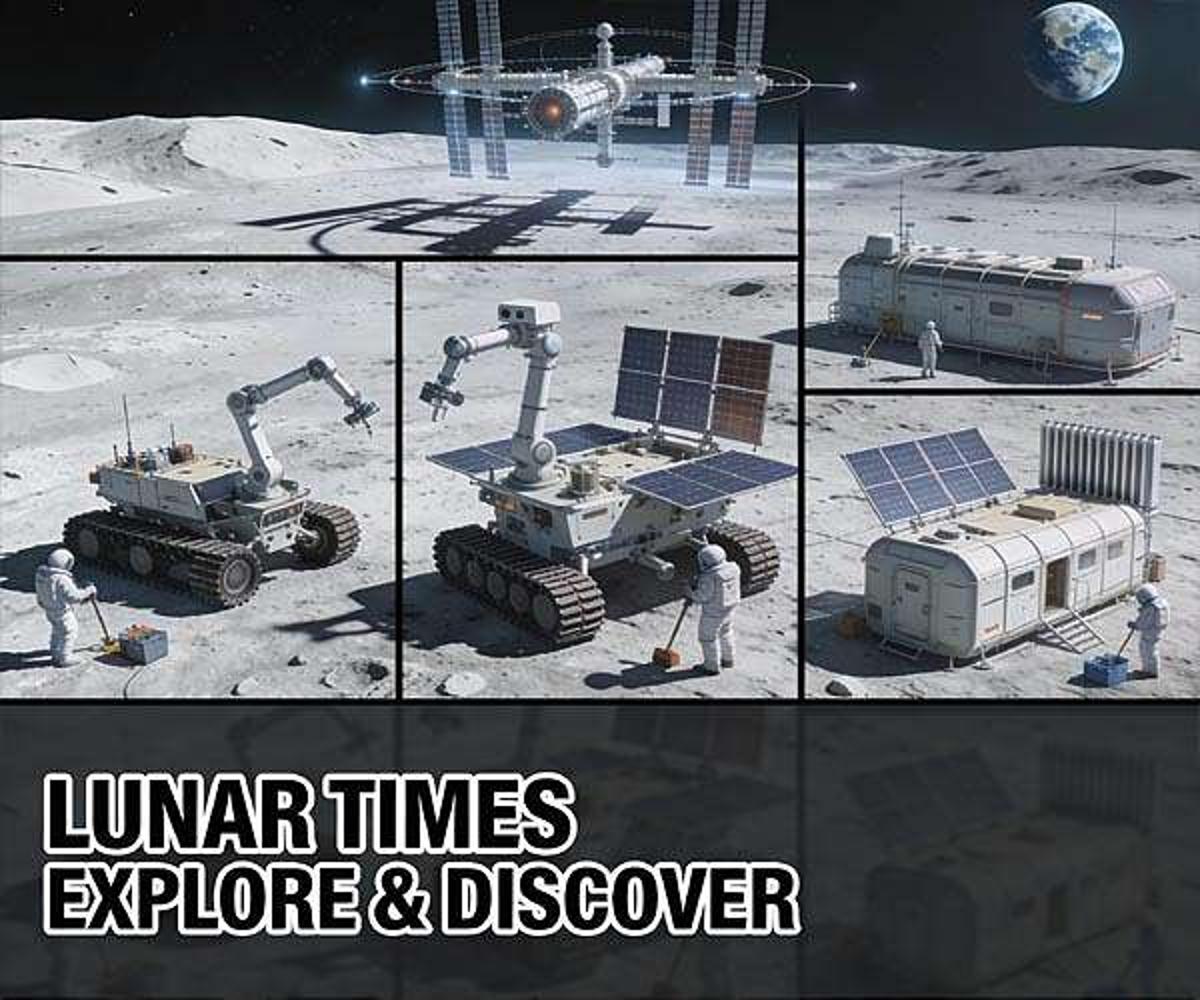
Hostage to the Moon - How Artemis Became Industrial Welfare in a Space Suit - Part 2
NASA's revised Artemis plan keeps the SLS Block‑1 configuration, adds yearly flights, and leans on SpaceX and Blue Origin landers, preserving jobs and contracts. The February 2026 overhaul cancels the Block‑1B upgrade and Mobile Launcher 2, but expands the flight cadence through...
A History of Entry, Descent, and Landing for Mars Space Probes
The entry, descent, and landing (EDL) of Mars probes has progressed from hard‑impact crashes to sophisticated systems like airbags, legged landers, and the sky‑crane. Each method emerged to address the planet’s thin, variable atmosphere and the mass limits of payloads,...

GalaxEye Space to Build 300 Kg OptoSAR Satellites. First 2-in-1 Satellite to Be Launched by SpaceX Rocket Soon
Indian startup GalaxEye Space Solutions is preparing to launch the world’s first privately built OptoSAR satellite, a 190 kg platform powered by electric propulsion, aboard a SpaceX Falcon rocket within the next two to two‑and‑a‑half months. The Gen‑1 satellite, part of...
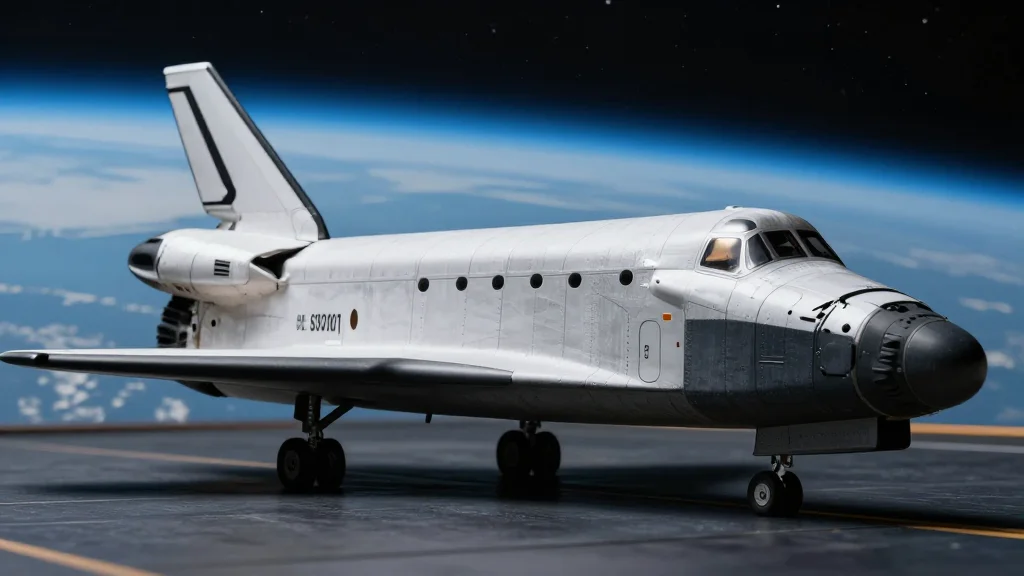
China Space Plane: What’s Up With Its Fourth Mission?
China’s reusable Shenlong space plane lifted off from Jiuquan on February 6 and is now on its fourth orbital mission, cruising at a 594 km circular orbit after thruster firings on February 9 and 12. The vehicle shows no evidence of deploying small...
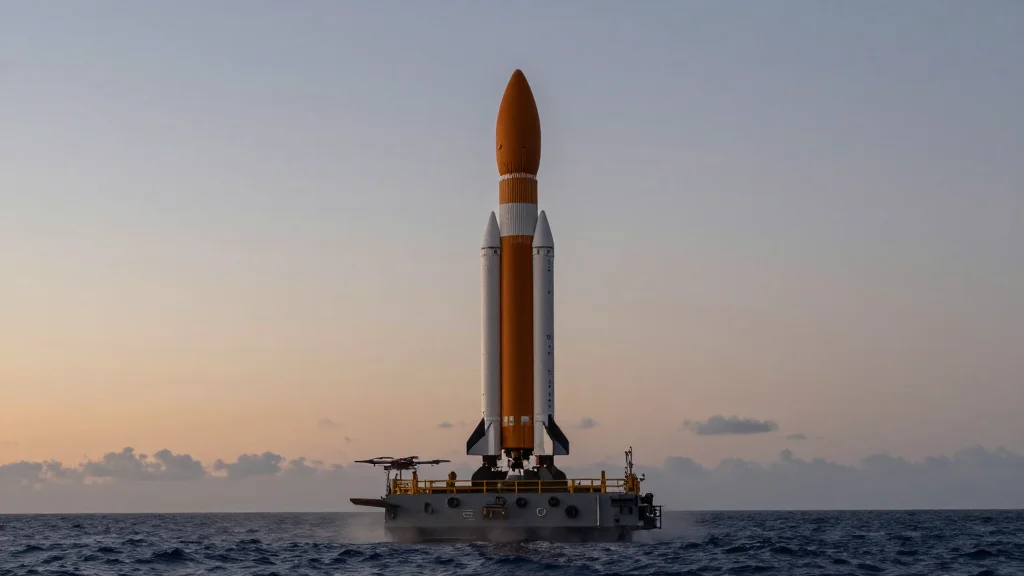
SpaceX Launches 25 More Starlink Satellites
SpaceX successfully launched 25 additional Starlink satellites aboard a Falcon 9 from Vandenberg Space Force Base. The rocket’s first stage marked its seventh flight, achieving a precise drone‑ship landing in the Pacific. With this mission, SpaceX’s 2026 launch tally of 29...

Apollo Cosplay on a 21st-Century Clock – Why Artemis Keeps Slipping Toward 2029 – Part 3
NASA’s Artemis program is reshaping its roadmap to echo Apollo, scheduling a crewed lunar flyby in 2026, a low‑Earth‑orbit rendezvous in 2027, and a south‑pole landing originally slated for 2028. The timeline now drifts toward 2029 as hardware setbacks, SLS...

A.i. Solutions Partners with USGS to Integrate AI Into Landsat Flight Operations
On March 5, 2026, a.i. solutions entered a CRADA partnership with the U.S. Geological Survey to embed artificial‑intelligence and machine‑learning tools into Landsat’s flight operations. The collaboration will automate anomaly triage, telemetry trending, and orbital mechanics analysis for the sun‑synchronous Landsat constellation....
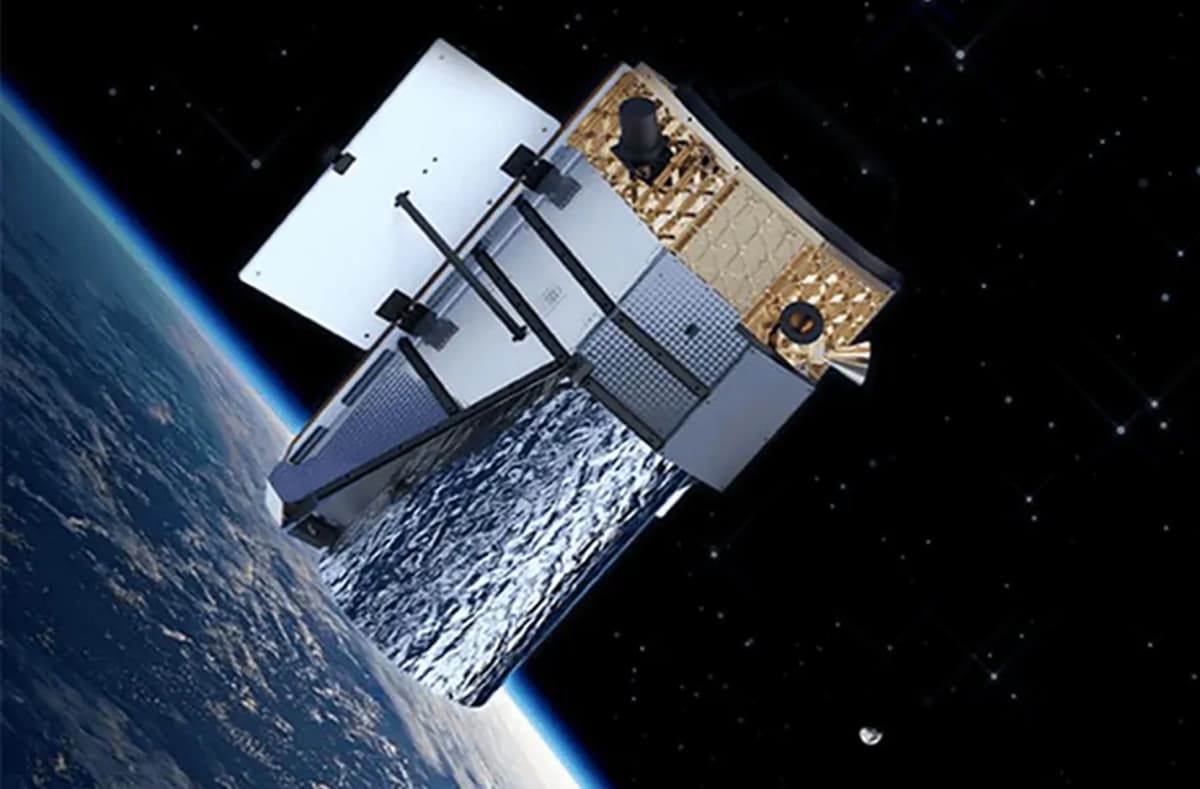
BlackSky Awarded $99M Air Force Contract for Advanced Optical Testbed; Lockheed Martin Expands Missile Production
The U.S. Department of Defense awarded BlackSky Geospatial Solutions a $99 million SBIR Phase III contract to build an advanced optical imaging testbed for the Air Force Research Laboratory. Simultaneously, Lockheed Martin Missiles and Fire Control received a $53.1 million contract modification to...

Space Launches Are Changing the Chemistry of Earth's Atmosphere, Studies Warn. Here's What Can Be Done
Recent studies warn that the surge in satellite launches and uncontrolled re‑entries is altering the chemistry of the middle and upper atmosphere. By the 2030s, re‑entering spacecraft could inject thousands to tens of thousands of tonnes of alumina and other...

EarthDaily’s Dave Gebhardt on the Future of Satellite Data in Agriculture
EarthDaily, formerly EarthDaily Analytics, rebranded to emphasize its satellite‑driven data focus. In June 2025 the company launched its first satellite, marking the start of a global constellation aimed at agriculture. It now offers daily, five‑meter resolution imagery and low‑touch analytics...

NASA Picks 16 Finalists for LunaRecycle Challenge Phase 2
NASA announced 16 finalists for Phase 2 of the LunaRecycle Challenge, a $3 million competition aimed at creating waste‑recycling technologies for lunar missions. The teams, drawn from 11 U.S. states, will spend the next six months refining prototypes or digital‑twin systems before...
March 8, 1986: The Second of Five Probes Flies by Halley’s Comet
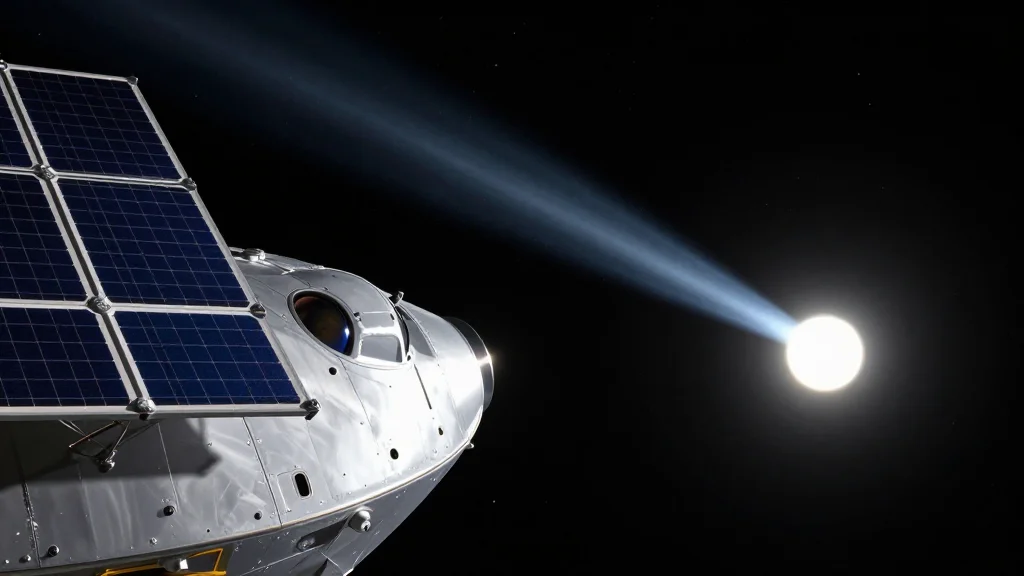
On March 8 1986, Japan’s Suisei probe became the second spacecraft to fly past Halley’s Comet, part of an international “Halley Armada” that also included two Soviet Vega probes, Japan’s Sakigake, and ESA’s Giotto. The comet’s perihelion occurred on February 9, placing it...

France’s Aldoria Inks Agreement With India’s AXISCADES For Optical Station Based SSA
French space‑tech firm Aldoria has signed a contract with Indian engineering company AXISCADES to deliver optical stations for Space Situational Awareness (SSA) in India. The first station will be deployed in 2026, with a phased rollout targeting more than a...

HEBI Robotics Awarded $850,000 Business Contract by NASA
NASA has granted HEBI Robotics an $850,000 Phase II SBIR contract to develop and test space‑rated actuation hardware. The two‑year effort will produce modular actuators and compatible avionics for low‑Earth‑orbit and geosynchronous missions. HEBI’s technology aims to survive ionizing radiation and...

A New Low Earth Orbit Regime Must Be Grounded in Geopolitics, Not Detached From It
Low Earth Orbit is on track to host up to half a million satellites by 2040, driven by aggressive mega‑constellation plans from both commercial firms and nation‑states. Existing licensing relies on UN notifications and national approvals, with little cross‑agency coordination,...

Israeli Space Startup Remondo Unveils A Unique Cost-Cutting Plan
Israeli startup Remondo unveiled its Partial Aperture Imaging System (PAIS), a novel approach that replaces costly large mirrors and sensors with rings of smaller mirrors, a light modulator and coding to achieve 30‑cm resolution imagery. The design cuts satellite development...
NASA Awards ULA’s Centaur-5 Upper Stage for Future SLS Launches
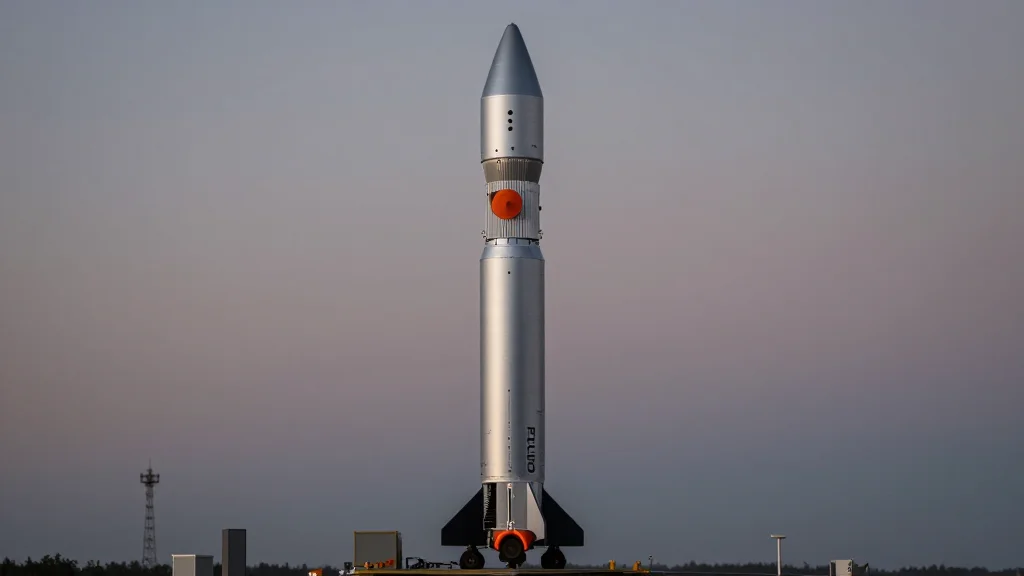
NASA announced a sole‑source contract awarding United Launch Alliance (ULA) the Centaur‑5 upper stage for future Space Launch System (SLS) flights after Artemis‑3. The decision leverages the proven RL10 engine heritage, compatibility with Mobile Launcher 1, and ULA’s existing work with...

Living in Space Can Change Where Your Brain Sits in Your Skull – New Research
A new MRI analysis of 26 astronauts reveals that microgravity causes the brain to shift upward and backward inside the skull, with movements up to more than 2 mm in year‑long missions. The study segmented the brain into over 100 regions,...
Book Review: The Islands and the Stars: A History of Japan’s Space Programs
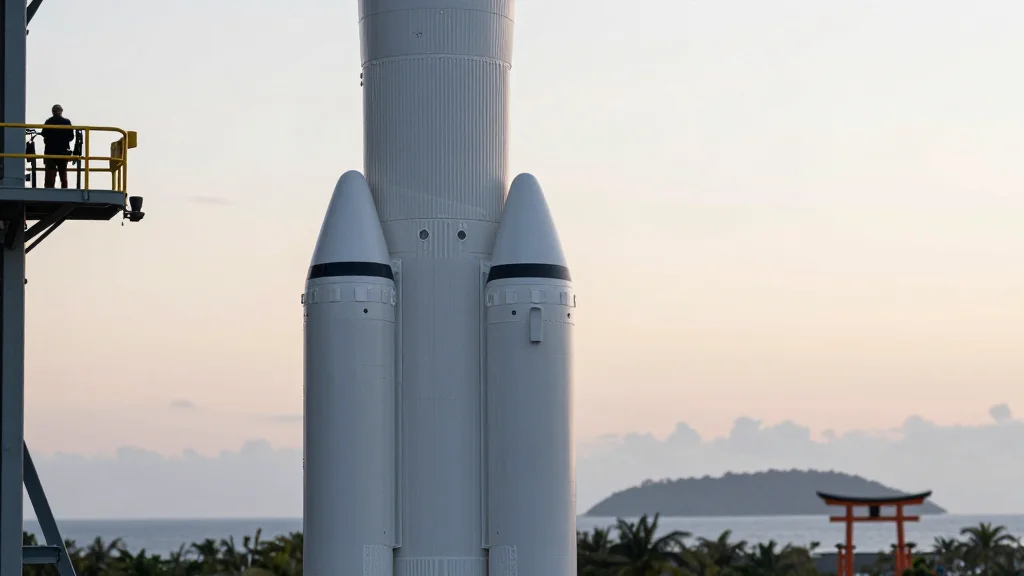
Subodhana Wijeyeratne’s "The Islands and the Stars" offers the first comprehensive English‑language chronicle of Japan’s space program, tracing its evolution from 1920s wartime rocketry to the 2003 creation of JAXA. The book highlights Japan’s early emphasis on unmanned missions, the...

Taiwan Ramps up Space-Defense Drive Amid Beijing Threats
Taiwan is fast‑tracking a government‑led space‑defense program to counter growing Chinese threats. The Taiwan Accelerator Plus (TAcc+) initiative, managed by ITRI and funded by the Ministry of Economic Affairs, has supported 42 startups developing satellites, rocket engines and geospatial tools...
USSF Eyes ‘Dual-Use’ Ways to Boost Space Superiority, Prep for Guardians in Orbit
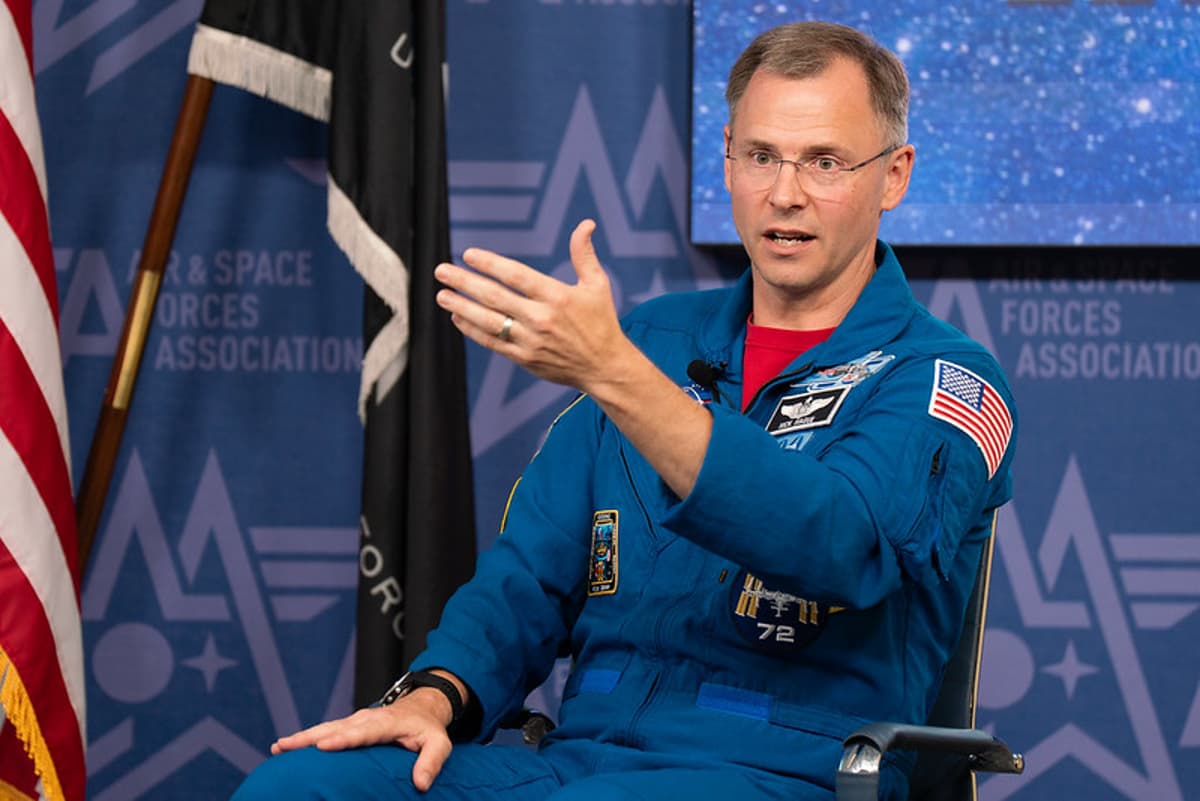
U.S. Space Force leaders are exploring dual‑use initiatives that can sustain today’s space‑superiority mission while laying groundwork for future Guardians—military astronauts—operating in orbit. At the AFA Warfare Symposium, officials warned that China’s fully integrated civil‑military space program could give it...