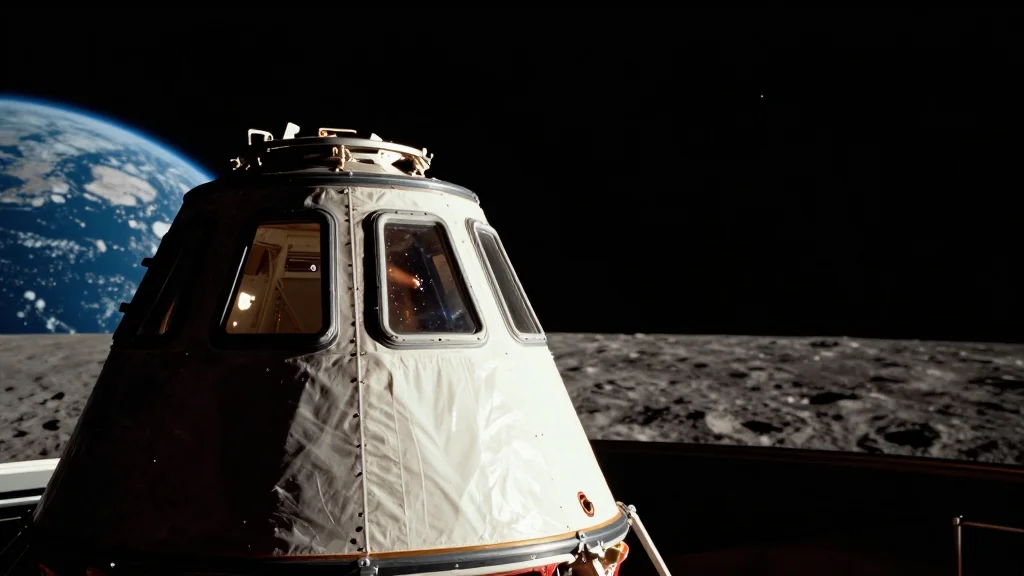
NASA Artemis II Moon Mission Live Launch Broadcast
NASA launched Artemis II, its first crewed flight under the Artemis program, from Kennedy Space Center at 1 p.m. today. The four‑person crew—Reid Wiseman, Victor Glover, Christina Koch and Canadian astronaut Jeremy Hansen—will spend roughly ten days circling the Moon. The mission’s primary objective is to validate Orion’s life‑support systems with humans aboard. Success will set the technical and operational foundation for subsequent Artemis landings and deeper exploration.

Who Owns the Moon’s Water? The Coming Legal War Over Lunar Resource Extraction Rights
The Moon’s south‑pole water ice is emerging as the first truly valuable commercial resource, promising a propellant depot that could slash deep‑space mission costs. While the 1967 Outer Space Treaty bars sovereignty claims, it remains silent on extraction, prompting a...

How Successful Space Businesses Identify Risk and Strengthen Resilience
Successful space firms now treat risk as a test of corporate survival, prioritizing cash generation, customer concentration, and balance‑sheet discipline over pure launch‑failure scenarios. Rocket Lab posted record $602 million revenue and a $1.85 billion backlog for 2025, while Planet reported $307.7 million...
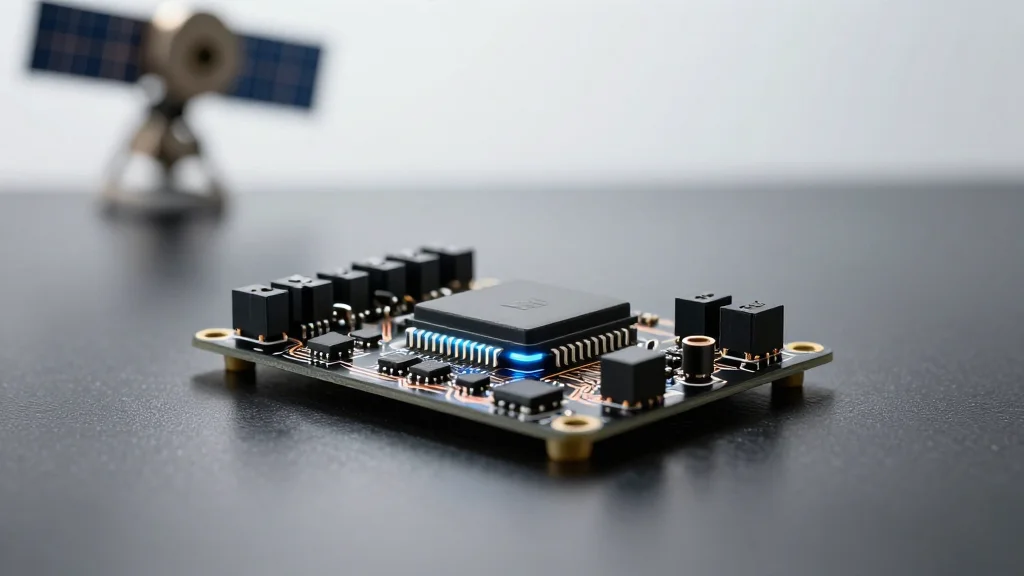
EPC Space Adds EPC7C010 and EPC7C011 Half-Bridge Buck Platforms for High-Rel and Rad-Hard Applications
EPC Space announced two new half‑bridge buck evaluation boards, the EPC7C010 (100 V/20 A) and EPC7C011 (200 V/10 A), built around radiation‑hardened eGaN HEMTs and isolated gate drivers. Both platforms are optimized for 350 kHz operation but can run from 50 kHz to 1.5 MHz, delivering peak...
From Apollo to Artemis, and Then Beyond
The Apollo program not only secured the 1960s Space Race but also acted as a catalyst for the nascent digital industry, absorbing roughly 60% of the decade’s microchip output. Its cultural resonance inspired generations of engineers and programmers, embedding technology...

Saltzman: Space ‘Baked Into’ Modern Combat Operations
U.S. Space Force chief Gen. Chance Saltzman said the service is now "baked in" to modern combat, supplying missile‑warning, satellite communications and electronic‑warfare capabilities that underpin joint operations from Iran to Venezuela. He highlighted the force’s role in the February...
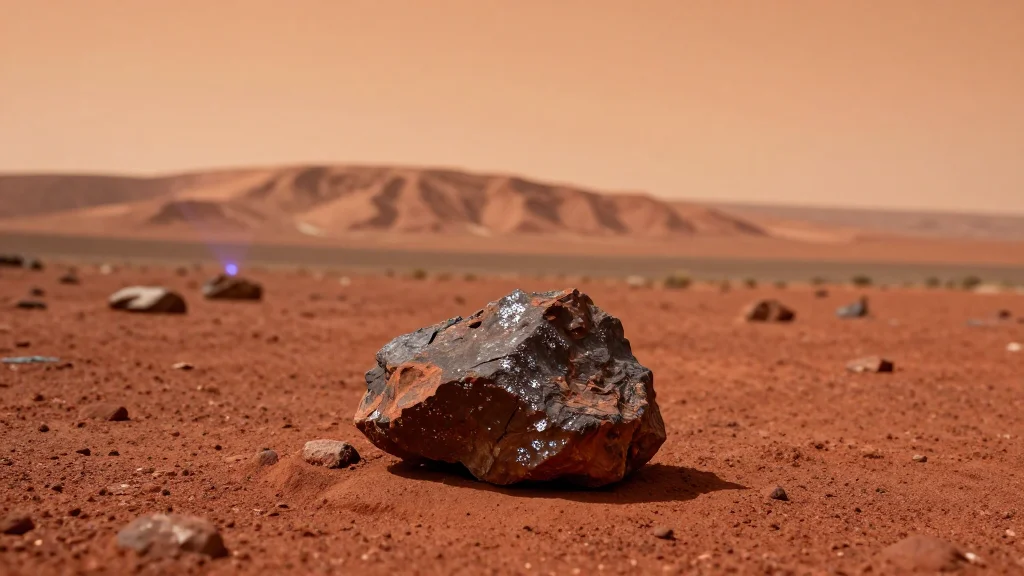
Nickel-Rich Rocks Discovered by Perseverance Hint at Complex Chemistry on Early Mars
Perseverance’s instruments detected unusually high nickel concentrations—up to 1.1 % by weight—in 32 sedimentary rocks within Neretva Vallis, the ancient river channel feeding Jezero crater. The nickel is tightly associated with iron‑sulfide minerals and sulfate phases such as jarosite and akaganeite,...
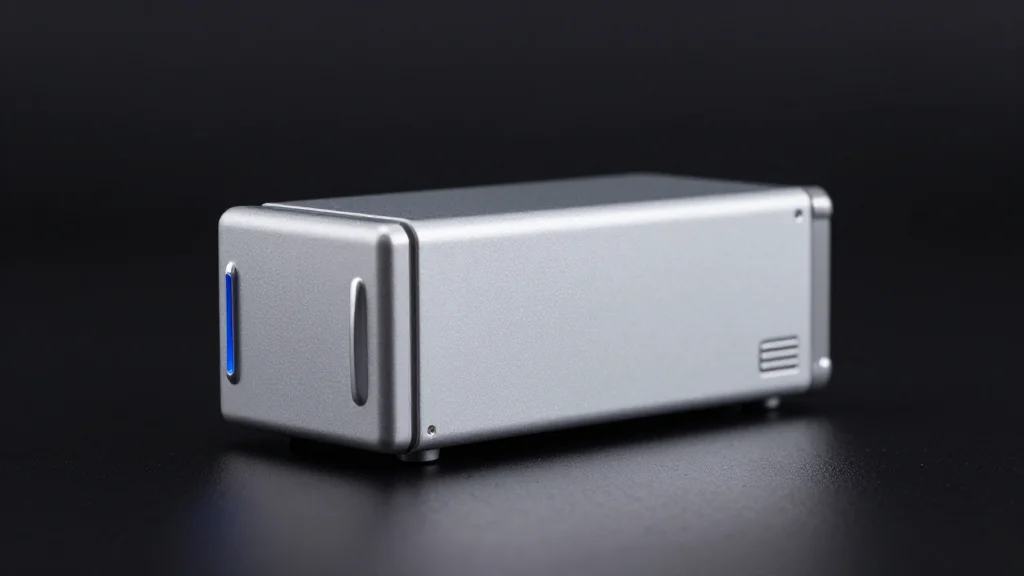
Aspect Aerospace Raises $2.4M To Develop Single-Board Satellites for Space-Based Environmental Monitoring
Aspect Aerospace announced two financing milestones: a $1.9 million Direct‑to‑Phase II SBIR award from the U.S. Space Force and a $500 000 pre‑seed investment from its incubator SOSV, totaling $2.4 million. The company’s Single‑Board Satellite (SBS) platform packs up to 100 miniature satellites onto...

TOP 5 Most Notable US Rocket Launch Sites with Long Histories
The United States now operates a mixed network of government‑run and privately‑licensed launch sites, with twelve commercial spaceports complementing four federal facilities. Vandenberg Space Force Base tops the list with over 700 launches since 1959, while Cape Canaveral Air Force...

FCC Seeks Comment on Expanding Spectrum Access for “Weird Space Stuff”
On March 31, 2026 the FCC issued a Notice of Proposed Rulemaking to broaden spectrum access for emerging commercial space activities such as in‑space servicing, lunar missions, and private orbital labs. The proposal targets the 2320‑2345 MHz band and formalizes piggyback...
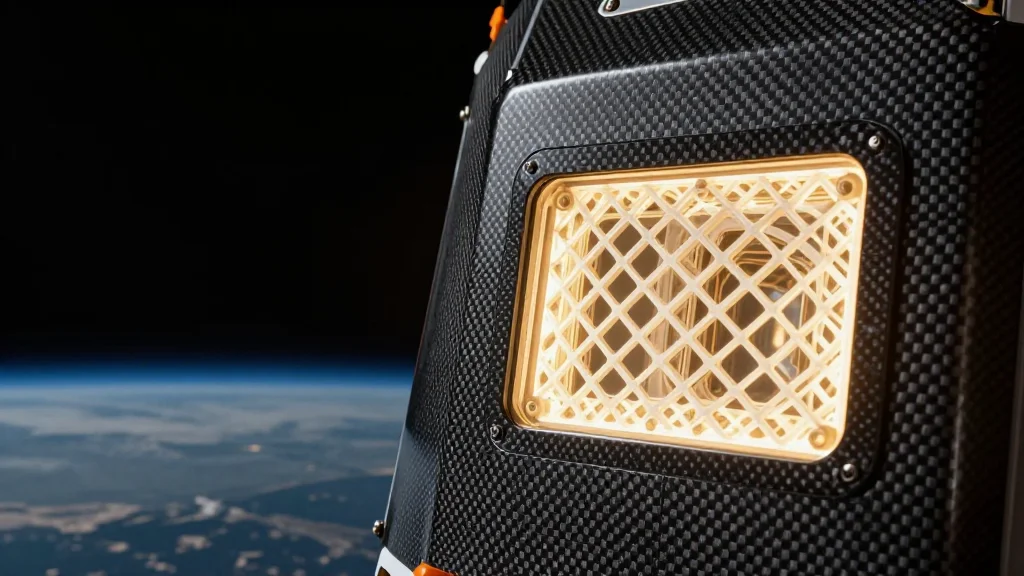
What It Takes to Keep Astronauts Safe in Deep Space
NASA’s Artemis II mission will launch this week, sending four astronauts on a ten‑day lunar flyby to validate deep‑space life‑support and hardware. Materials scientist Debbie Senesky explains that the mission relies on advanced composites, carbon‑fiber structures, and emerging 3‑D‑printed parts to...

How to Watch NASA’s Artemis II Moon Launch Online
NASA’s Artemis II mission, the first crewed lunar flyby in more than five decades, is slated for launch on Wednesday evening, April 1, 2026. The flight will circle the Moon before returning to Earth, marking a pivotal step toward a permanent lunar presence....
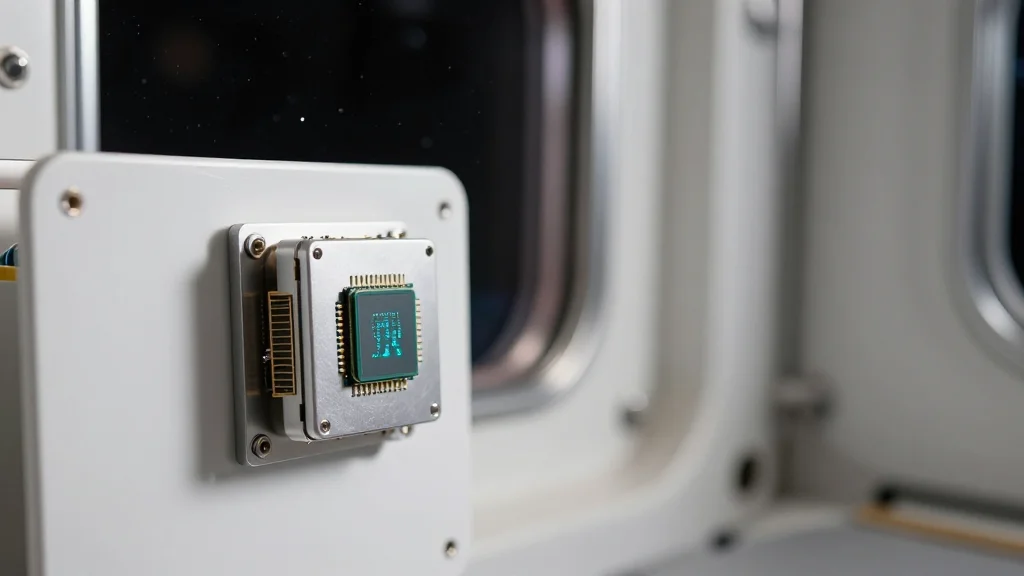
CERN Timepix Chips Fly to the Moon
Artemis II launched with six CERN‑developed Timepix chips integrated into NASA’s Hybrid Electronic Radiation Assessor (HERA) system. The detectors will monitor real‑time radiation composition, intensity, and energy as the crew passes through the Van Allen belts and encounters galactic cosmic rays....
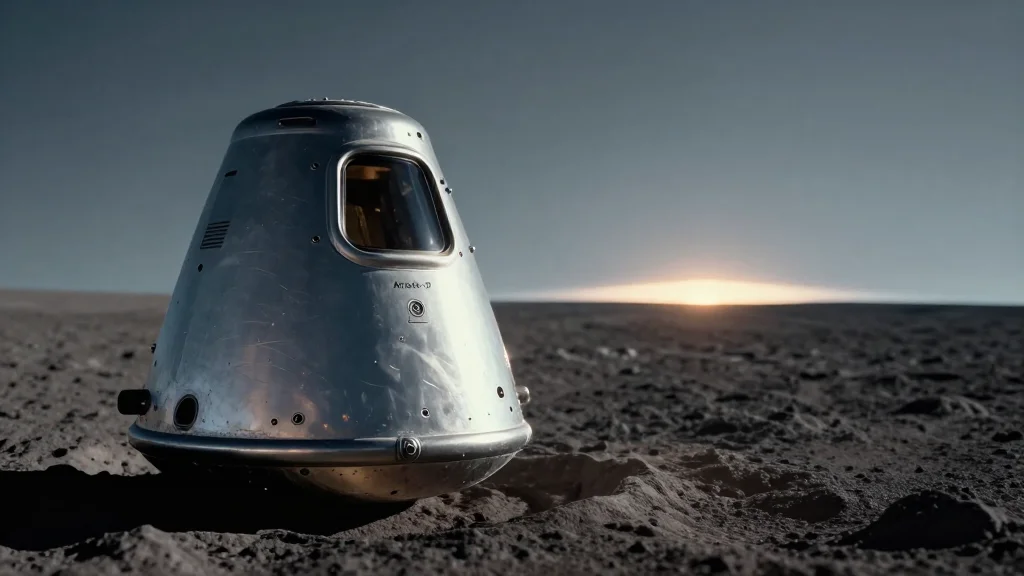
AIAA Anticipates Artemis II Launch with Collection of Technical Papers
AIAA announced a complimentary collection of technical papers tied to NASA’s Artemis II mission, drawing from the Journal of Spacecraft and Rockets and AIAA SciTech Forum papers published between 2024 and 2026. The papers are hosted on AIAA’s Aerospace Research Central...
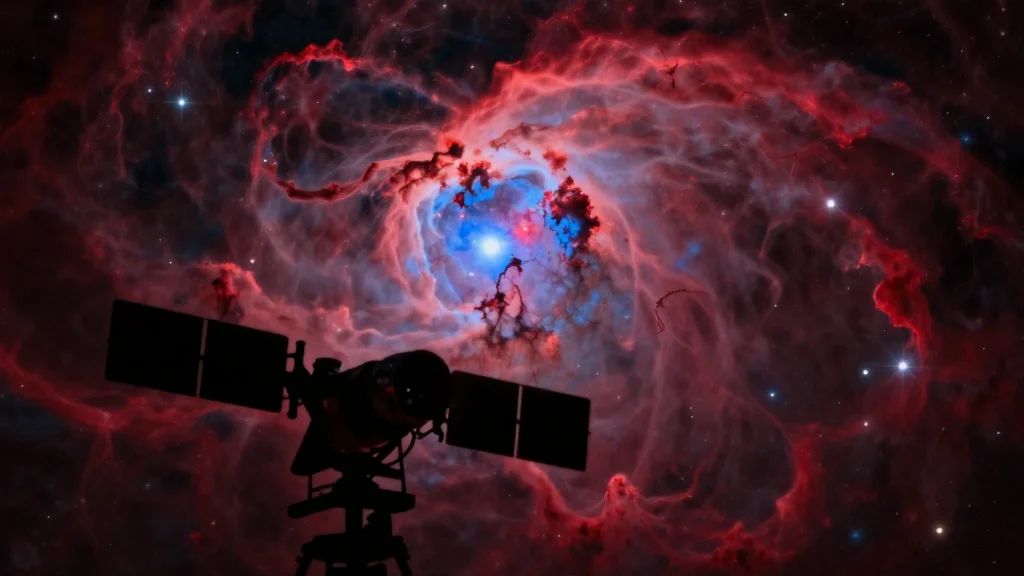
Researchers Use JWST to Reveal Hidden Details of W51 Star Formation
Astronomers using the James Webb Space Telescope have obtained unprecedented infrared images of the W51 star‑forming complex, exposing dense cores and massive protostars previously hidden by dust. The observations include high‑resolution spectroscopy that maps gas outflows, shock fronts, and chemical...
April-June 2026 Issue of Aerospace America Now Live
The April‑June 2026 issue of Aerospace America is now live, featuring the cover story “The New Space Race” by Leonard David and associate editor Cat Hofacker. The article examines the United States’ renewed push to land astronauts on the Moon, a goal...

Avi Rosenthal: A Risky Tradeoff in the Race for GPS Backup
U.S. regulators are reviewing NextNav’s proposal to repurpose the lower 900 MHz band for high‑power terrestrial PNT services, a move that would displace billions of low‑power, unlicensed IoT devices. Industry groups warn that even intermittent interference could degrade or disable life‑safety...

We’re Creating a New Satellite Imagery Map to Help Protect Brazil’s Forests.
Google has partnered with Brazil’s government to produce the nation’s first high‑resolution satellite imagery map of its 2008 forest landscape. By processing thousands of historic images and removing clouds, the map delivers detail up to six times finer than previous...

Exclusive: In-Orbit Manufacturing Startup Dispatch Emerges From Stealth
Dispatch, a Y Combinator‑backed startup, emerged from stealth with $500,000 seed funding to develop an uncrewed orbital manufacturing station. The company will use in‑house designed, single‑use reentry vehicles to ferry payloads, starting with a 30 kg test flight in 2027 and...

Virgin Galactic Reopens Ticket Sales with Out-of-This-World Price Hikes
Virgin Galactic has reopened suborbital ticket sales, raising the price to $750,000 per seat from $600,000 in 2023. The company plans to launch commercial flights in Q4 2026 after completing flight‑test milestones for its new Delta‑Class spacecraft. CEO Michael Colglazier said...

Antaris Raises $28M Series A
Antaris announced a $28 million Series A round led by WestWave Capital, with participation from Lockheed Martin Ventures and other investors. The capital will accelerate development of its AI‑powered Antaris Intelligence platform, especially the TrueTwin digital‑twin tool that simulates satellite operations before...

A New Kind of Geosynchronous Orbit
The article introduces On‑Earth Orbit (OEO), a proposed satellite architecture that operates at ground level while remaining geosynchronous, promising near‑zero latency for internet services. By staying close to users, OEO eliminates the 300 ms lag typical of GEO and avoids the...

From the Midwest to the Moon
NASA’s Artemis 2 mission, slated for a spring 2026 launch, will put Orion into lunar orbit for the first time since Apollo. While the launch pad remains in Florida, the mission’s critical testing and hardware development are anchored in Ohio, home...

The Florida Model for Sustainable Aerospace Growth
Space Florida, created as a public corporation two decades ago, has built a sustainable aerospace ecosystem by emphasizing long‑term partnerships rather than short‑term cash incentives. The agency conducts venture‑capital‑style due diligence, aligning state infrastructure, workforce and market outlook before committing...

InterCosmos Bags Early Stage Funding From IAN Angel Fund for Its Non-Toxic Propulsion Technology
InterCosmos, a Chennai‑based space‑tech startup, secured early‑stage capital from the IAN Angel Fund to fast‑track its HyperX non‑toxic propulsion system. The undisclosed investment will fund development and flight qualification, positioning HyperX as a safer, high‑performance alternative to conventional toxic propellants....

Inside a Bold Plan to Pulverize an Earth-Bound Asteroid
Researchers at UC Santa Barbara propose "Pulverize It," a planetary‑defense concept that would shatter hazardous asteroids using Falcon 9‑launched penetrators, ranging from tungsten rods to nuclear explosives. Simulations on NASA supercomputers suggest fragments sized 13‑16 feet would vaporize in Earth’s atmosphere, minimizing ground impact....

Xovian Aerospace Raises $2 Mn Led by Ashish Kacholia
Satellite RF intelligence startup Xovian Aerospace announced a $2 million strategic investment round led by Ashish Kacholia. The funding brings its total capital to $4.5 million, following a $2.5 million pre‑seed round last year. Xovian will use the new capital to accelerate satellite...

Vantor Wins Intelligence Agency Contract to Monitor Space Objects
Vantor, a commercial Earth‑intelligence firm, won a $2.3 million contract from the National Geospatial‑Intelligence Agency to monitor low‑Earth‑orbit objects. The award is the first NGA Luno task order focused on non‑Earth imaging, expanding the agency’s $500 million Luno A/B framework. Vantor will...

Ispace and UEL Sign Lunar Payload Agreement
Japanese lunar‑services firm ispace and South Korean rover maker UEL have signed a payload service agreement to transport UEL’s SCARAB rover to the Moon. The two‑wheeled, 2 kg rover will ride aboard ispace’s ULTRA lander on Mission 3, scheduled for launch in...

Paratus Launches Starlink-Powered Connectivity for Africa’s Essential Services
Paratus Group has unveiled Paratus Essential Access, a Starlink‑powered satellite service that delivers high‑speed, low‑latency connectivity to essential‑service organisations across Africa. The offering targets law enforcement, hospitals, schools, emergency responders, and agricultural initiatives, providing preferential pricing and priority support. It...
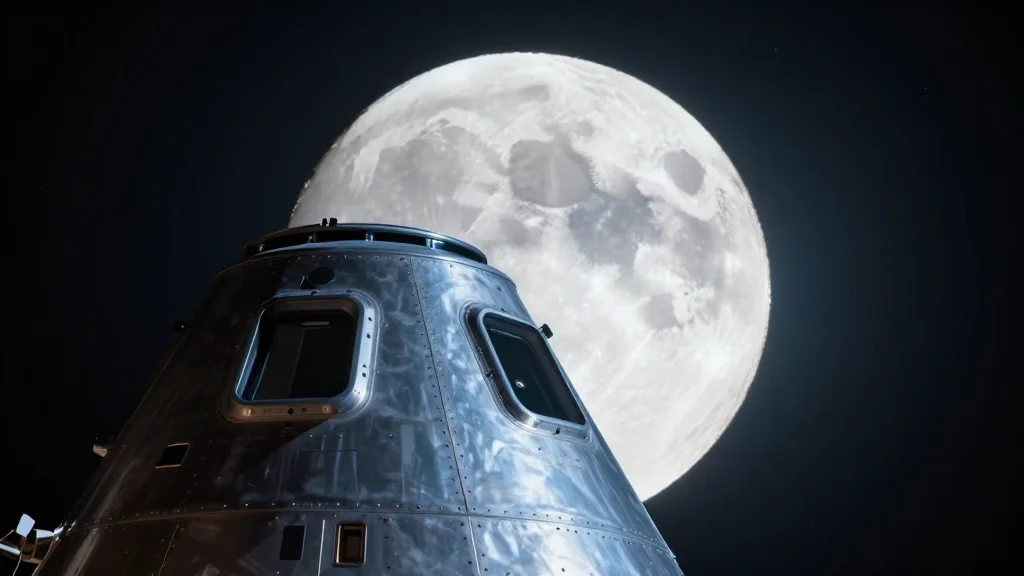
Retired NASA Astronaut Leland Melvin on the Goal of Artemis II and Its Significance
Artemis II, the first crewed lunar flyby in over five decades, launched today with four astronauts aboard NASA's Orion capsule. The mission will circle the Moon and return to Earth in just under ten days, testing life‑support systems and the interim...

SpaceLocker Launches First Shared Satellite Mission
SpaceLocker has moved from an in‑orbit hosting service to a full satellite operator with its first owned CubeSat, Out of the Box. The 16U, 20‑kg platform carries five European payloads using a patented universal space port that works like a...

Géraldine Naja Takes up Duty as Director of Space Transportation
Géraldine Naja assumed the role of Director of Space Transportation at the European Space Agency on 1 April 2026, while also serving as acting director of the newly named Commercialisation and Industry Partnership directorate. Her appointment follows the retirement of Toni Tolker‑Nielsen, who...

Max Space Thunderbird Station: Can Inflatable Habitats Replace the ISS by 2030?
Max Space plans to launch its Thunderbird inflatable station in 2029, positioning it as a full‑scale commercial habitat to replace the ISS after its 2030 retirement. The design relies on a compact launch package that expands in orbit, delivering more...

NASA Is Leading the Way to the Moon, but the Military Won't Be Far Behind
NASA’s Artemis II mission, the first crewed flight near the Moon since 1972, launched from Kennedy Space Center with two Navy test pilots at the helm. The U.S. Space Force provided range safety, abort monitoring, and will recover the Orion capsule...

How the Space Force Is Supporting NASA’s Artemis II Mission
The U.S. Space Force’s Space Launch Delta 45 is providing extensive range support for NASA’s Artemis II crewed lunar mission, scheduled for launch on April 1. Because the Space Launch System lacks an autonomous flight‑safety system, the range will staff roughly 28...
In Satellite Internet News
SpaceX has quietly filed a confidential IPO with the SEC, aiming for a June market debut and a potential valuation of $1.75 trillion, one of the largest ever for an aerospace firm. In parallel, Amazon struck a partnership with Delta Air...
Space Tech Specialist Type One Sees Growing Opportunities in Japan
US venture capital firm Type One Ventures, a specialist in space‑technology investments, announced the opening of a Tokyo office to deepen relationships with Japanese corporates. The move aligns with Japan’s national space agency JAXA committing roughly $6.7 billion to a ten‑year...

Yes, NASA's Launching Artemis 2 Astronauts to the Moon on April Fools' Day. It's Not a Joke.
NASA is set to launch Artemis 2, its first crewed lunar flyby, on April 1, 2024, from Kennedy Space Center’s Pad 39B. The four‑person crew—Reid Wiseman, Victor Glover, Christina Koch, and Canadian astronaut Jeremy Haines—will spend ten days orbiting the Moon aboard the...
Faced With Starlink Competition, Ground Segment Leaders Turn to Orchestration, Specialization
Ground‑segment providers are feeling the pressure of vertically integrated LEO megaconstellations such as Starlink and Amazon Leo, which manufacture their own user terminals and drive prices to rock‑bottom levels. Executives from Ovzon, SpaceBridge and Comtech warned that the traditional consumer‑grade GEO...
Air Force Awards BlackSky $99M to Large Aperture Optical Payload for Space-Based Imaging
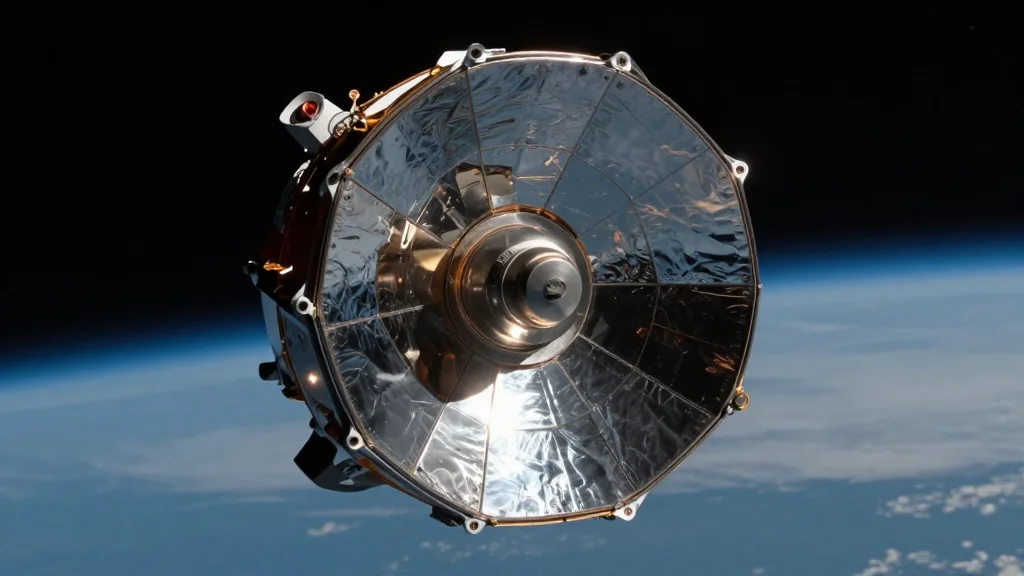
The U.S. Air Force Research Laboratory awarded BlackSky Technology a $99 million contract to develop a low‑cost, large‑aperture optical payload for space‑based imaging and space‑domain awareness. An initial $2.1 million FY‑2026 R&D obligation will jump‑start design work, with the SBIR Phase III award...
News Outlets Share Coverage Plans for Historic Artemis II Launch
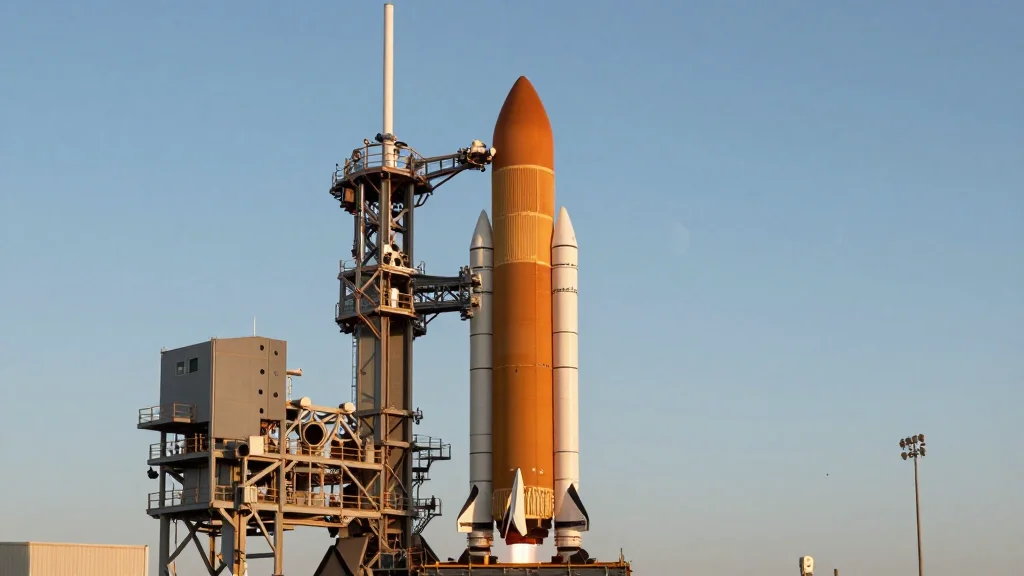
NASA is set to launch Artemis II on April 1, 2024, sending a four‑person crew—Commander Reid Wiseman, pilot Victor Glover, astronaut Christina Koch, and Canadian astronaut Jeremy Hansen—on a ten‑day lunar orbit test flight. The mission will ride the Space Launch System (SLS) and...

Top Space Lawmaker on Moon Base, Artemis Plans
Rep. Mike Haridopolos, chair of the House space subcommittee, voiced strong congressional backing for NASA’s expanded lunar agenda, which includes a permanent Moon base, monthly uncrewed landings beginning in 2027, and a crewed return in 2028. He highlighted Artemis II’s upcoming...

Watch Live: Artemis II Launch
Artemis II, NASA’s first crewed mission to the Moon in over five decades, is slated for launch on 1 April 2026 at 18:24 local time. The European Service Module (ESM) will deploy solar arrays eight minutes after liftoff, provide power and propulsion, and...

Artemis 2 Countdown Continues – No Issues
NASA’s Artemis II mission is on track for a 6:24 p.m. EDT launch on April 1, 2026, with the countdown now entering the L‑15H30M window. All non‑essential personnel have cleared Launch Complex 39B and critical pre‑launch activities such as nitrogen inerting and ground launch...

Duagon Computing Hardware Set for Deployment to the International Space Station
On March 31, 2026 duagon announced its high‑availability Conduction Cooled Assembly will launch to the International Space Station in April, integrating into the Columbus module. Developed with Space Applications Services, the system uses CompactPCI Serial modular cards—including a G028 CPU,...

GomSpace Secures 8.8 MSEK Authorization to Proceed From Unseenlabs for Next Constellation Tranche
GomSpace received an Authorization to Proceed from French RF‑maritime intelligence firm Unseenlabs, valued at €815,000 (about $890,000) or 8.8 MSEK (≈ $828,000). The ATP lets GomSpace start buying long‑lead components for Unseenlabs’ next microsatellite batch, keeping the 2026‑27 launch cadence on...

Space Start-Ups Gain Siemens Nous
Siemens has joined the European Space Agency’s EPIC programme, offering its Xcelerator software suite and digital‑twin capabilities to start‑ups nurtured by ESA Business Incubation Centres. The partnership gives fledgling space firms access to virtual design, simulation and engineering tools that...

Oops! NASA Once Lost a $125 Million Spacecraft Because Engineers Forgot to Convert to Metric
The Mars Climate Orbiter, a $125 million NASA mission launched in 1998, was lost in September 1999 when it descended far too low over Mars. The failure was traced to a simple unit‑conversion mistake: Lockheed Martin’s navigation software used Imperial units instead of...

Scottish Rocket Firm Skyrora Shortlisted for British Business Awards
Edinburgh‑based Skyrora has been shortlisted for Technology Company of the Year at the British Business Awards, a competition run with The Times and The Sunday Times. The shortlist places the rocket firm alongside energy leader Octopus Energy and fintech outfits...