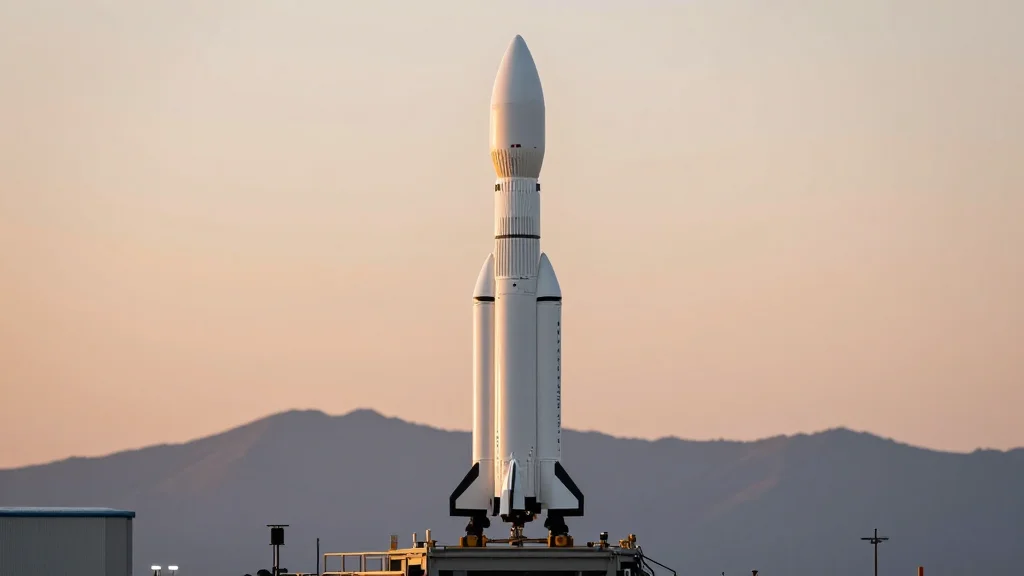
SpaceX Launch From Vandenberg at 7:41 Tonight, April 05
SpaceX scheduled a launch from Vandenberg Space Force Base at 7:41 p.m. PT on April 5, 2026. The mission is expected to carry a rideshare payload of multiple small satellites destined for a sun‑synchronous orbit. The launch window was chosen to maximize visibility across the southwestern United States. This flight adds to SpaceX’s growing West Coast launch cadence following recent successes from both coasts.
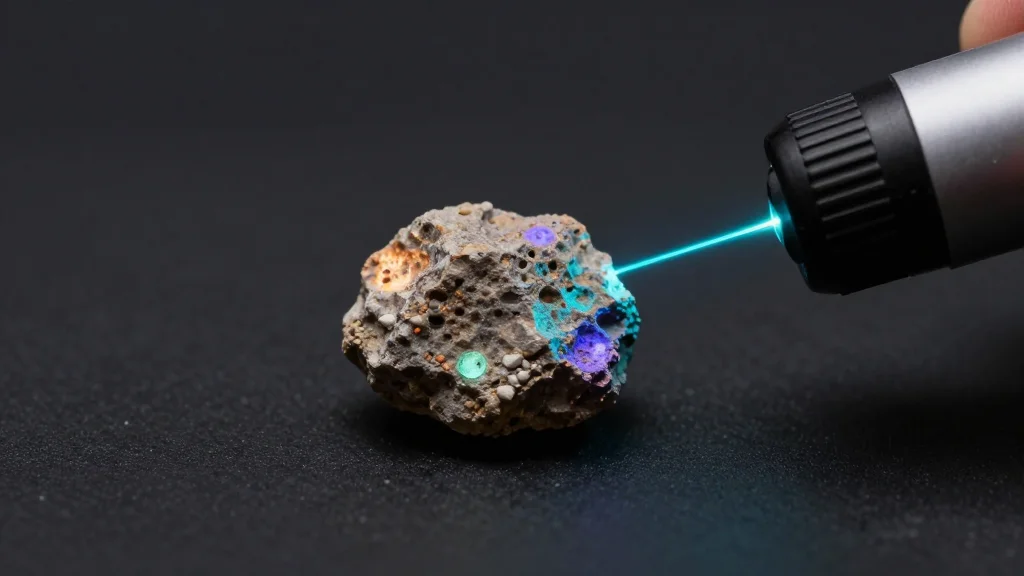
Bennu Sample Reveals How Water Flowed Through the Newly Forming Asteroid
A team led by Mehmet Yesiltas used nanoscale infrared and Raman spectroscopy to examine NASA's OSIRIS‑REx sample from asteroid Bennu, uncovering three chemically distinct domains at ~20 nm resolution. The domains—aliphatic‑rich, carbonate‑rich, and nitrogen‑bearing organic‑rich—show that water migrated through the asteroid...

Maximum Theoretical Falcon 9 Launch Rate for SpaceX in 2026
SpaceX’s Falcon 9 launch cadence in 2026 is bounded by pad capacity rather than booster availability, capping the theoretical maximum at roughly 155‑165 flights. The company’s own guidance points to a likely range of 140‑145 launches, while a worst‑case scenario could...

Planet Labs Imposes Indefinite Blackout on Iran Satellite Imagery at U.S. Request
On April 5, 2026 Planet Labs announced an indefinite suspension of satellite imagery covering Iran and surrounding Middle East conflict zones, following a direct request from the U.S. national‑security team. The blackout, retroactive to March 9, replaces the previous 14‑day delay...
NASA’s Fiscal Year 2027: Thumbs Up…Thumbs Down?
The White House’s FY 2027 budget request proposes a 23% cut to NASA’s overall funding, slashing the agency’s budget to roughly $11 billion. Within that, the Science Mission Directorate would be reduced by 47%, dropping from $7.25 billion to about $3.9 billion. The Planetary...

Venus Has A Giant Volcanic Cave Beneath Its Surface
A University of Trento team re‑examined NASA’s 1990s Magellan radar data and identified a massive volcanic cave beneath the Nyx Mons region on Venus. The skylight‑like pit is roughly 1 km wide, with a 150 m thick roof, 375 m height and a 45 km‑long...

China Reveals Military Capabilities in New Space Solar Power Plant Design
China’s Zhuri program has unveiled a revamped OMEGA design that replaces a single massive orbital power station with a modular array of smaller solar‑collecting units. The new architecture emphasizes ultra‑narrow, steerable microwave beams capable of both wireless power transmission and...

Satellite Services for Weather Forecasting Market Analysis 2026
The global satellite weather services market surpassed $2.5 billion in 2024 and is projected to grow around 7.5% annually through 2028. Commercial operators such as Spire Global, Tomorrow.io and GeoOptics are increasingly supplying high‑resolution atmospheric data—especially GNSS radio‑occultation profiles—that complement traditional...

Satellite Mirror Plans Could Disrupt Sleep and Ecosystems Worldwide, Scientists Say
Scientists from four international chronobiology societies warned the FCC that Reflect Orbital’s proposed reflective mirrors and SpaceX’s plan to launch up to one million low‑Earth‑orbit satellites could dramatically alter the natural night‑time light environment. The mirrors would project 5–6 km wide beams...

The Complete Engineering Story of the James Webb Space Telescope’s Sunshield: Five Layers of Kapton Thinner than a Human Hair...
NASA’s James Webb Space Telescope relies on a five‑layer Kapton sunshield, the size of a tennis court, to passively cool its instruments to roughly 40 Kelvin. Each layer, thinner than a human hair, is coated with silicon or aluminum to reflect...

Mint Explainer | India Finds a Space Surveillance Market. Why Regulations May Pose a Challenge
Since India liberalized its space sector in 2020, private startups have begun offering satellite‑based surveillance services, a capability now in high demand due to conflicts such as the West Asia war. Indian firms see a lucrative market serving defense and...

The $93 Billion Question: Is the Artemis Program Worth It?
NASA’s Artemis program is now projected to cost about $93 billion through fiscal year 2025, with each SLS‑Orion launch soaring to roughly $4.2 billion. The figure reflects cumulative spending on the heavy‑lift rocket, Orion capsule, ground systems and early lunar gateway work, despite...
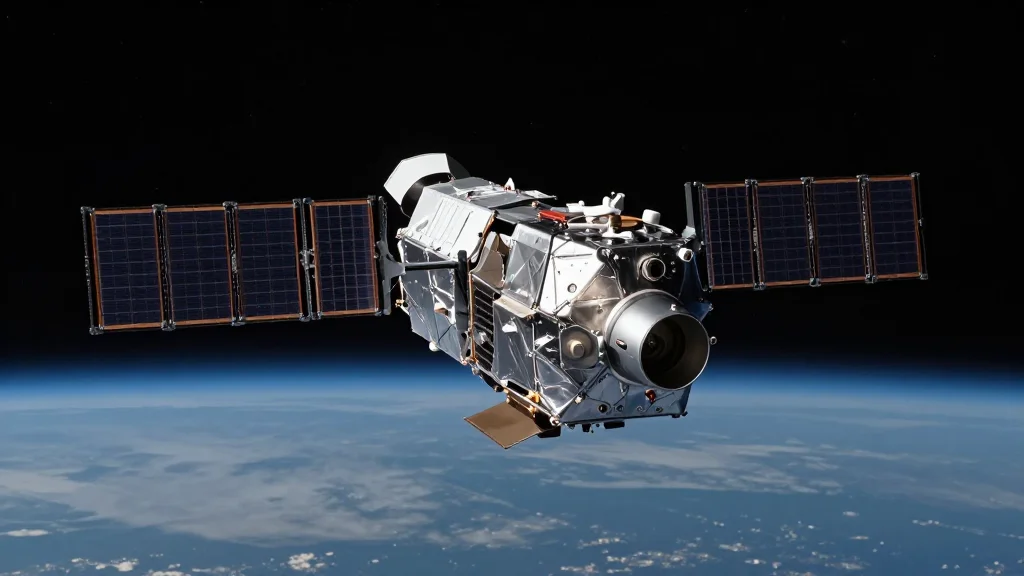
Satellite Firm Planet Labs to Indefinitely Withhold Iran War Images
Planet Labs announced it will indefinitely withhold all satellite imagery of Iran and the surrounding conflict zone, complying with a U.S. government request. The firm had already imposed a 14‑day delay on Middle East images last month, but now blocks...

India’s NavIC Satellite Network Faces 15–18 Month Revival
India’s NavIC satellite navigation system is projected to need another 15‑18 months to regain partial functionality, according to a parliamentary committee report. Only three of the eleven launched satellites currently deliver positioning, navigation and timing services, and their performance is...

NASA’s Artemis II Moon Mission Is Gearing up for Its Lunar Flyby
NASA’s Artemis II crew has passed the mission’s halfway point and is gearing up for a five‑hour lunar flyby on Monday, April 6. Astronauts Victor Glover, Jeremy Hansen, Christina Koch and Reid Wiseman will photograph the Moon’s far side, targeting the massive Orientale...

Space42 and Viasat: Contract Close for 2800 Satellites
Space42 and California‑based Viasat are on the verge of signing a contract to build a 2,800‑satellite low‑Earth‑orbit (LEO) mega‑constellation under the Equatys joint venture. The fleet, slated for launch between 2029 and 2030, will operate at three altitude bands and...

Impulse Space, Anduril Building Space Technology for Golden Dome
Satellite startup Impulse Space is partnering with defense contractor Anduril Industries to develop space‑based interceptor prototypes for the Pentagon’s Golden Dome missile‑defense program, a concept championed by former President Donald Trump. The Pentagon selected both firms to design interceptors that...

AI Satellites Lock Onto Ocean Garbage Patches To Supercharge Cleanups
European Space Agency’s Sentinel‑2 satellites are being equipped with AI‑driven image recognition to locate ocean plastic patches. The ADOPT program combines these detections with predictive drift models, giving cleanup teams a 24‑hour window to target debris. Cloud interference hampers optical...

Video: Artemis 2 Flight Day 3 Highlights – Orion Crew, Including Canada’s Jeremy Hansen, Are Now Closer to the Moon...
On Flight Day 3 of NASA’s Artemis 2 mission, the Orion crew crossed the halfway point, becoming closer to the Moon than to Earth. A planned outbound trajectory correction burn was evaluated and then canceled, preserving valuable propellant. The astronauts performed a...

NASA’s $30 Million Space Toilet Broke Down Hours Into Artemis Moon Mission
NASA’s Artemis II mission encountered a malfunction in its $30 million Universal Waste Management System just hours after launch when the urine‑collection fan jammed. Crew member Christina Koch reported a fault light, prompting Mission Control to guide the astronauts through a troubleshooting sequence....

Axiom Space Company Profile: Building the World’s First Commercial Space Station
Axiom Space, founded in 2016, is constructing the world’s first commercial space station while operating private crewed missions to the International Space Station. In February 2026 the company secured $350 million in equity and debt financing to speed hardware development and its...

Illuminated in Orion
On the third day of NASA’s Artemis II mission, the Orion crew began outfitting the capsule for a lunar flyby. Astronauts performed exercise routines, practiced medical emergency procedures, and validated the spacecraft’s deep‑space emergency communications system. The photo shows Christina Koch reading...

Houston Cheers on Artemis II Moon Mission, Reclaiming Its Place as ‘Space City’
The Artemis II crewed lunar‑flyby mission launched from Florida on April 3, 2026, with flight control transferred to NASA’s Johnson Space Center in Houston. Over a thousand spectators gathered at Space Center Houston to watch the live broadcast, turning the city’s historic space...

Artemis II Crew Passes Halfway Point to Moon, Shares New Photos of Earth
NASA’s Artemis II crewed Orion spacecraft passed the halfway mark on its lunar flyby, roughly 192,000 km from Earth, on Friday. The four astronauts streamed new high‑resolution photographs of Earth’s cloud‑covered surface, underscoring the mission’s scientific and public‑relations goals. Launched Wednesday, Artemis II...

How Do Satellites Determine Their Orbital Position?
Satellites determine their orbital position by fusing data from ground‑based radar, laser ranging, GNSS receivers, and onboard attitude sensors such as star trackers and IMUs. The U.S. Space Force’s Space Surveillance Network monitors over 27,000 objects, while laser stations achieve...

ISRO Launches Mission MITRA in Ladakh to Study Astronaut Behaviour in Extreme Conditions
ISRO has launched Mission MITRA in Ladakh, positioning a test crew at roughly 3,500 metres to simulate space‑flight stressors such as hypoxia, low temperature and isolation. The five‑day analog study, running until April 9, is designed to capture physiological, psychological and operational...

The Full Engineering History of Cassini’s Grand Finale: How NASA Deliberately Crashed a $3.4 Billion Spacecraft Into Saturn and Why...
NASA’s Cassini mission, a $3.4 billion flagship, ended on Sept. 15, 2017 when the spacecraft was deliberately steered into Saturn’s atmosphere. A decade‑long debate among engineers, planetary‑protection officials, and policymakers weighed fuel limits, contamination risks to Enceladus and Titan, and the scientific...

Space Pioneer Tianlong-3 Rocket Fails Its Debut Launch Attempt
China’s private launch firm Space Pioneer saw its Tianlong‑3 rocket fail on its maiden flight on April 3, 2026, after an engine‑bay explosion at about 33 seconds. The partially reusable vehicle, designed to lift up to 20 metric tons to...
NSS Responds to OMB’s Proposed FY27 NASA Budget
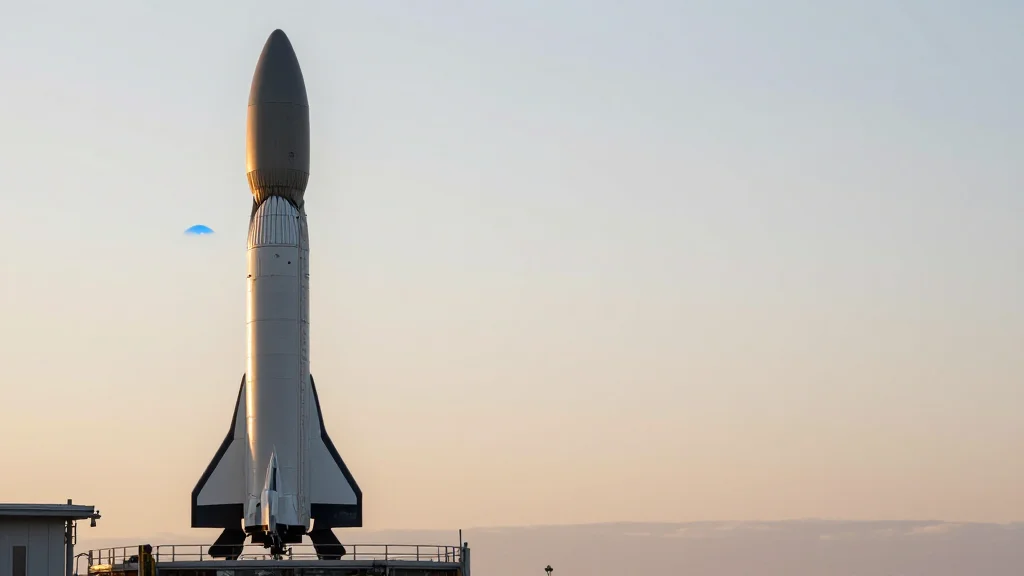
The National Space Society (NSS) welcomed the OMB’s FY27 NASA budget proposal for its shift away from the Lunar Gateway and a planned phase‑out of the Space Launch System in favor of commercial heavy‑lift services. It also praised the repurposing...

Artemis 2 in Good Shape Cruising Towards the Moon
NASA confirmed that Artemis 2’s Orion spacecraft is performing nominally as it cruises toward the moon, with subsystems operating as expected. The translunar injection burn on April 2 used propellant within 5% of predictions, prompting controllers to cancel the first of three...

April 3, 2026 Zimmerman/Batchelor Podcast
Robert Zimmerman’s new book *Genesis: the Story of Apollo 8* chronicles the historic 1968 mission that first took Americans to another world, offering fresh insights and a new introduction. The title is available as a hardback ($60), paperback ($45) and ebook...

Vast Safely Deorbits Haven Demo, Marking Key Step Toward Commercial Space Stations
Vast successfully performed a controlled deorbit of its Haven Demo spacecraft on 4 February 2026, concluding a three‑month orbital test campaign that hit 49 objectives. The mission, launched on a SpaceX rideshare in November 2025, validated critical systems such as...
ULA’s Atlas 5 Rocket Launches Its Heaviest Payload Ever with Fifth Amazon Leo Mission
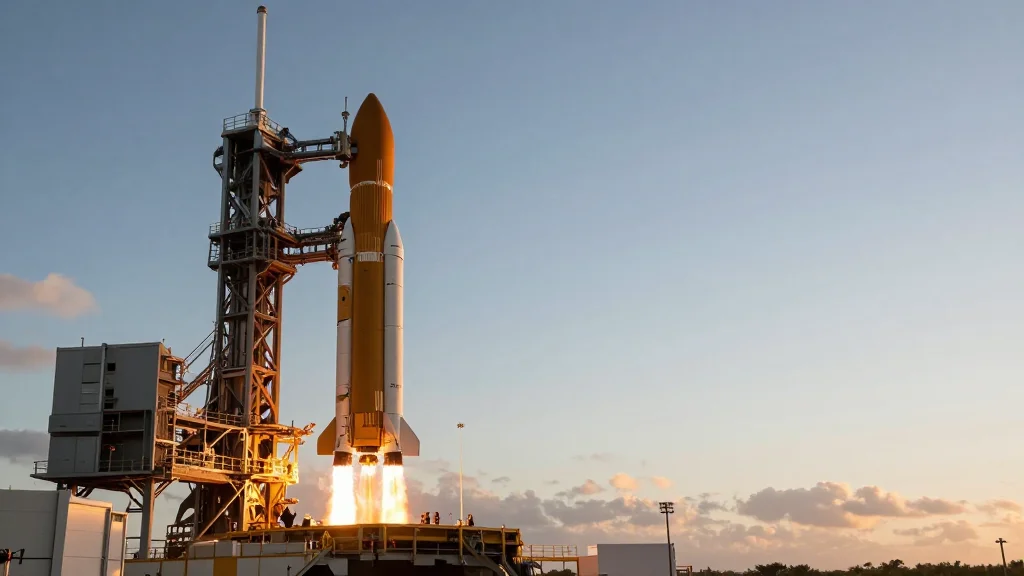
United Launch Alliance successfully launched an Atlas 5 rocket carrying 29 Amazon Leo broadband satellites, marking the heaviest payload the vehicle has ever delivered. Liftoff occurred on April 4 at 1:46 a.m. EDT from Cape Canaveral’s SLC‑41 after a brief weather‑related delay. The...

Voyager-2’s Most Detailed Look at Neptune’s Moon Triton
Voyager 2’s 1989 flyby delivered the sharpest image yet of Neptune’s moon Triton, captured from just 25,000 miles and covering a 140‑mile swath with half‑mile resolution. The frame reveals a landscape of uniformly spaced circular depressions intersected by rugged ridges, a terrain...

NASA Sets Coverage for Northrop Grumman’s CRS-24 Resupply Launch
NASA announced coverage for Northrop Grumman’s CRS‑24 resupply flight, slated for launch no earlier than 8:49 a.m. EDT on April 8, 2026. The Cygnus XL cargo vehicle, riding a SpaceX Falcon 9 from Cape Canaveral, will carry roughly 11,000 lb of science investigations, crew supplies and hardware...

All the Space Events, Conferences, and Meetups Worth Your Time in April 2026
April 2026 hosts a dense schedule of space‑focused events across the United States and abroad, ranging from policy‑driven summits to hands‑on technical workshops. Highlights include the Assured PNT Summit in Washington, the 41st Space Symposium in Colorado Springs, and the...
Artemis II Pilot Test Drove the Orion Capsule on the Way to the Moon
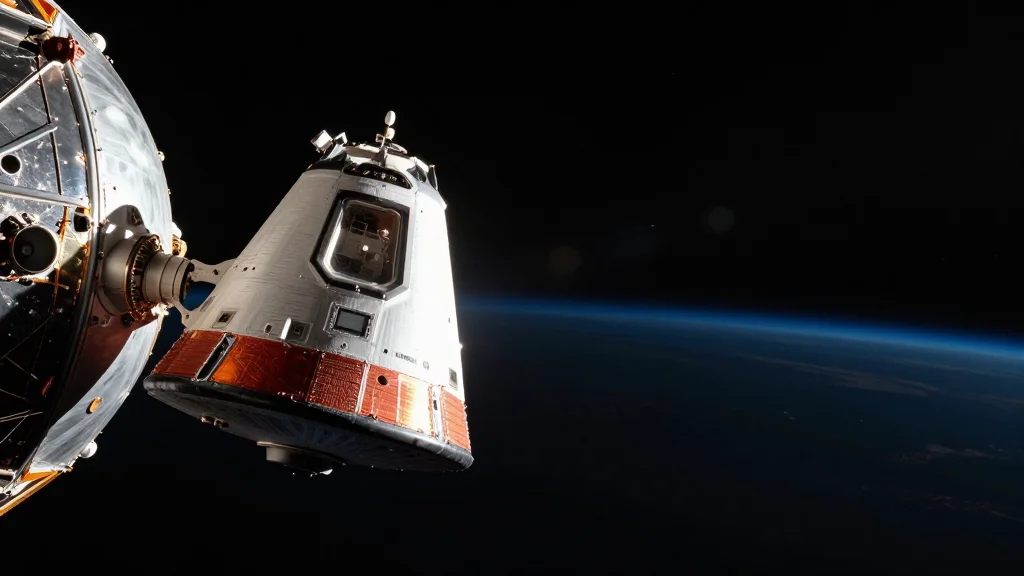
NASA astronaut Victor Glover manually piloted the Orion crew capsule during Artemis II after it separated from the Space Launch System’s second stage. Glover described the controls as responsive and superior to the ground simulator. Program manager Howard Hu likened the...

1st Results From Blue Ghost Lunar Lander Reveal How Much We Still Don't Know About the Moon
Firefly Aerospace’s Blue Ghost lander, which touched down on the Moon in March 2025, returned its first scientific data after a two‑week surface stay. Using the LISTER heat probe, the craft measured subsurface heat flow at Mare Crisium that matched the values...

Italy’s Argotec Plans to Scale Florida Satellite Facility to Meet Rising US Demand
Italy’s Argotec has opened a 465‑square‑meter satellite production plant near Kennedy Space Center, backed by a $25 million investment. The facility will initially staff about 20 engineers and plans to triple that headcount within two years, enabling simultaneous assembly of more...
Live in the Booth: Matt Desch Talks Iridium NTN Direct and Alt PNT Advances
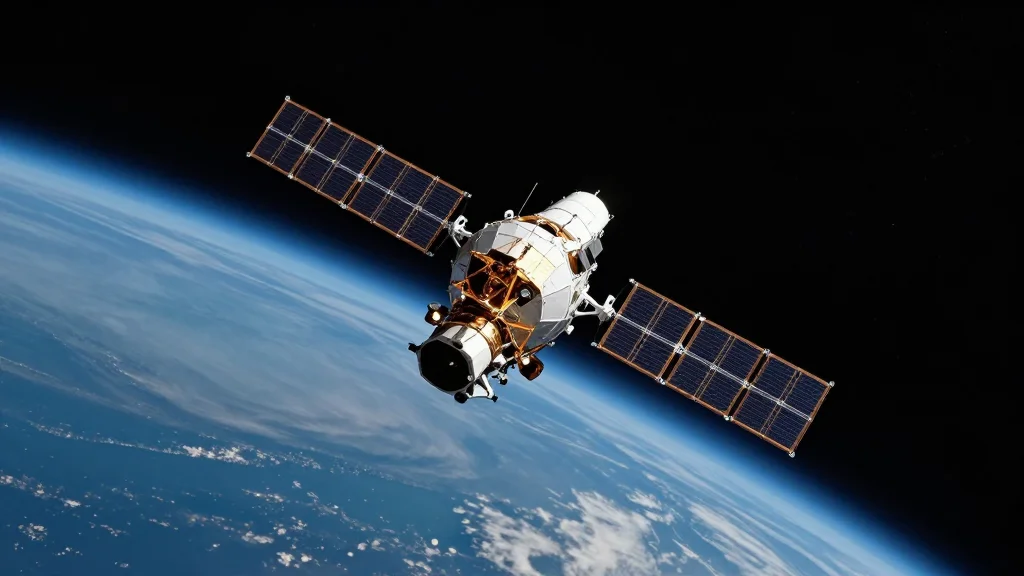
Iridium is launching Iridium NTN Direct, positioning itself as the first standardized, global narrow‑band satellite IoT service. The offering runs on Iridium’s existing constellation, eliminating the need for new hardware. CEO Matt Desch highlighted automotive use cases such as airbag...
Redwire Wins European Quantum Satellite Contract
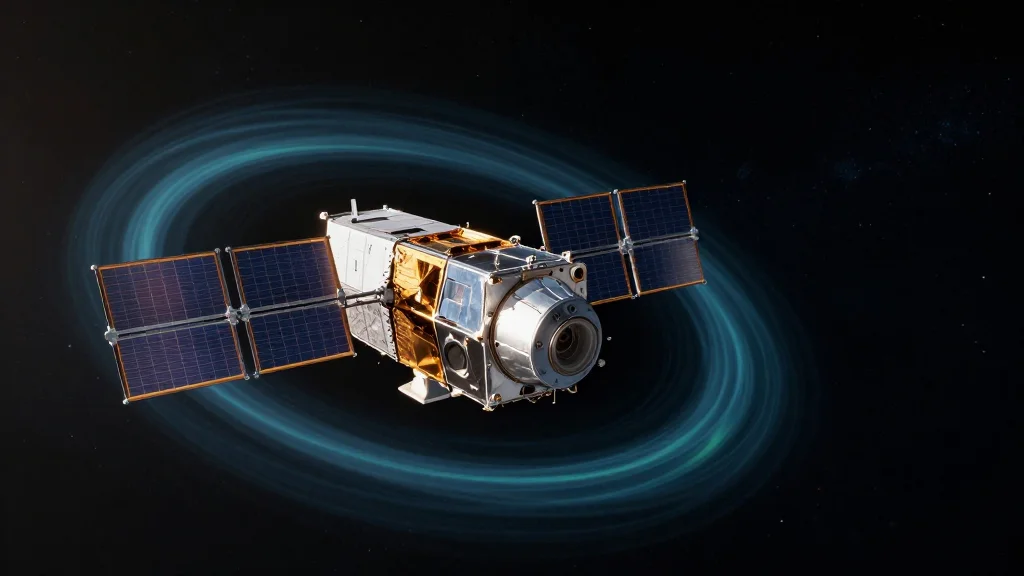
Redwire announced it has won a European Space Agency (ESA) contract to build a quantum‑secure satellite under the QKDSat program. The company will deliver its Belgium‑built Hammerhead spacecraft equipped with a quantum key distribution (QKD) payload and its ADPMS‑3 avionics...
African Market for Satellite Services Offers Pent Up Demand
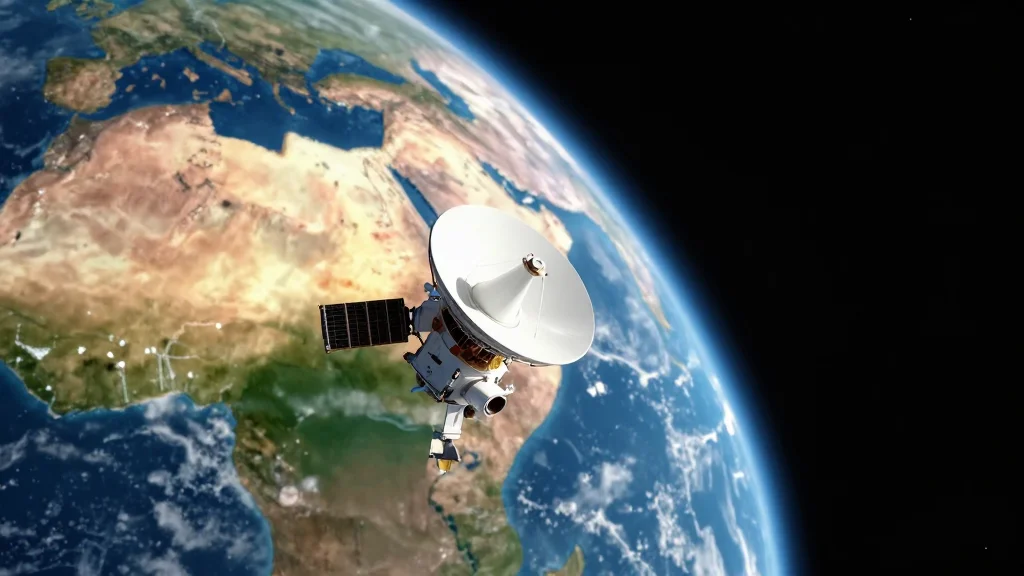
Africa’s satellite market is accelerating, with 21 nations operating space programs and 65 satellites already launched, and another 120 slated by 2030. Broadband penetration remains under 50% for over 1 billion people, prompting a surge in satellite terminals from 100,000 to...

Virgil I. “Gus” Grissom
Virgil "Gus" Grissom, born April 3, 1926, became NASA’s second astronaut to reach space on the 15‑minute Mercury‑Redstone 4 mission aboard Liberty Bell 7 in July 1961. The flight ended safely, but the capsule’s hatch blew prematurely, flooding the spacecraft and forcing...

The Downlink Deficit: The Pentagon’s Optical Mesh Network and the Terrestrial Bottleneck
The Pentagon’s Proliferated Warfighter Space Architecture relies on an optical inter‑satellite mesh, but only about 10 % of the required optical ground stations exist today. Roughly 200‑500 diverse stations will be needed by 2030 to achieve the 99.9 % availability demanded for...
Russia Launches Classified Military Payload; China Has a Launch Failure
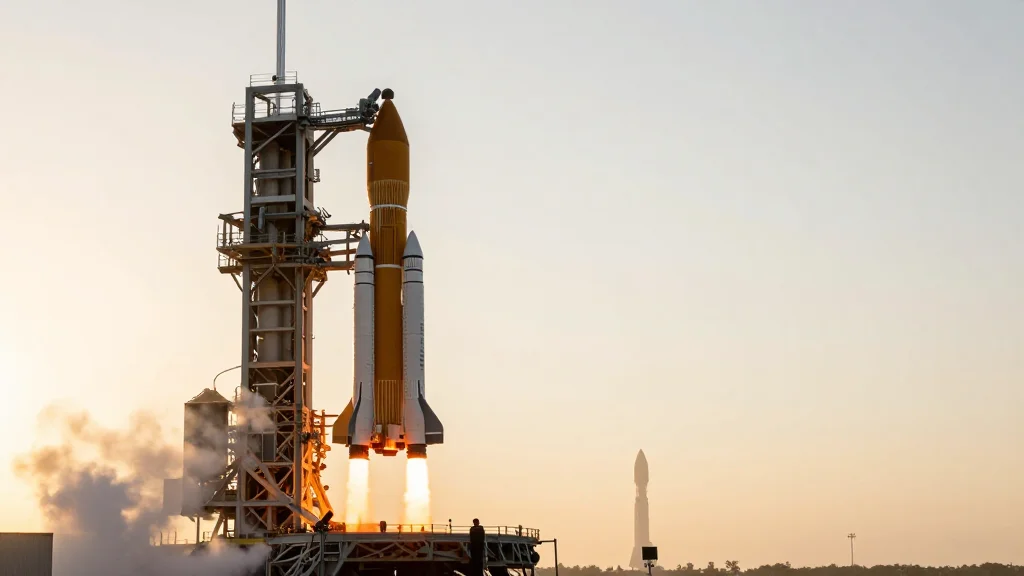
China's private launch firm Space Pioneer saw its Tianlong‑3 rocket abort two minutes after liftoff, after an apparent thrust imbalance at roughly 33 seconds. In contrast, Russia successfully lofted a classified payload on a Soyuz‑2 from Plesetsk, likely a military...
Amazon Responds to SpaceX’s FCC Complaint About Its Last Leo Satellite Launch
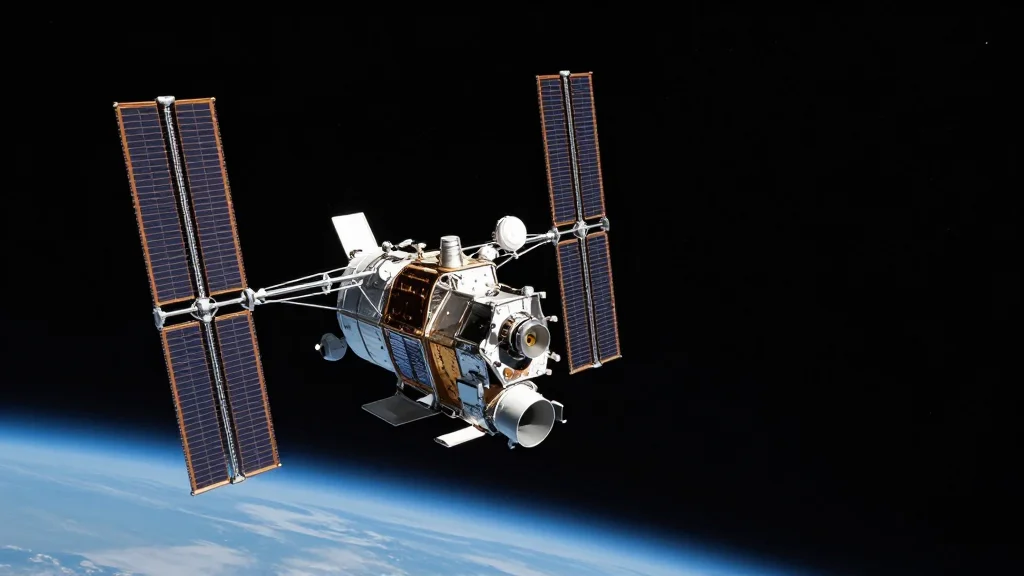
Amazon responded to SpaceX’s FCC complaint that its latest LEO launch placed 32 satellites 50 km above the licensed altitude, forcing SpaceX to maneuver 30 Starlink satellites. Amazon argues the orbit complies with its license and blames SpaceX’s recent lowering of...
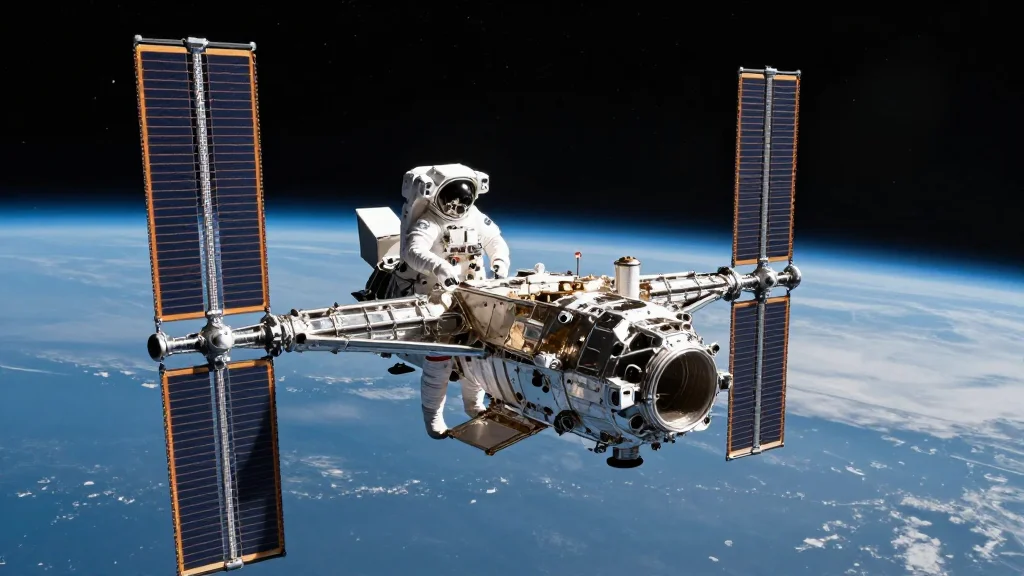
Gravitics Receives Strategic Funding Increase From SpaceWERX
Gravitics secured a Strategic Funding Increase (STRATFI) contract from SpaceWERX, the U.S. Space Force’s innovation arm, worth up to $60 million. The award will fund a flight‑demonstration of Gravitics’ Orbital Carrier on a low‑Earth‑orbit rideshare, alongside a Viper orbital transfer vehicle...
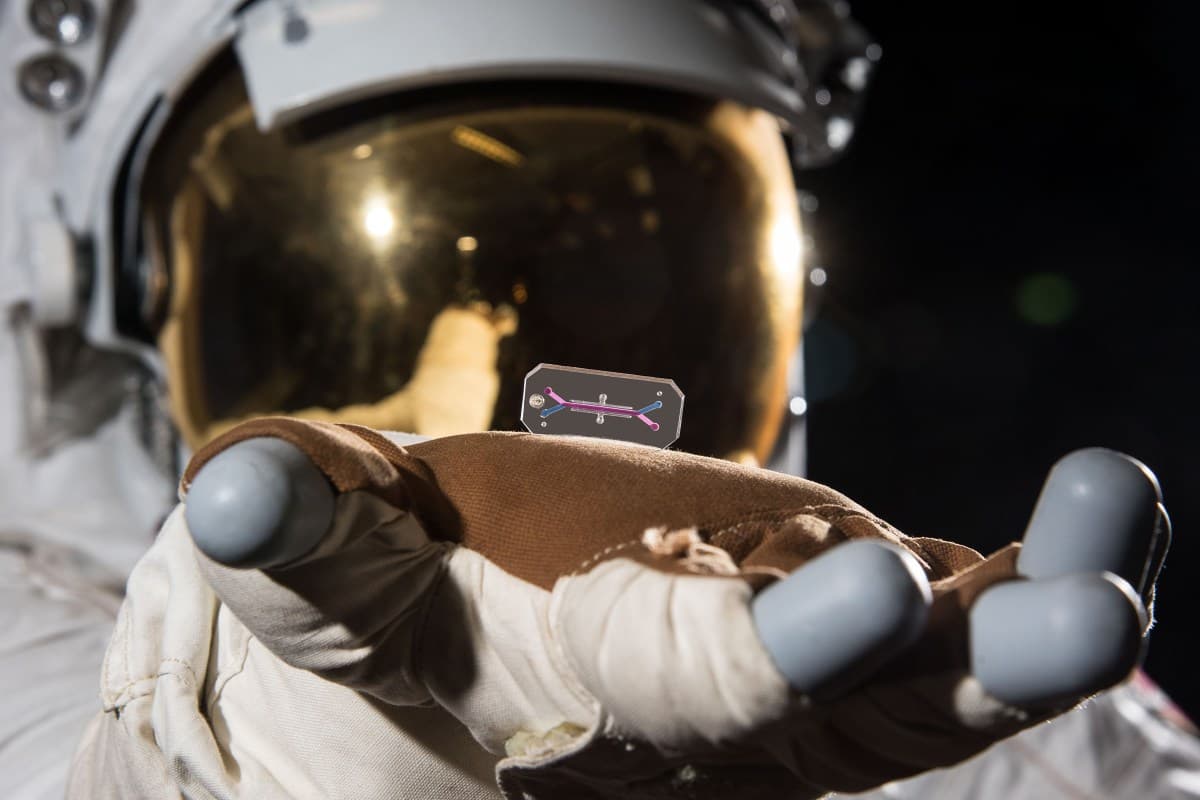
The Moon Astronauts Brought Along USB Stick-Sized Living Samples of Their Own Tissue
NASA’s Artemis II crew—Reid Wiseman, Victor Glover, Christina Koch, and Jeremy Hansen—will carry USB‑stick‑sized organ‑on‑a‑chip samples grown from each astronaut’s bone‑marrow cells. The “functional” organ chips travel alongside the astronauts on a 10‑day lunar flyby and duplicate sets are sent to...
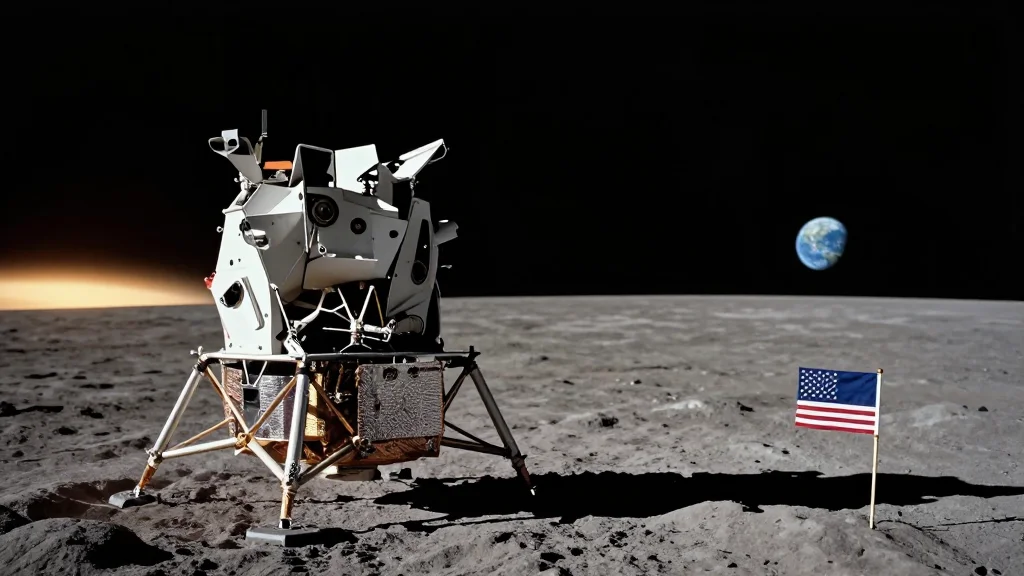
Trump FY2027 NASA Budget Supports Moon Missions, But Cuts Everything Else
The Trump administration’s FY2027 budget request keeps NASA’s total funding at $18.8 billion, a 23 percent cut that mirrors the FY2026 proposal. It adds $731 million for Artemis lunar landings and $175 million for a robotic lunar base camp, while slashing the science portfolio...
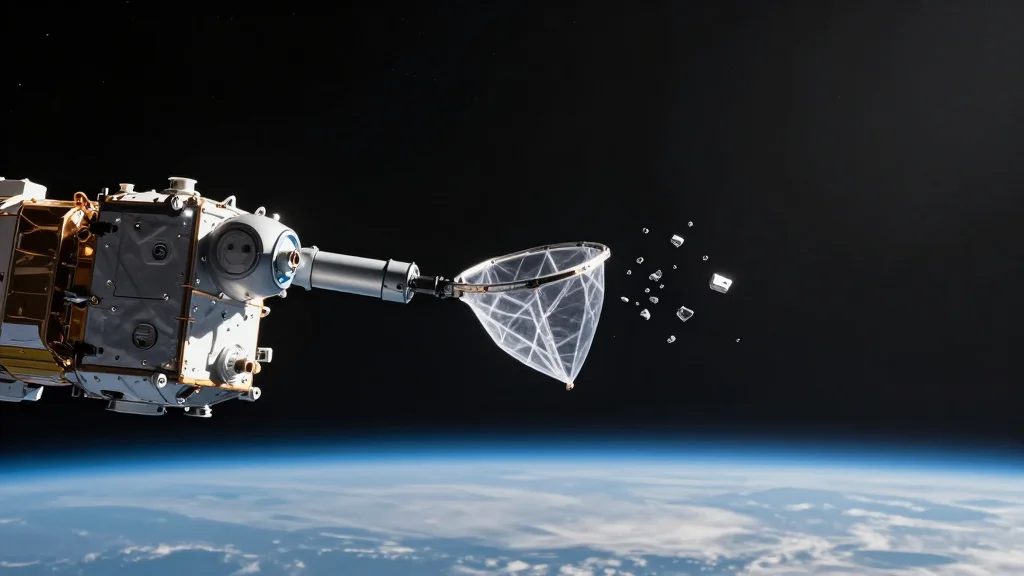
Report: Trio of Science and Technology Trends – Orbital Debris Removal Flagged
The U.S. Government Accountability Office’s latest report highlights orbital debris removal as one of three emerging science and technology trends poised to shape society over the next decade. It notes that more than 15,000 pieces of debris are currently tracked,...