
Elon Musk's Next Big Bet: Inside the Rise of SpaceX
Fox Business aired a panel titled “Elon Musk's next big bet: Inside the rise of SpaceX,” where analysts examined the company’s rapid growth and its pivotal role in NASA’s Artemis II mission. The discussion highlighted SpaceX’s Starship development, expanding Starlink broadband revenues, and its increasingly dominant share of U.S. launch contracts. Panelists also debated Musk’s longer‑term ambitions, including Mars colonization and the commercialisation of low‑Earth‑orbit services. The segment underscored how SpaceX’s trajectory is reshaping the broader aerospace ecosystem.

NASA Artemis II Splashes Down in Pacific Ocean in ‘Perfect’ Landing for Moon Mission
NASA’s Artemis II mission successfully returned the four‑person crew to Earth after a ten‑day lunar flyby. The Orion capsule, named Integrity, splashed down in the Pacific off San Diego at 5:07 p.m. PT, with all astronauts in good health. The flight marked the first...

Back to Earth: What Happens to the Artemis II Astronauts Now?
The Artemis II crew safely splashed down off California after re‑entering at 25,000 mph, completing the first crewed flight to travel farther than any human before – roughly 4,000 miles beyond Apollo 13’s record. Upon landing, the astronauts were examined on a U.S. warship,...
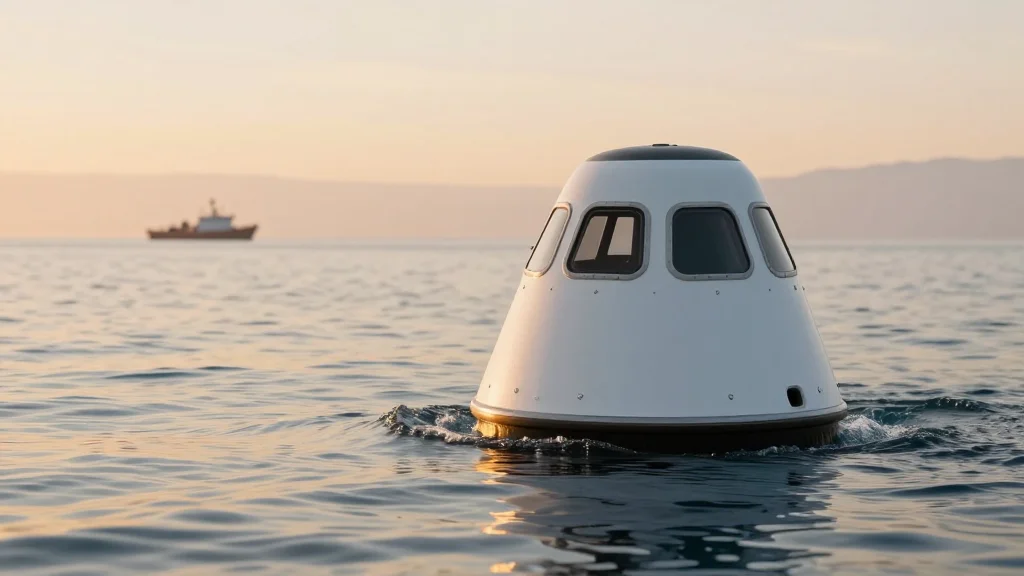
Orion Survives Re-Entry, Crew Splashes Down Safe
Orion’s Orion capsule survived a high‑energy re‑entry and splashed down off California, with all four astronauts remaining inside the capsule as recovery crews arrived. The Artemis‑2 mission, a three‑day lunar fly‑by, is now complete, though analysis of the heat‑shield performance...

‘It’s 13 Minutes of Things that Have to Go Right’: Artemis II Splashes Down Despite Faulty Heat Shield
NASA’s Artemis II mission returned safely to the Pacific after a historic 10‑day lunar flyby, despite a known flaw in the Orion heat shield. Engineers discovered the shield’s internal layers could trap gas during reentry, risking chunk loss. To mitigate, NASA...
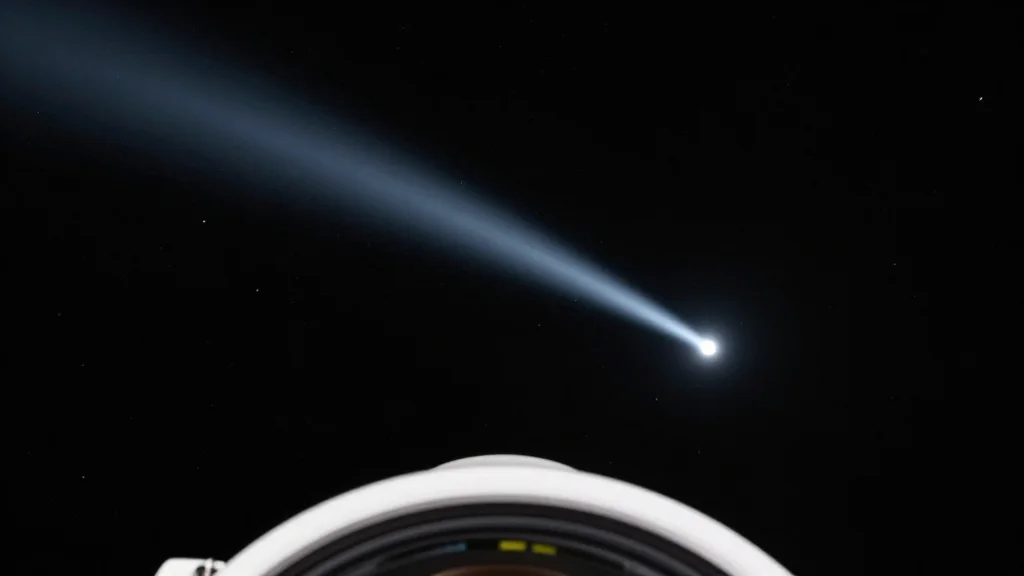
Chance Encounter in Space: JANUS Camera Captures Interstellar Comet 3I/ATLAS
The European Space Agency’s JANUS camera captured high‑resolution images of interstellar comet 3I/ATLAS during a close flyby in early 2026. The observations were made when the comet passed within 0.3 AU of Earth, revealing an elongated nucleus and active gas jets....

Under One Moon
NASA’s Artemis II crew completed a historic lunar flyby, capturing striking images of Earth rising behind the Moon and collecting data on previously unseen craters, a solar eclipse and meteor impacts. The mission demonstrated Orion’s deep‑space capabilities and reinforced the United...

Chang'e Mission Samples Reveal How Exogenous Organic Matter Evolves on the Moon
China’s Chang’e‑5 and Chang’e‑6 lunar sample returns have, for the first time, revealed nitrogen‑bearing organic compounds embedded in moon soil grains. The study shows these organics exist as particles, surface‑adhered films, and mineral inclusions, and bear isotopic signatures that point...
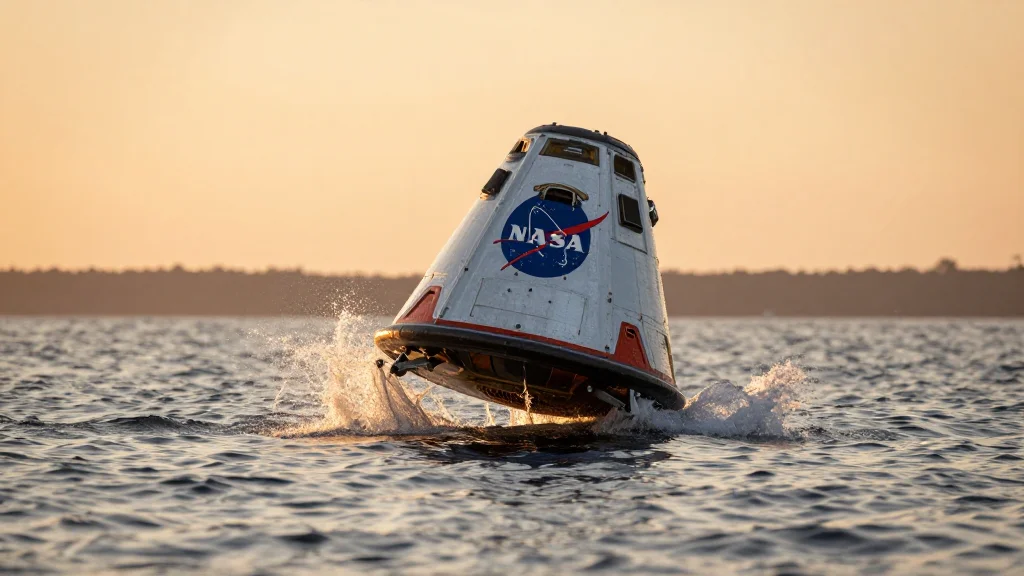
After More than 9 Days in Flight, NASA's Artemis II Is Set to Return to Earth
NASA’s Artemis II crew completed a nine‑day lunar flyby and splashed down in the Pacific off San Diego. The Orion capsule re‑entered at over 24,000 mph, enduring temperatures near 5,000 °F before deploying three parachutes. Four astronauts—including the first woman and the first person...

Artemis II and the Surprisingly Earth-Bound Problem of IP
Artemis II’s launch highlighted not only NASA’s return to lunar missions but also the massive patent portfolios behind the hardware. Boeing, Northrop Grumman, Aerojet Rocketdyne, Lockheed Martin and Airbus together hold seven‑figure numbers of patents covering propulsion, life‑support and communications systems. The article explains...
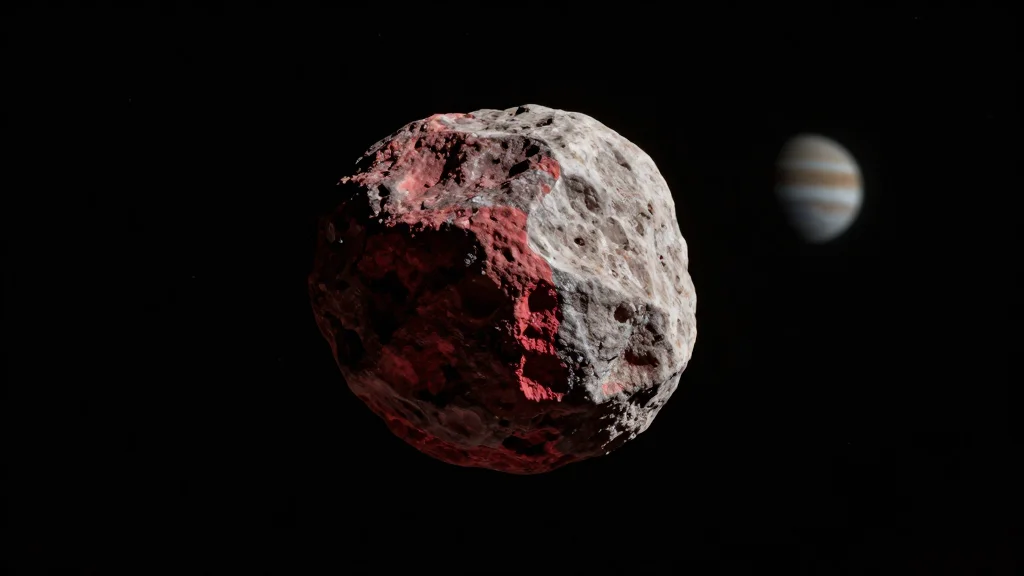
Subaru Telescope Sheds Light on Jupiter Trojan Asteroids' Color Mystery
Using the Subaru Telescope’s Suprime‑Cam, researchers observed 120 small Jupiter Trojan asteroids and found that, unlike larger Trojans, the smaller bodies lack a clear red/less‑red color bimodality and share identical size distributions across color groups. The study, published in *The...

How Vandenberg’s Range Is Scaling to Meet Launch Demand
Vandenberg Space Force Base is gearing up for a dramatic increase in launch activity, targeting 150 launches in the next five years and over 200 by 2036. The effort is backed by $1.3 billion in federal funding through FY2028 and a...

How Will NASA Get the Artemis II Crew Safely Back on Earth? Here's the Science Behind Splashdown
NASA will bring the Artemis II crew back to Earth on 10 April 2026 with a splashdown in the Atlantic Ocean. The Orion capsule’s heat shield, redesigned after unexpected damage on the uncrewed Artemis I flight, will endure re‑entry temperatures near 1,500 °C before a...
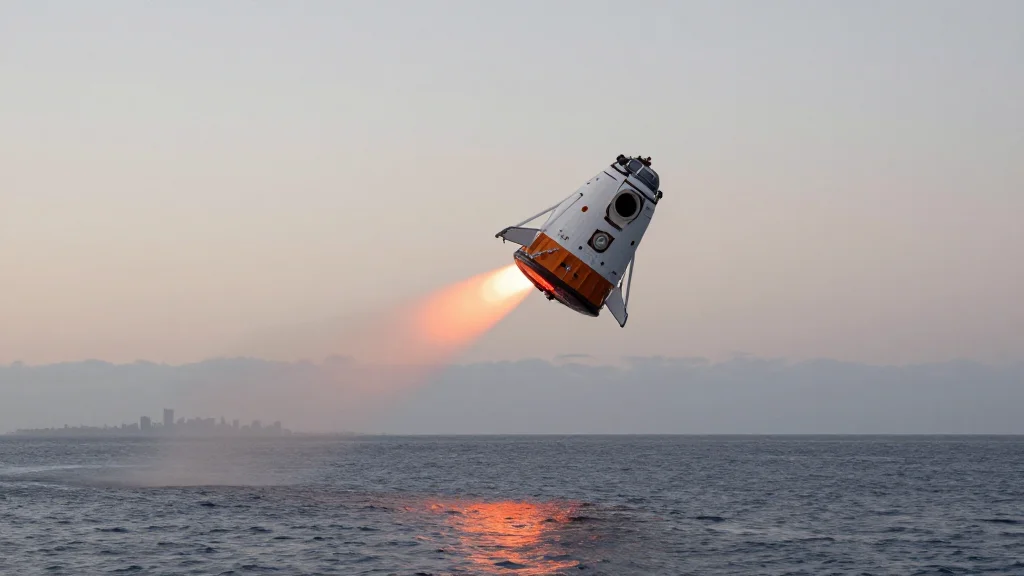
Did You Feel It? As Artemis II Nears Reentry, Scientists Want to Know How Far the Sonic Boom Travels
NASA’s Artemis II moon‑flyby mission will splash down off San Diego on Friday, generating a sonic boom as the Orion capsule decelerates at roughly 30 times the speed of sound. The U.S. Geological Survey is inviting Californians to report whether they heard the...
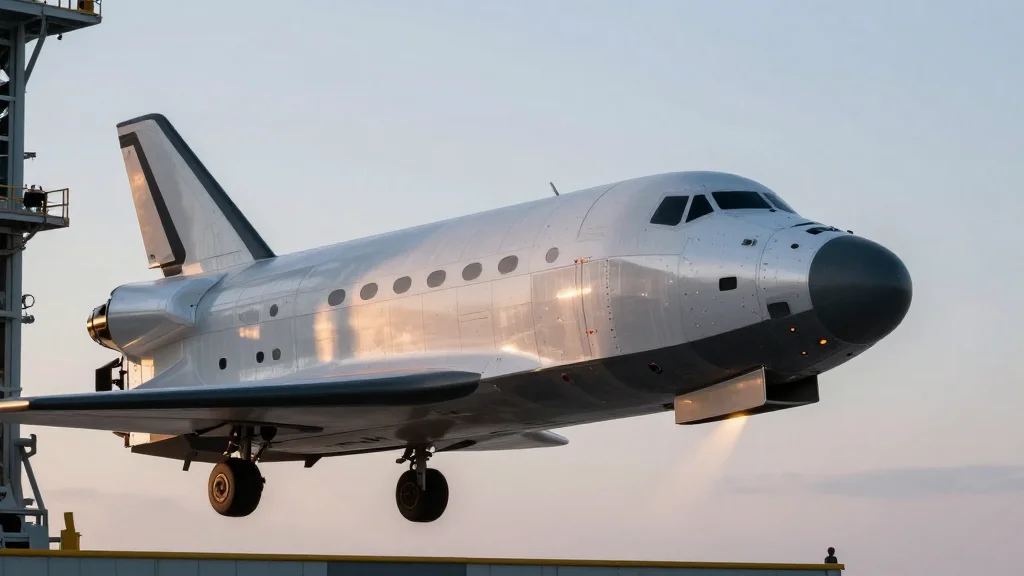
BryceTech Report Shows SpaceX Accounted for 50% of Launches in 2025
BryceTech’s 2025 Year in Review reports 325 orbital launches and 4,544 spacecraft, a 25% rise in launches and 54% more spacecraft than 2024. SpaceX led the market with 165 launches, representing roughly 51% of all global launches and 85% of...
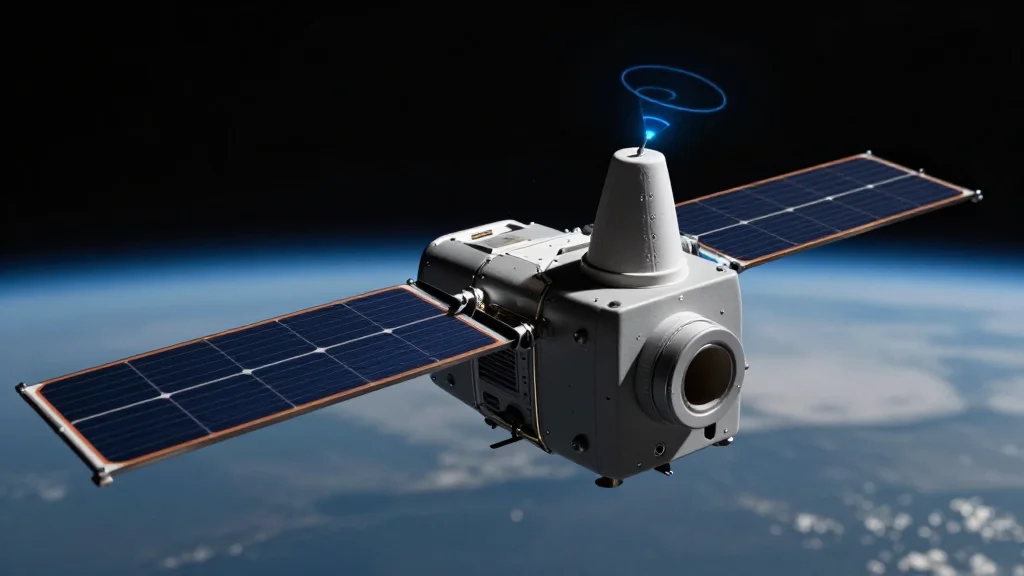
EnduroSat and Shield Space Strike European Partnership for Defense Missions
EnduroSat and UK‑based Shield Space announced an all‑European partnership to deliver rapid space‑defense missions. By merging Shield Space’s autonomous guidance systems with EnduroSat’s fixed‑cost satellite services, the duo claims they can field operational missions in nine months instead of years....
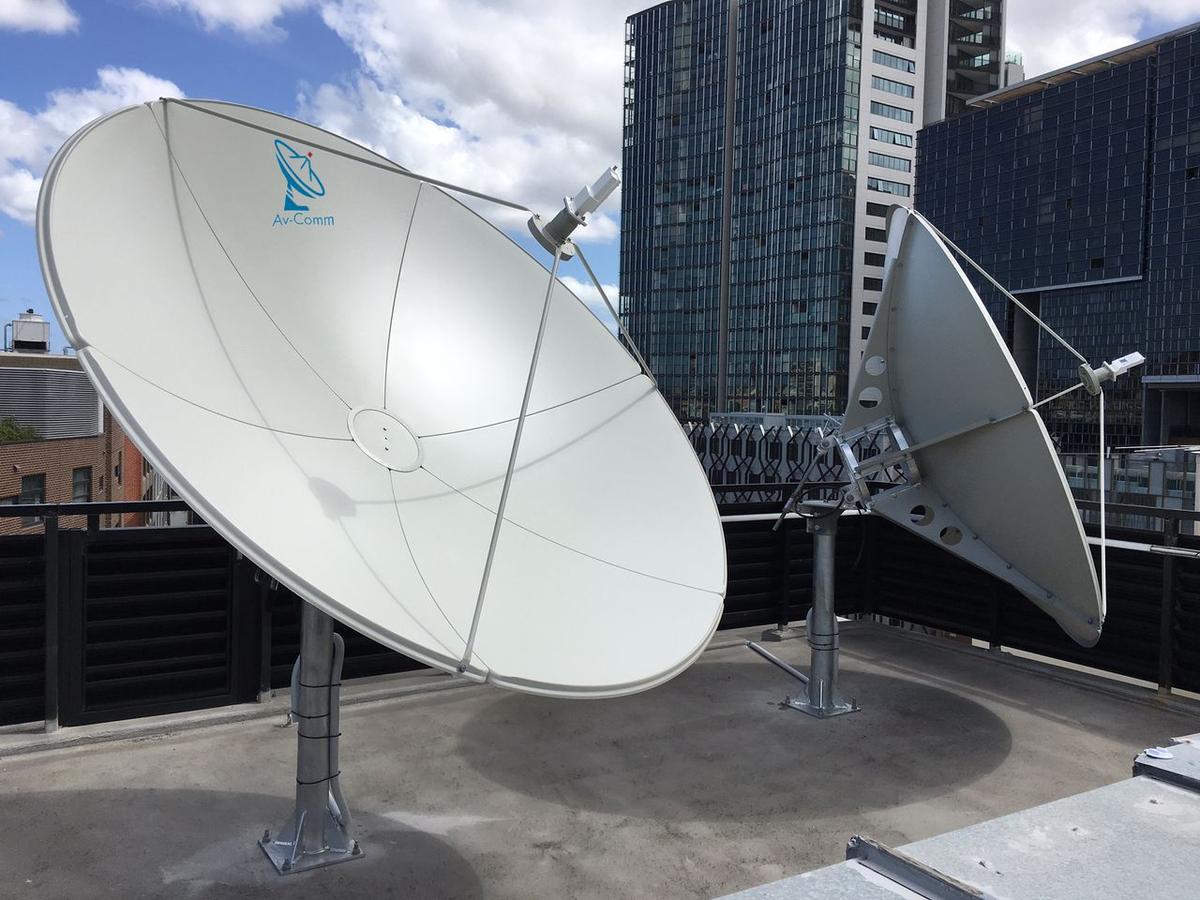
Study: Broadcasters Must `Prepare Now’ for Impact of FCC C-Band Auction
The FCC plans to auction the remaining 100‑180 MHz of upper C‑band spectrum by July 2027, effectively ending broadcasters’ long‑standing satellite option. Unlike the 2020 reallocation, this auction leaves no like‑for‑like replacement, forcing stations to consider Ku‑band, managed IP or hybrid delivery...

Nigeria’s NIGCOMSAT Says It Earned $1.6 Million Amid Satellite Dispute
Nigerian Communications Satellite Limited reported ₦2.2 billion ($1.6 million) revenue for 2025, more than triple its 2024 earnings. Broadcasting still generates over half of that income, but the firm is pivoting toward broadband to reach a projected ₦8 billion ($5.8 million) target. CEO Jane...
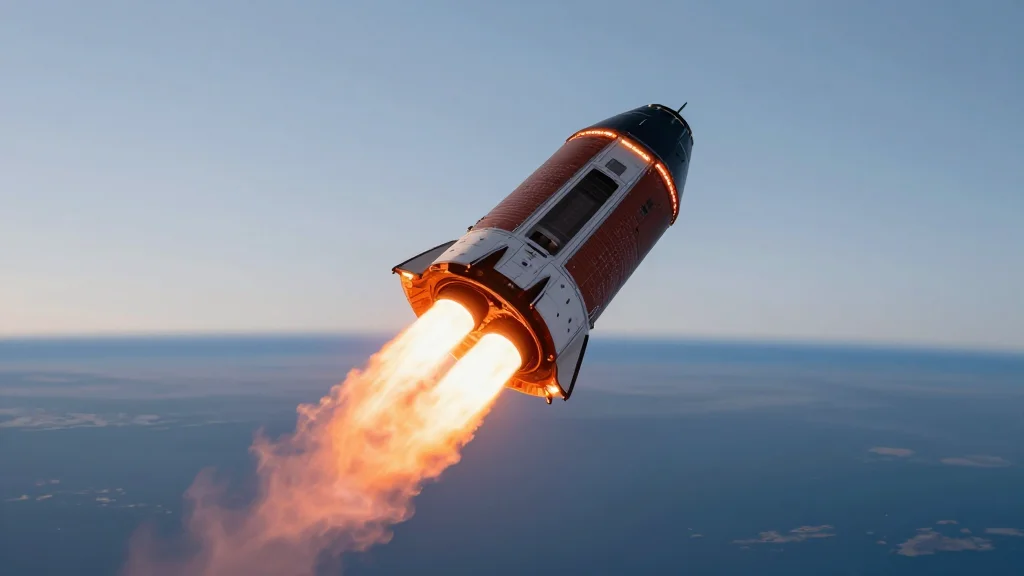
Parachutes: A Vital Part of Artemis II's Trip Home
NASA’s Artemis II will return the Orion crew to Earth using a sophisticated parachute suite. Eleven parachutes, arranged in four deployment stages, slow the capsule from 350 mph after heat‑shield deceleration to a gentle 17 mph splashdown off Southern California. The system begins...

See Photos From All 10 Days of NASA’s Artemis II Moon Mission
NASA launched Artemis II on April 1, 2026, sending three Americans and a Canadian on a 10‑day lunar flyby after multiple launch delays. The crew—Reid Wiseman, Victor Glover, Christina Koch and Jeremy Hansen—traveled farther from Earth than any humans before, capturing unprecedented images...

Artemis II Is Showing How Federal Education and Operational Experience Come Together in Space
Artemis II marked the first crewed flight of NASA’s Orion capsule atop the Space Launch System, taking four astronauts on a lunar flyby and returning for splash‑down. The mission served both as a flight‑test of new hardware and procedures and as...

Chang’e-7’s Water-Ice Hunt Could Redraw the Map of Lunar Resource Politics
China’s Chang’e‑7 mission, slated for a 2026 launch, will deploy a hopping probe equipped with the Lunar Soil Water Molecule Analyzer to drill into permanently shadowed craters near the lunar south pole. A positive detection of usable water‑ice would turn...

New Perspective of Home
NASA’s Artemis II mission captured a striking image of the Moon and Earth aligned during its April 6, 2026 lunar flyby, showing both bodies partially illuminated by the Sun. The crew—NASA astronauts Reid Wiseman, Christina Koch, Victor Glover, and CSA astronaut Jeremy Hansen—are...

Launch Aggregators and the Business of Bundled Access to Space
Launch aggregators have evolved from simple rideshare brokers into full‑service mission‑access providers, handling integration, compliance, and post‑launch logistics. The model accelerated after SpaceX’s Transporter‑16 flew 119 payloads in March 2026, proving that high‑volume rideshare can be a repeatable commercial product. Companies...
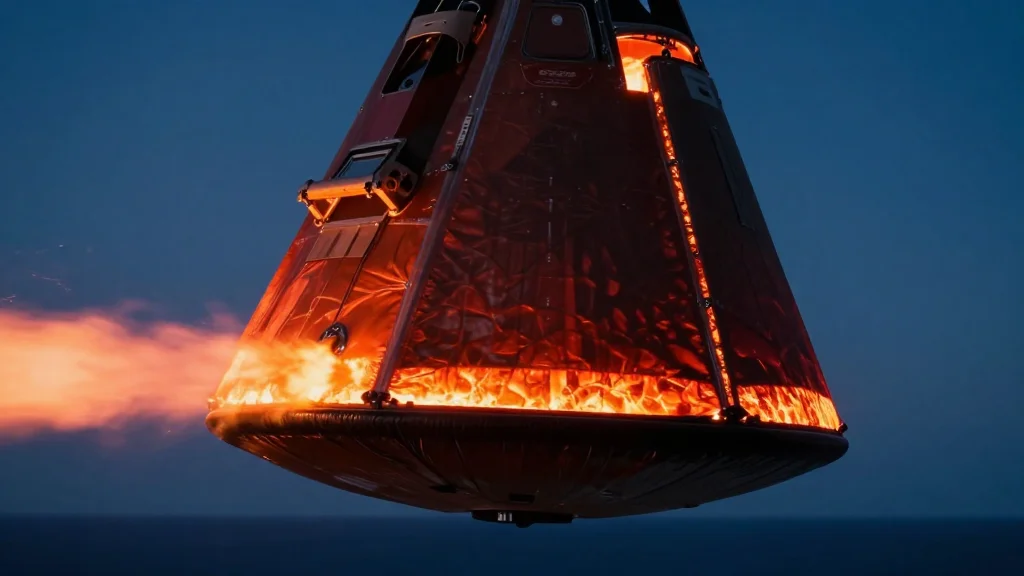
A Fiery Re-Entry Awaits the Artemis Astronauts
NASA’s Artemis II crew of four is set to begin the most demanding phase of their mission—re‑entry into Earth’s atmosphere. The Orion capsule will encounter a fireball of roughly 5,000 °F as it descends, testing the heat‑shield technology that faltered on the...

SmallSat Europe Speaker Focus: Chiara Manfletti, Neuraspace
Neuraspace, a Portuguese space‑traffic‑management startup now operating in Portugal and Luxembourg, has rolled out an AI‑driven platform that predicts collision probabilities days ahead of traditional methods. The system, enhanced by machine‑learning prediction plots, star‑tracker debris detection, and an autonomous maneuver...
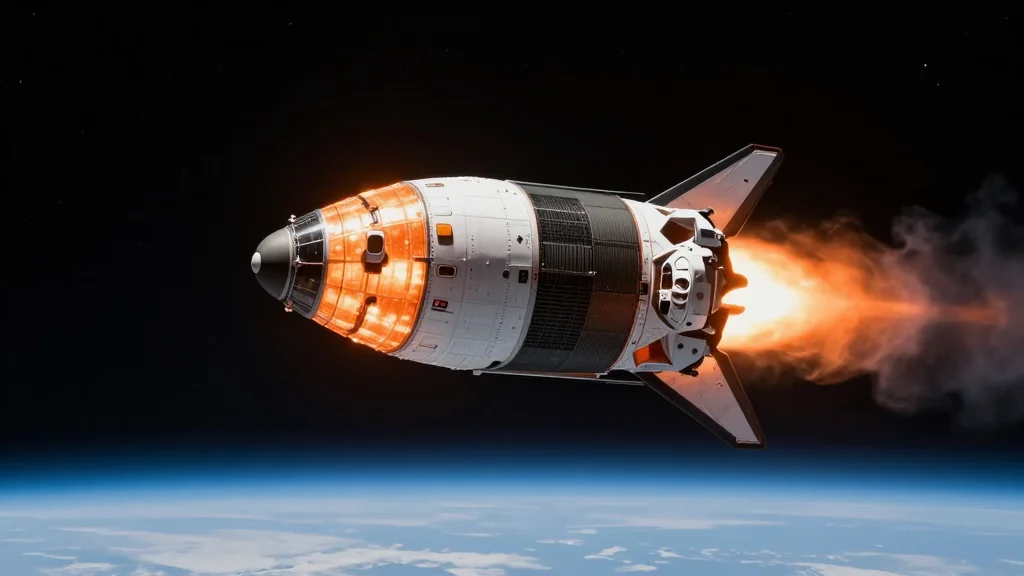
Artemis II Reentry Streams Tonight
NASA’s Artemis II crew is slated to reenter Earth’s atmosphere tonight, April 10, 2026, concluding the first crewed deep‑space flight since the Apollo era. The Orion spacecraft, carrying Mission Specialists Christina Koch and Jeremy Hansen, Pilot Victor Glover, and Commander Reid Wiseman, will perform a Pacific Ocean...

Artemis II Crew Sends A Timely Message Of Love To The Earth
Artemis II’s Orion capsule completed a four‑person lunar flyby and is returning to Earth, marking NASA’s first crewed mission beyond low Earth orbit since Apollo. Astronauts emphasized a message of love and wonder, resonating globally and even proposing to name a...
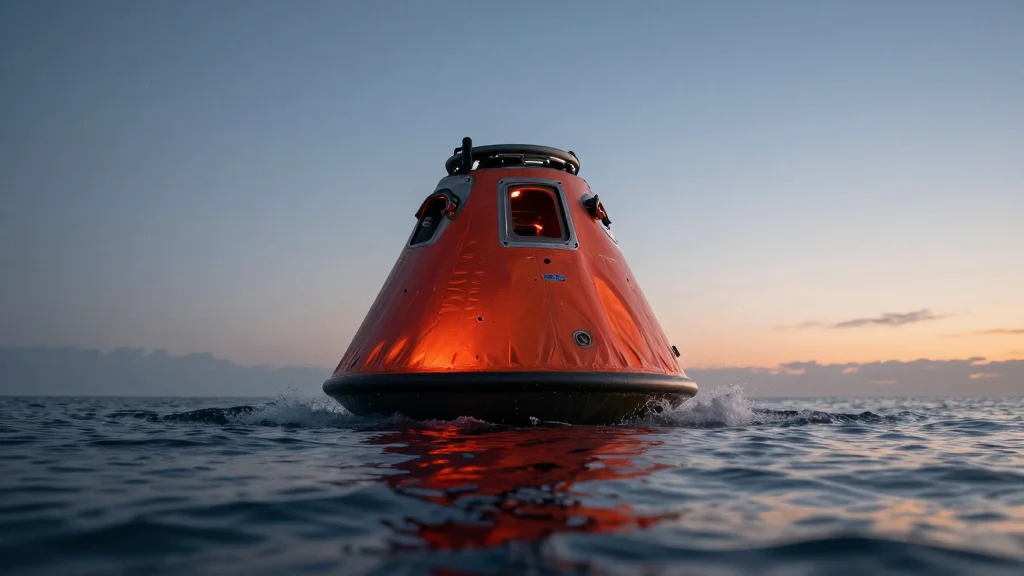
NASA’s Artemis II Crew Is Expected to Splash Down Friday Evening
NASA’s Artemis II crew is slated to splash down Friday evening around 8:07 p.m. Eastern, concluding a week‑long deep‑space flight that marked the farthest journey by humans to date. The descent will put the Orion crew module’s heat shield and structural integrity...
High Stakes: U.S. – China Moon Plans Detailed
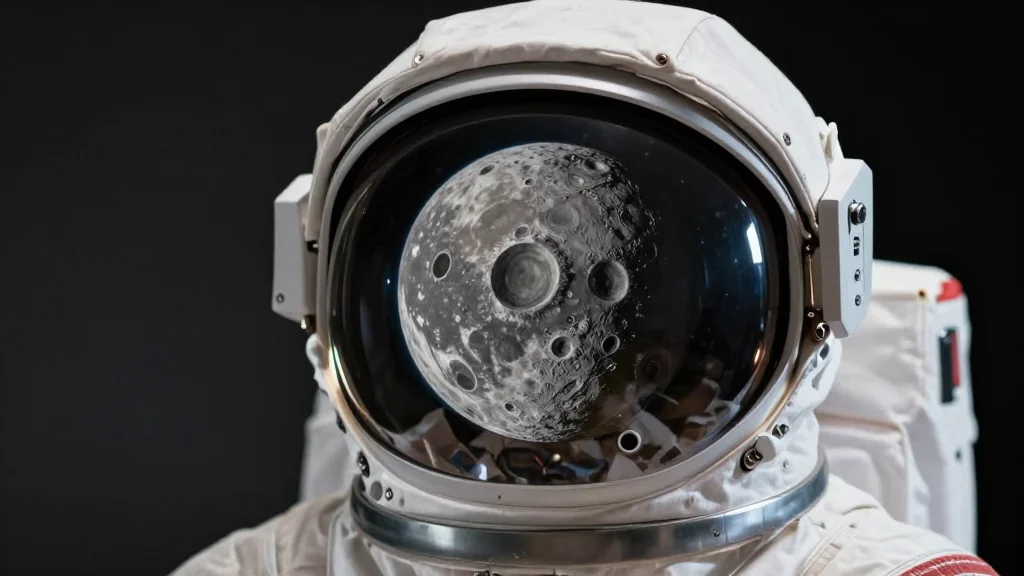
The United States and China have unveiled detailed roadmaps to return astronauts to the Moon, reigniting a 21st‑century space race. NASA officials say the new Artemis schedule aims for a crewed landing by 2029, while U.S. lawmakers are pushing additional...
The Deep Space Network Acquires Artemis II Signal
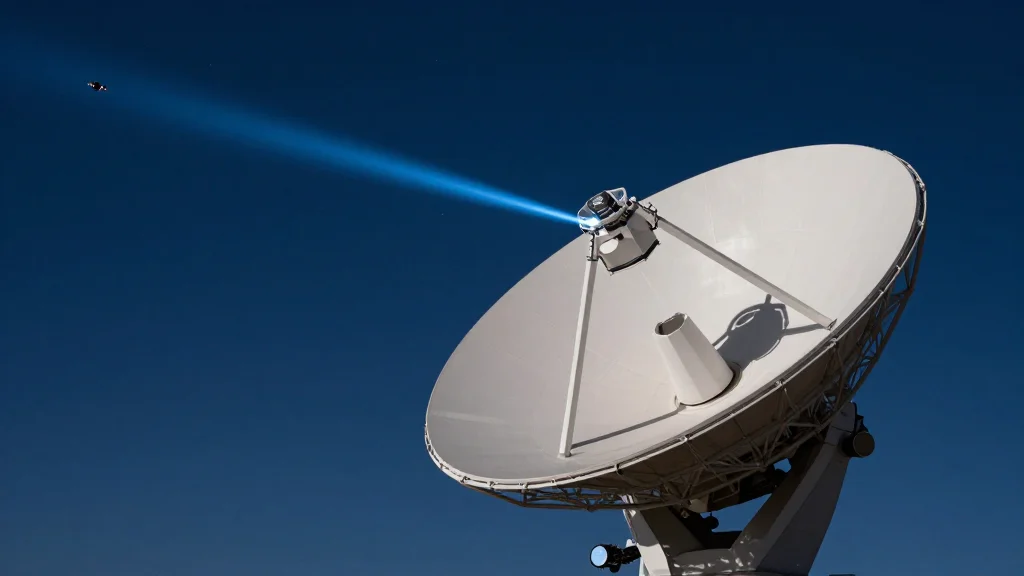
NASA’s Deep Space Network successfully captured the radio‑frequency signal from Artemis II, marking the first crewed deep‑space mission to be handed off from the Near Space Network to DSN. The handoff followed the April 1, 2026 launch, ending a 50‑year gap since a...

Week in Images: 06-10 April 2026
The week’s visual roundup highlights a Sentinel‑2 satellite image of an active lava flow on Réunion’s Piton de la Fournaise, alongside multiple European engineering milestones in NASA’s Orion program and ESA’s Eagle mission‑control. It also showcases a successful ROSE‑L radar...

Siemens Joins European Space Agency’s EPIC Initiative
Siemens has joined the European Space Agency’s Partnership Initiative for Commercialization (EPIC), offering its industrial‑grade digital twin and simulation platform to ESA‑backed space startups. The collaboration gives startups access to Siemens Xcelerator, mentorship, and a fully digital engineering backbone to...

The Emergence of Sustainable Orbital Data Center Infrastructure
The orbital data‑center market accelerated in 2025 when Canada’s PowerBank Corp. launched DeStarlink Genesis‑1, the first satellite in Orbit AI’s low‑Earth‑orbit cloud. U.S. hyperscale cloud providers are now exploring solar‑powered ODCs after an executive order and the DOE’s Genesis Mission...

Potential Applications of the X-37B Space Plane
The U.S. Space Force’s X‑37B orbital testbed has proven its ability to stay aloft for months, maneuver efficiently, and return payloads to Earth for post‑flight analysis. Recent missions demonstrated aerobraking, laser‑communications trials, and a quantum inertial sensor, highlighting its role...
Artemis II: As Humans Return to the Moon, Which of These 4 Futures Will We Choose?
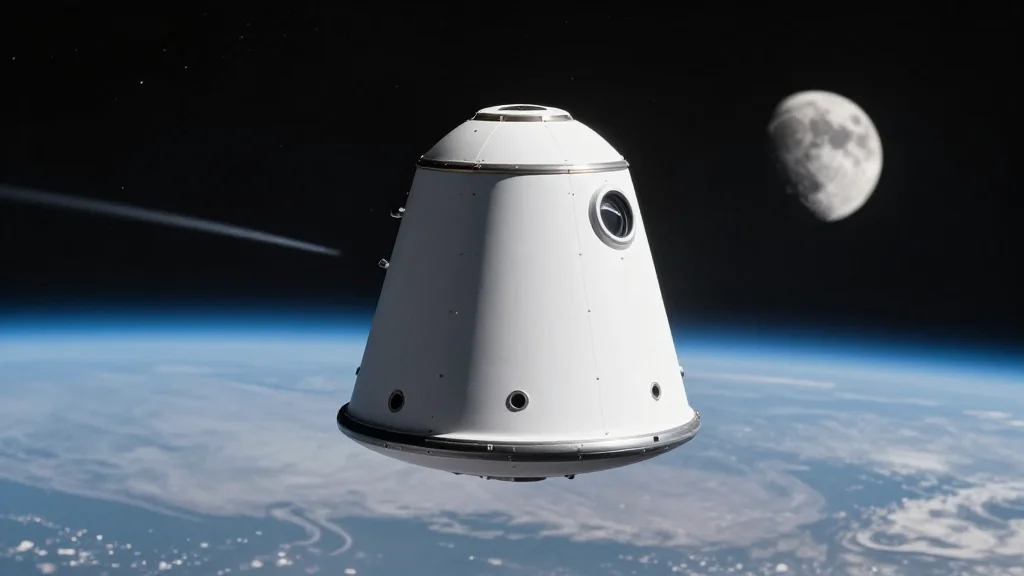
Artemis II completed the first crewed lunar flyby since Apollo, with four astronauts looping around the Moon and preparing for splash‑down. The mission revives NASA’s deep‑space agenda while highlighting policy friction as the U.S. Artemis Accords carve exclusive “safety zones” for...

Albedo Ratchets Up the Power for Its Second VLEO Flight
Albedo unveiled Vicinity, a very‑low‑Earth‑orbit (VLEO) satellite bus slated for a second flight in 2027. The bus boosts peak power to 3 kW and average power to 400 W while supporting up to one ton of payload and a five‑year lifespan at...

Moog’s “Tip to Tail” Contributions to the Artemis II Flight
Moog Inc. supplied more than 100 actuation and control components for NASA’s Artemis II mission, ranging from thrust‑vector control on the Space Launch System to hatch‑opening actuators on Orion. The company’s actuator business has doubled in the past five years, prompting...

The Space Symposium’s Real Agenda: Alliances, Workforce Gaps, and What Artemis II Actually Changes on the Ground
The 40th Space Symposium in Colorado Springs highlighted a growing crisis: the U.S. and its allies lack enough skilled workers to sustain the ambitious Artemis program and expanding commercial space activities. While Artemis II demonstrated historic crew milestones and international cooperation,...

Proud Moments in American Space Exploration
American space exploration has progressed from Alan Shepard’s 15‑minute suborbital flight in 1961 to the James Webb Space Telescope delivering unprecedented infrared images of the early universe. Milestones include Apollo 11’s historic Moon landing, Voyager’s exit into interstellar space, Hubble’s post‑servicing...

L3Harris Wins $150m US Space Force Contract
L3Harris Technologies has been awarded a $150 million contract by the U.S. Space Force to sustain and modernize critical space surveillance and ground systems under the MOSAIC program. The effort aims to boost decision‑making speed, early threat warning, and overall space...

Panu Routila Takes Chair at Finland’s Kuva Space as Company Targets Dual-Use Markets
Finnish hyperspectral imaging firm Kuva Space appointed Panu Routila as chairman. Routila, current chair of defense contractor Patria and former CEO of Konecranes, brings defense and industrial expertise as the company targets dual‑use markets. Kuva Space, which has raised €40 million...

How the James Webb Space Telescope’s Infrared Detectors Actually Work, Why They Almost Didn’t, and What Their Engineering Lineage Tells...
The James Webb Space Telescope relies on two advanced infrared detector families—HgCdTe arrays for near‑infrared and Si:As sensors for mid‑infrared—to capture faint photons from the early universe. Engineers tuned HgCdTe composition, hybridized each pixel to silicon read‑out circuits, and cooled...

Artemis II Gave Us the First Deep-Space Health Data in Half a Century — Here’s What It Actually Tells Us...
Artemis II returned to Earth after a ten‑day deep‑space flight, delivering the first real‑time biomedical data from beyond Earth’s magnetosphere in more than 50 years. Unlike Apollo’s retrospective health checks, the mission embedded tissue‑chip experiments, the SENTINEL physiological monitoring system, and upgraded...

How and When to Watch the Artemis II Mission’s Return to Earth
NASA’s Artemis II crew will complete a 10‑day lunar flyby and begin re‑entry of the Orion capsule in early May 2026. The mission’s return will be broadcast worldwide, with the splashdown expected in the Pacific Ocean near Hawaii. NASA plans a...
Artemis Astronauts to Shed Light on Space Health Risks
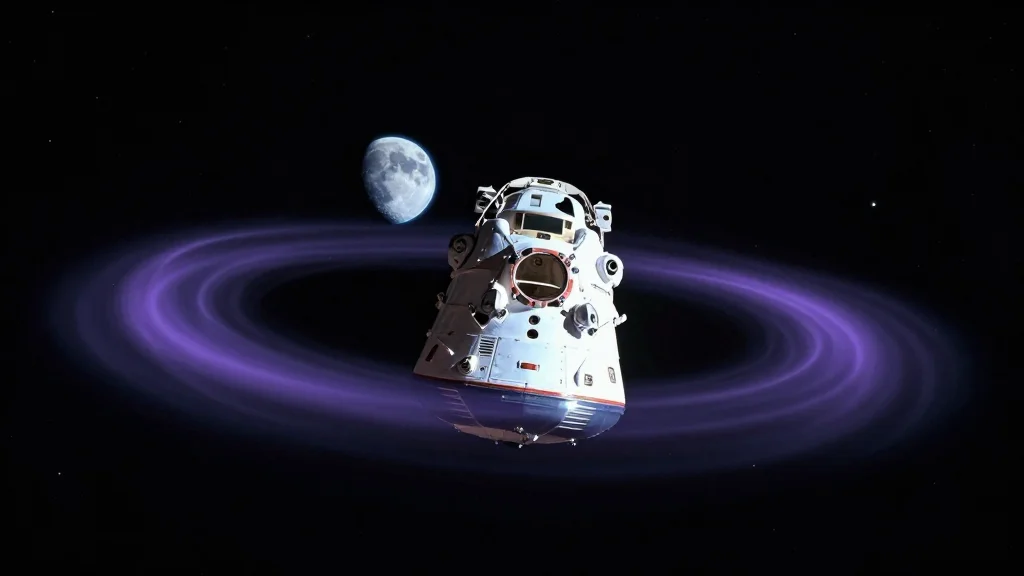
NASA's Artemis II mission sent four astronauts on a lunar flyby, exposing them to deep‑space radiation levels far beyond those in low‑Earth orbit. The agency equipped Orion with radiation sensors, collected blood, saliva, and smartwatch health data, and installed bio‑mimetic chips...

Europe and China Are Running a Joint Space Mission in an Era When They Agree on Almost Nothing
Europe’s ESA and China’s Academy of Sciences are set to launch the 2.3‑tonne Smile satellite from French Guiana on a Vega‑C rocket later this month. The spacecraft will travel to an elliptical orbit with a 121,000 km apogee over the North...

Artemis II Gives Airbus Hope For European Spaceflight
Artemis II’s 10‑day lunar flyby concluded with the European Service Module (ESM) – built by Airbus Defence and Space in Bremen – performing flawlessly, powering Orion’s life‑support and propulsion. The mission showcases Airbus’s heritage from the ISS Columbus lab and Automated...

ISRO Successfully Conducts Second Integrated Air Drop Test for Gaganyaan Mission
India’s space agency ISRO completed its second integrated air‑drop test (IADT‑02) for the Gaganyaan crewed mission at the Satish Dhawan Space Centre in Sriharikota. The test dropped a 4.8‑tonne dummy capsule from three kilometres using a Chinook helicopter, validating the...

NASA Managers Outline Artemis 2 Reentry and Address Propulsion Issue Ahead of Splashdown
NASA mission managers held a final status briefing ahead of Artemis 2’s splashdown, confirming the Orion crew capsule will reenter Earth’s atmosphere at roughly 40,233 kph (25,000 mph) and endure heat comparable to the Sun’s surface. The briefing detailed a tight reentry timeline,...