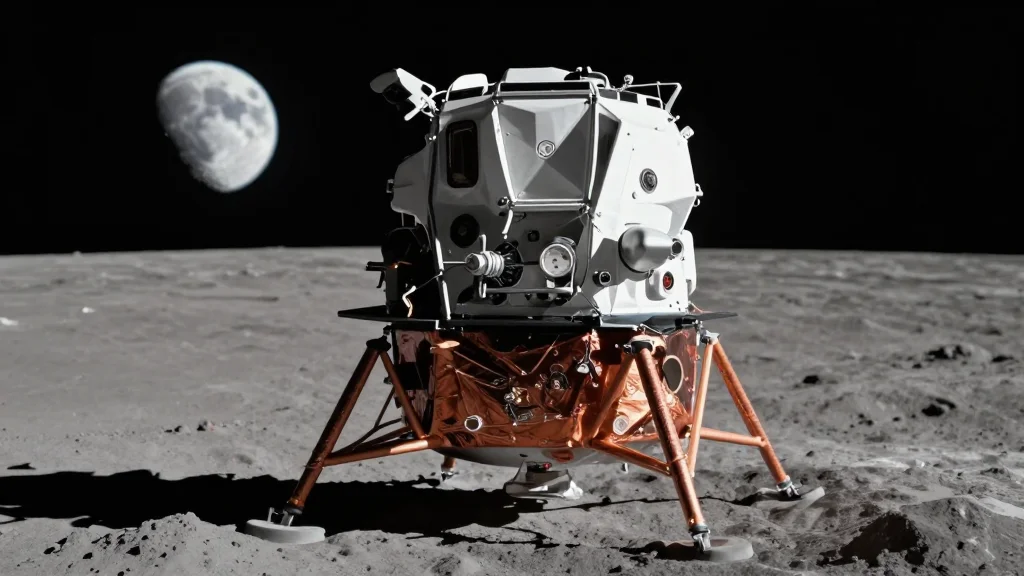
Anyone Watch the Artemis II Launch?
NASA launched Artemis II on April 1, 2026, sending a four‑person crew on a free‑return trajectory around the Moon—the first crewed lunar mission since Apollo 17 in 1972. The launch succeeded after two earlier attempts this year were aborted due to a propellant leak and a stuck upper‑stage valve. Artemis II is a critical stepping stone for the Artemis III program, which aims to land astronauts, including a Black woman and a Canadian, on the lunar surface. The mission uses the Space Launch System (SLS) rocket, not SpaceX, underscoring the administration’s commitment to a government‑run deep‑space architecture.

Hello, World
NASA astronaut Reid Wiseman captured the first downlinked images from the Artemis II crew after the spacecraft’s translunar injection burn. The photograph shows Earth framed by two auroras and a faint zodiacal light, highlighting Orion’s window view capabilities. This visual milestone...

Week in Images: 30 March - 03 April 2026
The latest "Week in images" roundup showcases a diverse set of space‑related photographs, from a versatile silicon chip to the final glimpse of ESA’s Smile spacecraft. Highlights include the Artemis II launch with Orion and the European Service Module, a rare...

Insurance Is Commercial Space Nuclear’s Biggest Headache
Commercial space nuclear power faces a critical obstacle: insurance. While reactors remain inert until they reach orbit, insurers are reluctant to underwrite launches involving radioactive material because of uncertain re‑entry risks. Industry leaders argue that government indemnification—through Department of Energy...
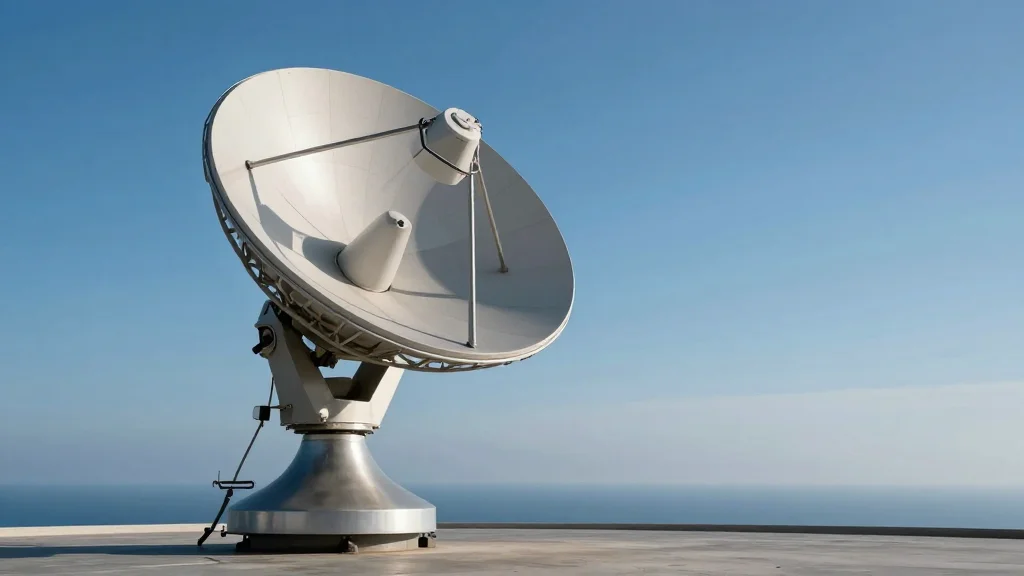
SATShow Week 2026 United the Global Space Ecosystem and Unveiled Industry-Wide Technological Progress in Its 45th Year
SATShow Week 2026 convened 14,738 senior leaders and 515 exhibitors from 36 countries at the Walter E. Washington Convention Center, marking the event’s 45th anniversary. The conference featured 273 speakers, expanded programming, and high‑level participation, with 39% of attendees in...
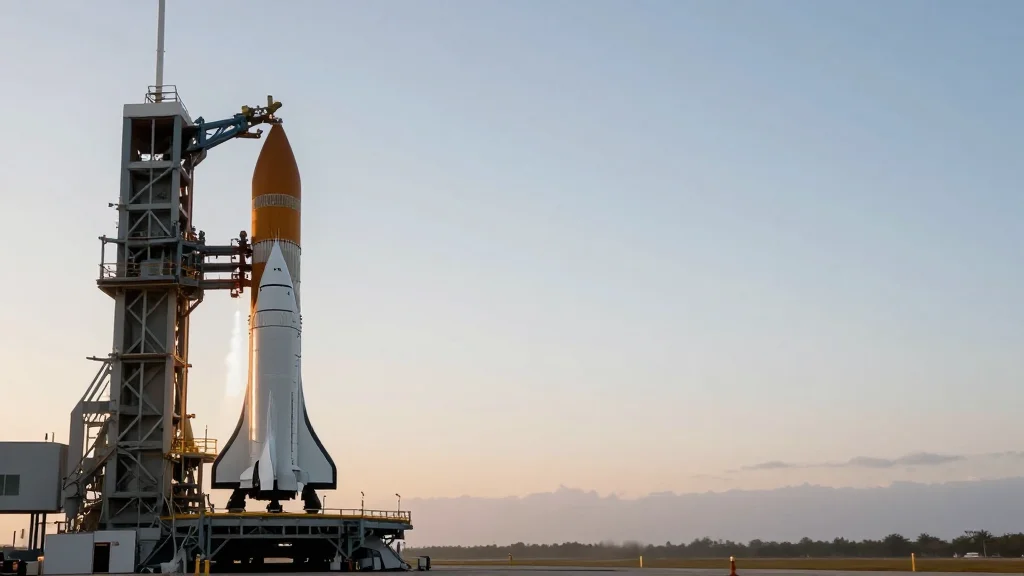
Charts Defining the Space Industry in Q1 2026
Q1 2026 saw a robust rebound in the commercial space sector, with launch activity climbing 12% year‑over‑year to 84 missions. Total satellite revenue reached roughly $9 billion, driven by megaconstellations and high‑throughput services. Venture capital poured an estimated $3.2 billion into space...
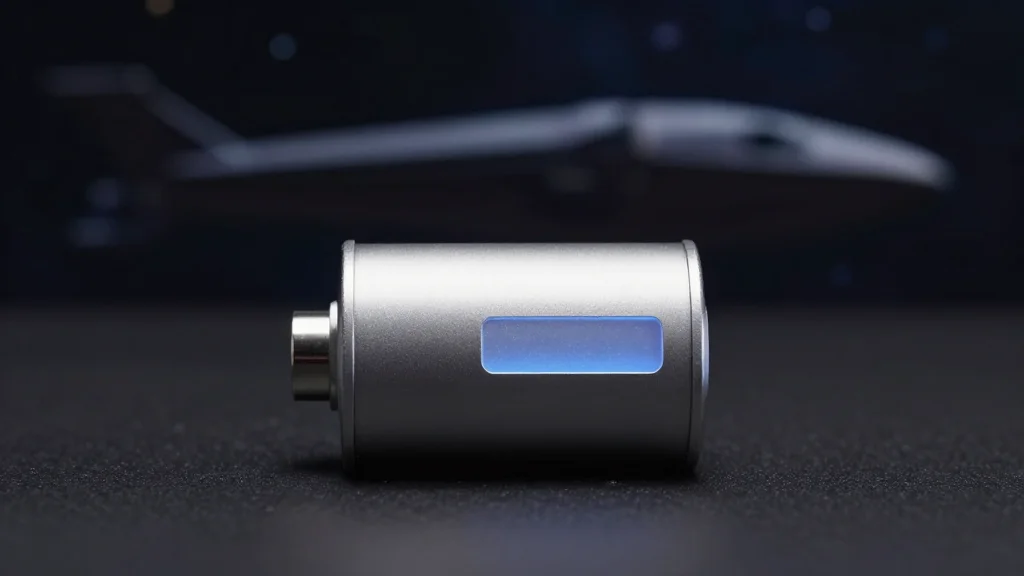
NASA Is Developing a New Nuclear Battery that Could Run for Four Centuries or Five Human Lifetimes
NASA is evaluating americium‑241 as fuel for next‑generation radioisotope power systems, offering a half‑life of roughly 433 years—about five times longer than the current plutonium‑238 sources. The isotope’s slow decay would enable nuclear batteries to operate for centuries, supporting deep‑space...

India Targets LVM3 Rocket Power Upgrade by End of 2026
India’s space agency ISRO is targeting an integrated hot‑test of its indigenous semi‑cryogenic SE/SCE‑2000 engine by the end of 2026, with test facilities already in place. The 2,000 kN thrust engine could serve as LVM3’s second stage or replace the existing...

The Awe of a Moon Launch in an Age of Trump, Turmoil and Tribal Divisions
Artemis II launched on April 2, 2026, sending four astronauts on a lunar flyby and testing critical deep‑space systems. The mission revives the spirit of Apollo 8, offering a brief unifying moment amid intense domestic division. President Trump gave a 35‑second acknowledgment before shifting...

SMILE’s April 9 Launch Could Finally Show Us What Solar Storms Actually Look Like When They Hit
The Solar wind Magnetosphere Ionosphere Link Explorer (SMILE) is set to launch on April 9 from French Guiana, carrying four instruments to image Earth’s magnetosphere in soft X‑rays. By capturing the interaction between solar wind and the magnetic shield, and simultaneously...

Swift Spacecraft Reorientation Buys Time for Reboost Mission
NASA has reoriented the 2004‑launched Swift observatory to reduce atmospheric drag by roughly 30%, buying critical weeks before its orbit falls below the 300‑kilometer threshold needed for a planned reboost. Updated decay models now show a 10% chance of reaching...

CLPS Companies Excited For NASA’s ‘Opportunity Bomb’ Lunar Plan
NASA released a draft RFP for CLPS 2.0, outlining a $6 billion budget cap, a ten‑year ordering window, larger landers, and support for lunar‑night power and sample return. The agency aims to begin monthly uncrewed lunar deliveries as early as next year,...
April 2, 2026 Quick Space Links
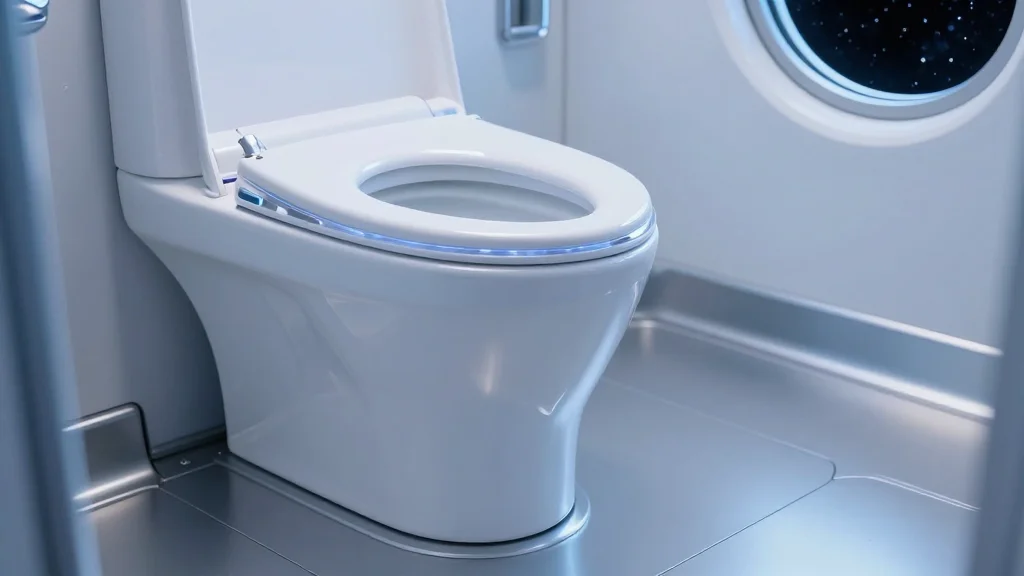
A daily roundup highlights several space industry updates, from Orion’s crew‑toilet functioning after an early glitch to Japan’s Martian Moons eXploration (MMX) spacecraft arriving at Tanegashima for a 2026 Phobos sample‑return mission. It also notes Amazon’s stalled acquisition of Globalstar,...
Moving Target Indication, Orbital Warfare Among Areas Needing Increased Investment, Space Force Official Says
U.S. Space Force Lt. Gen. Dennis Bythewood told a Mitchell Institute forum that the defense industrial base must receive more funding for moving‑target indication, launch infrastructure, orbital warfare, and positioning, navigation and timing (PNT). He emphasized the need to expand...

Former Sierra Space CEO Tom Vice to Lead Astrion
Tom Vice, former Sierra Space chief executive, has been appointed CEO and executive chair of Huntsville‑based defense contractor Astrion. The company also named former Lockheed Martin Space vice president Eric Brown as president of space operations and ex‑RTX executive Conn...

Optical Terminals Still a Bottleneck in Pentagon’s Proliferated Constellation
On Oct. 15, Lockheed Martin launched 21 Space Development Agency Tracking Layer Tranche 1 satellites, each carrying three laser communication terminals (OCTs) instead of the planned four due to a supply shortfall. Tesat‑Spacecom delivered 42 terminals while CACI supplied only 21,...

Sovereignty in Orbit: Can National Laws Govern Global Space Markets?
National space laws provide the licensing backbone for launches, spectrum, and remote‑sensing, but they cannot alone resolve cross‑border disputes that arise from global satellite constellations, orbital debris, and lunar‑resource activities. The Outer Space Treaty remains the legal floor, tying private...
Astroscale and Exotrail to Co-Develop Servicing Mission
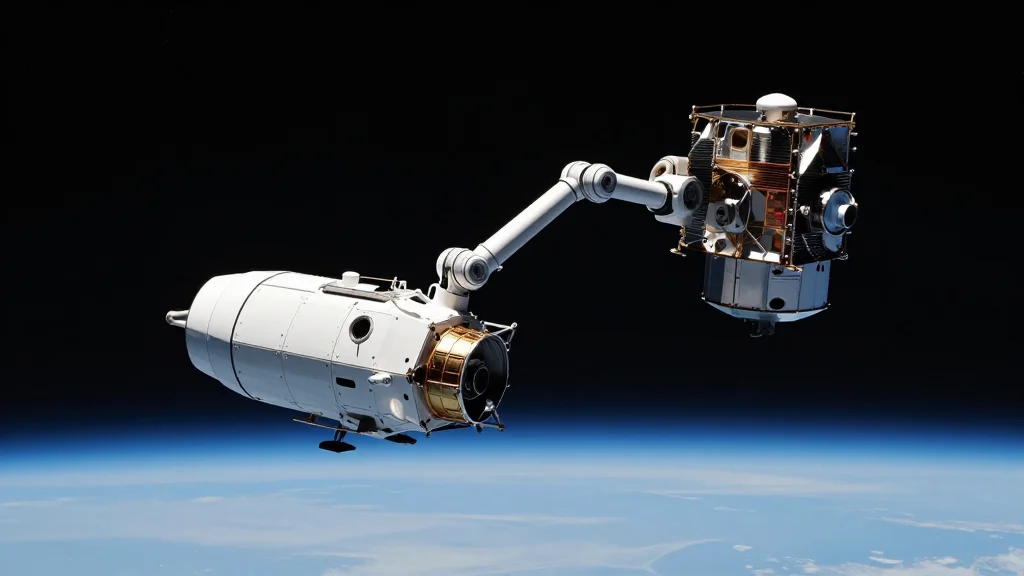
Japanese satellite‑life‑extension specialist Astroscale and French launch‑service firm Exotrail have signed a contract to co‑develop a low‑Earth‑orbit de‑orbiting mission, aiming for operational capability by 2030. The partnership combines Exotrail’s SpaceVan vehicle with Astroscale’s capture system and proximity‑operations expertise. The agreement...
In-Orbit Logistics Companies Call for Clearer Demand Signals From Gov
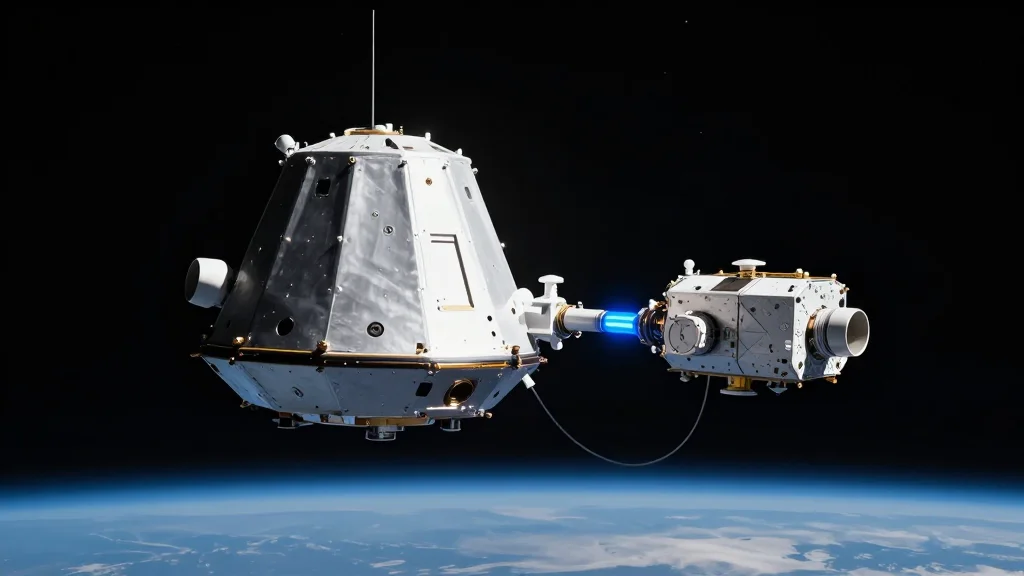
Industry leaders at a SATShow Week panel warned that demand for in‑orbit inspection, repair, refueling and de‑orbit services will surge over the next five to ten years as Low‑Earth Orbit becomes increasingly congested. The Space Development Agency (SDA) highlighted a...
ArkEdge Space to Work With ABIT For IoT Service Rollout
ArkEdge Space and Japan’s ABIT Corporation have signed an MOU to co‑develop wide‑area IoT solutions and satellite communication equipment. The collaboration merges ArkEdge’s low‑power, long‑range satellite network—validated on 18 in‑orbit satellites—with ABIT’s ground‑side device design, mass‑production and protocol expertise. ArkEdge...
The New Rubin Telescope Discovers over 11,000 New Asteroids in First Observations
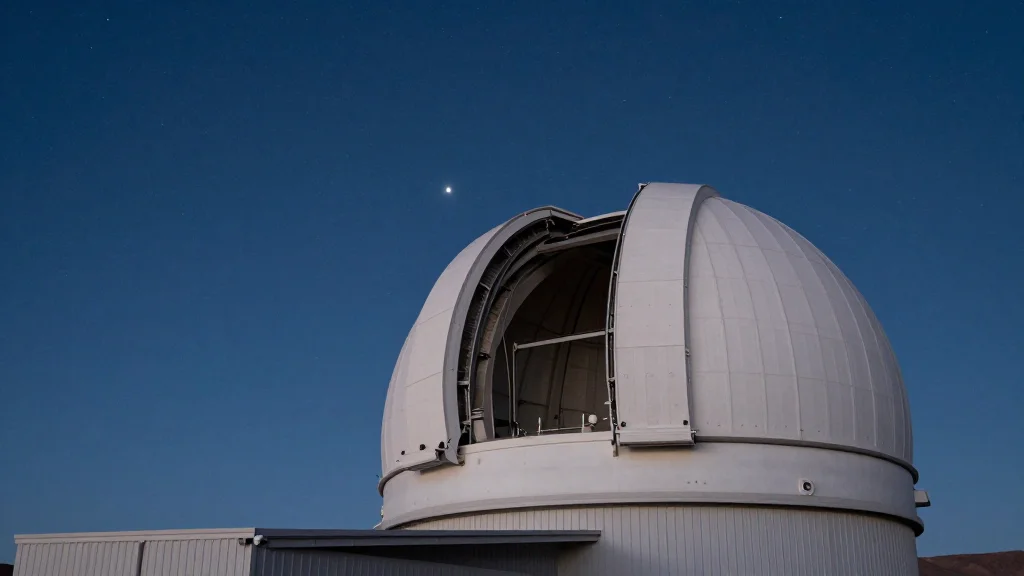
The Vera C. Rubin Observatory in Chile has cataloged over 11,000 previously unknown asteroids during its first 1.5 months of operation, including 33 newly identified near‑Earth objects (NEOs). The survey also recorded roughly one million observations of more than 80,000...

ISED Extends Telesat’s Use of Ku-Band for Broadcasting Services
Innovation, Science and Economic Development (ISED) has approved an extension of Telesat’s use of the extended Ku (xKu) band for direct‑to‑home (DTH) broadcasting until November 2039. The decision keeps Shaw Direct’s service, operated by Rogers, on air for another decade, reversing...

L3Harris Taps Mercury Systems for High-Capacity Data Storage on SDA Tranche 3 Satellites
On April 2, 2026, Mercury Systems won a contract from L3Harris Technologies to provide advanced solid‑state data recorders for the Space Development Agency’s Tranche 3 Tracking Layer. The SSDRs are the highest‑capacity, radiation‑tolerant units in a 3U VPX form factor, delivering...

Amazon Weighs a Deal to Boost Its Satellite Internet Ambitions. Why It's Worthy Pursuit
Amazon is in talks to acquire satellite operator Globalstar, a move that would expand its fledgling Leo internet‑from‑space service. Leo currently runs about 200 low‑Earth‑orbit satellites, far fewer than SpaceX’s Starlink network of over 10,000 satellites and 10 million users. The...

AT&T, FirstNet Support Comms for NASA's Artemis II Mission Around the Moon
AT&T is supplying connectivity and on‑site support for NASA’s Artemis II mission, enabling near‑Earth and deep‑space communications as the Orion crew circles the Moon. The carrier has upgraded its network and positioned teams at key NASA facilities, while its FirstNet public‑safety...

Private Control of Space Infrastructure: Should One Company Have This Much Influence?
SpaceX now controls launch services, Starlink broadband, crew transport to the ISS, and key defense contracts, making it a de‑facto infrastructure provider across multiple space layers. The company earned this dominance through rapid iteration, vertical integration and aggressive pricing, not...

Chinese Satellite with Robotic 'Octopus Arm' Passes Key Refueling Test in Orbit — Making Longer-Lived Space Assets More Likely
China’s experimental Hukeda‑2 satellite demonstrated a major in‑orbit refueling capability by using its octopus‑like robotic arm to dock with a target port on the same spacecraft. The test, conducted on 24 March, marks the first self‑docking refuel maneuver since the Shijian‑25...

Moog Technology Successfully Steers Artemis II Launch
Moog Inc. supplied the critical actuation and motion‑control systems that steered NASA’s Artemis II launch, including thrust‑vector control, launch‑abort actuators, fluid‑control hardware, and mobile launch‑pad mechanisms. The SLS rocket lifted four astronauts from Kennedy Space Center, marking a record‑setting step toward...
Does Artemis II Prove Space Tourism Might Soon Take Off?
Artemis II’s April 1 launch delivered the first crewed lunar flyby since Apollo, underscoring NASA’s push for a 2028 Moon landing. SpaceX has filed confidentially for an IPO that could value the company above $1 trillion, the largest market debut ever. Virgin Galactic...
SpaceX Secures SDA-4 Launch Task Order From U.S. Space Force
SpaceX has secured a task order worth more than $178 million from the U.S. Space Force Systems Command to conduct two National Security Space Launch Phase 3, Lane 1 missions in fiscal 2027. The launches will occur from Cape Canaveral Space Force Station...
National Geographic: Tour NASA’s New Ride to the Moon
NASA’s Artemis II mission, the first crewed flight of the Orion spacecraft, is teaming with National Geographic to document the journey. The four astronauts will serve as photographers, videographers, and filmmakers, creating content for the magazine, social media, and a documentary....

Phantom Space Acquires Thermal Management Technologies
Phantom Space announced the acquisition of Thermal Management Technologies (TMT), a specialist in satellite thermal components, to strengthen its in‑orbit data‑center project called Phantom Cloud. TMT will operate as a Phantom subsidiary with founder Scott Schick remaining as general manager,...
Relativity, Hermeus, Astrion and Divergent Executives Join Fortastra C-Suite
Fortastra, a Los Angeles‑based space startup, has bolstered its leadership team by hiring senior executives from Relativity Space, Hermeus, Astrion and Divergent Technologies. Josh Jetter joins as chief technology officer, Sahil Desai as vice president of product, and Arnold Nowinski...

Starlink Shines Bright in Asia-Pacific
SpaceX’s Starlink is accelerating its direct‑to‑device (D2D) rollout across the Asia‑Pacific, with launch dates confirmed for New Zealand’s Spark and Japan’s NTT Docomo, while SoftBank announced future plans. Spark’s offering mixes free access with a NZD10 (~$5.70) fee tier, targeting remote and...

Amazon in Talks to Buy Satellite Operator Globalstar
Amazon is in advanced talks to acquire satellite‑telecom firm Globalstar as it accelerates its low‑Earth‑orbit (LEO) broadband project, Kuiper. Globalstar, valued at about $8.8 billion, saw its shares jump 24% to $85 after the news. The deal would give Amazon access...

NASA’s Artemis 2 Has a Space Toilet Issue – And It’s More Important Than You Think
NASA’s Artemis 2 mission, the first crewed lunar flight in over five decades, reported a malfunction in Orion’s Universal Waste Management System within hours of launch. A jammed fan has limited urine collection, though solid waste disposal remains operational. Engineers are...
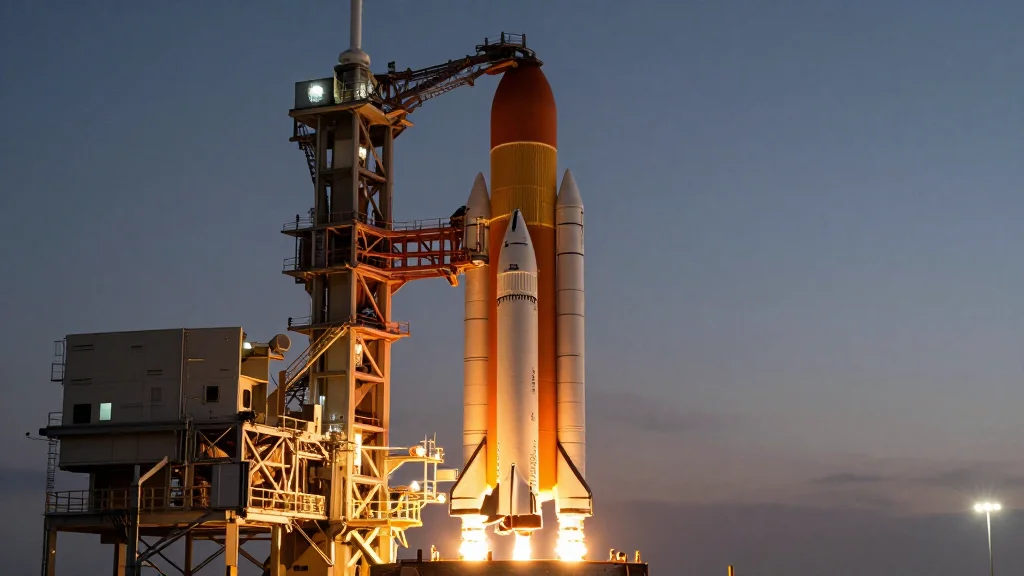
Artemis II Successfully Launches for Historic Moon Mission
NASA launched Artemis II from Florida’s Kennedy Space Center at 6:35 p.m. ET, marking the first crewed flight of the Orion capsule and the second launch of the Space Launch System. The four‑person crew—NASA’s Reid Wiseman, Victor Glover, Christina Koch and Canada’s Jeremy Hansen—will...

Artemis II Blasts Off: Humans Are on Their Way Back to the Moon
NASA’s Artemis II launched from Kennedy Space Center on April 1, sending a four‑person crew on a ten‑day lunar flyby—the first human mission beyond low‑Earth orbit in more than five decades. Commander Reid Wiseman, pilot Victor Glover, mission specialists Christina Koch and...
Amazon in Talks to Buy $9bn Satellite Group Globalstar in Bid to Rival Musk’s Starlink
Amazon is reportedly in advanced negotiations to acquire Globalstar, a satellite communications firm valued at roughly $9 billion. The move would give Amazon a low‑Earth‑orbit constellation capable of delivering broadband services worldwide. Analysts see the deal as Amazon’s bid to build...
Space Force Wants More Testers, Looking at Own Test Center to Deliver Faster
The U.S. Space Force is overhauling its testing approach by embedding acquirers, testers, and operators in early‑stage "test integration teams," a shift aimed at delivering usable capabilities faster. Officials say the new model reduces silos, accepts "good enough" solutions, and...

Grain Looking to Market 800 MHz for Direct-to-Cell
Investment firm Grain Management has acquired T‑Mobile’s 800 MHz spectrum and 600 MHz holdings for about $2.9 billion, aiming to lease or sell the airwaves to satellite operators for direct‑to‑cell (D2D) services. The companies seek FCC waivers to suspend build‑out deadlines and allow...

Department of Commerce Proposes ‘Space Commerce Certification’ Process
The U.S. Department of Commerce’s Office of Space Commerce has issued a proposal for a voluntary “Space Commerce Certification” that would create a unified, light‑touch mission‑authorization pathway for novel commercial space activities such as in‑space manufacturing, satellite servicing and lunar...
Meghalaya Govt Signs MoU With Starlink To Pilot Satcom Services
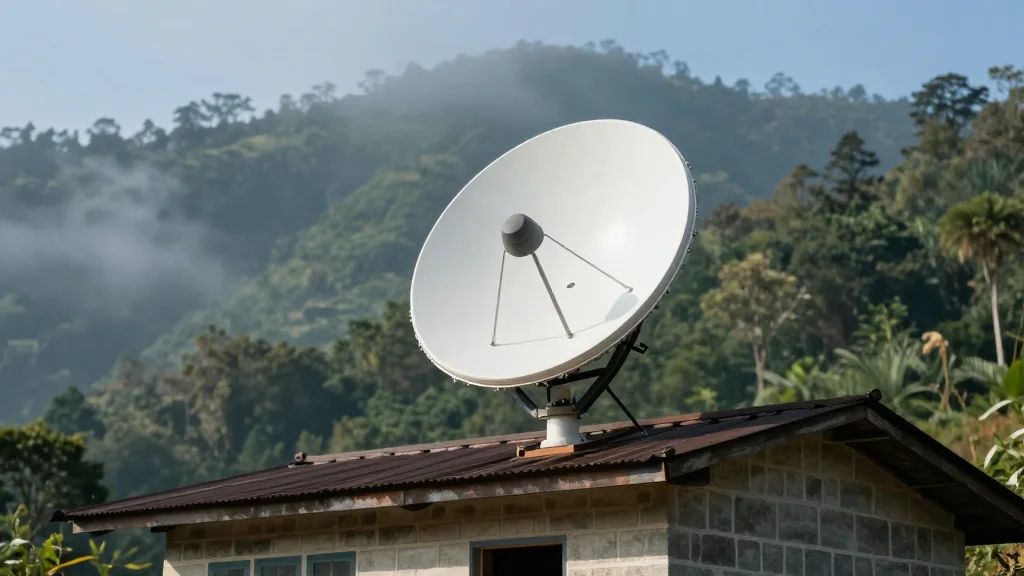
The Meghalaya government has signed a memorandum of understanding with Elon Musk’s Starlink to pilot satellite broadband in the state’s most remote areas, focusing on schools, health centres and farms. The pilot will test high‑speed internet reliability before a broader...

Explosive Potential of a Fully Fueled Launch Vehicle and What an On-Pad Explosion Can Do
The article explains that a fully fueled launch vehicle stores terajoules of chemical energy, but the actual on‑pad explosion depends on propellant mixing, ignition timing, and confinement, not a simple TNT equivalent. Using public data, Starship V3’s methane load translates...
CanarySat CEO Antonio Abad Outlines the Sovereign, Secure Approach Behind the Magec Constellation
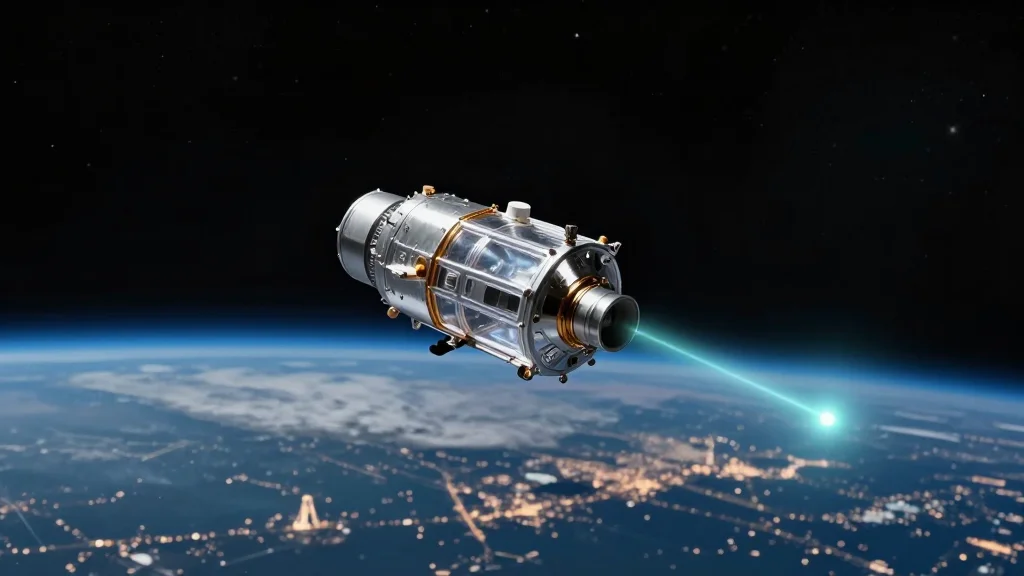
CanarySat, backed by Spain’s Arquimea, unveiled its Magec constellation – a planned 264‑satellite Ka‑band LEO network aimed at sovereign, secure communications for governments, critical infrastructure and essential enterprises. The company, less than a year old, leverages five years of design...

Jeremy Hansen, an Artemis II Astronaut, Is the First Canadian on a Crewed Moon Mission
Jeremy Hansen has been named a mission specialist for NASA’s Artemis II, making him the first Canadian astronaut to travel around the Moon. Artemis II is the agency’s inaugural crewed flight beyond low‑Earth orbit since Apollo, using the Orion capsule and Space...
FedDev Ontario Injects $7M Into Kepler’s High-Speed Satellite Constellation
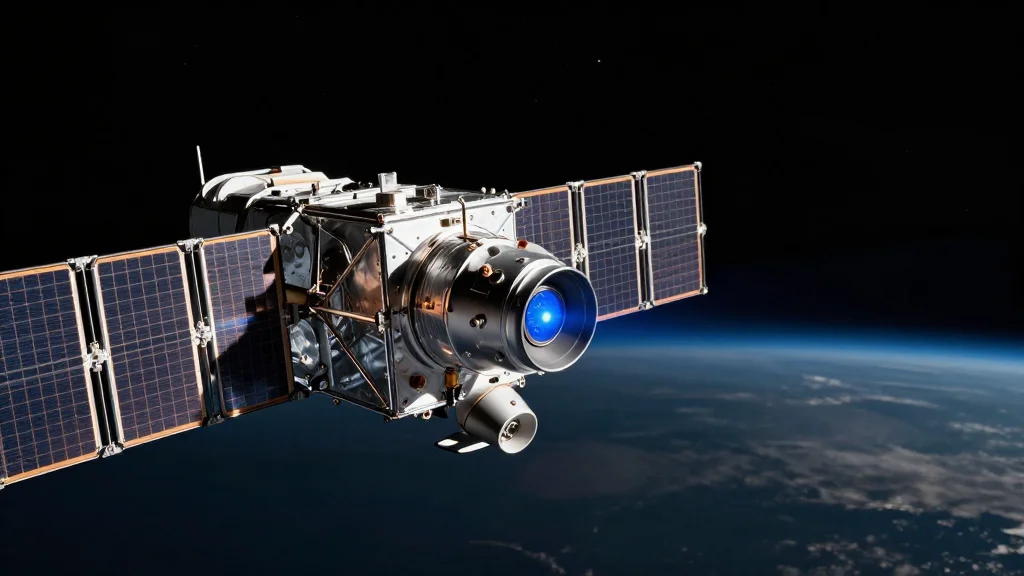
Toronto‑based Kepler Communications received a $7 million CAD (≈$5.2 million USD) investment from FedDev Ontario to advance its next‑generation optical data‑relay satellite constellation. The funding supports engineering work on Tranche 1, which already placed ten low‑Earth‑orbit satellites into service in January. The grant...

Live in the Booth: Arianespace CEO David Cavaillolès Previews Ariane 6 Ramp-Up
Arianespace is accelerating its Ariane 6 launch cadence, with the next mission slated for April 28 following a successful February flight for its biggest customer, Amazon. CEO David Cavaillolès highlighted the massive coordination effort involving roughly 600 European companies to keep the...

NASA Taps SFL Missions to Build Eight Satellites for Solar Wind Study
Toronto‑based SFL Missions Inc. has secured a NASA contract to build eight 150‑kilogram “Node” satellites for the HelioSwarm science mission. The Nodes will ride on a larger Hub spacecraft before deploying into coordinated formations in high‑Earth orbit. Built on SFL’s...

Teledyne Forms Dedicated Space Unit to Capture Rising Demand
Teledyne Technologies is launching a dedicated business unit called Teledyne Space, consolidating its imaging, electronics, and component operations to meet rising demand for satellite‑based sensing. The new sector merges detectors, microwave devices, optoelectronics, and radiation‑tolerant semiconductors under one umbrella. It...