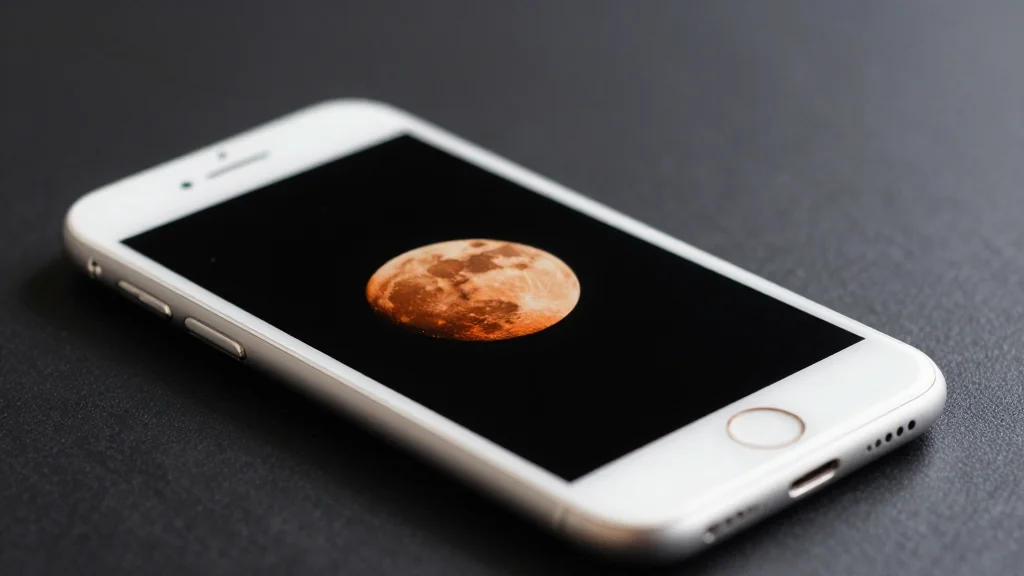
IPhone Video Shows 'Earthset' From Space

Companies Mentioned

NASA
Why It Matters
The video proves low‑cost smartphones can capture scientifically valuable views, boosting public engagement and expanding imaging options for future deep‑space missions.
Key Takeaways
- •Reid Wiseman captured Earthset with an iPhone at 8x zoom
- •First unedited video of Earth disappearing behind the Moon
- •Artemis II crew routinely uses consumer tech for onboard documentation
- •Video mirrors human eye view, enhancing public relatability
- •Highlights potential for low‑cost imaging in future deep‑space missions
Pulse Analysis
The Artemis II mission, NASA’s first crewed lunar flyby since the Apollo era, has become a proving ground for everyday technology in space. Astronauts have routinely employed smartphones, tablets, and action cameras to document daily life aboard the Orion capsule, turning personal devices into scientific tools. Wiseman’s iPhone capture of an "Earthset"—the moment Earth slips behind the Moon—illustrates how a consumer‑grade sensor, when paired with a modest 8× optical zoom, can deliver footage comparable to professional equipment, expanding the visual archive of lunar missions.
An Earthset is a rare visual event that occurs when the Moon’s orbit aligns such that it eclipses the planet from the spacecraft’s perspective. Capturing it on video provides a unique reference for orbital dynamics and illumination models used in navigation and mission planning. The unedited nature of Wiseman’s clip offers researchers a raw data point to validate simulation software that predicts line‑of‑sight events, while the human‑scale perspective makes the phenomenon accessible to a broader audience unfamiliar with orbital mechanics.
Beyond scientific merit, the viral spread of the iPhone video underscores a shift in public outreach strategy. By leveraging familiar consumer gadgets, NASA can deliver compelling, relatable content that resonates with a tech‑savvy public, fostering enthusiasm for lunar exploration. This democratization of space imaging hints at future missions where low‑cost cameras could supplement dedicated instruments, enabling crowdsourced observations and expanding the data pool without significant budget increases. As private companies and international agencies adopt similar approaches, the line between professional and consumer space photography will continue to blur, opening new avenues for collaboration and education.
iPhone Video Shows 'Earthset' From Space
Comments
Want to join the conversation?
Loading comments...