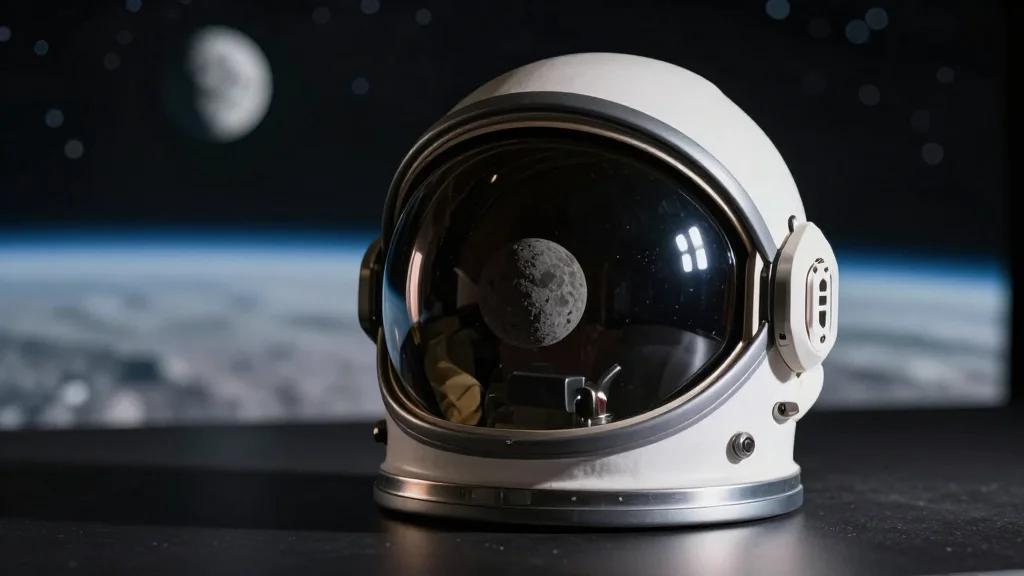
NASA’s IG: With only Axiom Building NASA’s Future Spacesuits, the Agency’s Lunar Program Faces Great Scheduling Risk
Why It Matters
Without additional qualified providers or standardized suit criteria, NASA’s lunar landing timeline and astronaut safety could be compromised, potentially forcing reliance on outdated EMUs.
Key Takeaways
- •Axiom is currently sole provider of NASA's next‑generation lunar suits.
- •NASA lacks standardized suit requirements, limiting new contractor entry.
- •Axiom's suit development lags, but may meet Artemis‑3 test in 2026.
- •Alternatives include SpaceX, ILC Dover, and Genesis pod concept.
Pulse Analysis
The Inspector General’s recent report spotlights a critical bottleneck in NASA’s Artemis program: a single‑source contract for next‑generation spacesuits. Axiom Space, the only company tasked with delivering the new xEVAs, is already trailing its development schedule, yet the agency hopes to field the suits for the Artemis‑3 Earth‑orbit test as early as next year. This dependence amplifies schedule risk, because any delay or cost overrun could force NASA to revert to the aging EMU suits that are ill‑suited for lunar surface operations.
Compounding the issue is NASA’s absence of a unified suit standard. Without clear compatibility criteria, other commercial players cannot easily compete for contracts, even though companies like SpaceX, ILC Dover, and Genesis have expressed interest. SpaceX’s current suit relies on an umbilical for power and oxygen, making it unsuitable for independent lunar EVA. ILC Dover could leverage its legacy EMU expertise for a rapid development path, while Genesis proposes a radical pod‑based approach that eliminates the need for traditional suits altogether. However, each alternative faces technical, safety, and certification hurdles before they can support Artemis’s near‑term milestones.
The broader industry implication is a call for NASA to formalize suit interoperability standards and diversify its supplier base. Establishing such standards would lower entry barriers, stimulate competition, and mitigate single‑point‑failure risks. As commercial spaceflight matures, a multi‑vendor ecosystem could accelerate innovation, reduce costs, and ensure the Artemis program stays on track to return humans to the Moon. Proactive policy adjustments now could safeguard the agency’s long‑term lunar ambitions and set a precedent for future deep‑space habitats.
NASA’s IG: With only Axiom building NASA’s future spacesuits, the agency’s lunar program faces great scheduling risk
Comments
Want to join the conversation?
Loading comments...