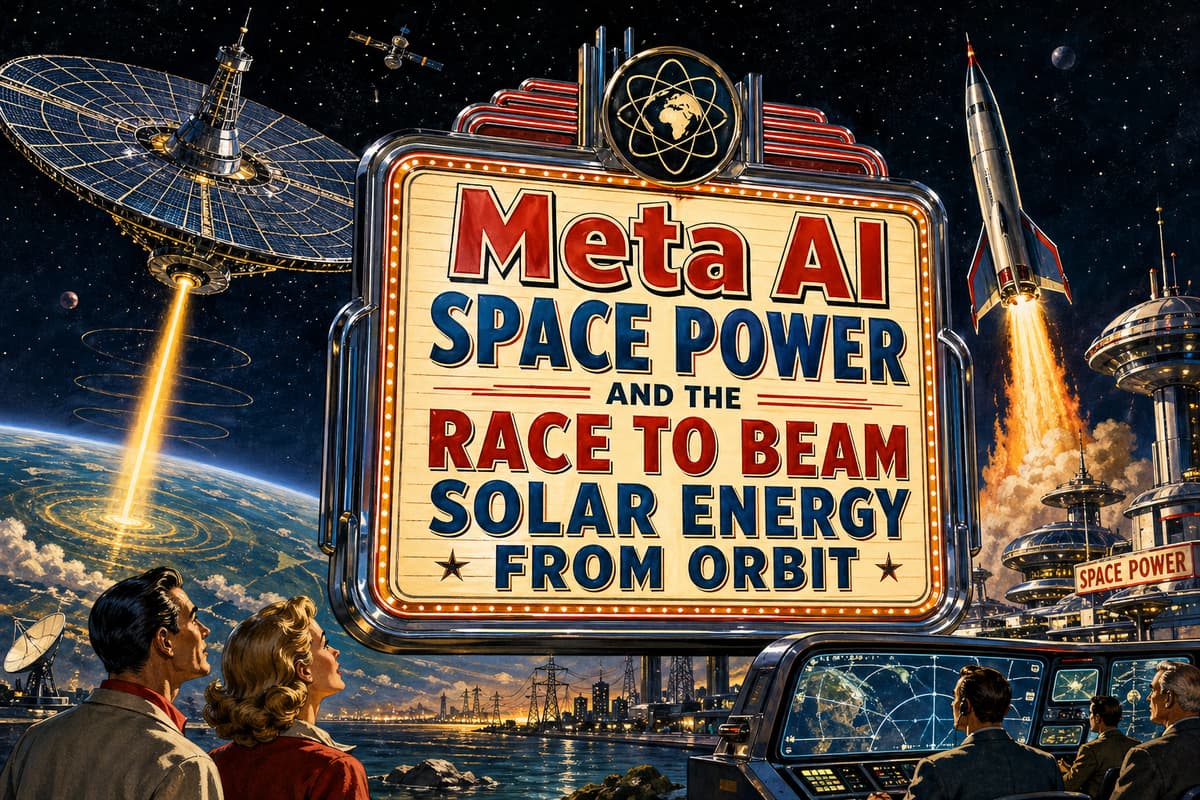
Meta AI Space Power and the Race to Beam Solar Energy From Orbit
Meta has signed a contract with Overview Energy to reserve up to 1 GW of space‑solar capacity, targeting a 2028 orbital demonstration and commercial delivery by 2030. The system would collect sunlight in geosynchronous orbit, convert it to low‑intensity near‑infrared light, and beam it to existing solar farms to extend generation into nighttime hours. Meta frames the deal as part of a broader AI‑energy procurement strategy that already includes over 30 GW of clean power and ultra‑long‑duration storage. The agreement pushes space‑based solar power from theory toward a commercial procurement language used by a hyperscale tech firm.
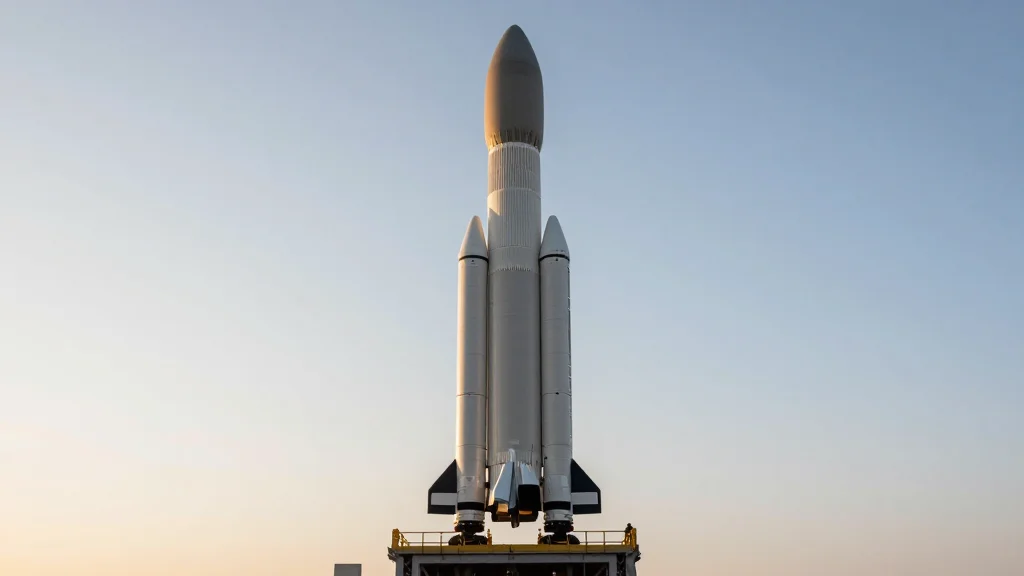
SpaceX Plans Falcon Heavy Return Featuring Side Booster Landings
SpaceX is set to launch its first Falcon Heavy mission in over 18 months, targeting a Viasat‑3 communications satellite. The lift‑off will occur from Kennedy Space Center’s Launch Complex 39, with the two side boosters programmed to return and land...
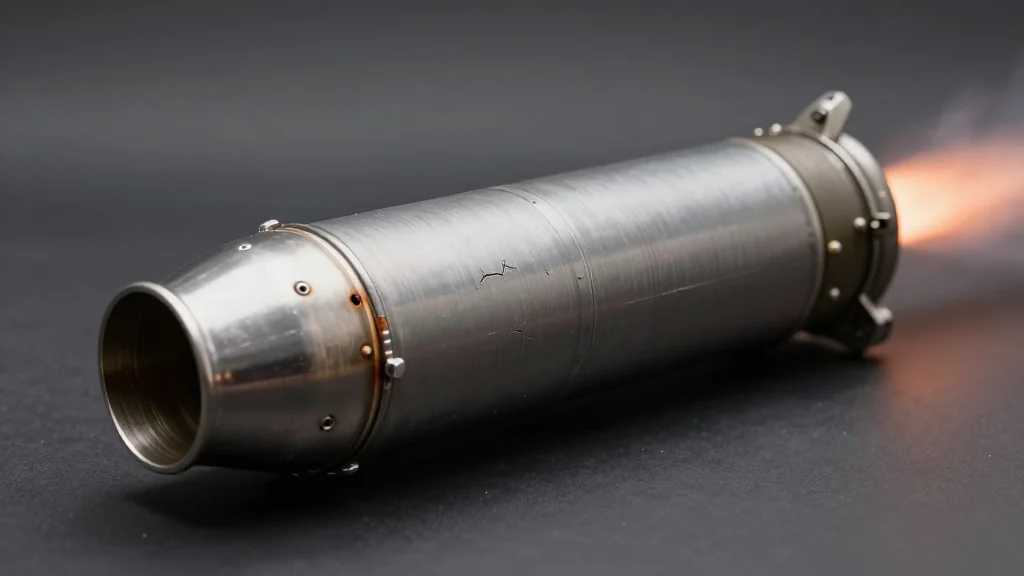
Australian Rocket Startup Gilmour Pinpoints Cause of First Rocket Launch Failure
Gilmour Space, an Australian hybrid‑rocket startup, released its investigation into the July 2025 Eris test‑flight failure. The probe found that one of the four first‑stage motors lost thrust at about nine seconds after ignition, with a second motor dropping at...
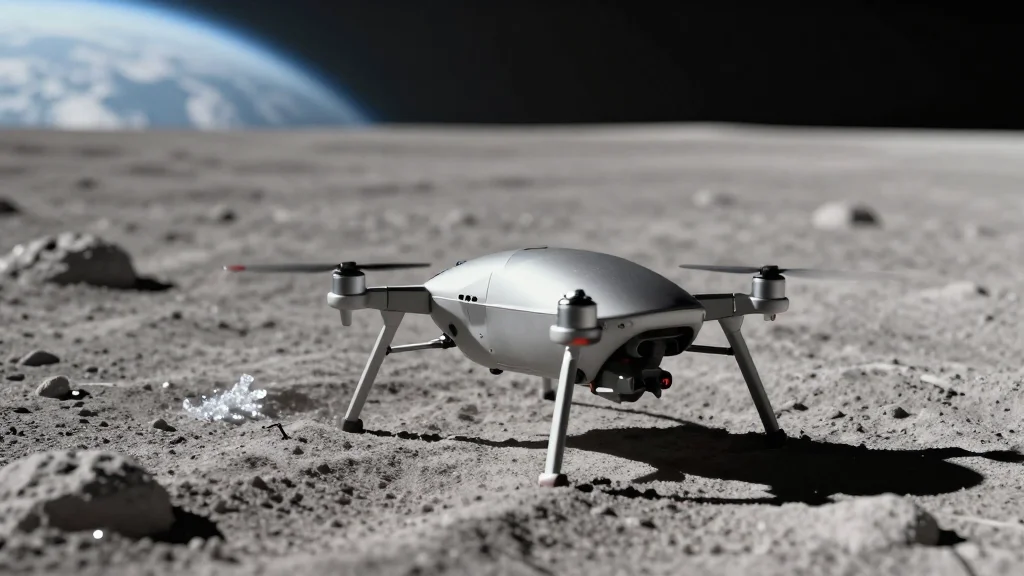
MoonFall: Hop To It for Future Artemis Lunar Landings
NASA’s Artemis program is adding a robotic precursor called MoonFall, which will launch four hopper drones to the Moon’s south‑pole region. The drones will map terrain, locate water‑ice and test autonomous navigation ahead of the first crewed landing slated for...

Falcon Heavy’s Long-Awaited Comeback Halted at the Last Minute
SpaceX’s Falcon Heavy, slated for its first launch in 18 months, was scrubbed at the last minute due to unfavorable weather at Cape Canaveral. The mission was to deliver the ViaSat‑3 F3 communications satellite, a critical component for expanding global broadband...

The Soyuz-5 Will Transform Kazakhstan Into a New Space Power
The joint Soyuz‑5 rocket, built by Russia and slated for Baikonur, arrived in November but its test flight has been pushed to 2026 after launch‑pad damage and safety checks. Kazakhstan’s Baiterek Space Rocket Complex, funded by a $115 million lease and...
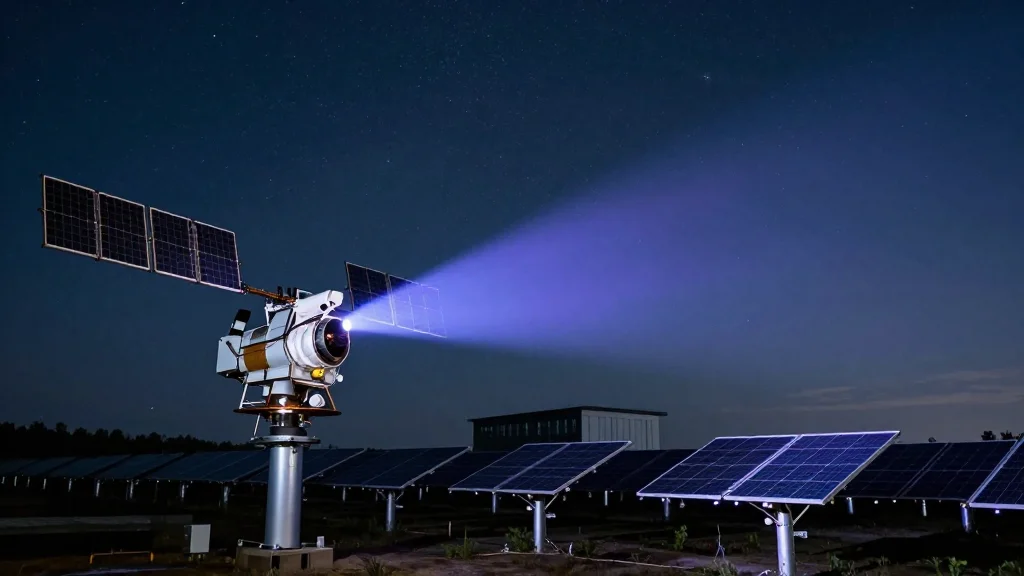
Meta Signs Deal to Power Data Centers at Night with Solar Energy From Space
Meta announced a partnership with Virginia‑based satellite startup Overview Energy to tap space‑based solar power for its AI‑driven data centers in the United States. The deal gives Meta early access to up to 1 GW of capacity, with an orbital demonstration...
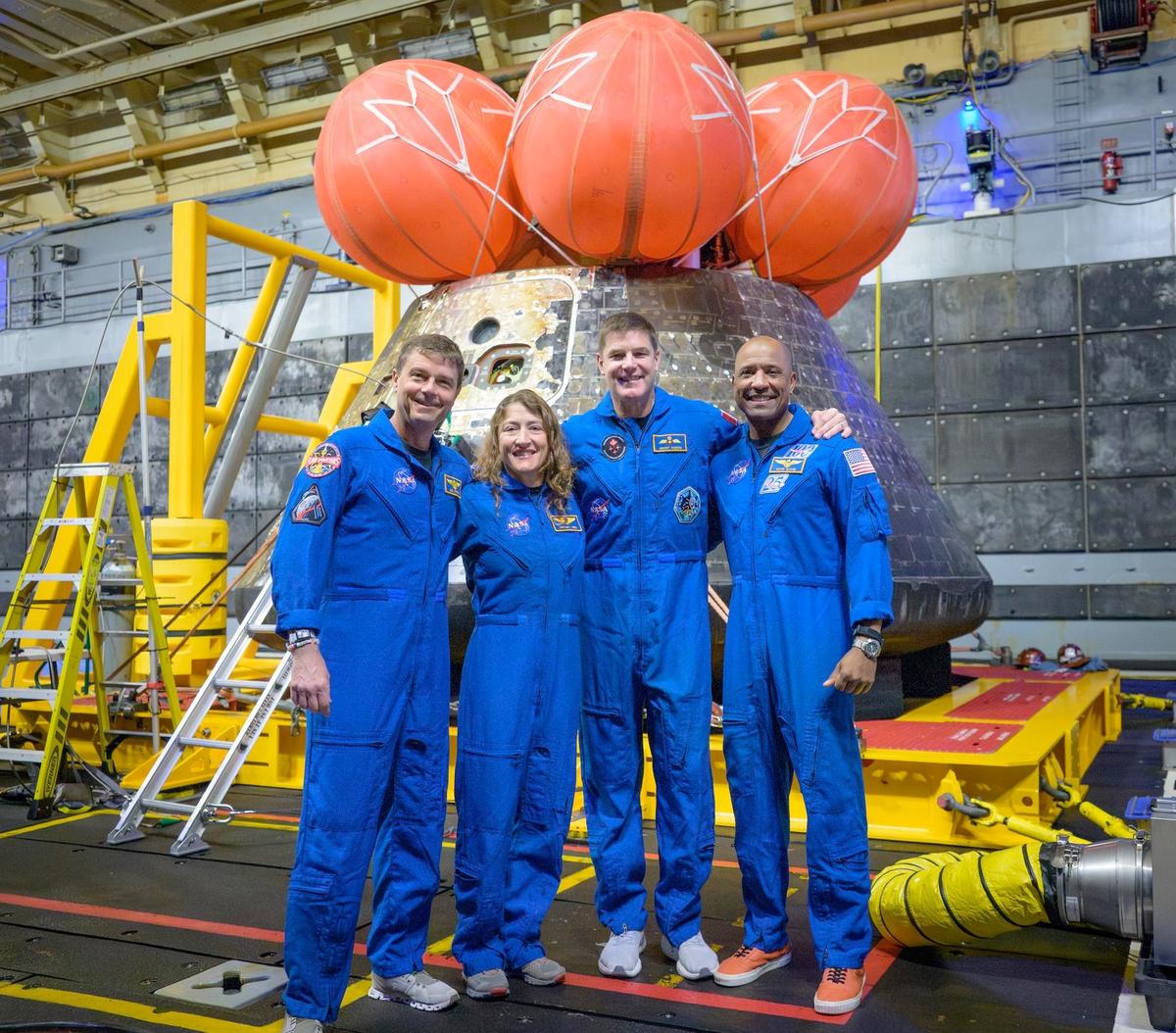
Artemis 2 Came Home in Triumph. Artemis 3 Must Survive the Real Test.
On April 10 the Orion capsule with astronauts Reid Wiseman, Christina Koch, Victor Glover and Jeremy Hansen splashed down, marking NASA’s first crewed lunar mission in over five decades and confirming the Artemis system works. The crew set historic firsts—first woman,...

April 27, 2001: SOHO Sees the Farside of the Sun
On April 27 2001, ESA announced that the Solar and Heliospheric Observatory (SOHO) could image the Sun’s far side for the first time. Using helioseismic holography via the Michelson Doppler Imager and ultraviolet mapping from the SWAN instrument, scientists could locate hidden...
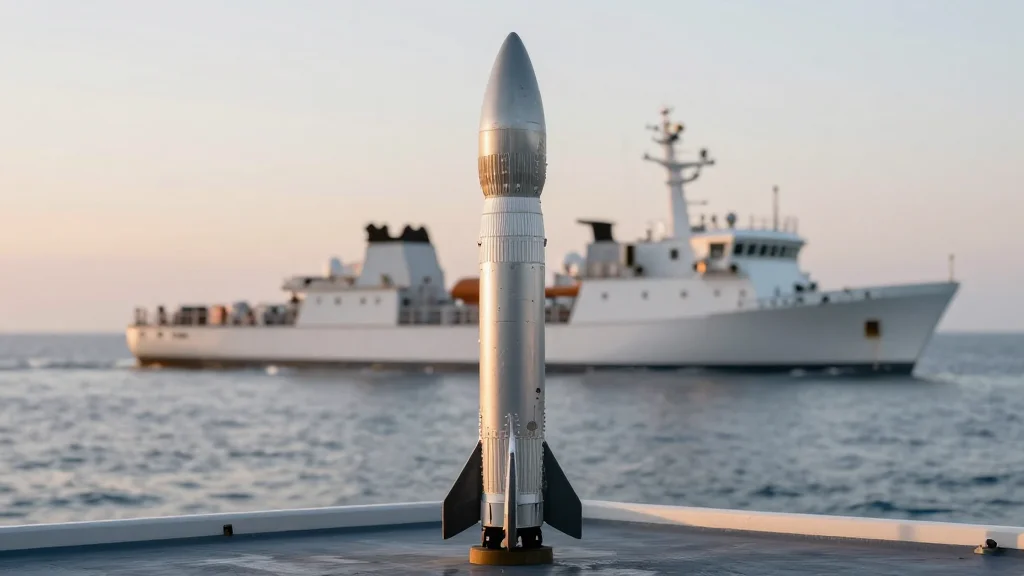
The Great Launch Constraint
On April 19 Blue Origin launched New Glenn’s NG‑3 mission using a refurbished first‑stage booster that successfully returned to the recovery ship Jacklyn. The mission, the first commercial flight for AST SpaceMobile, suffered a second‑stage anomaly: a BE‑3U engine under‑performed, placing the BlueBird 7...
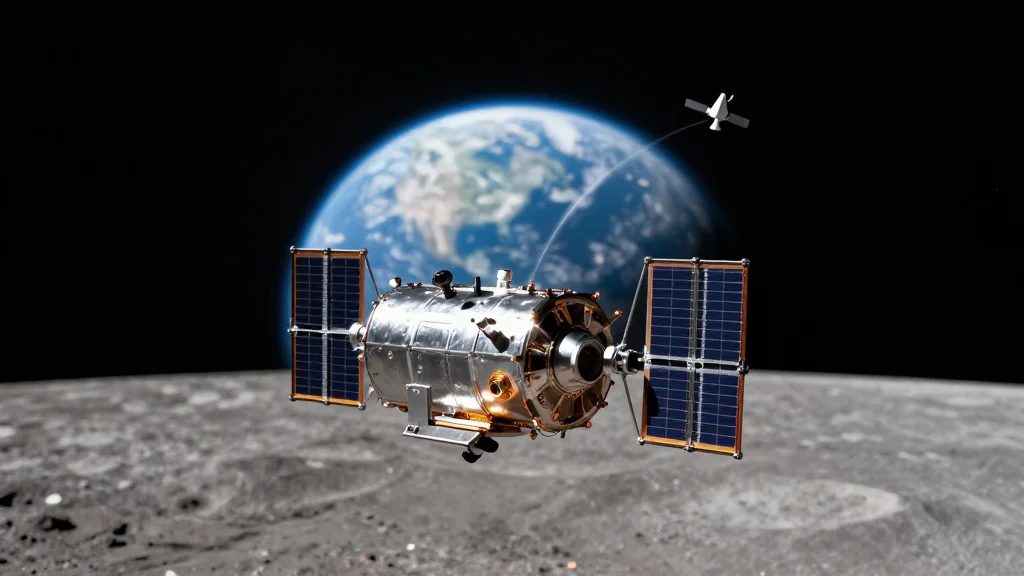
A Fortress Moon for Cislunar Security
A Chinese‑licensed commercial spacecraft launched as a lunar communications‑relay demonstrator unexpectedly altered its trajectory during a far‑side lunar pass, coinciding with a brief US satellite communications outage and infrared signatures of unannounced Long March launches. The simultaneous anomalies revealed a blind...
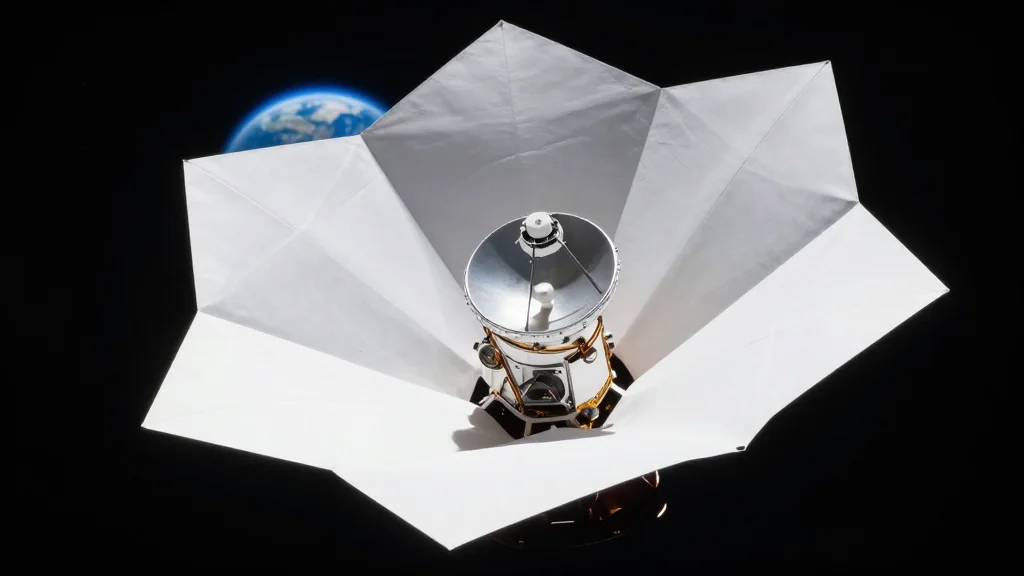
The TWINSTAR Mission Concept: A Pragmatic Path to Finding Earth 2.0
The TWINSTAR concept proposes a $3‑5 billion, four‑meter space telescope paired with a 34‑meter external starshade to achieve the 10⁻¹⁰ contrast needed for direct imaging of Earth‑like exoplanets. By locating the observatory at the Sun‑Earth L2 Lagrange point, the mission gains...
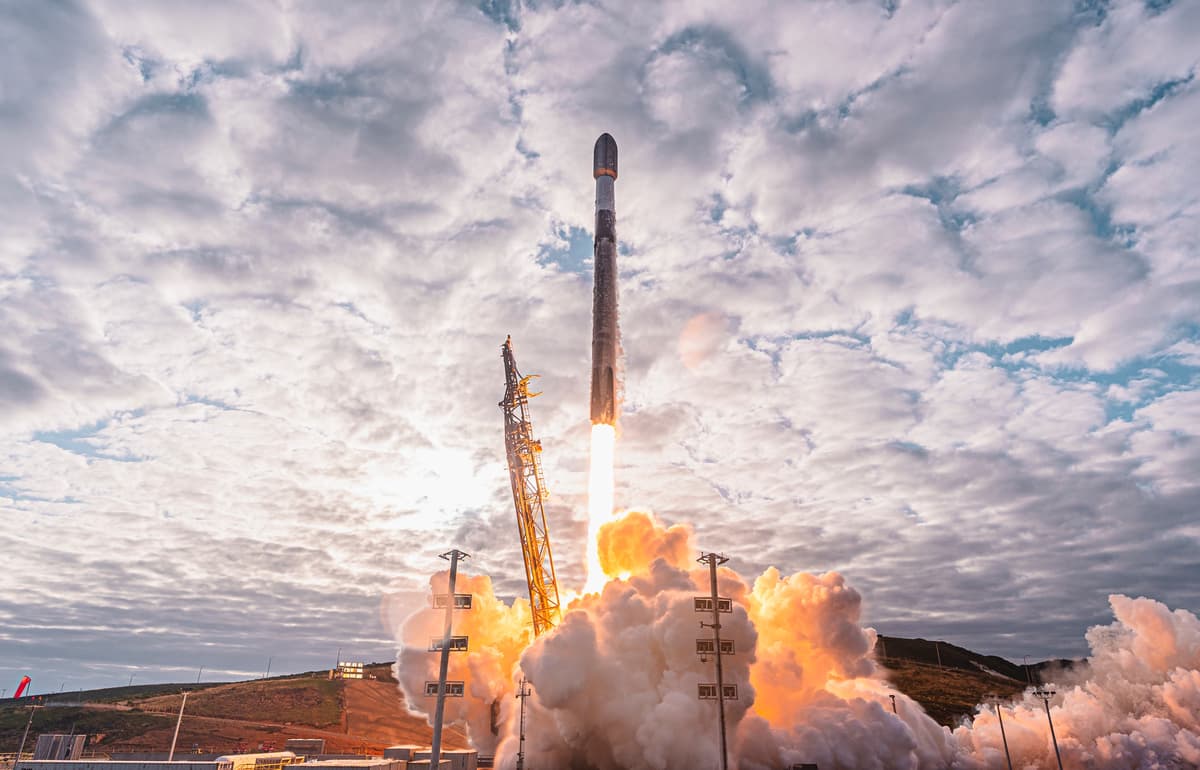
FAA to Begin Collecting User Fees for Commercial Launches and Reentries
The Federal Aviation Administration announced it will start collecting user fees for commercial launch and re‑entry licenses, charging 25 cents per pound of payload with a $30,000 cap for 2026. The fee structure, mandated by last year’s budget reconciliation bill,...
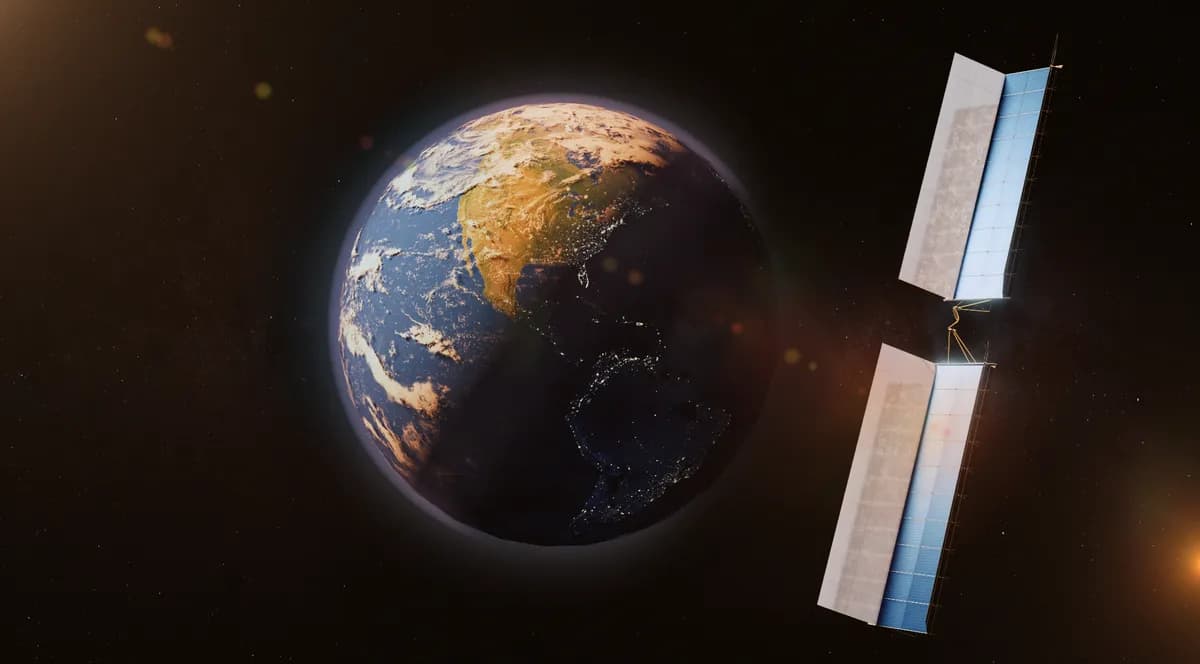
Meta Secures Overview Energy Space Solar Power Capacity
Meta has signed an agreement to secure up to 1 GW of power from Overview Energy’s planned solar‑beaming satellite system. The move follows Meta’s earlier deals for 6.6 GW of nuclear capacity and reflects growing pressure on terrestrial grids from AI‑driven data‑center...
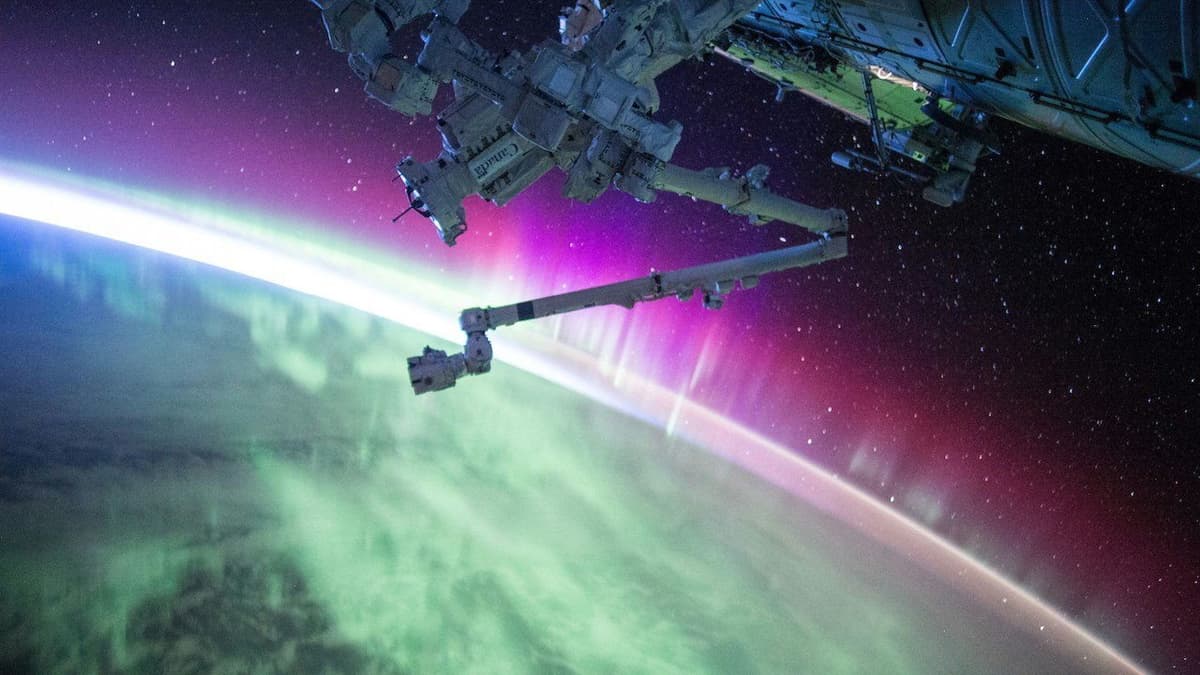
Spacetech Investor Seraphim Space Targets £350M Raise
Seraphim Space, a London‑listed spacetech investment trust, announced a plan to raise up to £350 million (approximately $445 million) by issuing new shares. The capital will fund investments in its existing portfolio of 45 spacetech companies—including nine unicorns—and new startups emerging from...

ICON Launches ICON Prime Defense Unit to Scale 3D Printed Construction for Military and Space Infrastructure
ICON has created a new defense‑focused unit, ICON Prime, to commercialize its large‑scale 3D‑printing construction systems for U.S. military and NASA space projects. Former CIA officer and Congressman Will Hurd was named president, tasked with expanding government partnerships. The unit already...

Focal Point Positioning to Showcase Precise+ High-Precision GNSS Technology at ENC 2026
UK‑based GNSS software firm Focal Point Positioning will unveil its Precise+ high‑precision technology at the European Navigation Conference in Vienna, April 28‑30, 2026. Precise+ applies the company’s patented Supercorrelation method to carrier‑phase measurements, delivering centimeter‑level positioning even in signal‑obstructed environments. Principal engineer...

10,000 New Planets Found Hidden in NASA Telescope Data
Astronomers have uncovered more than 10,000 candidate exoplanets in NASA's Transiting Exoplanet Survey Satellite (TESS) data, the largest single discovery to date. The haul was revealed through a machine‑learning reanalysis of the full mission archive, adding roughly 20% to the...
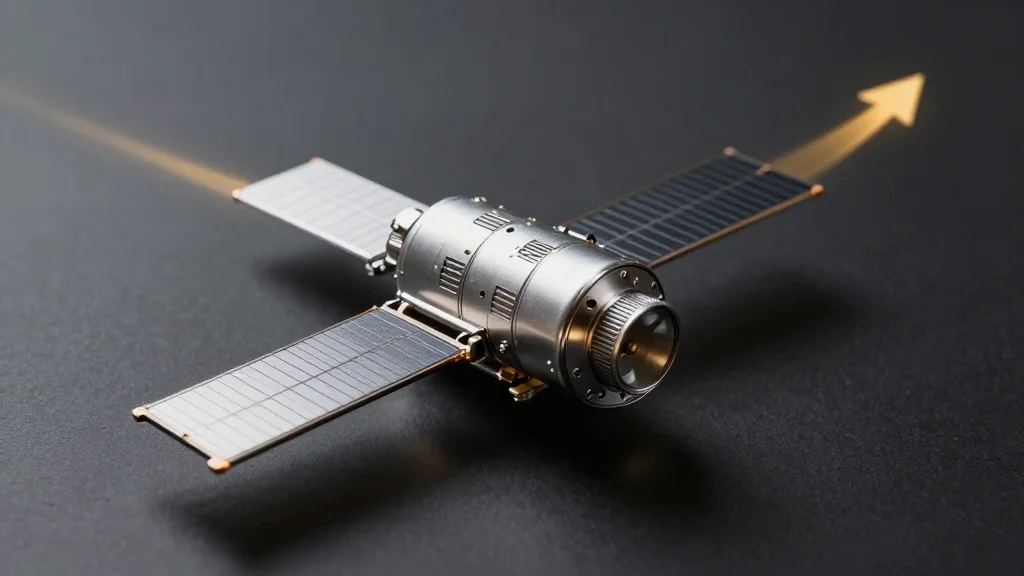
Seraphim Space Targets £350m Raise to Accelerate the Space Boom
Seraphin Space Investment Trust (SSIT) is launching a C‑share offering to raise up to £350 million (about $447 million). The proceeds will back companies emerging from its accelerator and venture fund while pursuing fresh growth opportunities. Recent stabilisation of private‑market valuations, a...

Satellite Services for Military Organizations
Military satellite services are moving from single‑satellite solutions to a layered, multi‑orbit architecture that blends protected GEO/polar assets with proliferated MEO and LEO constellations. The U.S. Space Force’s EPS‑R approval and the Space Development Agency’s Tranche 1 transport layer, slated for...

Pentagon Taps 12 Companies for Golden Dome SBI Tech
The Pentagon announced 20 Other Transaction Authority contracts worth up to $3.2 billion for the space‑based interceptor (SBI) component of the Golden Dome missile‑defense system. Twelve companies, ranging from legacy defense contractors to emerging space startups, received the awards, which were...

Vision Meets Profit: Why Modern Space Exploration Requires Both Dreamers and Business
The 2026 NASA Moon‑to‑Mars Architecture formally embeds private firms as the backbone of deep‑space missions, marking a decisive shift from government‑only operations to a commercial‑first model. The NASA Reauthorization Act of 2026 mandates that Low‑Earth‑Orbit activities move to private stations...
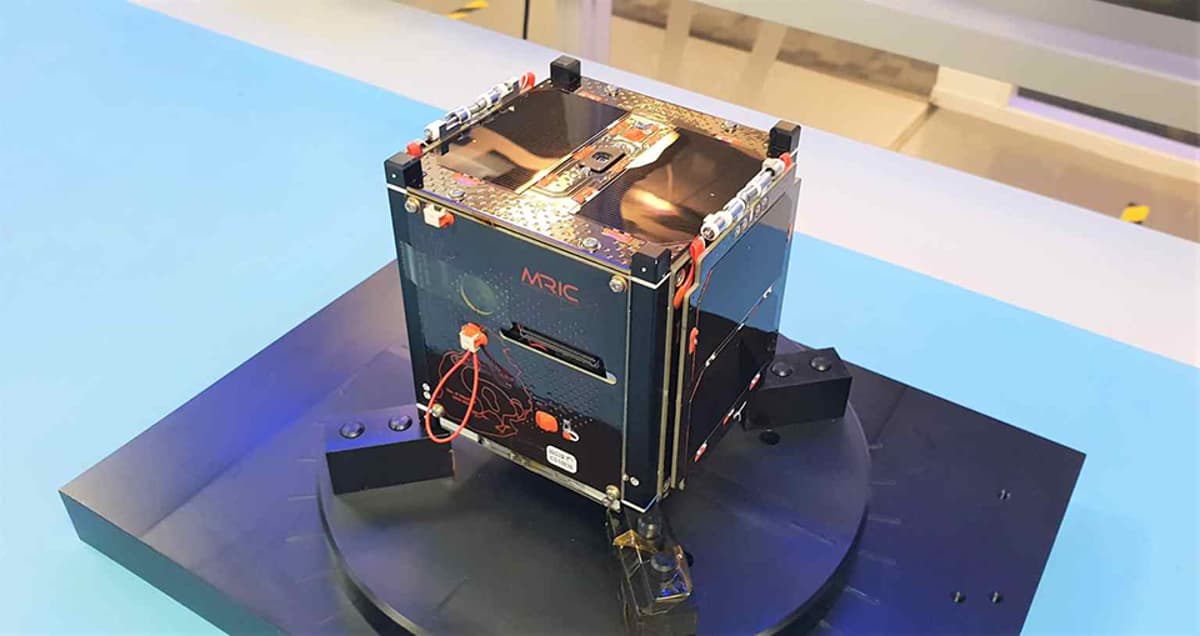
How CubeSat Proliferation Is Redefining Sovereignty and Diplomatic Leverage at the United Nations
The surge in CubeSat deployments is reshaping the United Nations Committee on the Peaceful Uses of Outer Space (COPUOS). Emerging nations such as Kenya and Mauritius, through UNOOSA’s Access to Space for All program, have launched sovereign satellites like Taifa‑1...
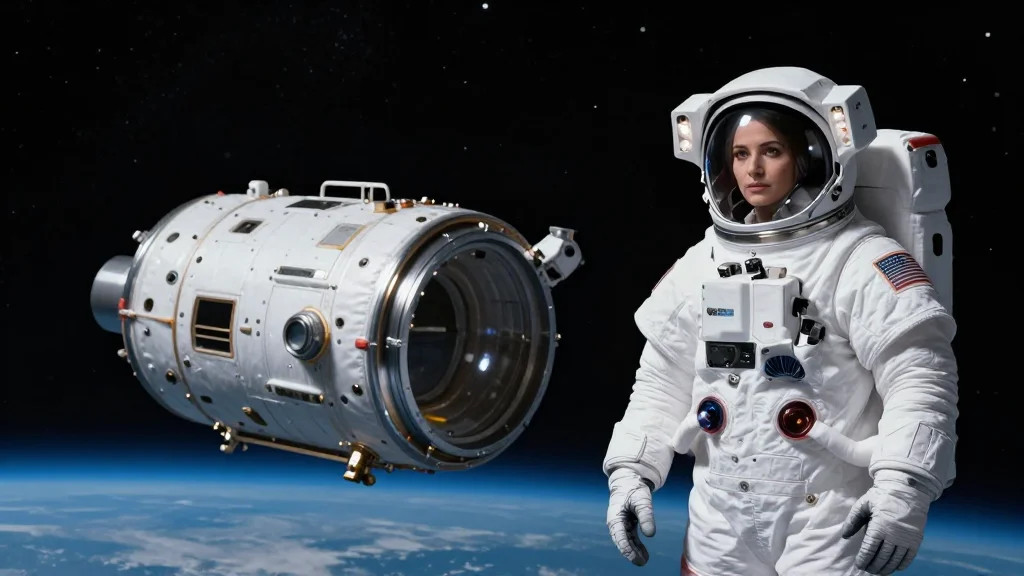
Two Space Station Startups Strengthen Their Positions
Vast Space announced the appointment of former NASA astronaut Sunita “Suni” Williams to its astronaut advisory committee, bolstering its crew‑selection credibility ahead of the 2027 launch of the Haven-1 demonstration station. Voyager Technologies signed a research agreement with South Korea’s...
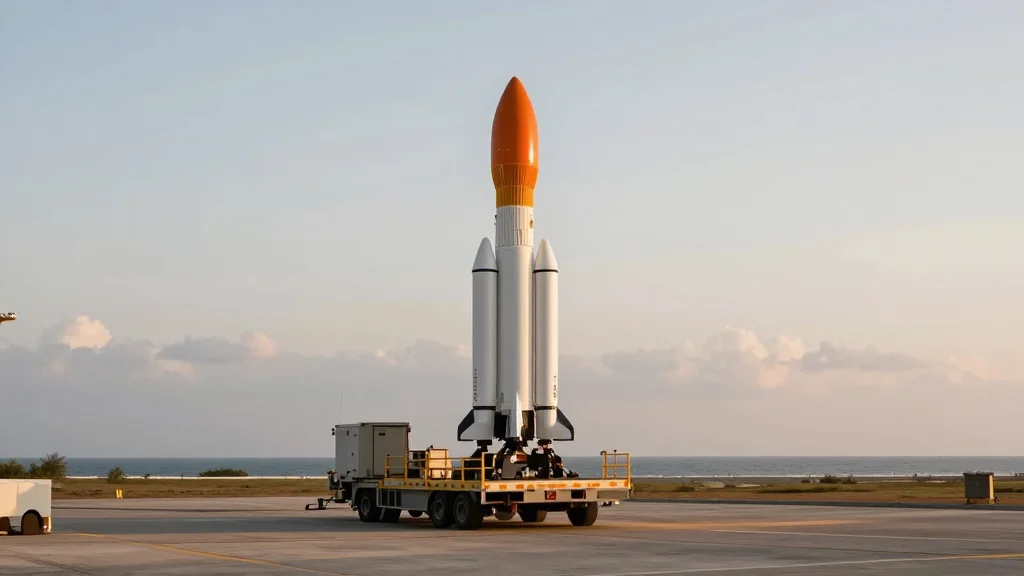
Indian Rocket Startup Skyroot Now Shipping Its Vikram Rocket to Launch Site
Skyroot, India’s first private launch‑vehicle developer, has completed assembly of its Vikram‑1 rocket and is shipping it to the Sriharikota spaceport for final integration and testing. The company plans a maiden flight in June, aiming to become the first Indian...
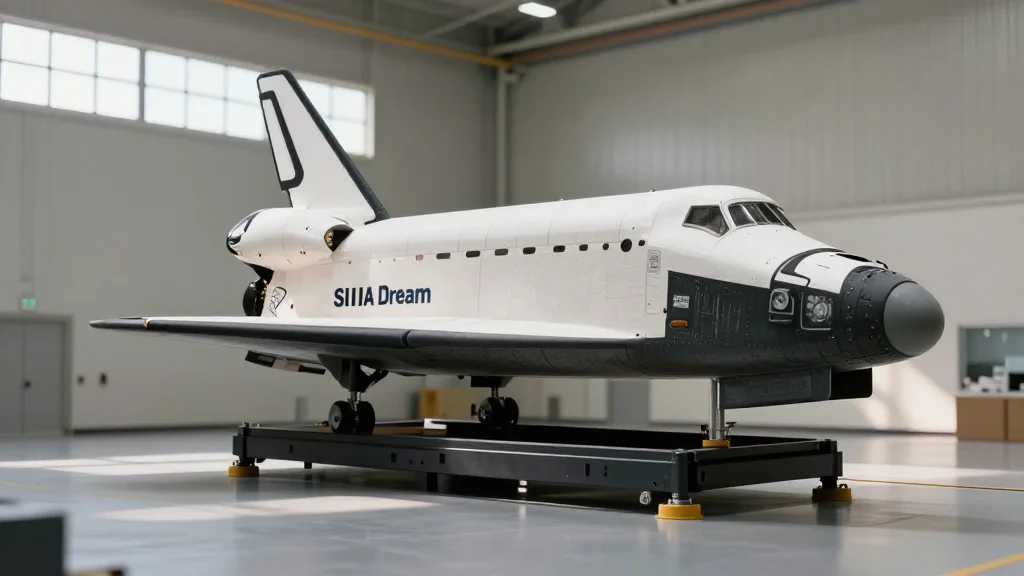
Why Is Sierra Space’s Dream Chaser Spacecraft Not Ready for Flight?
Sierra Space announced that its Tenacity Dream Chaser mini‑shuttle finished ground vibration testing at Kennedy Space Center but was shipped back to Colorado for final modifications and mission‑specific upgrades. The spacecraft, delivered for testing in early 2024, missed its original...
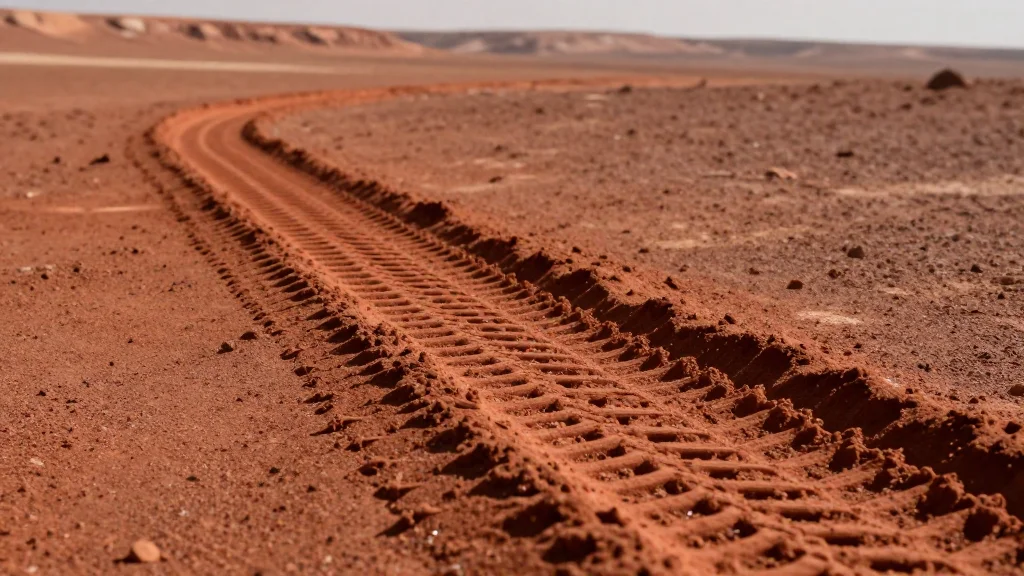
Perseverance Mars Rover: “Unexpected Scientific Observations”
NASA’s Perseverance rover, while traversing Jezero Crater, left fresh wheel tracks that revealed a patch of unusually moist‑looking soil. The observation was highlighted in a recent Mars Guy video, which notes that such accidental disturbances can expose hidden regolith features....

Kristian Stout and Michael Calabrese: The FCC Lets Satellite Innovation Breathe
The FCC is poised to vote on a draft order that would replace the 1990s‑era Equivalent Power Flux Density (EPFD) limits with a performance‑based framework for non‑geostationary satellite constellations. The new rules would assess actual interference on legacy geostationary systems...
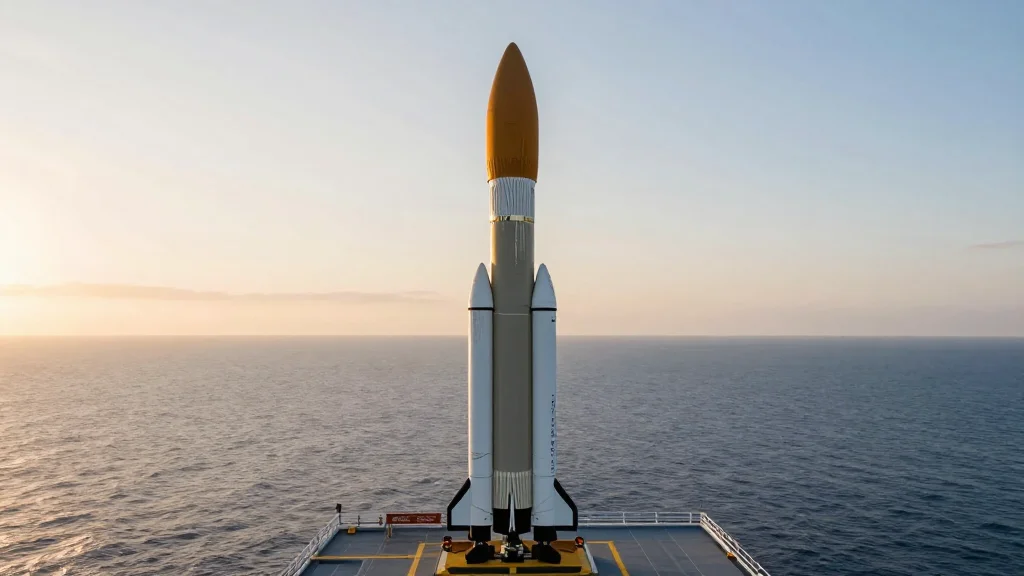
SpaceX Flies 25 Starlink Satellites to Orbit on Its 50th Falcon 9 Launch of the Year
SpaceX marked its 50th Falcon 9 launch of 2026 by sending 25 Starlink V2 Mini broadband satellites into orbit from Vandenberg Space Force Base. The mission used first‑stage booster B1088, which was on its 15th flight after supporting NROL‑126, Transporter‑12,...

India Plans Space Laboratories in Universities to Build Future Space Workforce
India will establish seven dedicated space laboratories across universities and colleges, giving students practical exposure to satellite and launch technologies. The move follows rapid expansion of the Indian space ecosystem, which has attracted more than $600 million in private investment and...

China Launches PRSC-EO3 for Pakistan, Lofts Internet Test and Environment Monitoring Satellites
China conducted three orbital launches on April 24‑25, sending Pakistan's PRSC‑EO3 remote‑sensing satellite aboard a Long March 6, deploying four satellite‑internet test satellites on a Long March 2D, and placing the Daqi‑2 atmospheric‑monitoring satellite on a Long March 4C. The PRSC‑EO3 marks the third China‑Pakistan remote‑sensing...

Satellite Services for Yachts
Yacht satellite connectivity has moved from a single‑subscription model to a layered architecture that combines LEO, MEO and GEO services with dedicated safety and backup links. Operators such as KVH, OmniAccess and Marlink now offer managed packages that orchestrate traffic,...

NASA Reserves Science Payload Space for Mars Telecommunications Mission
NASA is reserving up to 20 kg of space on its Mars Telecommunications Network (MTN) satellite for a science payload, limited to a 55 × 55 × 45 cm volume, 60 watts power and 200‑1,000 megabits of data per day. The $700 million MTN, mandated by a 2023 budget...
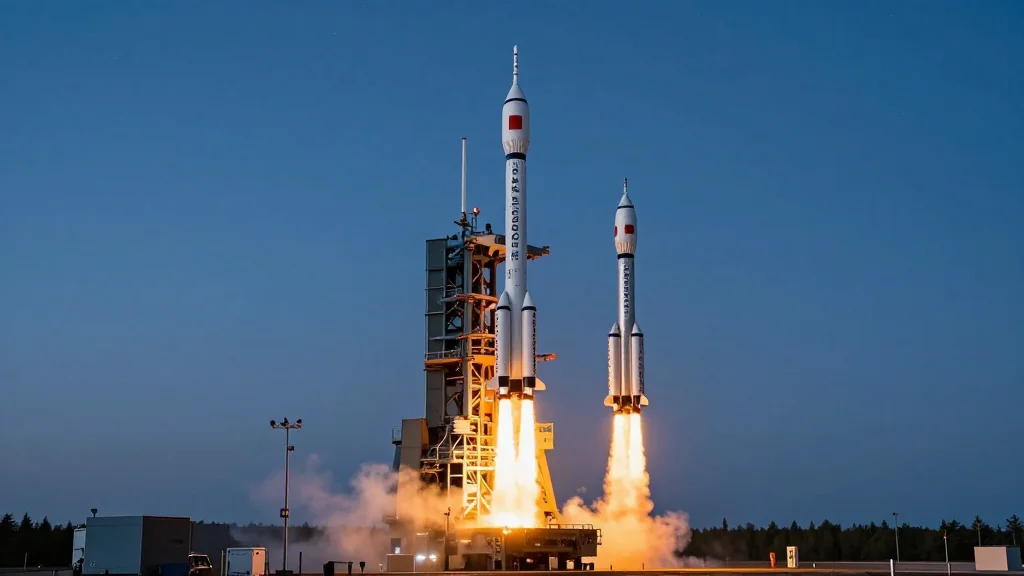
Two Launches Today, by China and Russia
China launched Pakistan’s Earth‑observation satellite PRSC‑EO3 aboard a Long March 6 from Taiyuan, while Russia lifted a Progress cargo capsule on a Soyuz‑2 from Baikonur to resupply the International Space Station. Both missions marked the latest entries in a crowded 2026...
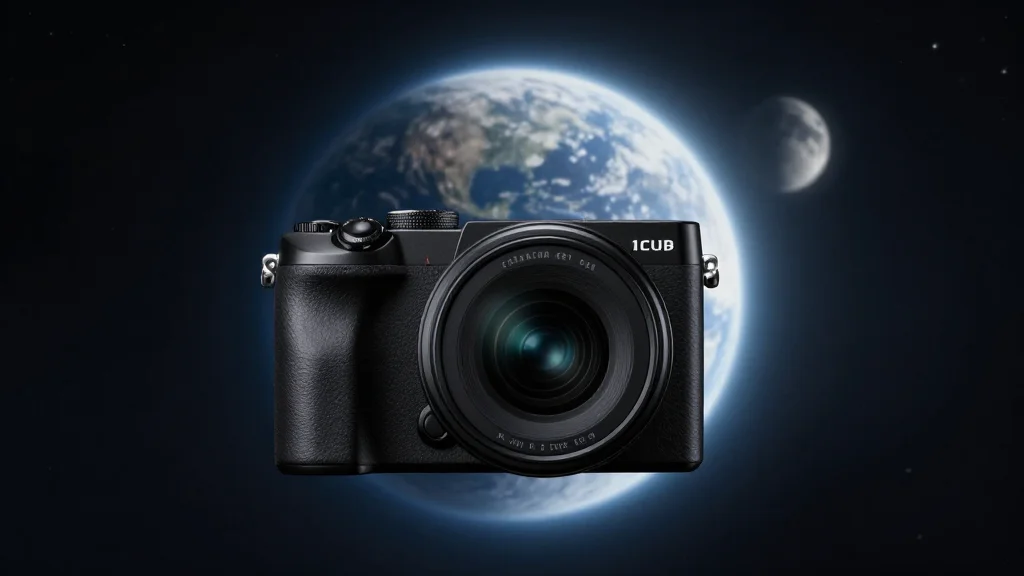
Contribution to Artemis II Moon Mission Sees Successful Test of a Space Camera Under Cosmic Ray Conditions
The GSI Helmholtzzentrum and FAIR accelerator facility successfully tested a specially modified Nikon Z9 camera under simulated cosmic‑ray conditions in March 2025. Heavy‑ion beams reproduced the high‑energy radiation environment of deep space, confirming the camera’s stable operation. The validated camera was flown...
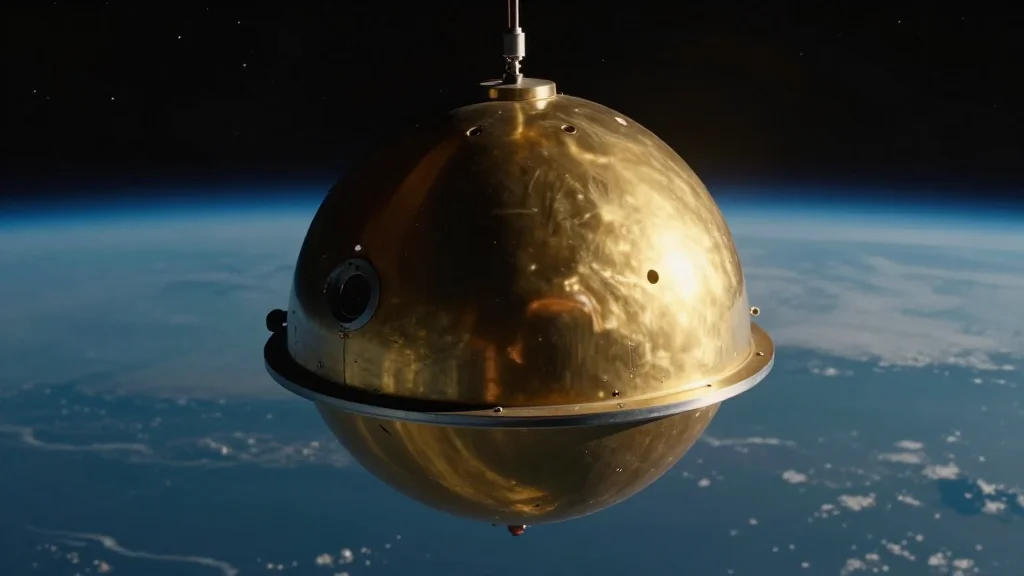
Space Force Issues Twelve Companies Golden Dome Contracts Worth $3.2 Billion
The U.S. Space Force announced it has awarded Other Transaction Authority contracts worth $3.2 billion to twelve companies for the first‑phase prototype development of the Golden Dome space‑based missile‑defense system. The award list includes industry giants such as Lockheed Martin, Northrop Grumman, Raytheon, SpaceX...
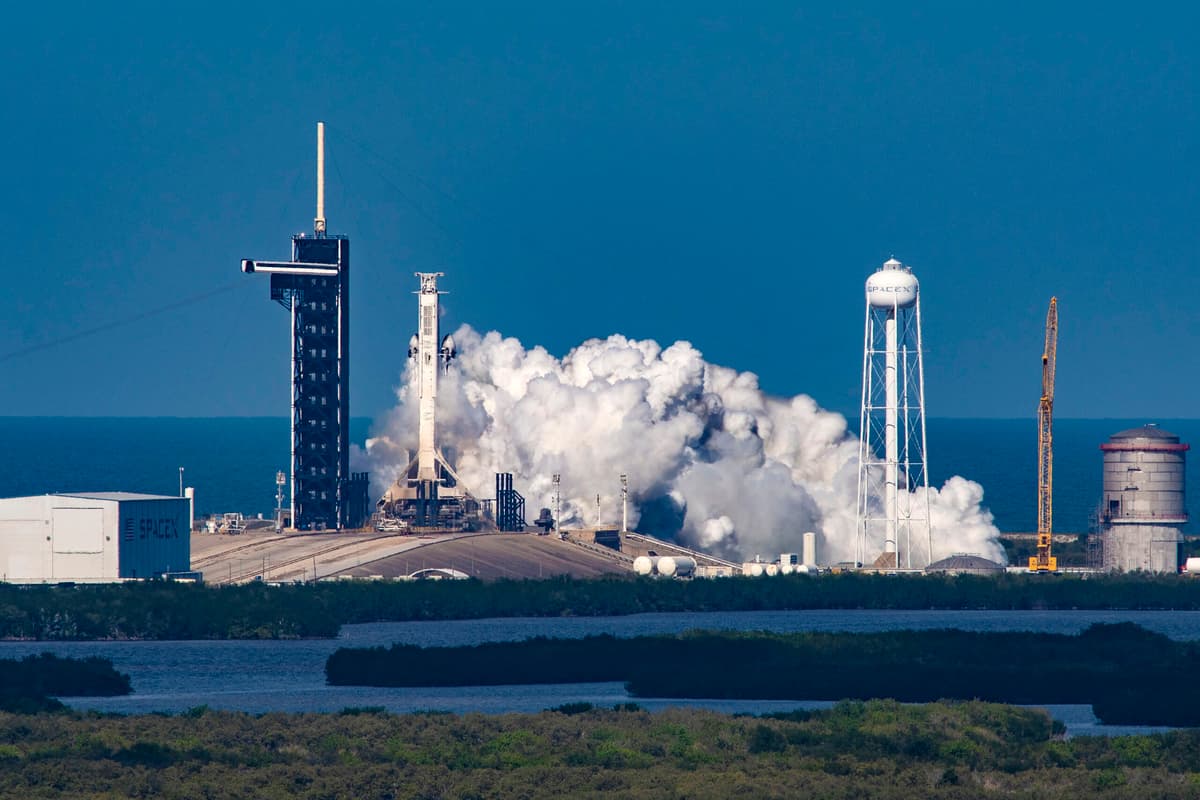
Space Force Faces Surge in Demand for Heavy-Lift Launches
The U.S. Space Force is expanding its heavy‑lift launch demand, adding 25 high‑energy missions to the National Security Space Launch (NSSL) Phase 3 Lane 2 program. This boost raises the total Lane 2 missions by nearly 50% to 79 over five years, straining...
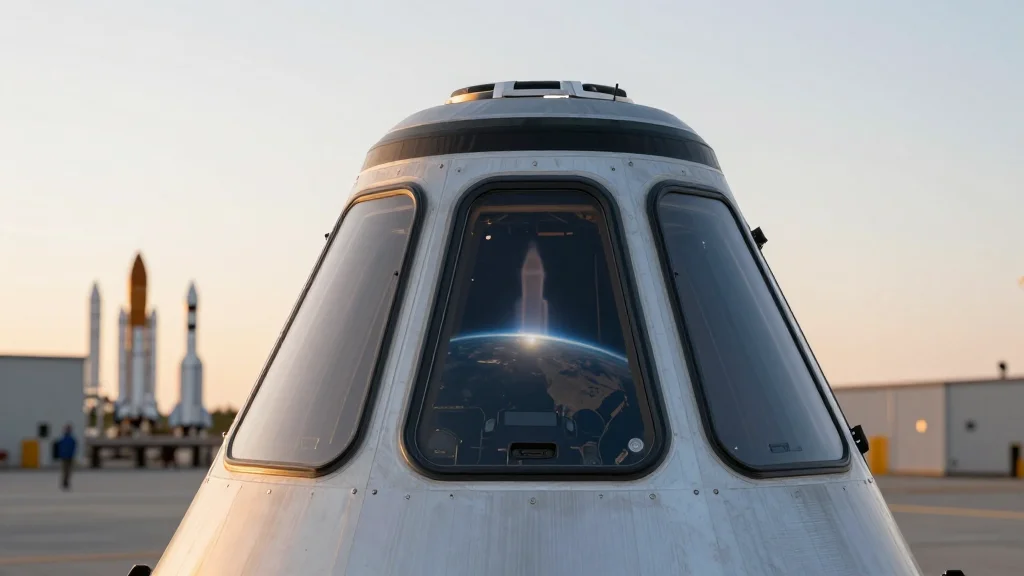
One (More) Small Step for Mankind
The Artemis II mission launched on April 1, carrying four astronauts aboard NASA’s Orion capsule, marking the first crewed flight of the program. The essay reflects on how the rise of New Space companies—SpaceX, Blue Origin, Virgin Galactic—has democratized access to space, turning...
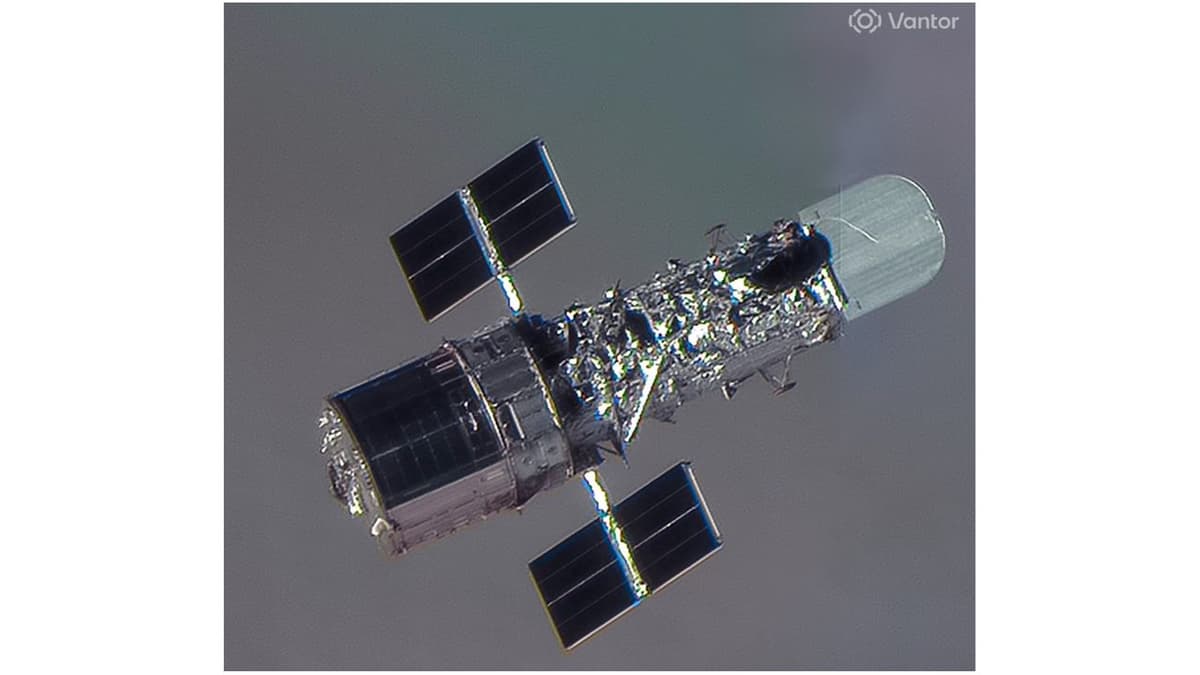
Satellite Snaps Amazing 36th Birthday Pic of Hubble Space Telescope (Photo)
On April 24, 2026, Vantor’s WorldView Legion 4 satellite photographed NASA’s Hubble Space Telescope from just 62 km (38.4 mi) away, marking the telescope’s 36th birthday. The image shows Hubble’s cylindrical body, thermal shielding, solar arrays, and open aperture door with a ground‑sample...

Virgin Atlantic Accelerates Starlink Rollout to Create ‘Home Away From Home’ Experience
Virgin Atlantic is accelerating its rollout of SpaceX’s Starlink satellite internet, beginning with free high‑speed Wi‑Fi on its Airbus A350 fleet in May. The first passenger flight, VS153 from London to New York, will showcase the service, with plans to...

The Aerospace and Defense Trade Is Taking Investors Deeper Into Space, and More ETFs Are up for the Mission
Investors are turning to exchange‑traded funds that target aerospace, defense, and space technologies as geopolitical tension from the Iran war fuels demand. VettaFi highlighted the Procure Space ETF (UFO), up roughly 19% since the conflict began, and the Global X...

Artemis II Broke Fred Haise's Distance Record, but He Is Happy to Pass It On
Artemis II’s crew set a new human‑distance record, traveling 252,756 miles (406,771 km) from Earth—surpassing the Apollo 13 benchmark that stood for 56 years. The record was achieved on a free‑return trajectory that took the Orion capsule farther beyond the Moon’s far side than any...

Scientists Say They’ve Tested a Way to Get to Alpha Centauri in Just 20 Years
Researchers at Texas A&M University have demonstrated a laser‑propelled micro‑device called a metajet that can move in three dimensions without physical contact. The metajet’s metasurface pattern redirects incoming light, converting photon momentum into thrust, a principle the team says can...

Canadian Space Industry Companies: The Complete Guide to Every Major Player
The guide maps Canada’s rapidly expanding space sector, noting that MDA Space generated C$499 million (~$370 million) in 2025 revenue with a C$4 billion backlog, while satellite communications, Earth observation and launch services see strong growth. Start‑ups such as GHGSat, Kepler and Wyvern...

This Is Who's Developing Golden Dome's Orbital Interceptors—If They're Ever Built
The U.S. Space Force announced a roster of 12 companies—including SpaceX, Lockheed Martin, Anduril, and Booz Allen—receiving up to $3.2 billion in OTA contracts to develop Space‑Based Interceptors (SBIs) for the Golden Dome missile‑defense program. The awards target early‑stage prototypes and aim...

Australia: Satellite-Enabled Communications Strengthens Disaster Resilience
Australian researchers at Swinburne University, funded by SmartSat CRC, have created a low‑power satellite‑enabled communication terminal designed for disaster zones. The system combines a minimalist beacon, software‑defined radio, and LoRa‑satellite hybrid links to deliver text and voice messages when terrestrial...

Space Force Picks Firms to Develop Golden Dome’s Space-Based Interceptors
The U.S. Space Force announced that twelve companies, ranging from established primes to emerging defense firms, have been awarded Other Transaction Authority contracts worth up to $3.2 billion to develop space‑based interceptors for the Golden Dome missile‑defense shield. The program targets...

U.S. Issues Guidance for American Space Nuclear Power Initiative
On April 14, 2026 the White House Office of Science and Technology Policy issued National Security and Technology Memorandum‑3, launching the National Initiative for American Space Nuclear Power. The program tasks NASA, the Department of War, the Department of Energy...
NASA Sees Industry Opportunity in Proposed Budget Cuts
NASA Administrator Jared Isaacman told Congress that the agency can sustain its exploration and science agenda despite a proposed 23% budget cut to $18.8 billion for FY 2027 by leaning on commercial space services. The budget also includes $2.11 billion from the Working...

Air India Selects Hughes IFC for Airbus and Boeing Fleet
Air India Limited has signed an inflight connectivity (IFC) agreement with Hughes to equip its Airbus and Boeing wide‑body fleet with satellite‑based broadband. The partnership will deliver consistent, global Wi‑Fi coverage for passengers and crew, regardless of route. Hughes will...