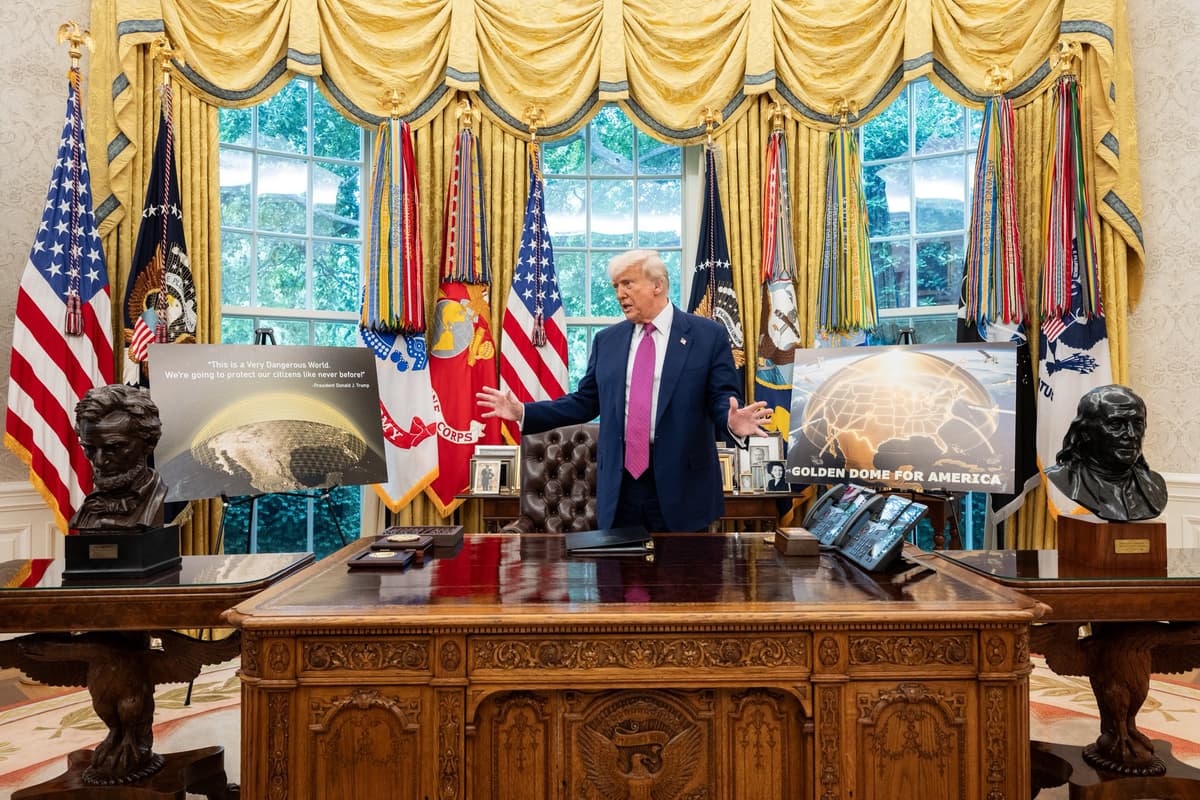
Space Force Reveals $3.2B in Space-Based Interceptor Awards for Golden Dome
The U.S. Space Force’s Space Systems Command announced on April 24 that it has awarded 20 contracts worth up to $3.2 billion to 12 companies to develop space‑based interceptor (SBI) technology for the Golden Dome missile‑defense program. The contracts cover prototypes capable of boost‑phase, mid‑course and glide‑phase missile engagements, with an initial operational capability targeted for 2028. Golden Dome, a layered shield concept launched by the Trump administration, carries an overall budget of about $185 billion, and analysts warn that a full SBI fleet could push total costs beyond $250 billion. The awards use Other Transaction Authority agreements to bring both traditional defense contractors and newer entrants such as SpaceX and Anduril into the effort.

CACI Opens up More on Its Arka Acquisition and the Path Forward
CACI International closed its $2.6 billion acquisition of Arka Group in March, adding 1,100 employees and advanced space‑based imaging sensors to its portfolio. CEO John Mengucci highlighted ground‑processing as the primary synergy, with Arka’s authorizations enabling agentic AI for geospatial intelligence...
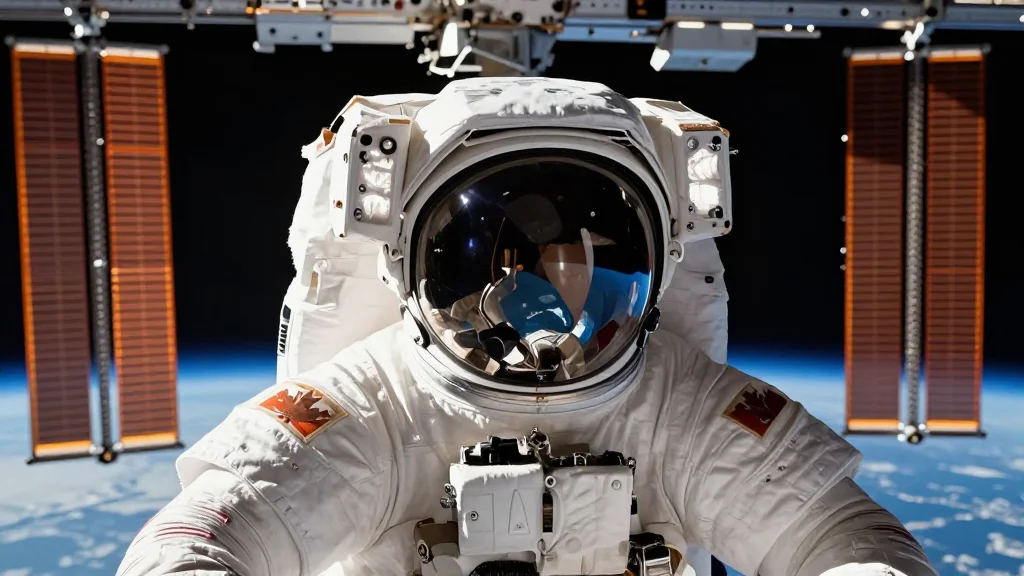
Josh Kutryk Will Officially Go to ISS No Earlier than September, but Aboard SpaceX
The Canadian Space Agency announced that astronaut Josh Kutryk will fly to the International Space Station aboard SpaceX Crew‑13, with launch no earlier than September 2026. The reassignment follows the cancellation of his earlier Starliner‑1 assignment and aligns with Canada’s...

Is Starlink Turning Elon Musk Into a Star Lord?
Elon Musk’s Starlink suffered a global outage that left two dozen U.S. Navy unmanned surface vessels adrift, exposing a single point of failure in the military’s reliance on SpaceX’s MILNET satellite network. MILNET, a 480‑satellite subset of the 10,000‑satellite Starlink...
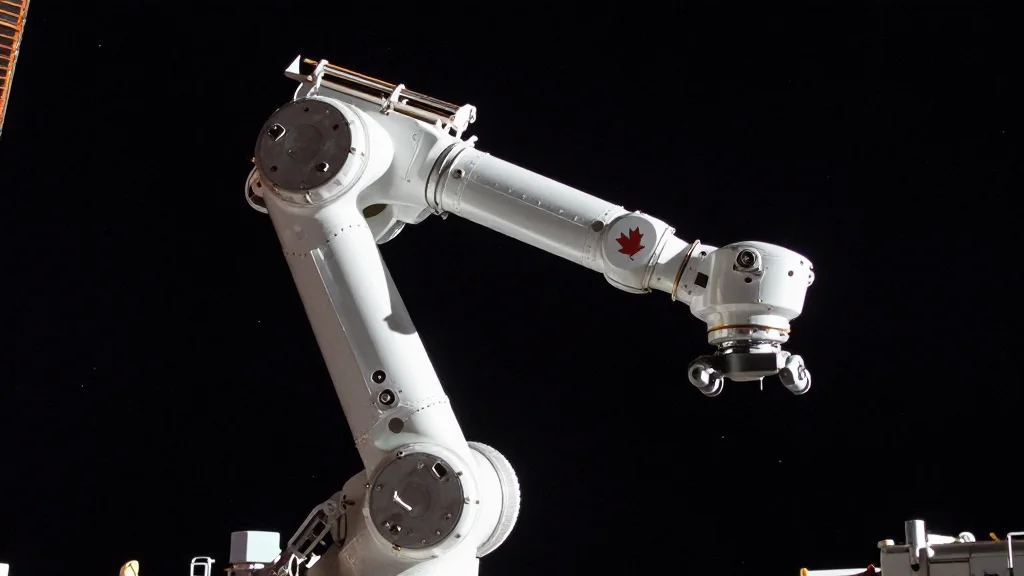
ISED Launches Search for Next Canadian Space Agency President
The Department of Innovation, Science and Economic Development Canada (ISED) has opened applications for the next President of the Canadian Space Agency, with a deadline of May 21 2026. The full‑time role pays CAD 253,300–298,000 annually (approximately $187,000–$220,000 USD) and requires residence in...
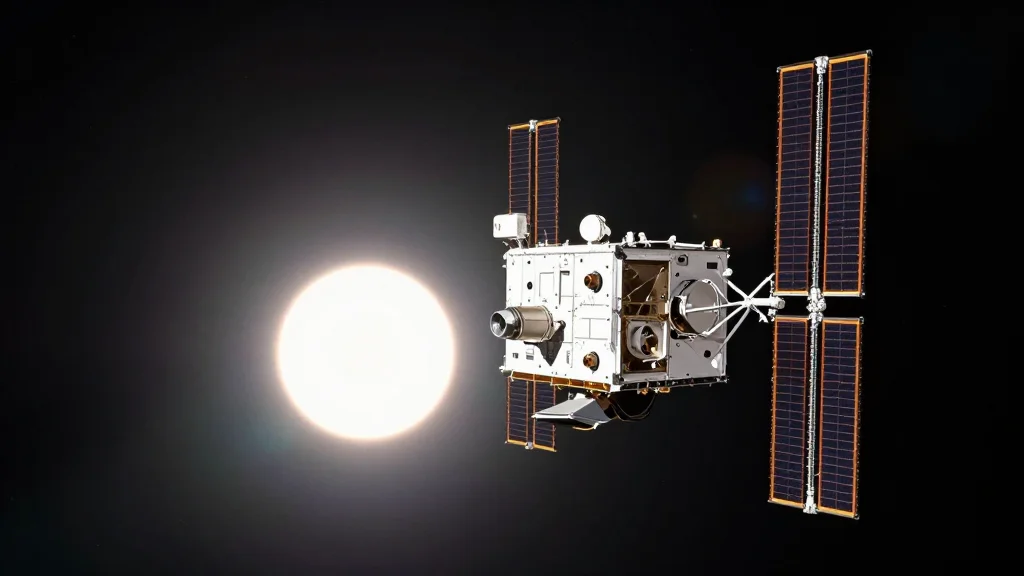
NASA’s TESS Spacecraft Identifies Rare and Unprecedented Planetary System
NASA’s Transiting Exoplanet Survey Satellite (TESS) teamed with the Antarctic Search for Transiting ExoPlanets (ASTEP) to uncover a planetary system unlike any seen before. The system hosts multiple planets ranging from Earth‑size to Neptune‑class, some on ultra‑short orbital periods under...
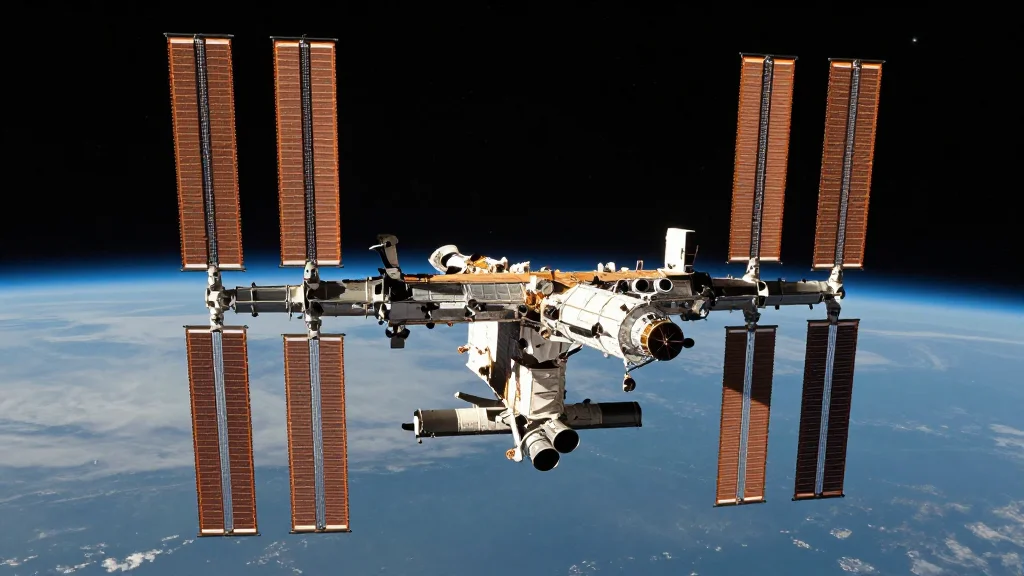
25 Years of the International Space Station: Legacy, Science, and the Road Ahead
The International Space Station celebrated 25 years of uninterrupted crewed operations, highlighting its unprecedented engineering feats and multinational partnership among 15 governments. Experts at the AIAA SciTech Forum emphasized the station’s role as a microgravity test kitchen that has accelerated...
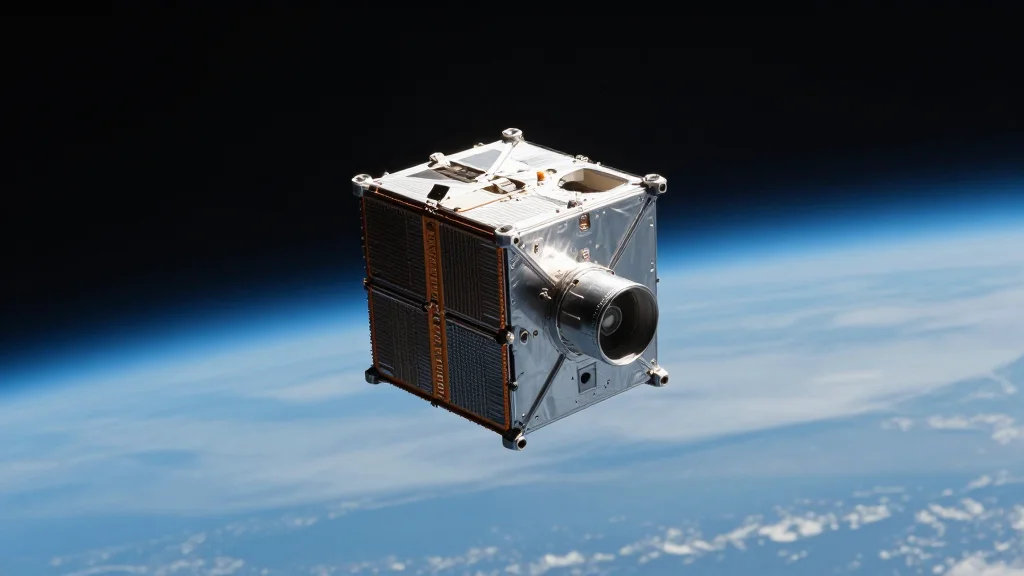
SDA’s Need for Speed Pushes Startups for Results
The Space Development Agency (SDA) is accelerating its procurement model, demanding proven results from startups while tolerating higher risk to meet tight timelines for its Proliferated Warfighter Space Architecture (PWSA). Using OTA contracts and a spiral development approach, SDA pushes...
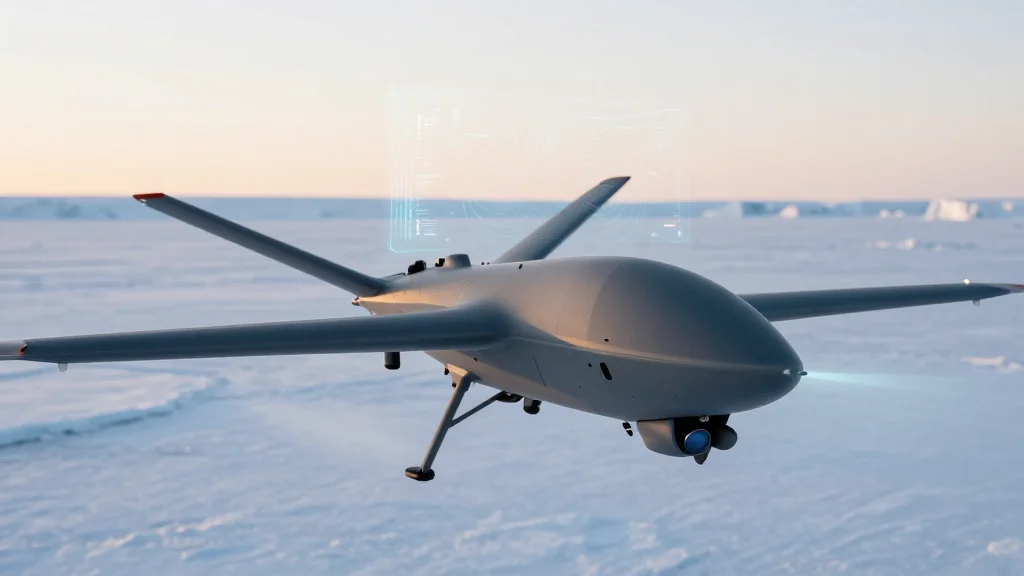
DND Issues $6.75M IDEaS Challenge for Multi-Modal AI to Fuse Space and Terrestrial Data
The Canadian Department of National Defence has opened the Innovation for Defence Excellence and Security (IDEaS) challenge, offering up to $6.75 million CAD (≈ $5 million USD) in phased funding for multi‑modal AI that can fuse satellite imagery, RF signals, EO/IR video and...
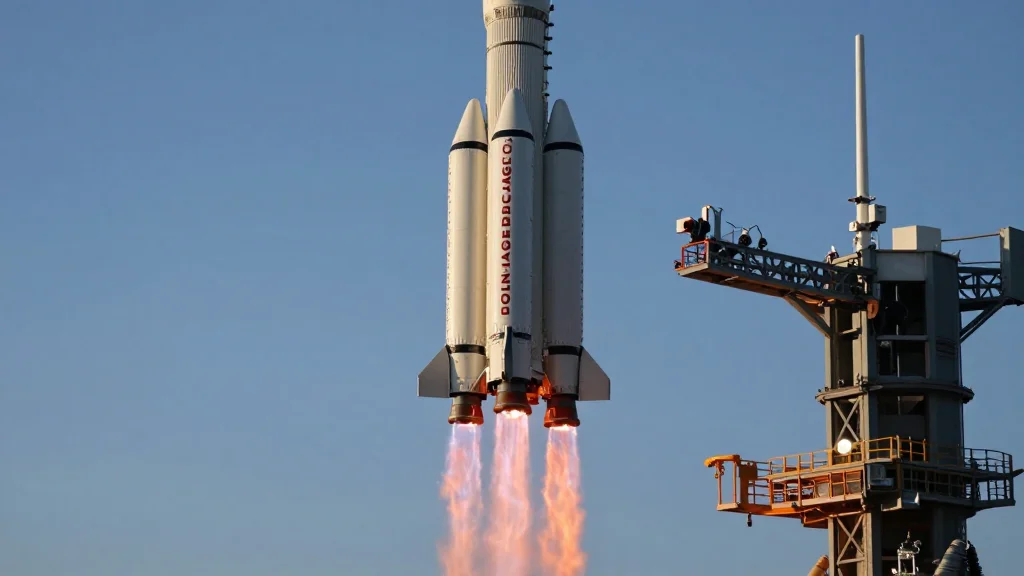
China Launches Another “Set of Test Satellites Promoting Internet Technology”
China’s state‑run media reported that a Long March 2D rocket lifted off from Xichang, deploying a new batch of test satellites aimed at advancing internet technology. The payloads will focus on direct satellite‑to‑phone broadband and integrating space‑ground networks. No details were...

Firefly Highlights Alpha Flight 8 Progress with AFP Composite Barrel Builds
Firefly Aerospace announced that its Alpha Flight 8 mission, slated for late Q2 2026, is in the integration and test phase, leveraging an automated‑fiber‑placement (AFP) machine from Ingersoll Machine Tools to produce four carbon‑fiber composite barrels. The Block II upgrade adds a 7‑foot...
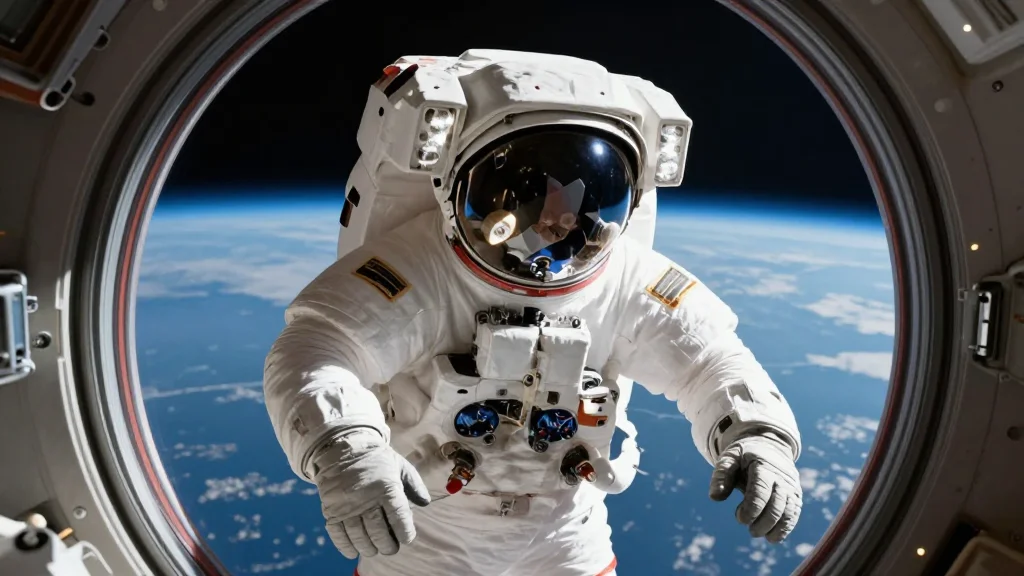
NASA Astronauts to Answer Questions From Missouri Students
NASA will host a live, prerecorded Q&A session on April 30 where astronauts Jessica Meir and Jack Hathaway answer STEM questions from Missouri K‑12 students while aboard the International Space Station. The broadcast begins at 10:50 a.m. EDT on the Learn With...

Prepare for Launch: Solar Powers the $600 Billion Space Industry
The space economy is set to surge from $630 billion in 2023 to $1.8 trillion by 2035, driving massive demand for high‑performance solar power. While gallium‑arsenide (GaAs) cells remain the efficiency benchmark, their production is constrained to roughly 2 MW per year, creating...
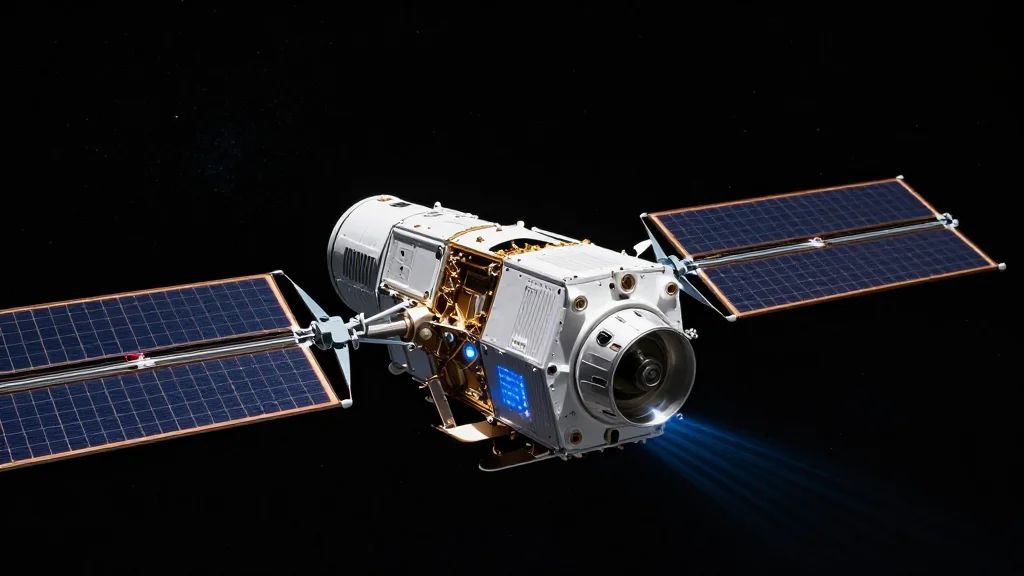
Space Data-Center News: Roundup of Extraterrestrial AI Endeavors
In April 2026 a wave of space‑compute announcements pushed orbital data centers closer to commercial reality. Sophia Space teamed with Kepler Communications to run its software on a ten‑satellite cluster of Nvidia Orin processors, while Deloitte activated two additional cyber‑defense...
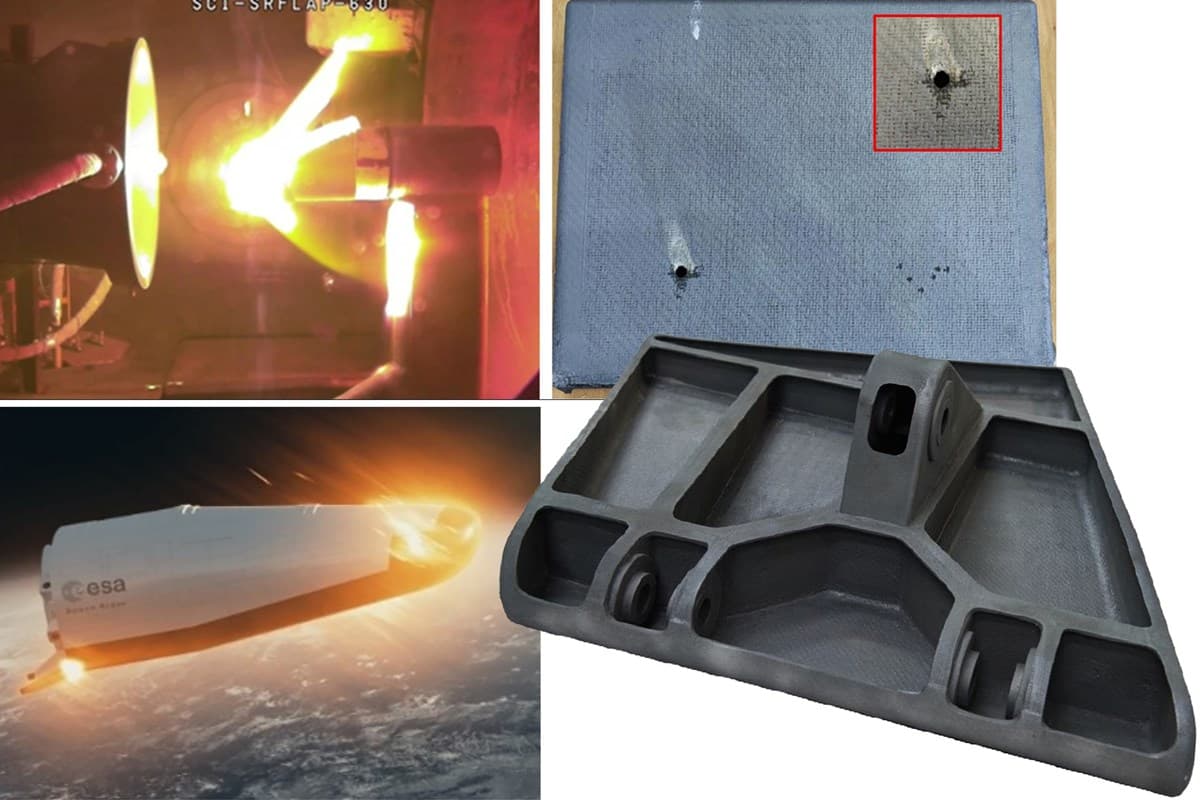
CMC Body Flap for Space Rider TPS Passes Plasma Test After Hypervelocity Impact
ESA’s reusable Space Rider program advanced its thermal protection system testing at Italy’s CIRA facility, where a sub‑scale body flap made from the ISiComp carbon‑fiber‑reinforced ceramic matrix composite (CMC) endured a hypervelocity impact and subsequent plasma exposure. The 2.3 mm aluminum...
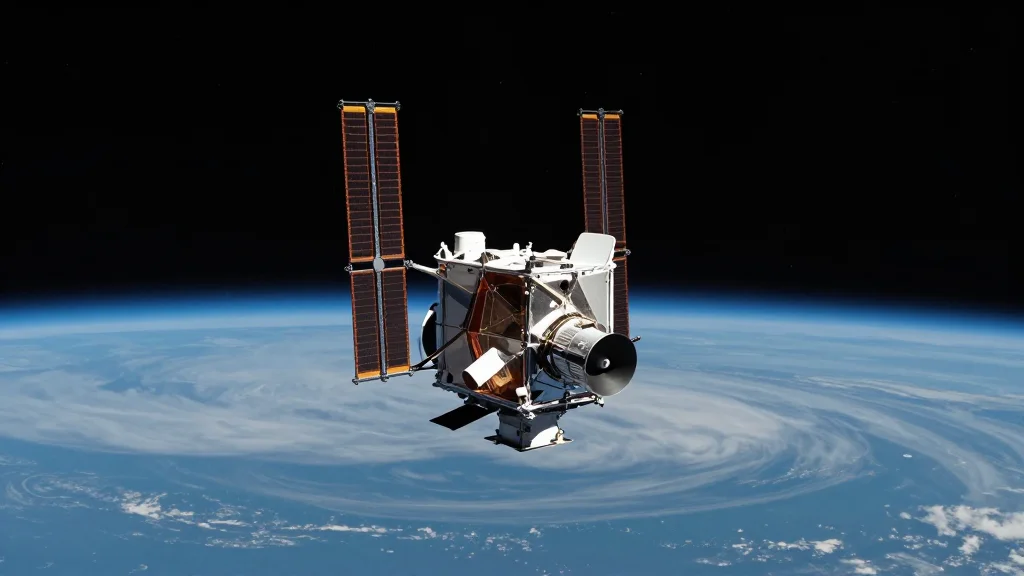
April 24, 1990: Hubble Launches
The Hubble Space Telescope lifted off aboard Space Shuttle Discovery on April 24, 1990, marking the culmination of nearly two decades of design, engineering, and international collaboration. Initial concepts emerged in the early 1960s, with NASA formalizing the design team...
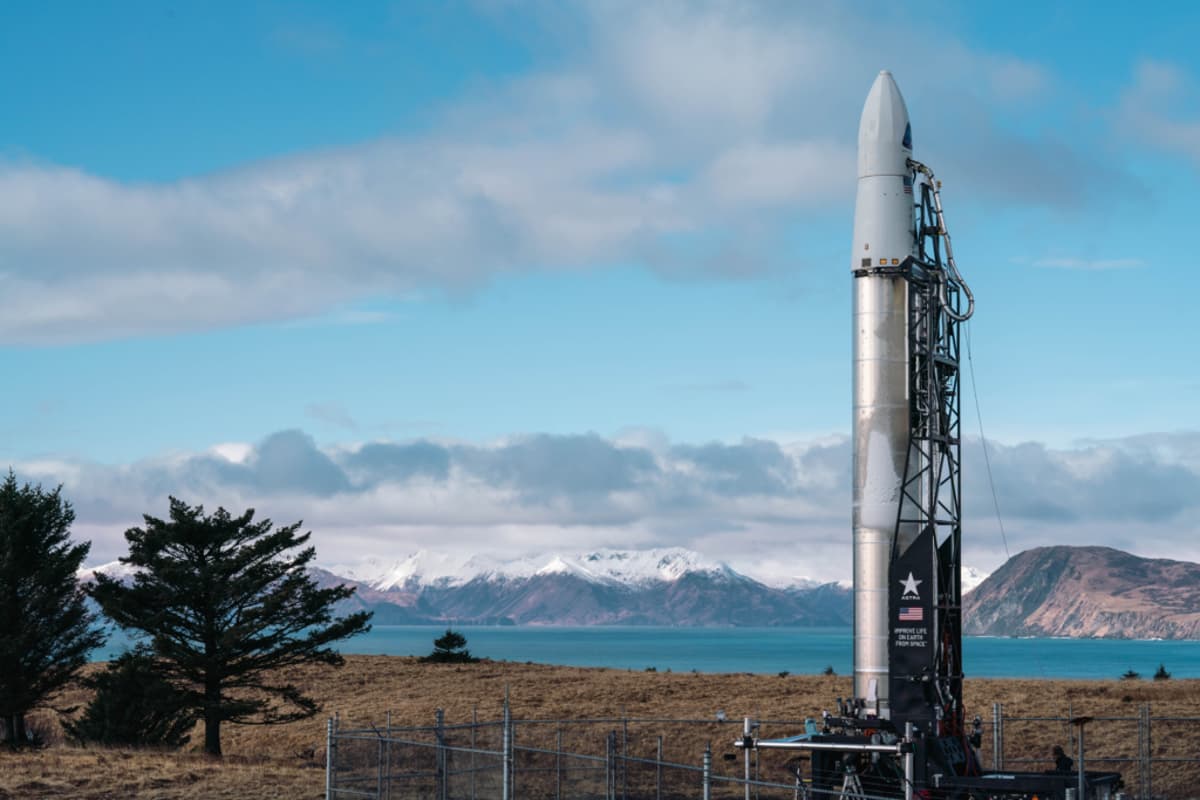
Astra Targets Golden Dome With Small Rockets, Says CEO Chris Kemp
Astra is pitching its small, single‑use rockets as realistic targets for the Pentagon’s Golden Dome missile‑defense tests, arguing that expendable vehicles better simulate actual threats and can lower testing costs. CEO Chris Kemp says the program will drive scale and...

Trump Taps Space Execs For Military Space Roles
President Donald Trump has nominated Raytheon vice president Erich Hernandez‑Baquero as the Air Force assistant secretary for space acquisition and integration, and V2X chief growth officer Roger Mason as the next head of the National Reconnaissance Office. Both appointments require...

How We Protected the UK and Space in March 2026
The National Space Operations Centre (NSpOC) reported that March 2026 saw a 10% rise in atmospheric re‑entries, with 72 objects – 55 satellites, 12 rocket bodies and five debris pieces – burning up. Collision‑avoidance events for UK‑licensed satellites dropped to...
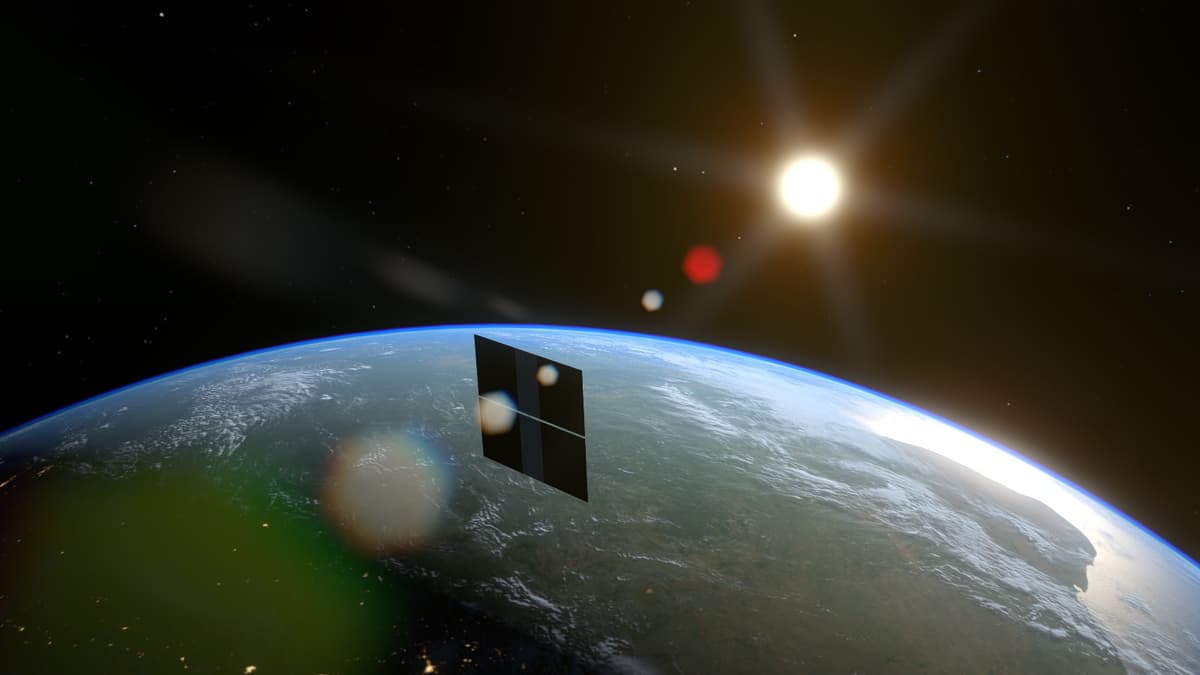
The Governance Gap: Why Orbital Data Centers Need Certification Before They Scale
Orbital and lunar data centers are reaching a scaling inflection point, but their supply chains lack unified governance and certification. Without industry‑wide standards, each project remains a bespoke, high‑risk venture, inflating capital costs and deterring investors. The article argues that...

One NZ Commences DoC Sensor Pilot
One NZ is partnering with New Zealand’s Department of Conservation to pilot 50 smart sensors in remote toilets, huts and wastewater systems, using satellite connectivity. The DoC manages about 2,000 toilets and currently relies on costly helicopter and vehicle inspections. Early...

Amazon Leo Enters Live Sport as DP World Tour Rolls Out Satellite Internet Across Events
The DP World Tour has partnered with Amazon to roll out its low‑Earth‑orbit satellite network, Amazon Leo, across more than 40 tournaments starting in 2026. This makes the golf circuit the first professional sport to deploy LEO satellite internet at...
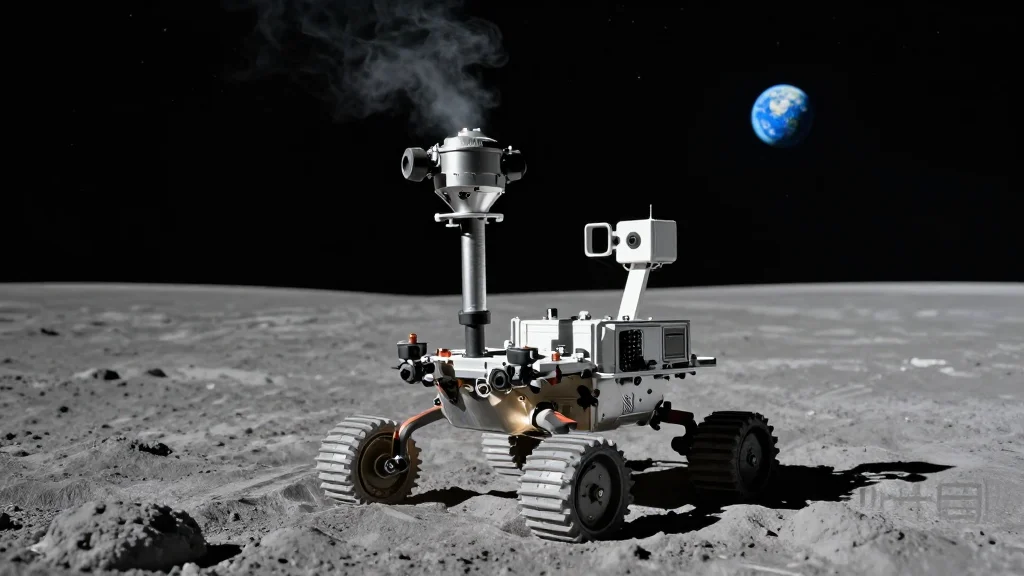
Test Time for These Moon Drills
A South Dakota startup, AeroFly, is developing two auger‑based systems to move lunar regolith and extract water for future Artemis outposts. The LEONA project will demonstrate a 2‑meter horizontal auger that sublimates ice into vapor, while the Rego‑LIFT system will...
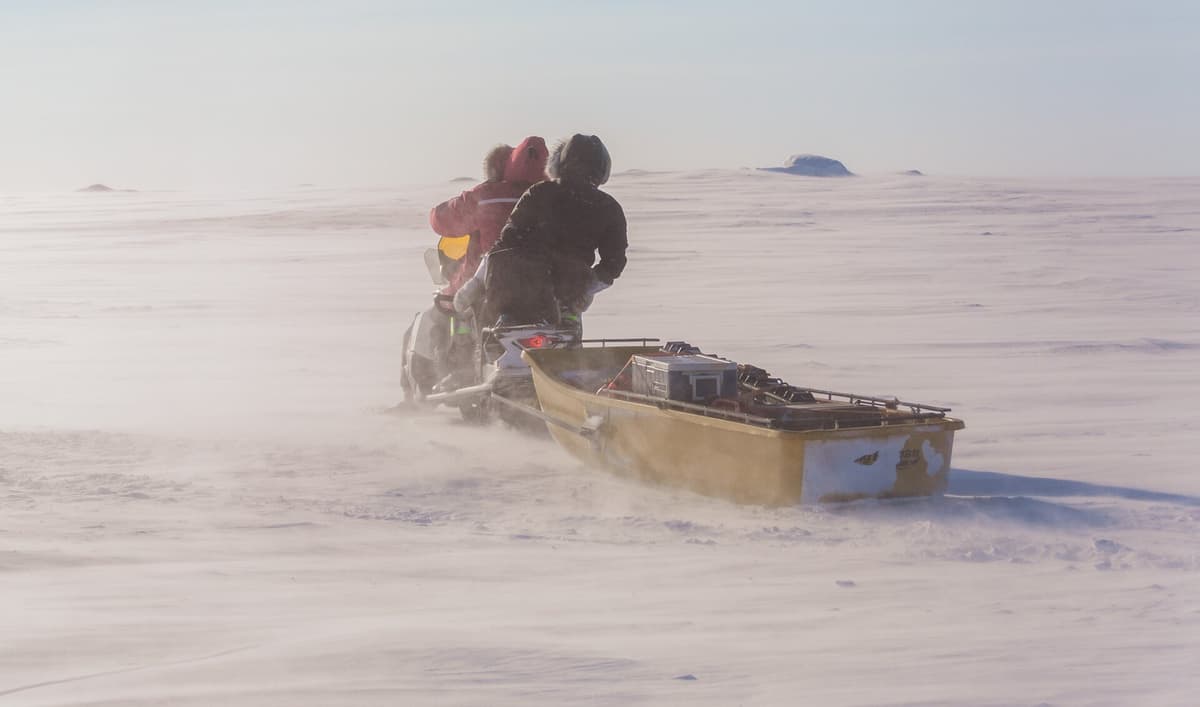
Braving the Arctic for Upcoming Polar-Focused Satellites
The European Space Agency is preparing three new Copernicus satellites—CIMR, CRISTAL and ROSE‑L—to improve Arctic sea‑ice monitoring. To validate the instruments, an international team is conducting a six‑week field campaign on the sea ice near Cambridge Bay, collecting coordinated ground‑based...
Satellite Startup Univity Raises €27m to Throw Its Hat Into the Ring
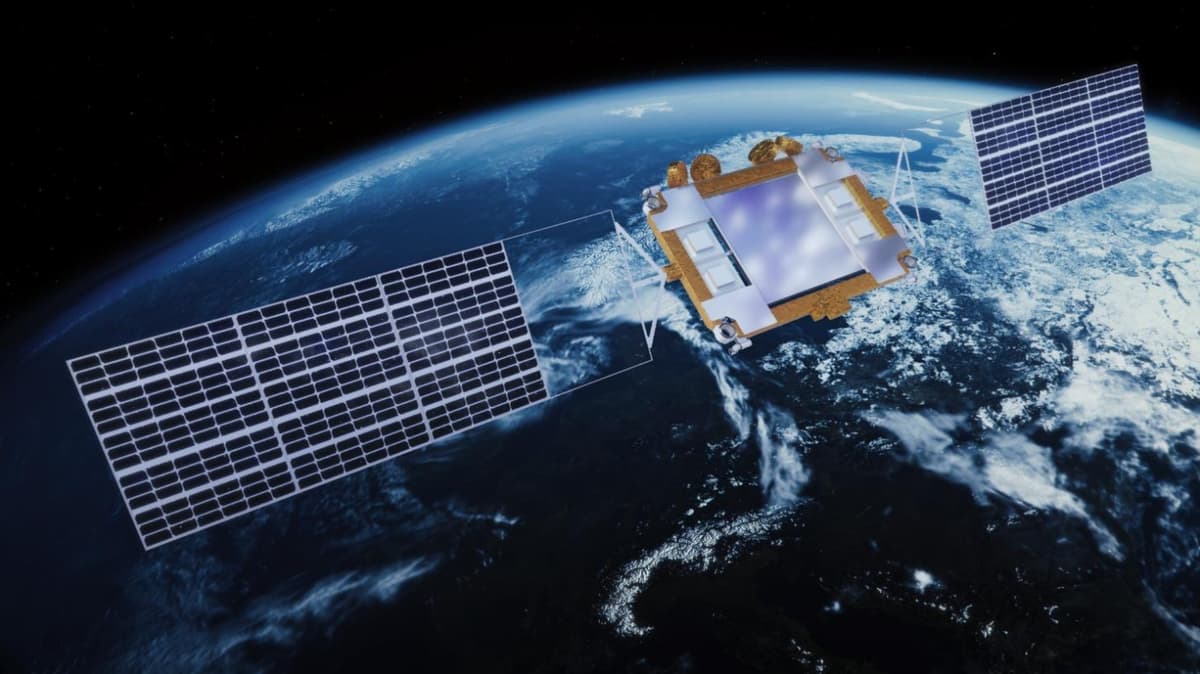
French satellite startup Univity announced a €27 million ($29 M) Series A round to develop its VLEO‑based 5G constellation, uniSky. The funding, led by Blast and backed by Expansion Capital and Bpifrance’s Deeptech 2030, will finance the uniShape demonstrator – two low‑orbit satellites that...
Telecom News: AST SpaceMobile, Xfinity, AT&T
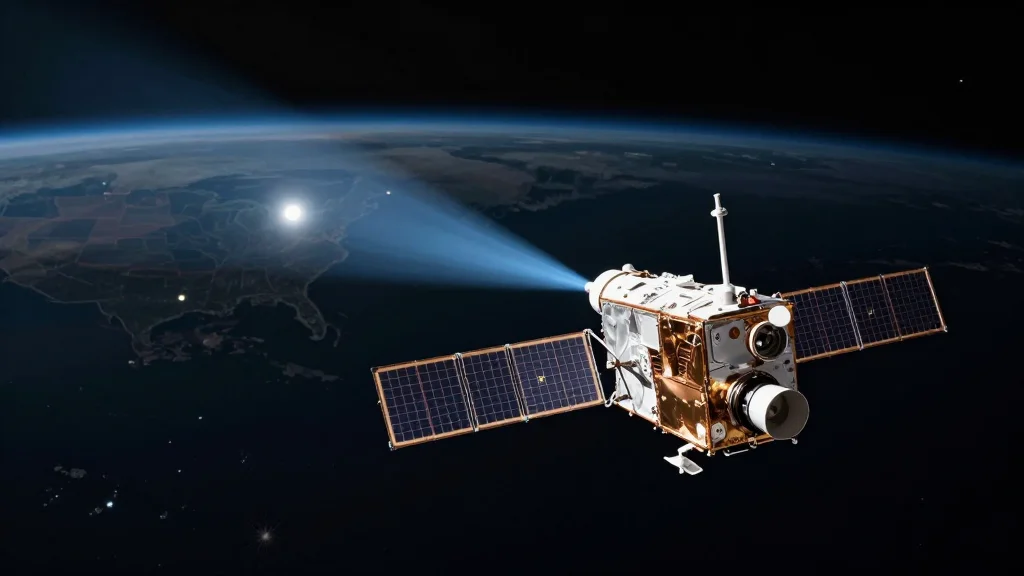
AST SpaceMobile received FCC commercial authorization to launch a 248‑satellite low‑Earth‑orbit network that will deliver direct‑to‑device cellular broadband across the United States. Xfinity Mobile introduced two new plans—Mobile Plus at $45 per line with lifetime device protection and Mobile Select...

People Will Be 'Living and Working' On the Moon in the 2030s, Says Space Tech CEO
Voyager Technologies CEO Dylan Taylor told CNBC’s CONVERGE LIVE that an inflatable lunar habitat could be operational by the end of the 2020s, with a permanent human presence on the Moon emerging in the early 2030s. He highlighted a broader...

Kepler Communications Company Profile
Kepler Communications launched ten Aether‑series optical relay satellites on a SpaceX Falcon 9 in January 2026, marking the first commercial LEO constellation built for real‑time, SDA‑compatible laser links. In March 2026 the company commissioned 40 NVIDIA Jetson Orin GPUs across the new fleet, creating...
FCC Throws Out Satellite Spectrum Challenges as D2D Dealmaking Heats Up
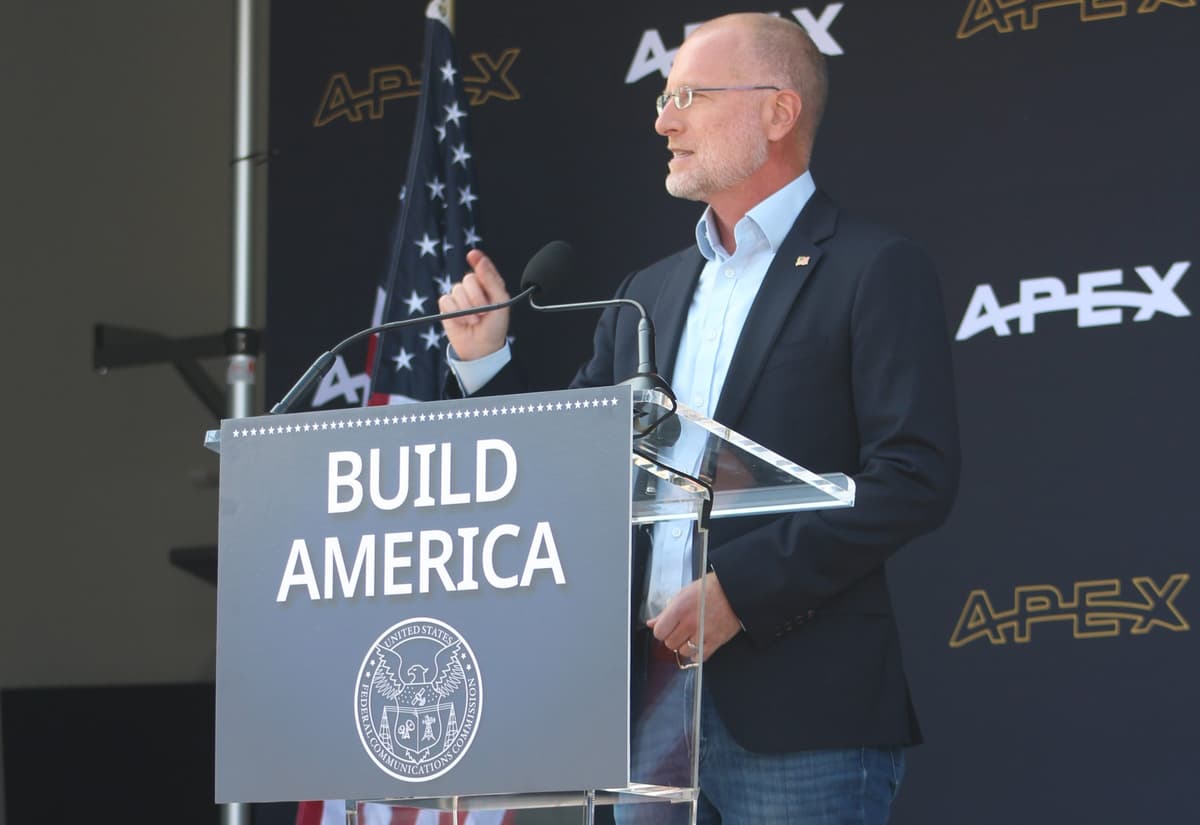
The FCC issued a sweeping order on April 23 that preserves incumbent rights to Mobile Satellite Service (MSS) spectrum and dismisses petitions from SpaceX, Iridium, Kepler and others seeking access to the coveted Big LEO and 2 GHz bands. The move comes...

Moon Dust Could Stop Being a Nuisance and Start Reshaping How Humans May Build Beyond Earth
Researchers at Rice University and Iowa State have shown that lunar regolith simulant can be incorporated into fiber‑reinforced polymer composites, delivering strength and toughness gains of up to 40 percent. The breakthrough flips the narrative on moon dust, turning an...
SpaceX Wins $57 Million U.S. Military Contract for Satellite Crosslink Demo
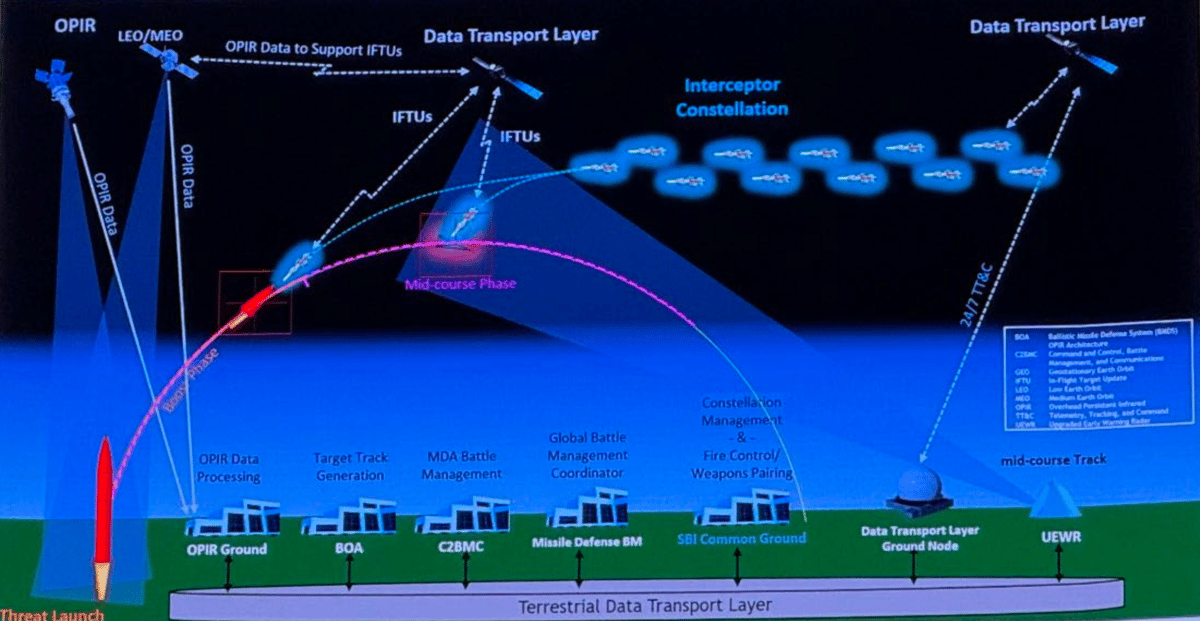
Space Systems Command awarded SpaceX a $57 million contract to demonstrate Link‑182 satellite‑to‑satellite communications for the MILNET data‑relay constellation. The two‑year demo must be completed by April 2027 and will validate the RF link that underpins the Pentagon’s Golden Dome missile‑defense concept....
The FCC Announces 2 Big Rule Changes to Make Sure Your Cellphone Always Has A Signal
The FCC announced two pivotal actions to accelerate direct‑to‑device (D2D) satellite services. It granted AST SpaceMobile a permanent license for a 248‑satellite constellation that will operate with AT&T, Verizon and FirstNet, and it upheld existing exclusive spectrum rights to keep...
NASA Shares SpaceX Crew-13 Assignments for Space Station Mission
NASA announced the crew assignments for the upcoming SpaceX Crew-13 mission, slated to launch no earlier than mid-September. The four-person team includes NASA commander Jessica Watkins and pilot Luke Delaney, joined by Canadian astronaut Joshua Kutryk and Russian cosmonaut Sergey...
Untitled
Artemis II commander Reid Wiseman released a rare video of Earth setting behind the Moon, captured on an iPhone at 8× zoom during the mission’s lunar flyby. The clip, posted on NASA’s Astronomy Picture of the Day, illustrates how the spacecraft’s motion,...
The Smartest Money in the Room Is Looking Up
Private investors have poured roughly $3 billion into commercial low‑Earth‑orbit (LEO) station platforms, with Vast raising about $500 million and Redwire $350 million. Industry leaders argue the market already exists, pointing to 166 paying payloads for Axiom and early sovereign research contracts as...
Isaacman Before Congress: Speaking the Truth to Power
NASA Administrator Jared Isaacman testified before the House Science Committee, urging the cancellation of the Lunar Gateway and supporting President Trump’s proposed budget reductions. He downplayed concerns about alleged corrosion in two Gateway modules, emphasizing that Congress would not challenge...

Space Force Budget Cuts SDA’s Data Transport Funding
The Space Force’s FY2027 budget request drops future funding for the Space Development Agency’s dedicated data‑transport layer, moving roughly $1.5 billion of procurement and an equal R&D line into a new “Proliferated Low‑Earth‑Orbit” account. The service proposes a hybrid Space Data...
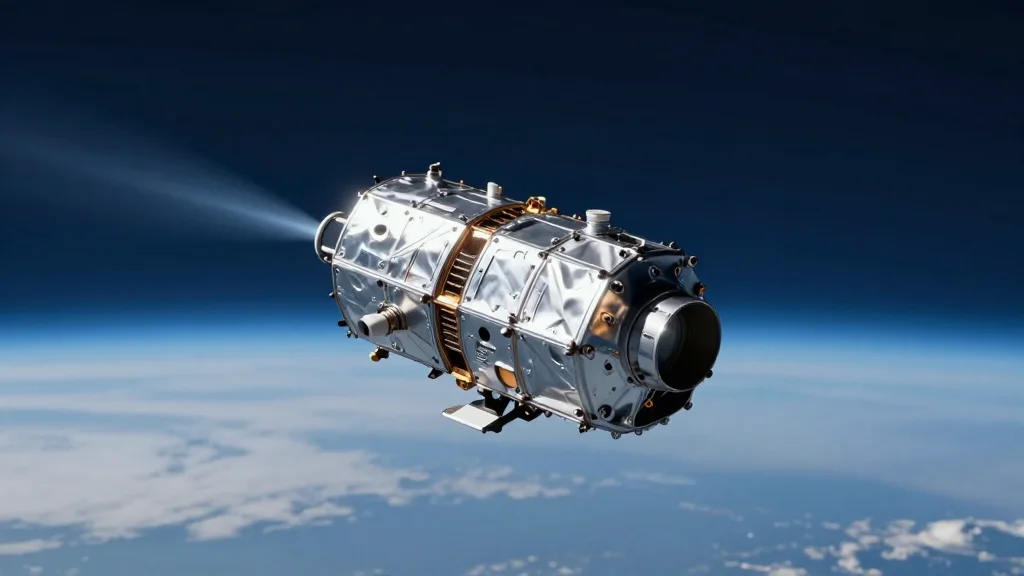
Iridium Continues IoT Subscriber Growth in Q1, Desch Talks NTN Direct Launch and Spectrum
Iridium reported a modest 2% year‑over‑year revenue rise in Q1 2026, reaching $219.1 million, while adding 18,000 new subscribers to total 2.434 million commercial users. IoT data revenue grew 5% to $46 million, now accounting for 83% of its subscriber base, even as...
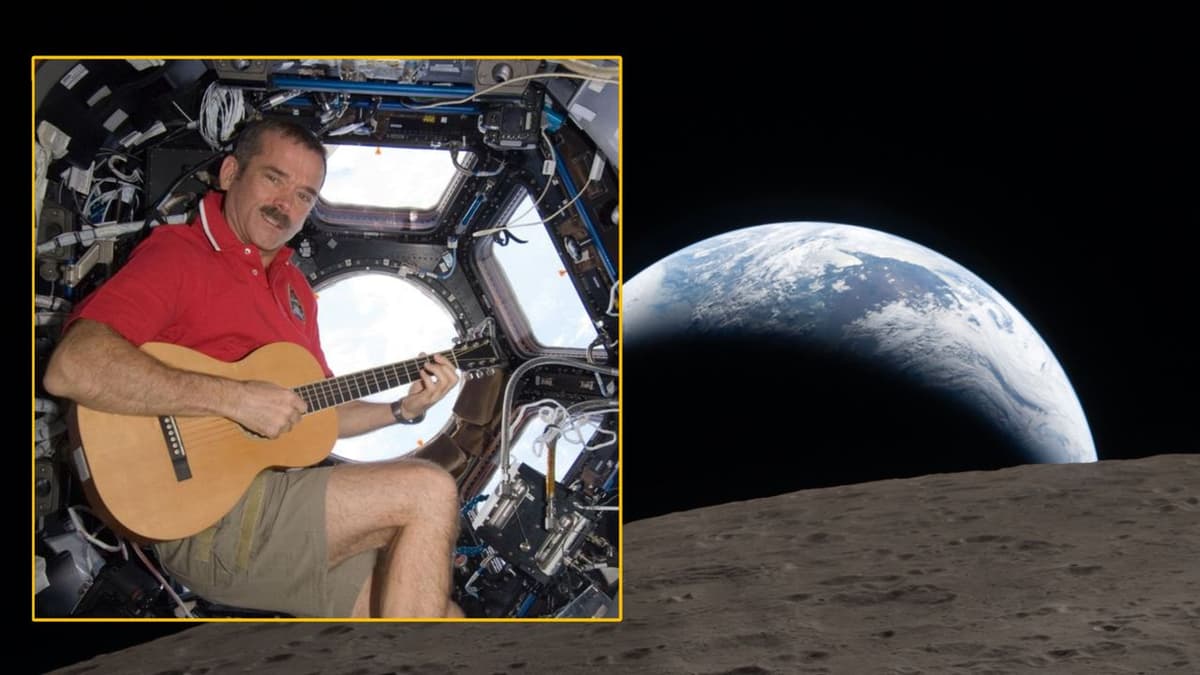
'Strong, Undeniable Public Examples of Something Positive': Astronaut Chris Hadfield on Why Artemis II Hit Him Hard, and Why We...
Veteran astronaut Chris Hadfield praised NASA’s Artemis II mission, saying it struck an emotional chord for him and underscored the public’s willingness to embrace high‑risk exploration. He drew parallels to Apollo 8, noting how both missions offered a collective sense of awe...
Orbiting Space Junk Poses Threat to GPS, Satellites
Space debris now exceeds 45,000 trackable objects, weighing about 9,000 metric tons, and threatens a cascade of collisions known as the Kessler effect. Recent satellite crashes, including two Starlink incidents, have added to the clutter, with Starlink alone accounting for...

SmallSat Europe Speaker Focus: Giovanni Pandolfi Bortoletto, Leaf Space
Leaf Space, an Italian ground‑segment‑as‑a‑service provider, now operates over 40 stations in 19 locations, handling more than 22,000 satellite passes each month. Its proprietary Leaf Line hardware and Leaf Key software platform support 170 low‑Earth‑orbit satellites, with 18 new stations...
CSA Awards $5.4 Million in 2025 FAST Grants, Concentrating Capital on High-Value Projects
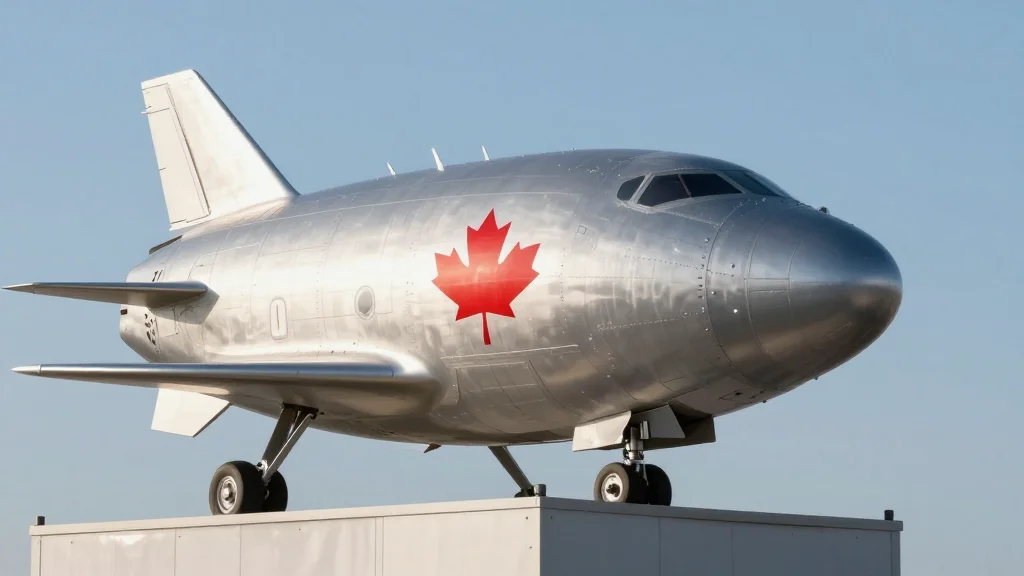
The Canadian Space Agency (CSA) has allocated $5.4 million CAD (≈$4 million USD) to 15 university‑led FAST grants for 2025, concentrating funds in high‑value Category A and B projects while awarding no Category C micro‑grants. Category A caps rose to $450,000 CAD (≈$330,000 USD) and Category B to...
James Webb Space Telescope Peers Into a Dying Star Surrounded by Mysterious Buckyballs: 'The Structures We're Seeing Now Are Breathtaking'
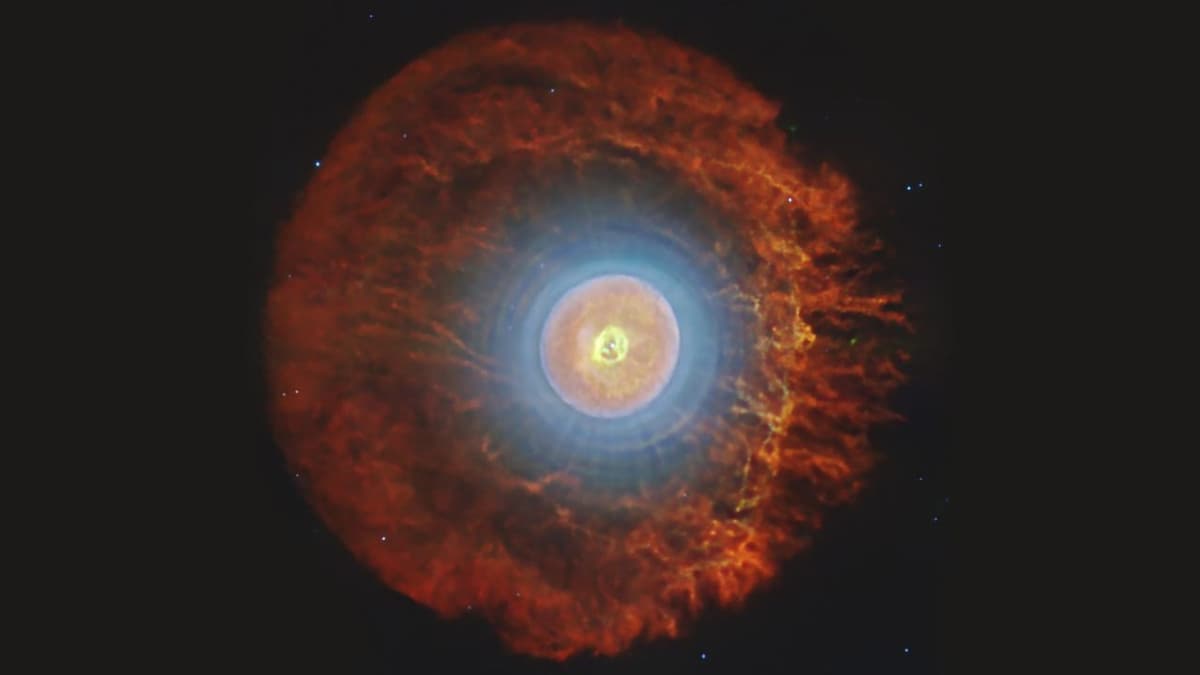
NASA’s James Webb Space Telescope has captured the first high‑resolution infrared view of planetary nebula Tc 1, a dying star 10,000 light‑years from Earth, revealing the distribution of buckminsterfullerene (buckyballs) around its central white dwarf. The MIRI image shows an upside‑down...
US Space Command: Russia Is Now Operationalizing Co-Orbital ASAT Weapons
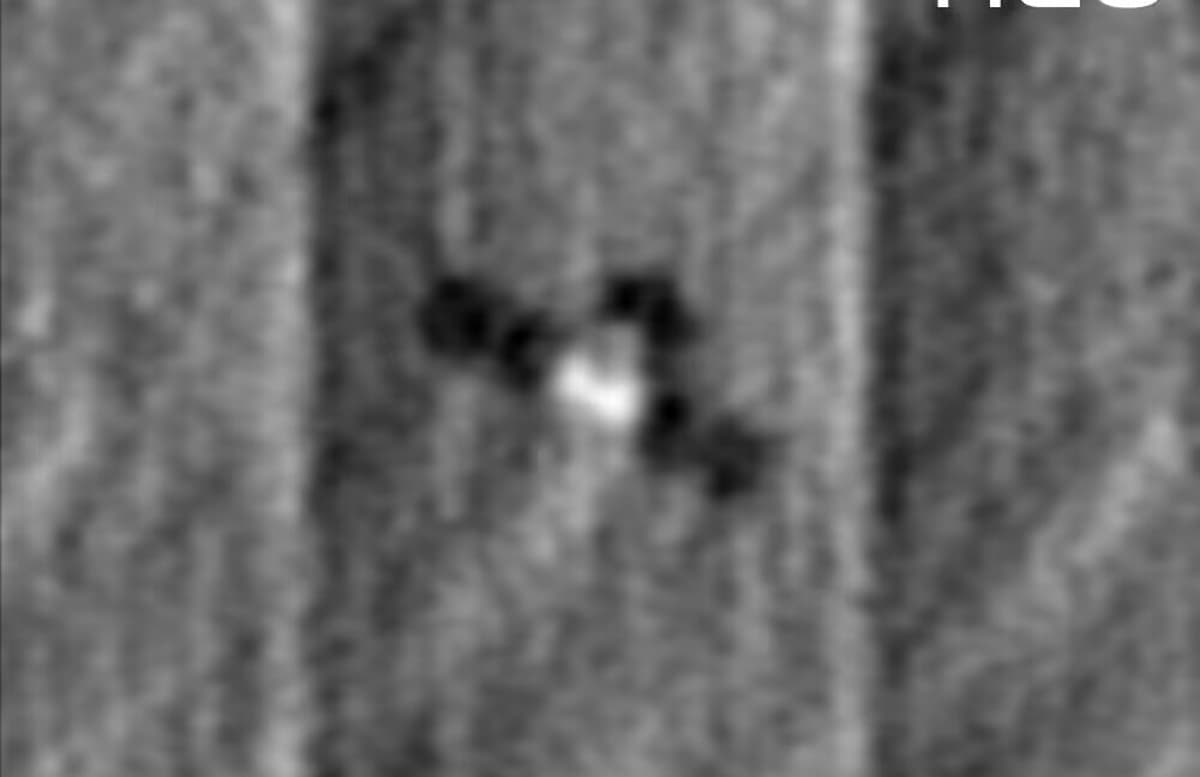
U.S. Space Command announced that Russia’s Nivelir co‑orbital anti‑satellite system is now operational, targeting high‑value U.S. National Reconnaissance Office (NRO) satellites in low‑Earth orbit. The nesting‑doll architecture releases smaller craft capable of high‑velocity impacts, a capability first tested in 2020...
Russia Launches the Smallest Version of Its Angara Rocket
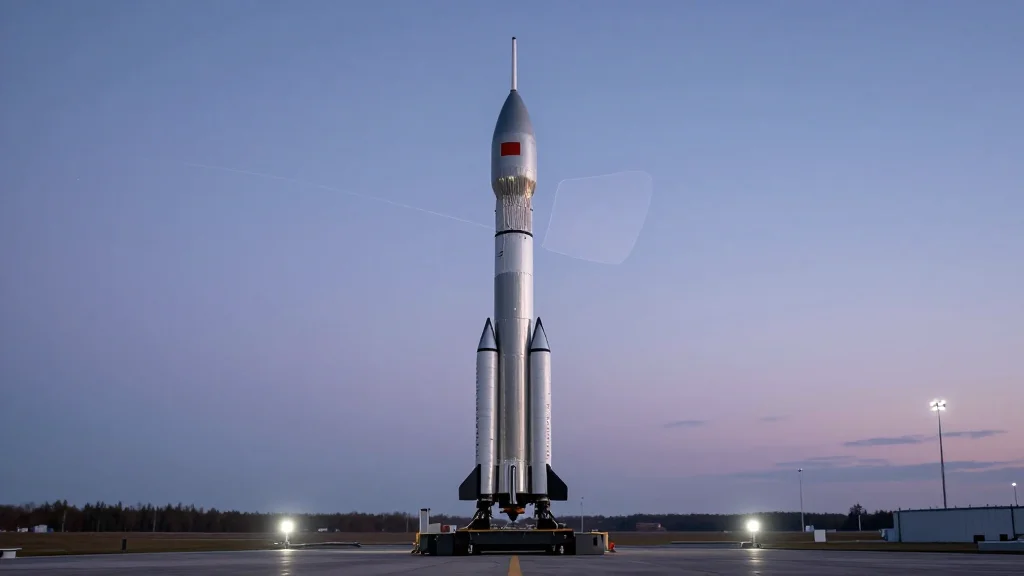
Russia successfully launched the Angara‑1.2, the smallest member of its modular Angara family, from the Plesetsk spaceport in the north‑east. The mission placed several classified payloads into orbit, underscoring its military relevance. Russian officials released scant details, citing the secretive...
China Picks Two Pakistanis to Train for a Future Tiangong-3 Mission
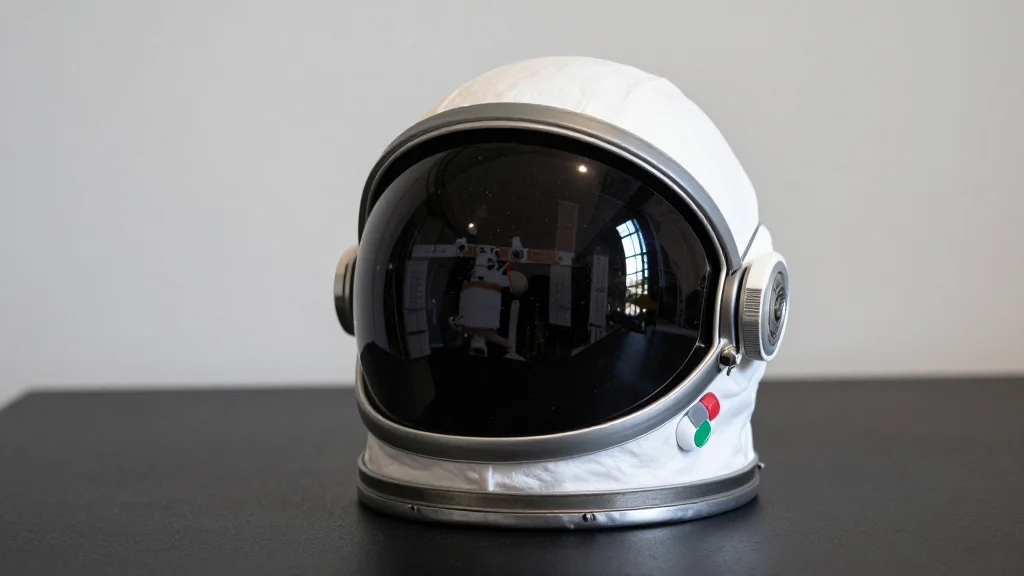
China announced that two Pakistani citizens, Muhammad Zeeshan Ali and Khurram Daud, will train as reserve astronauts for a future short‑duration mission to the Tiangong‑3 space station. After completing training, one will fly as a payload specialist, becoming the first...

Eutelsat, MTN Add Satellite to Ivory Coast Coverage
MTN Côte d’Ivoire has signed a multi‑year agreement with satellite operator Eutelsat to use its Konnect high‑throughput GEO satellite positioned at 7° East. The satellite will complement MTN’s terrestrial broadband, enabling community Wi‑Fi hotspots in rural and underserved areas of...
Starlink Wi-Fi Makes In-Flight Calls And Video Now Possible On British Airways Flights
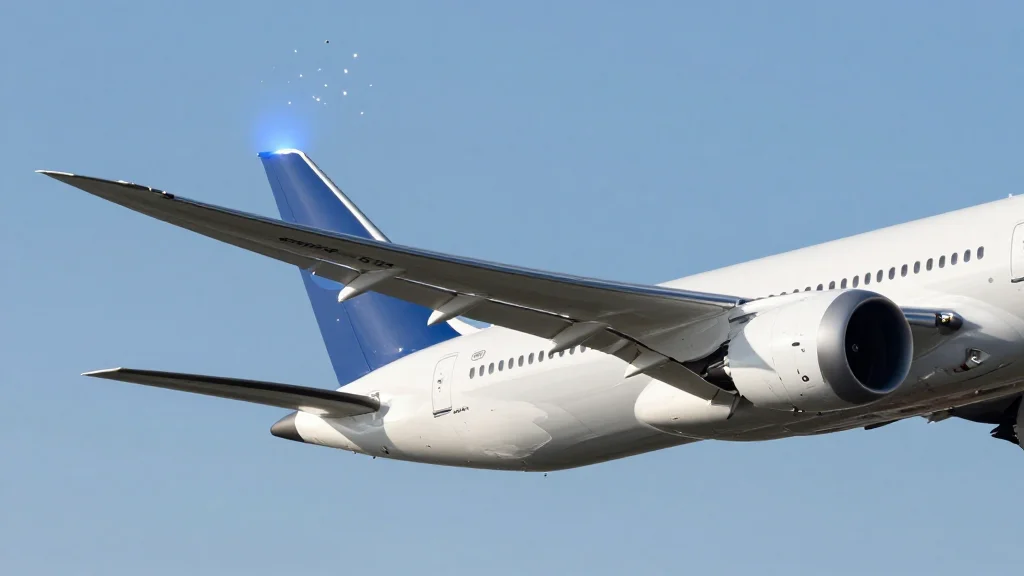
British Airways launched its first flight equipped with complimentary Starlink Wi‑Fi on March 19, enabling passengers to make phone and video calls at 38,000 feet. The service, initially rolled out on a London‑Houston route, allows multiple devices per seat and is...

Jordan Signs the Artemis Accords
Jordan became the 63rd nation to sign NASA’s Artemis Accords, joining Latvia as the latest signatories. Ambassador Dina Kawar signed the agreement at NASA Headquarters, framing it as a step toward turning Jordan into a regional and global science‑technology hub....
Rocket Lab Launches Eight Japanese Satellites, Including Origami-Inspired Payload
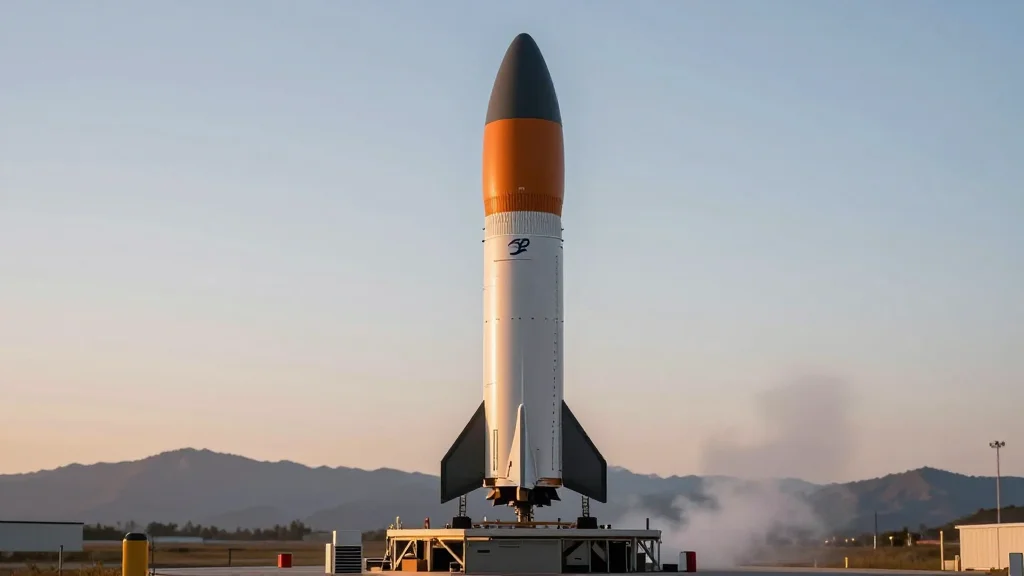
Rocket Lab successfully launched the “Kakuchin Rising” mission from its New Zealand site on April 22‑23, placing eight Japanese satellites into low‑Earth orbit. The payloads rode aboard an Electron rocket that lifted off at 11:09 p.m. EDT. One of the satellites featured an...