
How Space-Based Monitoring Supports Pipelines, Grids, Ports, and Energy Infrastructure
Space‑based monitoring is becoming a core tool for operators of pipelines, power grids, ports, and other energy assets. By fusing optical imagery, synthetic‑aperture radar and analytics, satellites pinpoint vegetation encroachment, flood, ground movement and congestion across vast, remote networks. The approach lets companies direct field crews only where conditions have changed, slashing patrol costs and accelerating response. In 2026 the market has shifted from selling raw scenes to delivering actionable alerts, dashboards and risk‑focused products that plug directly into maintenance and resilience workflows.

US Must Adjust to Iran’s Use of Commercial Satellite Photos, Space Command Says
Gen. Stephen Whiting, head of U.S. Space Command, warned that Iran’s use of commercial satellite imagery to strike U.S. and allied targets forces the Pentagon to adapt its operations. While the U.S. has declared space superiority over Iran, the conflict...
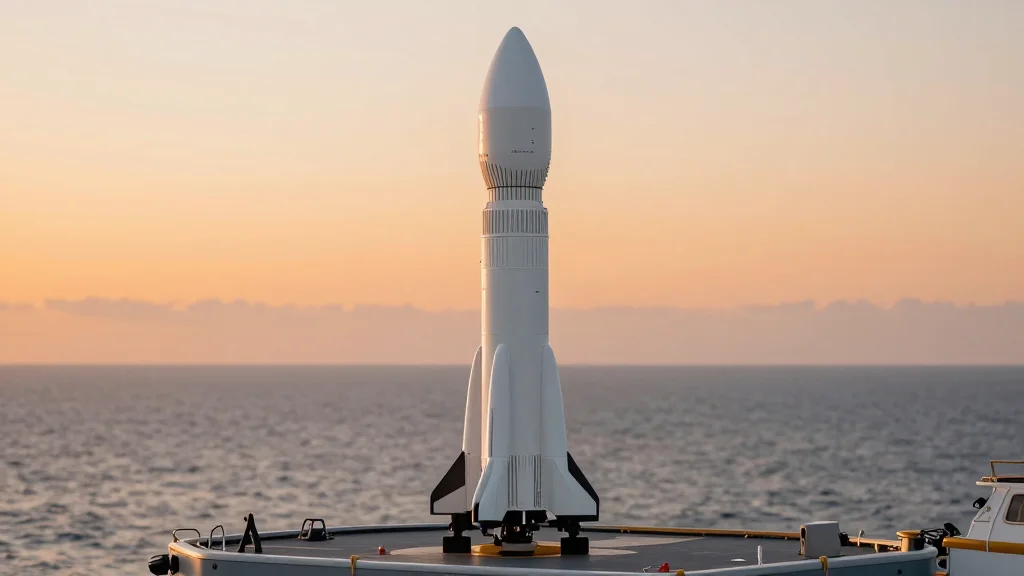
West Coast SpaceX Falcon 9 Mission Launches 25 Starlink Satellites
SpaceX lifted off a Falcon 9 from Vandenberg Space Force Base on Tuesday night, deploying 25 Starlink V2 Mini satellites. The launch, designated Starlink 17‑27, was the company’s 46th Falcon 9 mission of 2026 and used booster B1082 on its...

Space Force Urges Industry to Invest in Satellite Production Capacity
The U.S. Space Force is seeking a dramatic expansion of its satellite‑production capability as it prepares a $71 billion FY 2027 budget request, a 77 percent increase over the prior year. The procurement portion swells to $19 billion, up from $3.6 billion in FY 2026, and...

Beyond Connectivity: Elevate the Passenger Experience and Aircraft Operations
Airbus is rolling out its Connected Aircraft program, featuring the HBCplus modular connectivity system that can link to multiple satellite constellations—including LEO, MEO and GEO—without requiring structural airframe changes. The open, end‑to‑end digital platform aggregates onboard and ground data, enabling...
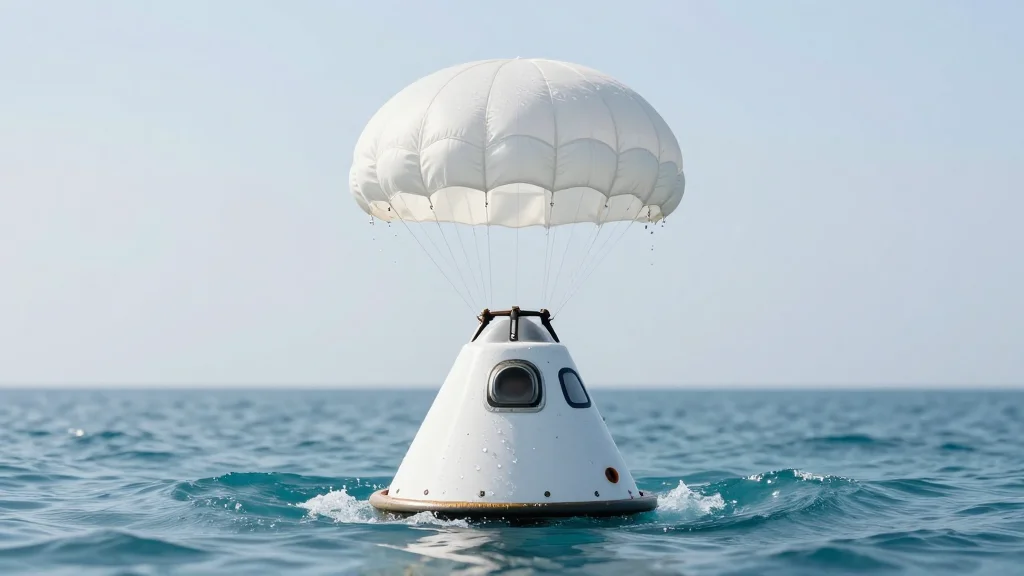
Research Helps Power Safe Return of Astronauts in Historic Orion Splashdown
NASA’s Orion capsule completed a historic splashdown on April 10, 2026, concluding the Artemis II mission. The safe descent relied on a three‑parachute system whose final design was shaped by Rice University’s fluid‑structure interaction (FSI) simulations. Researchers Tayfun E. Tezduyar and Kenji Takizawa provided the...
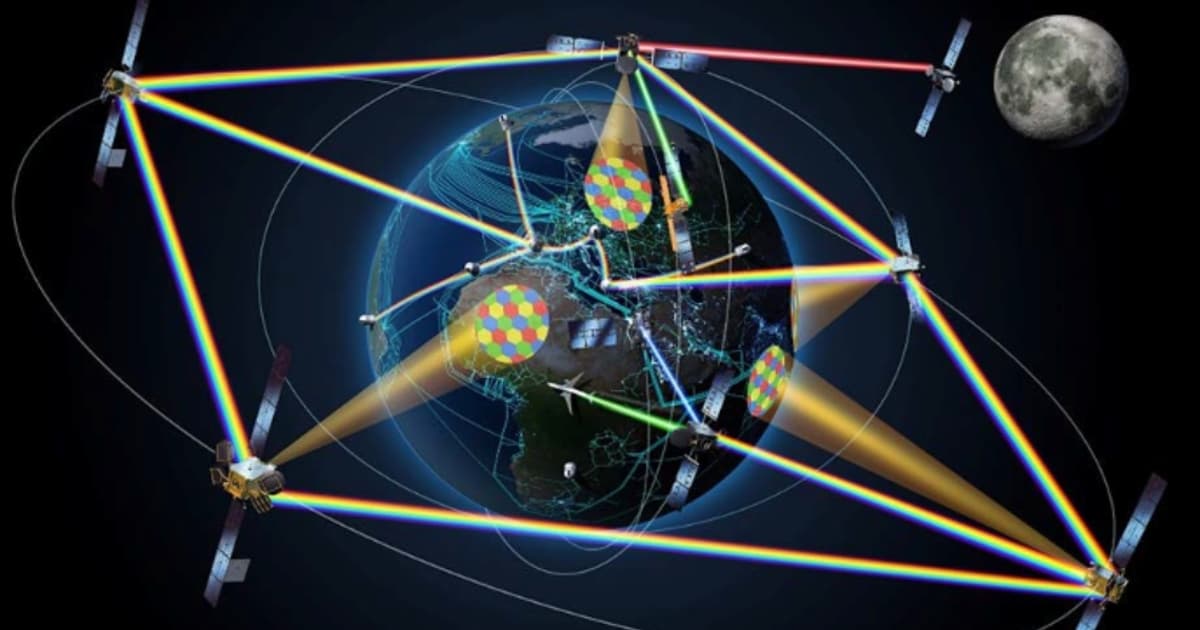
Kepler Awarded $30.1 Million Prime Contract for European Space Agency HydRON Optical Network
Kepler Communications, a Toronto‑based satellite operator, has been awarded a €18.6 million ($30.1 million) prime contract from the European Space Agency to deliver HydRON Element 3, a hosted‑payload mission that will validate the interoperability of multiple European optical communication terminals. The satellite bus,...

Kepler, Astrolight to Test ESA’s ‘Fiber in the Sky’
The European Space Agency has chosen a Kepler Communications‑led team to test its HydRON "fiber in the sky" optical network. Kepler will launch a satellite in 2027 carrying Astrolight’s ATLAS‑X laser communications terminal, which will operate as a third‑party user...

Interview With Karman Director, Space & Launch Market Renee Frohnert at Space Symposium
Karman Space & Defense Director Renee Frohnert told Via Satellite that the firm played a pivotal role in supporting NASA’s Artemis II lunar flyby, providing launch‑integration expertise and on‑orbit services. She highlighted Karman’s modular payload adapters, which shave up to 30% off...
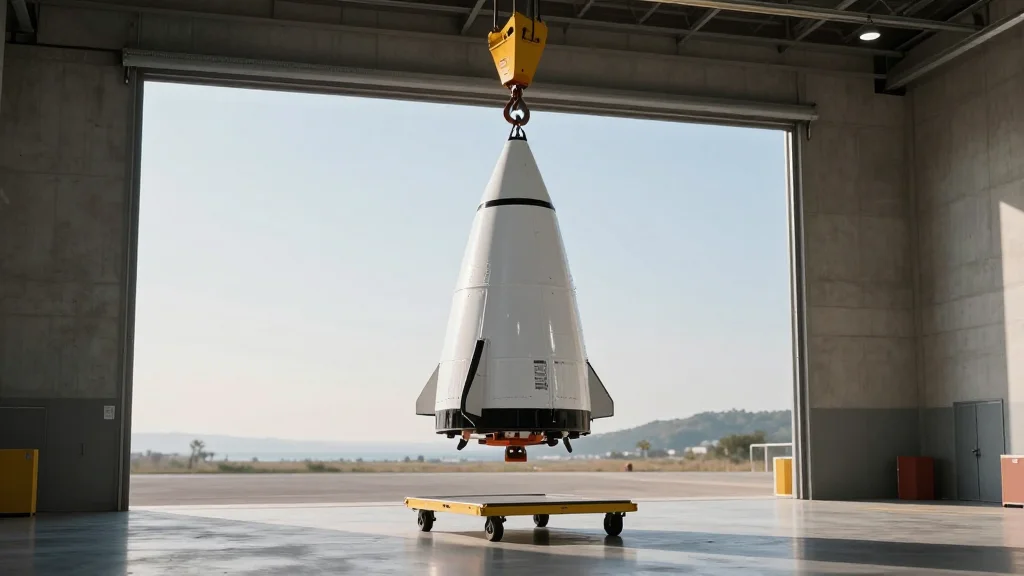
Space Force Selects Blue Origin as Possible Lessor of “Sudden Flats” Site at Vandenberg for Future Heavy Lift Rocket Launches
The U.S. Space Force has chosen Blue Origin to develop and potentially lease the Sudden Flats site, also known as Space Launch Complex‑14, at Vandenberg Space Force Base for future heavy‑lift commercial rockets. The decision follows a December 2025 request...
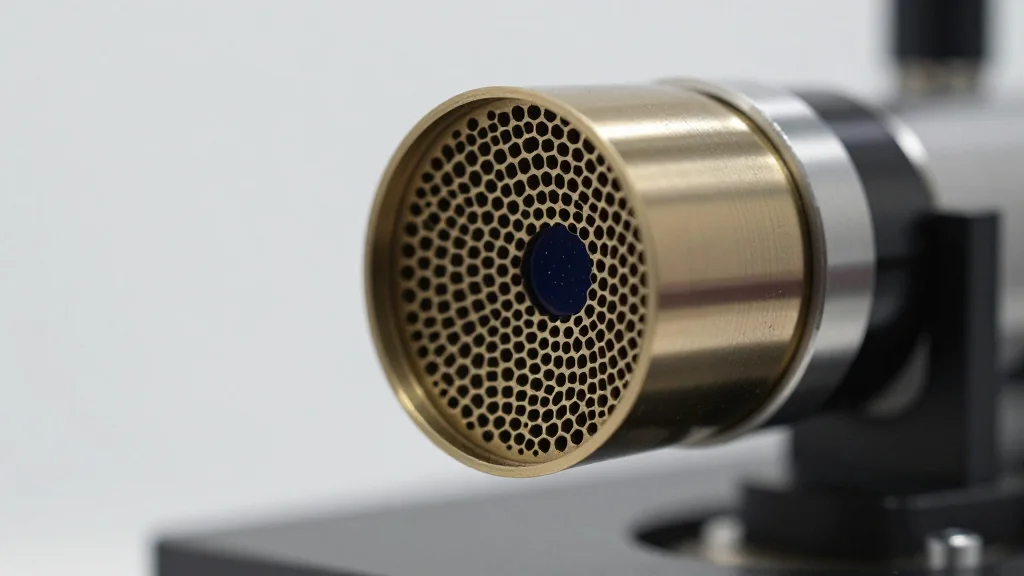
Catching Distant Gamma-Ray Explosions with Precisely Aligned X-Ray Optics
Researchers at Kanazawa University have demonstrated a practical alignment technique for the Micro Pore Optics (MPO) used in the EAGLE wide‑field X‑ray monitor, a key instrument on JAXA’s upcoming HiZ‑GUNDAM satellite. By fine‑tuning the tilt of individual lobster‑eye segments with...

Scientists: First Data From Europe’s Proba-3 Satellites Suggest the Sun’s Slow Solar Wind Is Faster and More Chaotic than Expected
Europe’s Proba‑3 twin‑satellite mission has delivered its first measurements of the Sun’s slow solar wind, revealing that plasma blobs can travel at 250‑500 km/s—far faster than the 100 km/s speeds predicted near the solar surface. The data also show that these blobs...

NRO Highlights Government and Industry Partnerships
The National Reconnaissance Office announced at the Space Symposium its drive to broaden partnerships with industry, academia, allies and the Space Force to accelerate next‑generation intelligence, surveillance and reconnaissance capabilities. Over the past five years the agency has awarded contracts...

Oklahoma Positions as Commercial Space Manufacturing Hub at Space Symposium
At the 41st Space Symposium, Oklahoma’s Department of Commerce pitched the state as the next manufacturing hub for the commercial space sector. Leveraging an existing aerospace base that sustains 120,000 jobs and generates roughly $44 billion annually, officials highlighted recent contributions...

Update on Superheavy/Starship: Both Ships Doing Final Static Fire Testing
SpaceX is conducting final static‑fire tests on both the Superheavy booster and Starship vehicle, following major upgrades to its Boca Chica launch pads. Pad 2’s expanded LOX and methane pump capacity now loads a full Superheavy in about 30 minutes, faster...

Ensign-Bickford Hardware Supports Successful Artemis II Lunar Mission
On April 13, 2026 Ensign‑Bickford Aerospace & Defense confirmed its separation and initiation hardware performed flawlessly during NASA’s Artemis II mission, the first crewed flight beyond low Earth orbit in five decades. The company’s pyrotechnic and mechanical systems managed every critical staging event...

The Bra-and-Girdle Maker That Fashioned the Impossible for NASA
In the early 1960s, bra‑and‑girdle maker ILC Dover won a NASA contract to build the Apollo spacesuit, leveraging its expertise in rubber, nylon and precision sewing. Its seamstresses achieved tolerances tighter than a 64th of an inch by using modified...

Saudia and Neo Space Group Launch Advanced IFC
Saudia has partnered with Neo Space Group to roll out an advanced inflight connectivity (IFC) service that will provide complimentary high‑speed internet across its global network. The system is powered by NSG’s Skywaves platform and SES’s Open Orbits multi‑orbit satellite...

SES and Boeing Move Toward Factory-Installed Multi-Orbit Inflight Connectivity
SES and Boeing have agreed to integrate SES’s multi‑orbit inflight connectivity hardware into aircraft production, starting with Boeing 737s and later 787s, moving away from retrofit installations. The hardware will become fully line‑fit by 2028 after an initial phase that...

A Dimmer Blue Marble? What Artemis II Photo Really Shows About Earth
In April 2026 astronauts on Artemis II captured a full‑disk view of Earth that quickly went viral alongside the iconic 1972 Apollo 17 "Blue Marble." Observers noted the newer picture appears dimmer and less saturated, sparking debate over whether the change reflects...

Commercial Space Federation (CSF) Welcomes ispace-U.S. To Board of Directors
The Commercial Space Federation announced that ispace‑U.S., a U.S.-based lunar exploration firm, has joined its Board of Directors. ispace‑U.S. has been an associate member and will now help shape CSF’s strategic priorities and policy engagement. The move aligns with NASA’s...

NASA Administrator Jared Isaacman On Artemis, Budget, And Establishing a Lasting Space Vision
NASA Administrator Jared Isaacman defended the White House’s FY2027 budget proposal, emphasizing fiscal responsibility amid growing congressional scrutiny. He highlighted Artemis II’s largely successful flight, noting a pristine heat shield and only minor system glitches such as a small helium leak....

Seagate Space and Oceaneering Join Forces to Build the Future of Offshore Launch Infrastructure
Oceaneering International and Seagate Space have signed a memorandum of understanding to co‑develop an offshore launch platform, dubbed the Gateway concept. The partnership leverages Oceaneering’s maritime and space systems heritage, including work on the Space Shuttle and Artemis, to accelerate...

Apple Chooses Amazon Satellites for iPhone, Years After Rejecting Starlink Offer
Amazon announced a $11.6 billion acquisition of Globalstar and a partnership that makes it the primary satellite service provider for iPhone and Apple Watch. The deal gives Amazon access to Globalstar’s existing low‑Earth‑orbit constellation, spectrum and Mobile Satellite Service licenses. Amazon...

BAE Unveils Highly Maneuverable, Refuelable Satellite, Eyes 2027 Delivery
BAE Systems unveiled Ascent, a high‑thrust, refuelable satellite in its Elevation line, aimed at dynamic space operations for the U.S. Space Force, commercial and civil users. The platform can maneuver across medium‑Earth orbit, geosynchronous orbit and cislunar space, and a...
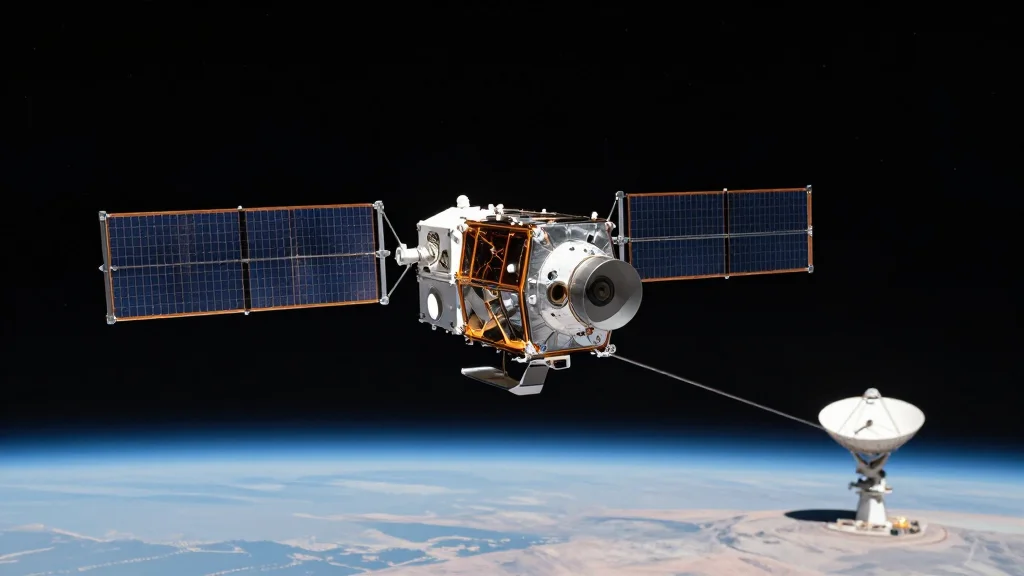
Amazon Stock Pops on Double Satellite Win
Amazon’s stock rose about 4% after the company announced plans to acquire Globalstar and to expand its low‑Earth‑orbit Leo satellite network. The deal will fold Globalstar’s assets into Leo and is paired with a separate agreement to provide satellite texting...

One Small Step, 4KB of RAM
NASA has released the original Apollo 11 guidance software for the Command and Lunar Modules into the public domain, making the historic code accessible to anyone. The software, known as Comanche and Luminary, runs on the Apollo Guidance Computer, which...

Put Science Back in the Driver’s Seat
NASA’s science program is increasingly dependent on ride‑along payloads, a stark shift from decades of dedicated missions that delivered breakthroughs like alien oceans and the accelerating universe. A proposed 46% budget cut for 2026‑27 would eliminate half of the agency’s...

Delta Air Lines Contracts Airbus to Install Hughes Co-Developed IFC on Upcoming A350-1000 Aircraft
Airbus will outfit 20 of Delta's upcoming A350‑1000 jets with a multi‑orbit in‑flight connectivity system co‑developed with Hughes, making Delta the first North American customer for Airbus' HBCplus line‑fit offering. The HBCplus modular solution supports up to two antennas and...
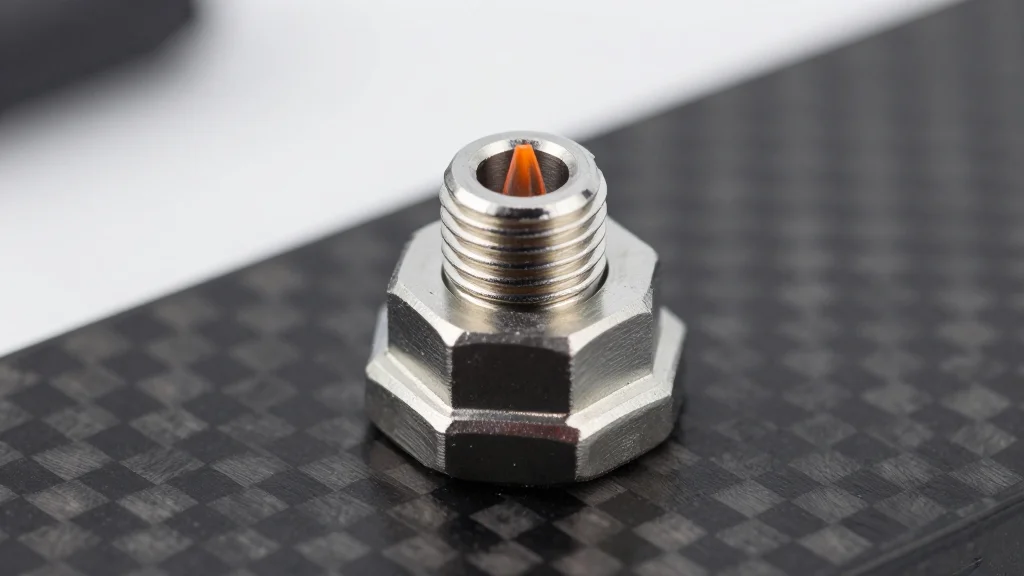
EBAD’s Lisa Brown Talks Supporting Customer Missions at Space Symposium
Ensign‑Bickford Aerospace & Defense (EBAD) leveraged its 190‑year legacy to supply critical ordnance for NASA’s Artemis II mission. Lisa Brown, EBAD’s Space Market Segment Director, discussed with Via Satellite how the company’s solid‑rocket motors powered the launch and its separation systems...

CLD Companies Say NASA Is Wrong. NASA Says Prove It.
NASA Administrator Jared Isaacman challenged commercial low‑Earth‑orbit (CLD) station builders to prove a viable market after the agency announced it doubts commercial demand and plans to purchase a core module for the ISS. Axiom Space and Vast submitted feedback arguing...

White House Releases Space Nuclear Policy
The White House unveiled a six‑page space nuclear policy (NSTM‑3) on April 14, directing NASA, the Pentagon and the Department of Energy to develop low‑ to mid‑power nuclear reactors for orbit and the lunar surface. NASA must begin work within 30 days...

Defense Firms Unveil New Satellite Designs for Orbital Warfare
U.S. defense giants BAE Systems and Lockheed Martin announced accelerated programs to develop maneuverable satellites for orbital warfare. BAE unveiled the Ascent platform, a 2,200‑kg payload, refuelable space tug, targeting a classified pathfinder launch in 2027. Lockheed detailed its Next‑Generation...

Q&A: Aerospace Corp Flexes Its Data Advantage
Aerospace Corporation, the government‑funded research center, is leveraging its 65‑year legacy of spacecraft testing to build AI models that speed design and anomaly resolution. CEO Tanya Pemberton highlighted a new "government‑furnished talent" initiative that lets private firms tap the FFRDC’s...

Dismantling the Pipeline: How a 47% Science Cut Would Break the Systems That Make Human Exploration Possible
The White House’s FY 2027 budget request proposes slashing NASA’s Science Mission Directorate by roughly 47%, trimming the agency’s total budget to about $18.8 billion. Dozens of flagship missions—including New Horizons, Juno, the Roman Space Telescope, and the Dragonfly Titan probe—are slated for...

Canada Formalizes Subscriptions to Four New European Space Agency Programs
Canada has formally authorized participation in four European Space Agency initiatives—Moonlight, FutureNAV, ACCESS and ERS‑EO—through Orders in Council dated March 30, 2026. The decision follows a historic $664.6 million CAD (≈$448 million USD) infusion into ESA commitments, earmarked to secure contracts for at least...

Contec Opens Second Satellite Optical Ground Station in South Korea with Cailabs
Contec has opened its second optical ground station in South Korea, located at the Asian Space Park on Jeju Island. The site uses Cailabs’ turbulence‑mitigation laser technology and a TILBA‑OGS L10 terminal to improve space‑to‑ground data downlink. The deployment supports...

MDA Space Taps UK-Based Spaceflux for Canadian Space Surveillance Observatories
MDA Space, after winning a $32 million Surveillance of Space 2 contract, has chosen UK‑based Spaceflux to supply optical systems and its Cortex AI platform for three new Canadian ground‑based observatories in Alberta, Manitoba and New Brunswick, slated for delivery by 2028....

How Cassini’s Final Months at Saturn Became the Most Scientifically Productive Planetary Mission Ever Flown and What It Taught Engineers...
Cassini’s five‑month Grand Finale, a deliberate plunge into Saturn, yielded unprecedented data on the planet’s interior, rings and magnetosphere before its controlled destruction on September 15, 2017. Engineers navigated 22 ultra‑close orbits through a previously uncharted gap between Saturn’s clouds...

SmallSat Europe Speaker Focus: Daniel Metzler, Isar Aerospace
Isar Aerospace’s 28‑meter Spectrum rocket completed a 30‑second sub‑orbital flight on March 30, 2025, making the company the first private firm to launch an orbital‑class vehicle from continental Europe. Since that brief flight, CEO Daniel Metzler has secured roughly $432 million in lifetime funding...

Amazon Buys Globalstar and Does Satellite Deal with Apple
Amazon announced it will acquire Globalstar, folding the satellite operator’s fleet, spectrum licenses, and infrastructure into its Amazon Leo business. The deal secures Globalstar’s existing 85% capacity allocation to Apple, while Amazon and Apple signed a new agreement to keep iPhone...

Amazon Just Bought Its Way Into the Satellite-to-Phone Race — And the Real Target Is SpaceX
Amazon announced it will acquire satellite operator Globalstar, instantly gaining licensed mobile‑satellite spectrum, an operational L‑band fleet, and ground infrastructure that already supports Apple’s emergency messaging. The deal, structured as cash and stock, is slated to close in 2027 pending...

Here Comes Starlink, the Next Telecom Giant
Starlink, five years into commercial service, is now reshaping the telecom landscape by offering ultra‑low latency broadband that rivals traditional GEO and MEO satellites. Its partnership with MVNO US Mobile marks a foray into fixed‑line bundling, while Asian markets see incumbents...

Orbital Starts Countdown to Space Data Centre Test
Orbital announced that its first satellite, Orbital 1, will launch aboard a SpaceX Falcon 9 in April 2025 to test sustained GPU operation in low‑Earth orbit. The mission, funded by a16z Speedrun, aims to prove radiation‑hardening, continuous solar power and space‑based cooling...
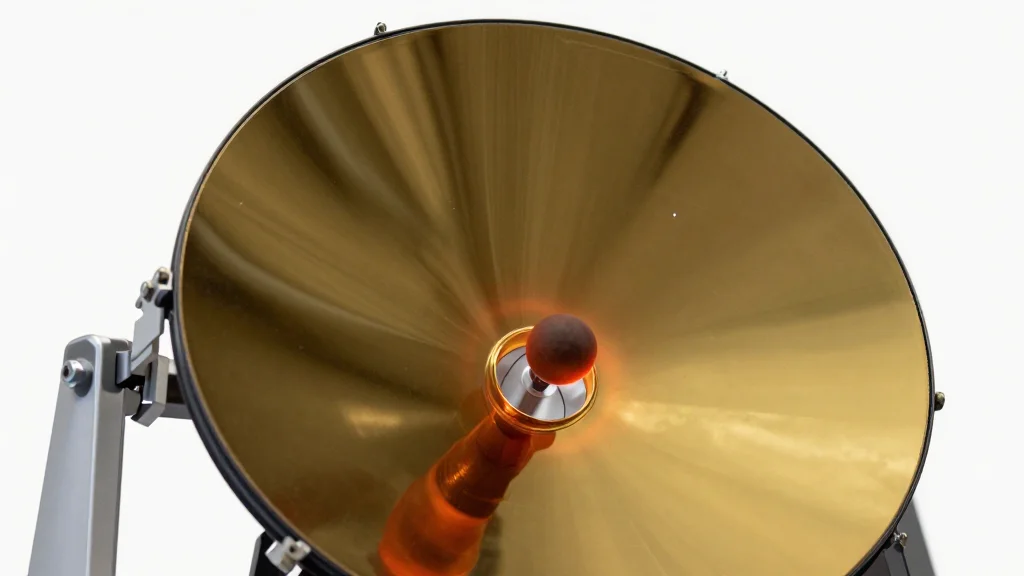
NASA’s JWST Redefines Dividing Line Between Planets, Stars
NASA’s James Webb Space Telescope has captured high‑resolution spectra of several substellar objects that sit on the borderline between massive planets and low‑mass stars. The observations reveal atmospheric signatures and temperatures that challenge the traditional deuterium‑burning mass cutoff used to...
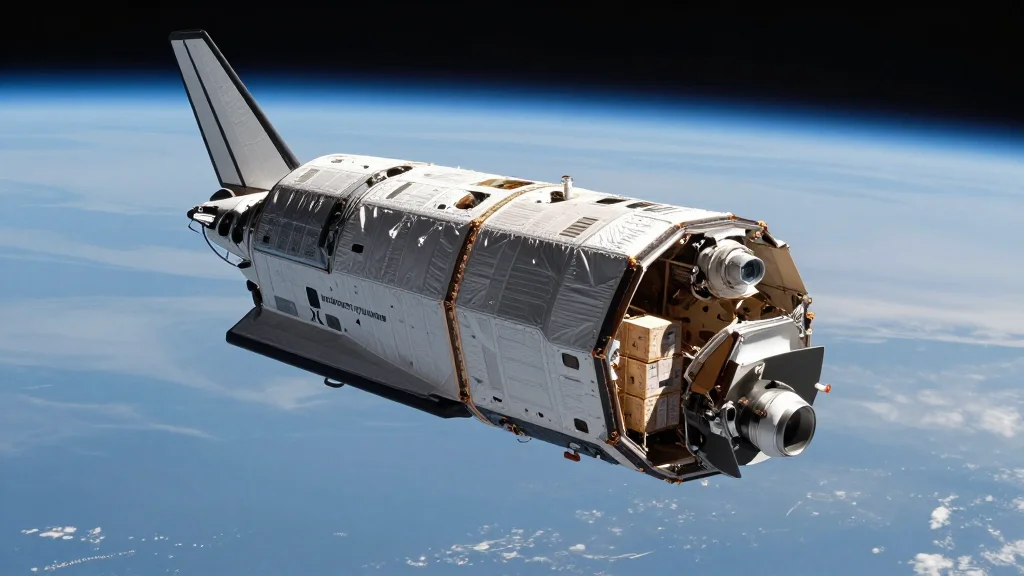
Northrop Grumman’s Cygnus XL Reaches ISS Carrying Tons of Supplies
Northrop Grumman’s Cygnus XL cargo spacecraft completed its second flight to the International Space Station, docking on April 13. The vehicle was captured by the station’s Canadarm2 robotic arm at 1:20 p.m. EDT. The mission delivered several tons of scientific equipment,...

General Atomics Completes Pre-Ship Review for Space Force Weather Payload
General Atomics Electromagnetic Systems announced on April 14, 2026 that its advanced EO/IR payload passed the pre‑ship review, clearing it for integration into the U.S. Space Force’s Weather System (EWS) satellite bus. The payload expands spectral coverage to 16 bands,...
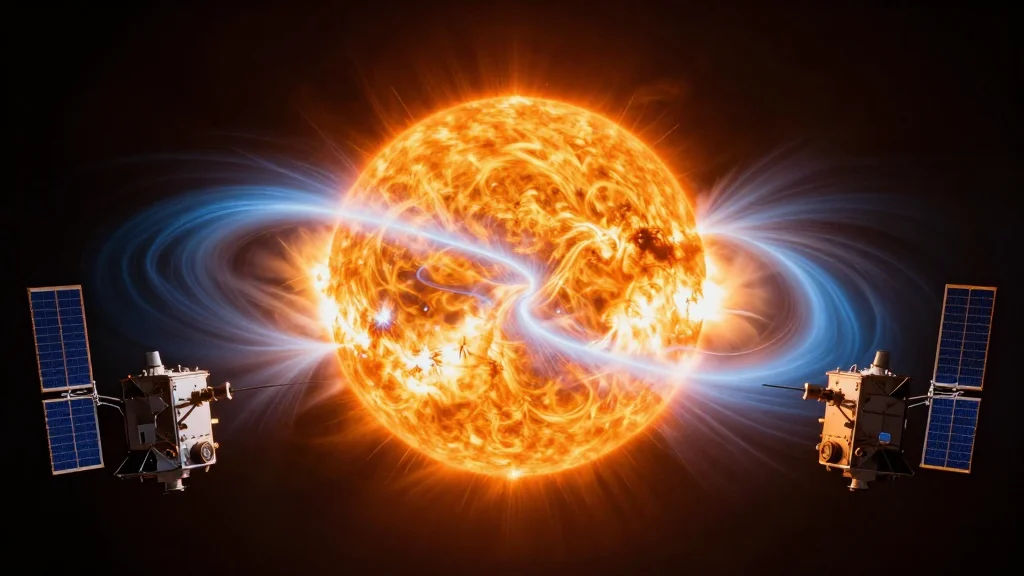
First Proba-3 Science: Surprisingly Speedy Solar Wind
ESA’s Proba‑3 mission delivered its first science data, revealing solar‑wind streams traveling up to 800 km/s just 5 solar radii from the Sun—significantly faster than most models predict. The twin‑satellite coronagraph captured high‑resolution images of the corona, allowing direct measurement of plasma...
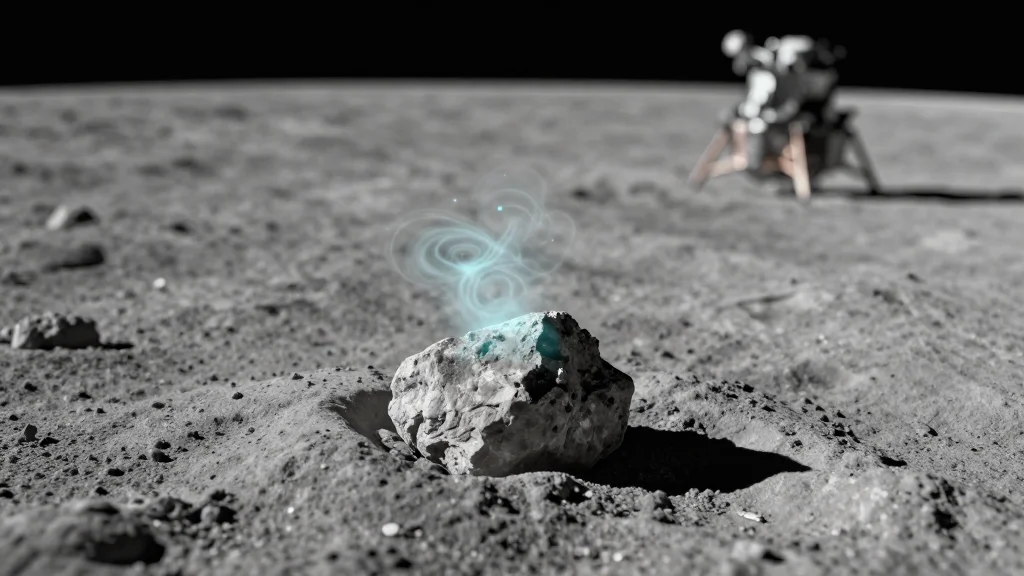
Chang'e Mission Samples Reveal How Exogenous Organic Matter Evolves on the Moon
Chinese Chang'e‑5 mission returned the first new lunar samples in decades, including minute amounts of organic compounds. Researchers analyzed the regolith and identified a suite of exogenous organics that have been altered by solar radiation, micrometeorite impacts, and thermal cycling....
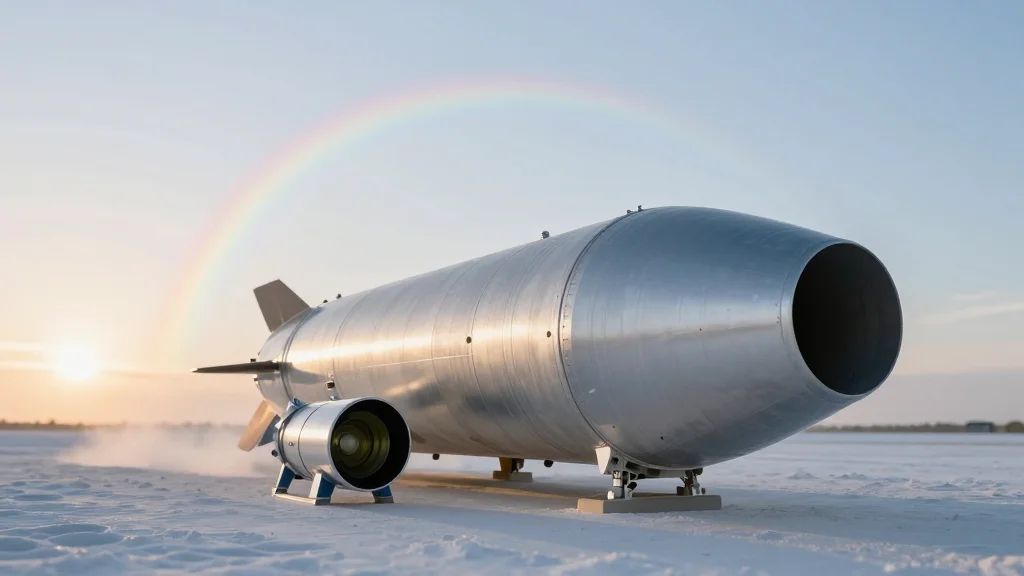
Japan Delivers Its Sharpest X-Ray Telescope for FOXSI, a US–Japan Rocket Program to Observe the Sun
Japan’s Nagoya University has completed its most precise X‑ray telescope yet for the Focusing Optics X‑ray Solar Imager (FOXSI) program, a joint US‑Japan sounding‑rocket effort to capture high‑energy solar flares. The new optics achieve sub‑arcsecond resolution across a 0.5‑10 keV band,...