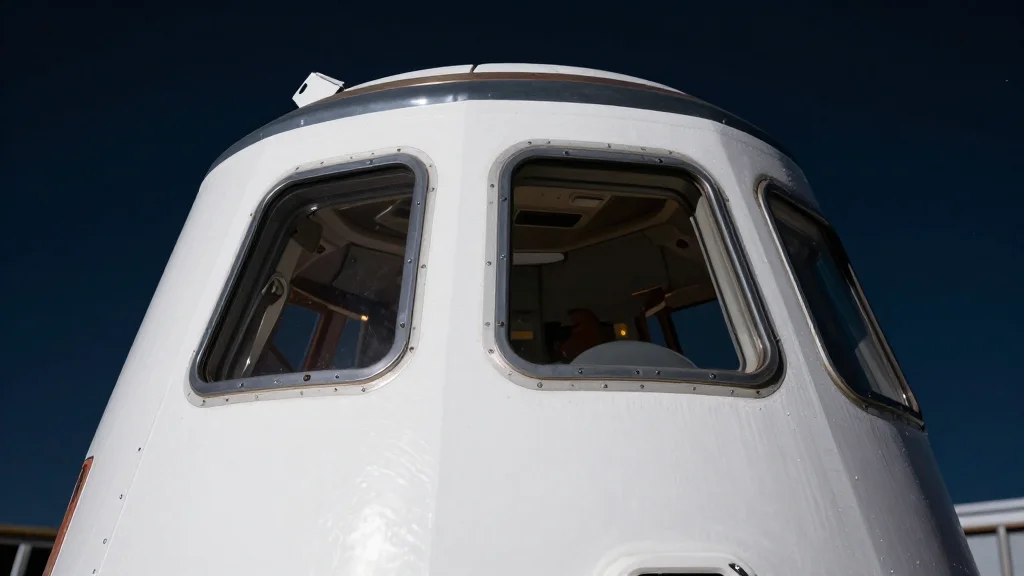
Interview With Karman Director, Space & Launch Market Renee Frohnert at Space Symposium
Why It Matters
Karman’s involvement in Artemis II validates its technical credibility and opens doors to lucrative U.S. government contracts, accelerating the commercial lunar ecosystem. Its growth trajectory signals heightened competition and innovation in the launch services sector.
Key Takeaways
- •Karman supplied launch integration for Artemis II crewed mission
- •Company forecasts 15% growth in launch market through 2028
- •Modular payload adapters cut integration time by 30%
- •U.S. government contracts make Karman a lunar infrastructure partner
- •Renee stresses need for resilient on‑orbit servicing capabilities
Pulse Analysis
The Artemis II mission marked the first crewed lunar flyby since Apollo, and Karman Space & Defense’s behind‑the‑scenes contribution illustrates how private firms are becoming indispensable to NASA’s deep‑space agenda. By delivering end‑to‑end launch integration and on‑orbit support, Karman helped mitigate schedule risk and demonstrated the value of flexible payload interfaces. This partnership signals a shift toward a more collaborative model where commercial expertise accelerates government timelines.
Beyond Artemis, the commercial launch market is entering a rapid expansion phase. Industry analysts project a compound annual growth rate of roughly 15% through 2028, driven by increasing demand for satellite constellations, lunar landers, and defense‑related payloads. Karman’s modular adapters and streamlined integration processes give it a competitive edge against legacy providers such as United Launch Alliance and emerging players like SpaceX’s Starship. The firm’s ability to reduce integration time by a third translates directly into cost savings and higher launch cadence, appealing to both commercial customers and the Department of Defense.
Looking ahead, Karman’s strategic focus on resilient on‑orbit servicing aligns with broader policy goals to sustain a permanent lunar presence. As NASA and international partners plan Artemis III and subsequent missions, the need for refueling, repair, and debris mitigation services will grow. Karman’s secured government contracts position it to capture a share of this emerging market, while its technology roadmap promises scalable solutions for future deep‑space logistics. Investors and industry watchers should monitor Karman’s progress as a bellwether for the convergence of launch services, satellite servicing, and lunar infrastructure development.
Interview With Karman Director, Space & Launch Market Renee Frohnert at Space Symposium
Comments
Want to join the conversation?
Loading comments...