Update on Superheavy/Starship: Both Ships Doing Final Static Fire Testing
Why It Matters
Accelerated fueling and a fully qualified 33‑engine Raptor‑3 boost Superheavy’s launch cadence, reshaping the commercial launch market and SpaceX’s path to full reusability.
Key Takeaways
- •Pad 2 fueling upgrades cut Superheavy load time to 30 minutes.
- •LOX ring now loads in 90 seconds, faster than Falcon 9.
- •New Raptor‑3 engines being tested; next test fires all 33 engines.
- •Starship testing continues on rebuilt Massey stand after prior explosion.
- •12th orbital test flight expected soon after static fire campaigns.
Pulse Analysis
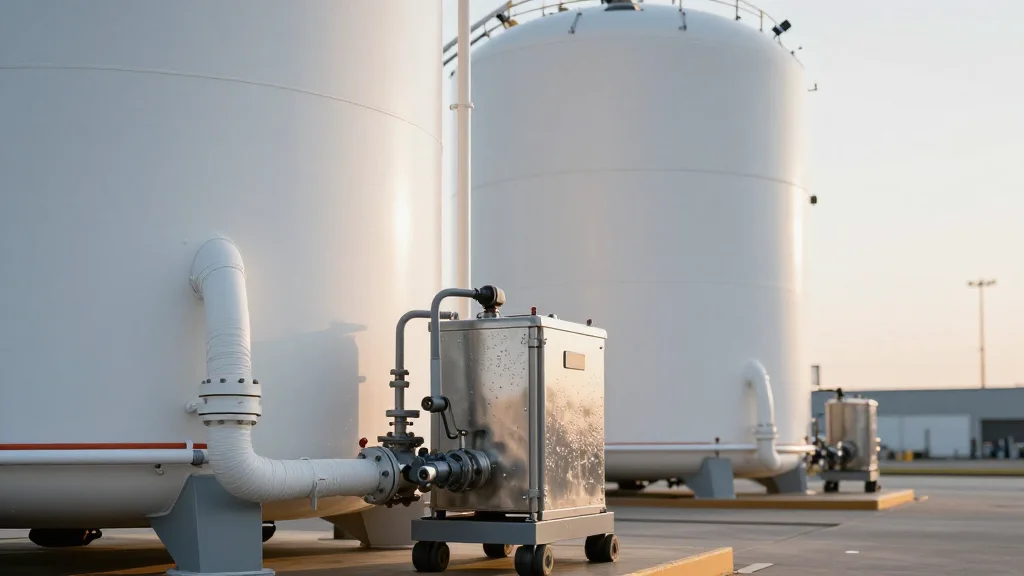
SpaceX has moved both its Superheavy booster and Starship spacecraft into the final phase of static‑fire testing, a milestone that follows a series of infrastructure upgrades at the company's Boca Chica launch complex. Pad 2 now hosts five LOX pumps and ten sub‑coolers, plus four methane pumps and six sub‑coolers, allowing a full Superheavy propellant load in roughly 30 minutes—about half the time required for a Falcon 9. The accelerated loading not only shrinks turnaround but also demonstrates the scalability needed for high‑frequency orbital missions.
The static‑fire campaign also serves as a proving ground for the next‑generation Raptor‑3 engine. SpaceX has been incrementally adding engines to the test stand, and the upcoming test will ignite all 33 Raptor‑3 units simultaneously, effectively a dress‑rehearsal for an operational launch. Validating thrust vector control, acoustic loads, and fuel‑flow dynamics at full engine count is critical before the booster can carry payloads to orbit. Successful completion would cement the Raptor‑3 as the workhorse for both commercial and government missions, reinforcing SpaceX’s vertical integration strategy.
With the static‑fire sequence nearing completion, the company is positioning its 12th orbital test flight for the near term. A faster fueling process and a fully qualified engine suite could compress the interval between test flights, accelerating the path to a fully reusable launch system. Industry observers see this as a tipping point: regular, low‑cost access to orbit would pressure legacy providers and expand the market for satellite constellations, lunar landers, and deep‑space cargo. The upcoming flight will therefore be a litmus test for SpaceX’s long‑term commercial dominance.
Update on Superheavy/Starship: Both ships doing final static fire testing
Comments
Want to join the conversation?
Loading comments...