
Jetstar Selects Viasat AMARA for 787 Fleet Connectivity Upgrade
Jetstar Airways has chosen Viasat’s next‑generation AMARA inflight connectivity to outfit 11 of its Boeing 787‑8 Dreamliners. The rollout, part of a broader cabin modernization effort, began this month and is slated for completion by mid‑2027. Powered by Viasat’s Ka‑band satellite network, the system supports streaming, messaging and future low‑Earth‑orbit capacity. The upgrade aligns with Jetstar’s bring‑your‑own‑device strategy, catering to the majority of travelers who prefer personal devices for entertainment.
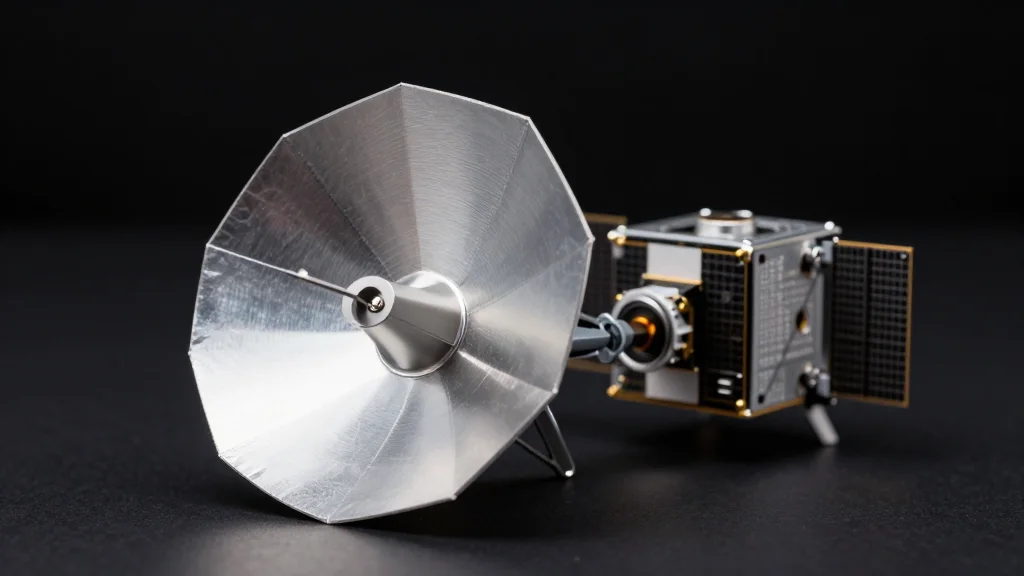
Tiny Satellites Face Big Data Limits: How Foldable Antennas Could Change CubeSat Missions
Researchers at Institute of Science Tokyo have unveiled a 5.8 GHz origami‑inspired reflectarray antenna that folds to fit inside a 3U CubeSat and expands to a high‑gain configuration in orbit. Weighing only 64 g and achieving a 265 % storage ratio, the antenna...

House Science Committee Members Vow to Reject NASA Budget Cuts
U.S. lawmakers on the House Science Committee denounced the Trump administration’s proposal to slash NASA’s FY2027 budget by 23%, echoing their rejection of a similar FY2026 request that would have reduced the agency’s funding to $18.6 billion. The administration’s plan also...

Lawmakers Promise to Reject Proposed NASA Cuts—Again
Lawmakers on the House Science, Space and Technology Committee vowed to block the Trump administration’s FY2027 NASA budget request, which trims the agency’s funding to $18.8 billion—a $5.6 billion cut from the FY2026 level. The bipartisan group argued the reductions jeopardize the...

NASA’s Artemis II Moon Mission Shows Space-to-Earth Laser Comms Can Scale
NASA’s Artemis II mission used a low‑cost laser communications terminal in Australia to receive 4K video and telemetry from lunar orbit at 260 Mbps. The Observable Space and Quantum Opus system cost under $5 million, far cheaper than traditional deep‑space radio solutions that...

US Officials See Proposed European Union Space Act as Complicated Overreach
The European Union is drafting a Space Act to create a single market and impose common technical standards for safety, resilience and sustainability, with implementation slated for 2030. U.S. officials from the Department of Commerce, State Department and FCC argue...

Trump Picks Industry Executive Roger Mason to Lead National Reconnaissance Office
President Donald Trump has nominated Roger Mason, currently chief growth officer at defense contractor V2X, to head the National Reconnaissance Office pending Senate approval. Mason would replace Christopher Scolese, who has overseen the agency since 2019. The NRO, funded with...
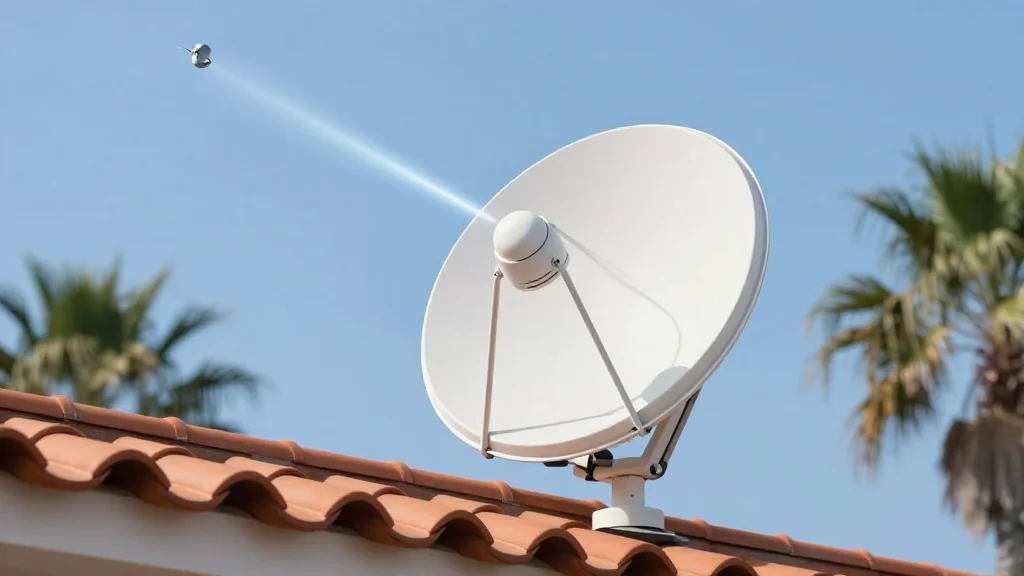
Eutelsat Signs New Broadcast Deals in Mexico and Caribbean
Eutelsat announced three new broadcast agreements covering the Caribbean and Mexico. In the Caribbean, it will work with Co‑op Cable to deliver direct‑to‑home TV and satellite broadband via the E65WA satellite. In Mexico, the operator renewed its partnership with PCTV...
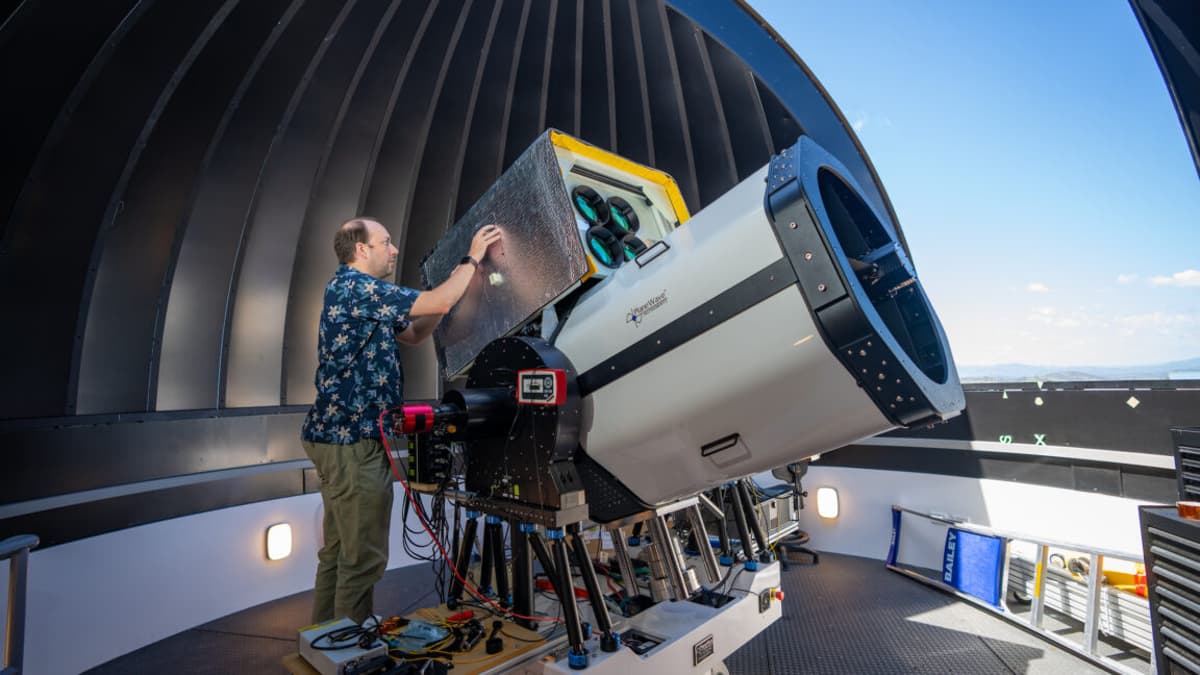
You Want Your Moon Landings in HD? So Does NASA—Here's How It's Happening.
NASA’s Artemis II crew used an experimental optical‑laser communications terminal that boosted data rates from a few megabits per second to 260 Mbps, enabling near‑real‑time high‑definition video from lunar orbit. The system outperformed the traditional S‑band radio link, which tops out at...
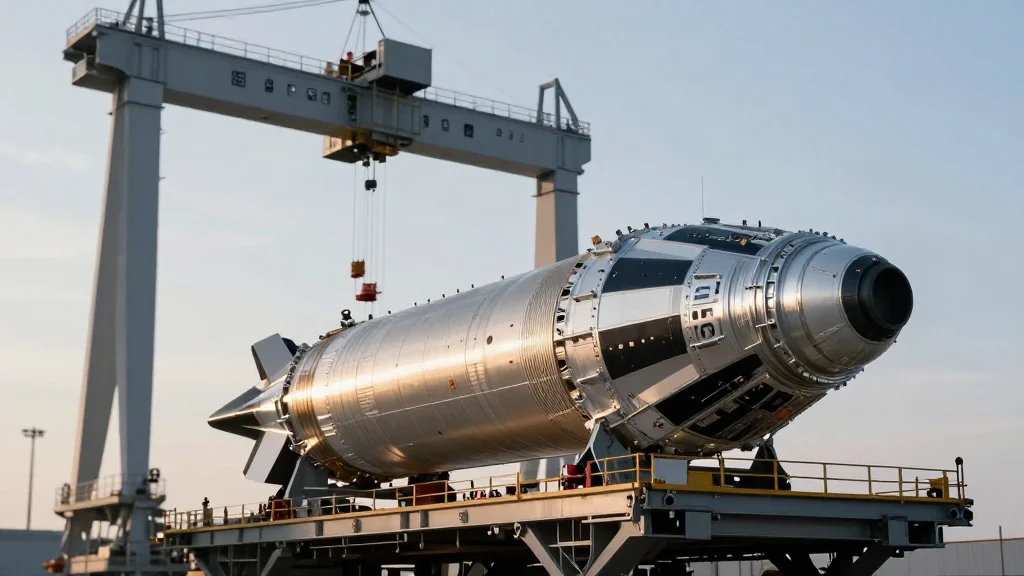
Artemis III Rocket Core and Mobile Launcher Progress Toward 2027 Test Flight
NASA rolled the 212‑foot Space Launch System core stage from New Orleans to Kennedy Space Center on April 20, positioning it for Artemis III assembly. The mobile launcher that lifted Artemis II has returned to the Vehicle Assembly Building for inspections and repairs after...

The History of the GPS System and GPS Modernization
In April 2026 the U.S. Space Force launched GPS III SV10, the final satellite of the baseline GPS III constellation, while simultaneously terminating the troubled Operational Control Segment (OCX) program after roughly $6.3 billion of spending. The launch caps a half‑century of GPS evolution from...
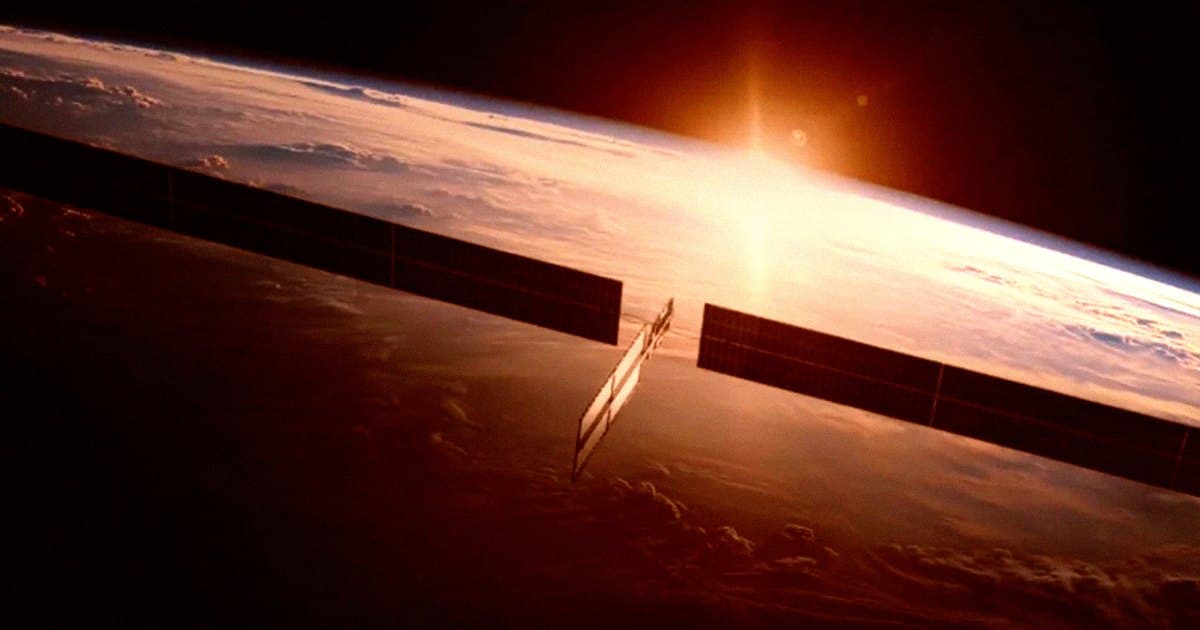
SpaceX Admits AI Data Centers in Space May Be a Really Terrible Idea
Elon Musk has championed orbital AI data centers as a low‑cost, solar‑powered solution, but SpaceX’s recent pre‑IPO filing admits the concept is still unproven and may never be commercially viable. The plan envisions up to one million satellite‑sized servers launched...
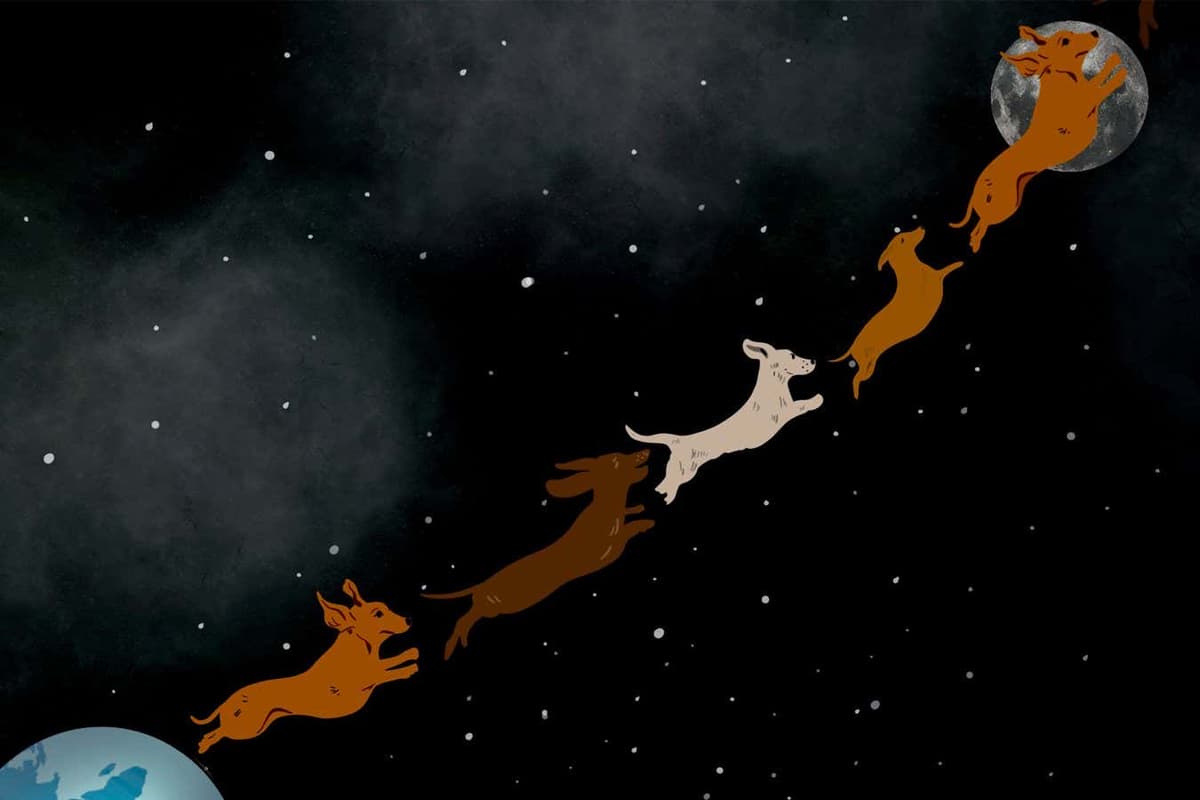
How Many Dachshunds Would It Take to Get to the Moon?
The New Scientist Feedback column highlighted the New York Times' tongue‑in‑cheek use of 22‑inch dachshunds to convey Artemis II’s 406,771 km lunar distance, estimating roughly 728 million dogs would be required. It also noted a separate study where a large‑language‑model classifier achieved 96%...
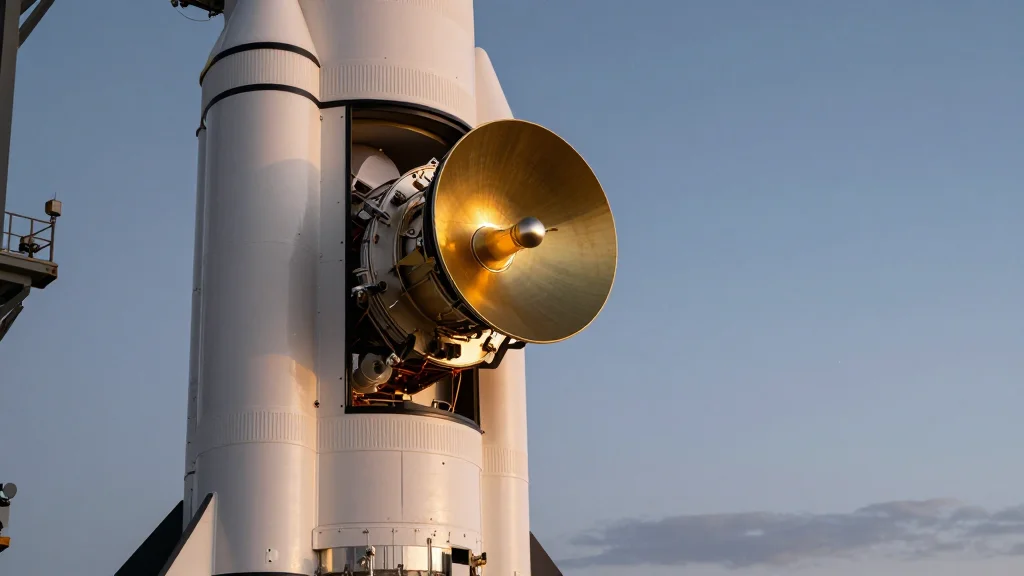
NASA Targets Early September for Roman Space Telescope Launch
NASA announced that the Nancy Grace Roman Space Telescope will be delivered to Kennedy Space Center in June and could launch as early as September 2026, well before the agency’s May 2027 deadline. The observatory will ride a SpaceX Falcon Heavy from Launch...

NASA Astronaut Anil Menon to Discuss Upcoming Launch, Mission
NASA will hold a live news conference on April 29 to preview astronaut Anil Menon's first spaceflight. Menon, a U.S. Space Force colonel and former SpaceX flight surgeon, will launch aboard Soyuz MS‑29 on July 14 with Roscosmos cosmonauts Pyotr...

SGx 2026 Registration Is Open
The Space Generation Advisory Council (SGAC) has opened registration for SGx 2026, a two‑day conference in Washington, D.C., on May 17‑18. Co‑hosted with ASCEND and the Future Space Leaders Foundation, the event gathers students, early‑career professionals, and senior industry and...

European Startup Atmos Raises €25.7 Million to Develop Its Orbital Research Capsules
European startup Atmos announced a €25.7 million (≈ $30 million) financing round to accelerate its Phoenix orbital research capsule program. The capital will fund the launch of a three‑vehicle Phoenix 2 fleet, the rollout of Atmos Works for government and defence clients, and development of...

FCC Greenlights AST SpaceMobile's Satellite Broadband Service
The FCC has approved AST SpaceMobile to launch and operate a 248‑satellite low‑Earth‑orbit constellation that will deliver broadband directly to standard smartphones using cellular frequencies across the United States. The clearance moves AST closer to commercial service and allows its...

Market Dynamics and Non-Terrestrial Network (NTN) Chipsets
The global LEO satellite 5G Non‑Terrestrial Network (NTN) chipset market is projected to expand from $6.69 billion in 2026 to $23.07 billion by 2030, a compound annual growth rate above 36 %. This acceleration follows the finalization of 3GPP Release 17 and 18 standards...
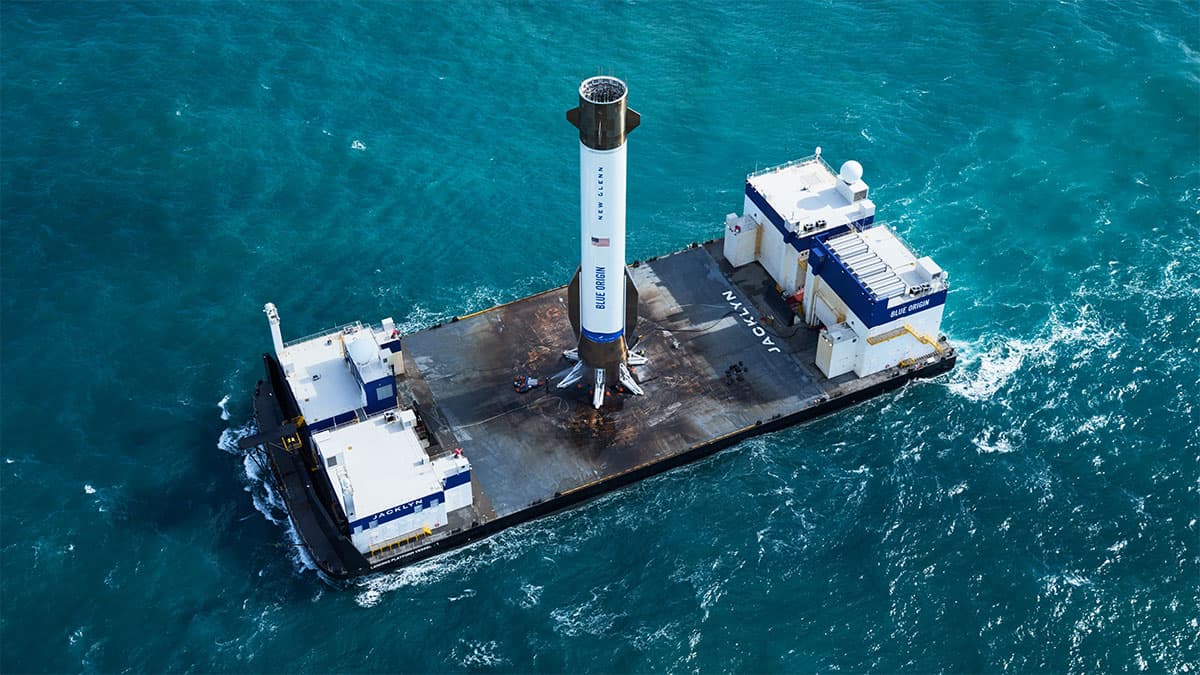
New Glenn Grounded as BE-3U Thrust Issue Comes Into Focus
Blue Origin has grounded its New Glenn heavy‑lift vehicle after data indicated that one of the two BE‑3U upper‑stage engines failed to produce enough thrust during the second burn. The shortfall prevented the AST SpaceMobile BlueBird 7 satellite from reaching its planned...
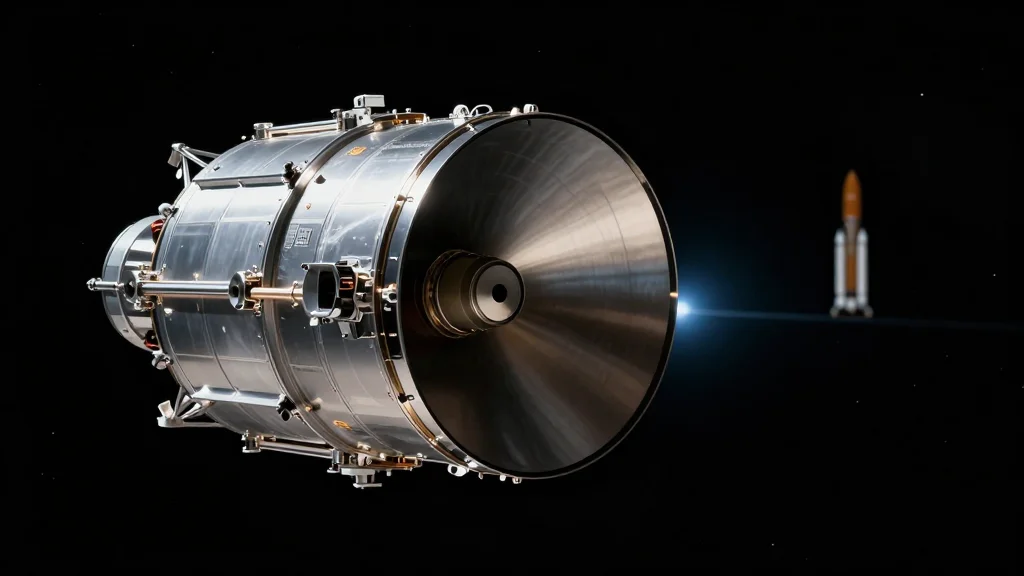
NASA Targeting September to Launch Nancy Grace Roman Space Telescope
NASA announced that the Nancy Grace Roman Space Telescope will launch in early September aboard a SpaceX Falcon Heavy, eight months ahead of the original schedule and under budget. The 2.4‑meter telescope, built at Goddard, will travel to the Sun‑Earth...

NASA’s Shift to CLPS 2.0 Signals Structural Transformation of Lunar Logistics Market
NASA is upgrading its Commercial Lunar Payload Services from a pilot program to a high‑cadence logistics platform dubbed CLPS 2.0. The agency plans 77 lander missions through 2031, backed by a $6 billion budget that pushes average mission cost down to roughly...
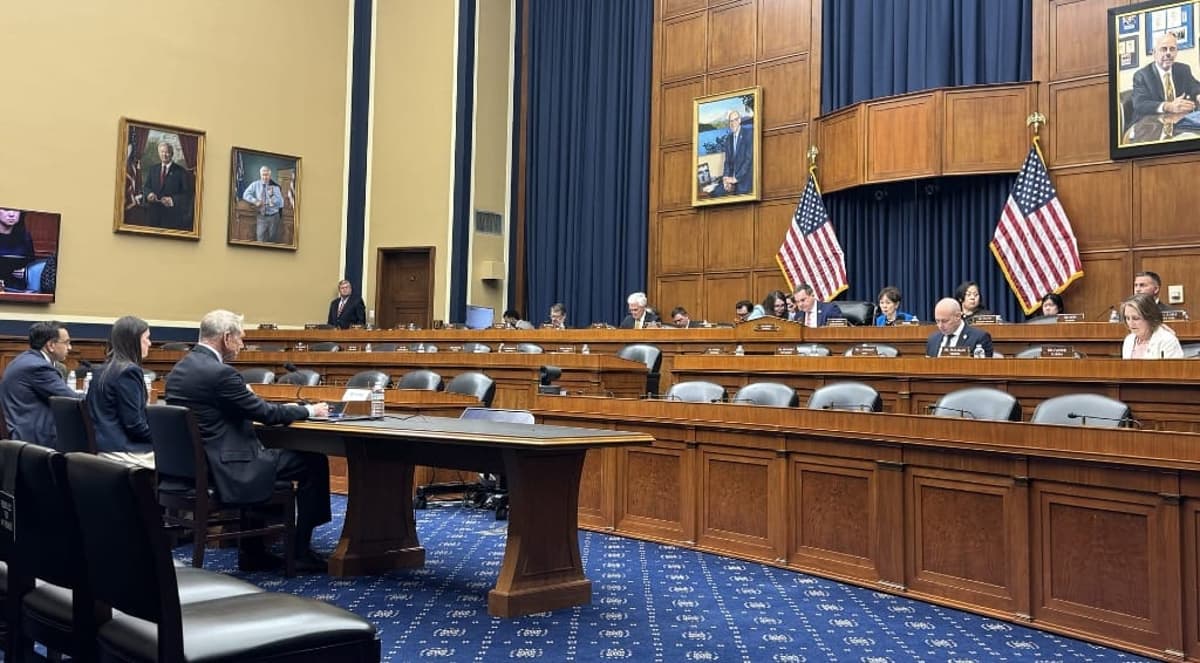
Lawmakers Weigh Satellite Licensing Overhaul Amid Growing Demand
The House Communications and Technology Subcommittee reviewed the SAT Streamlining Act, legislation designed to modernize U.S. satellite licensing by giving the FCC clearer authority over geosynchronous and non‑geostationary systems and related ground infrastructure. The bill imposes a one‑year deadline for...

SmallSat Europe Speaker Focus: Alexander Greenberg, Loft Orbital
In January 2026, France’s space agency CNES awarded a €50 million (~$54 million) contract to Loft Orbital to build DESIR, the nation’s first sovereign SAR demonstrator, making the San Francisco startup the prime contractor for a defense reconnaissance asset. Loft’s business model flips...

Tracking Sats From the Sea
The U.S. Navy is evaluating the placement of Space Development Agency (SDA) satellite‑tracking technology on its ships, turning vessels into mobile space‑domain awareness platforms. Rear Adm. Karrey Sanders argues that sea‑based sensors are harder to target and can view satellites...
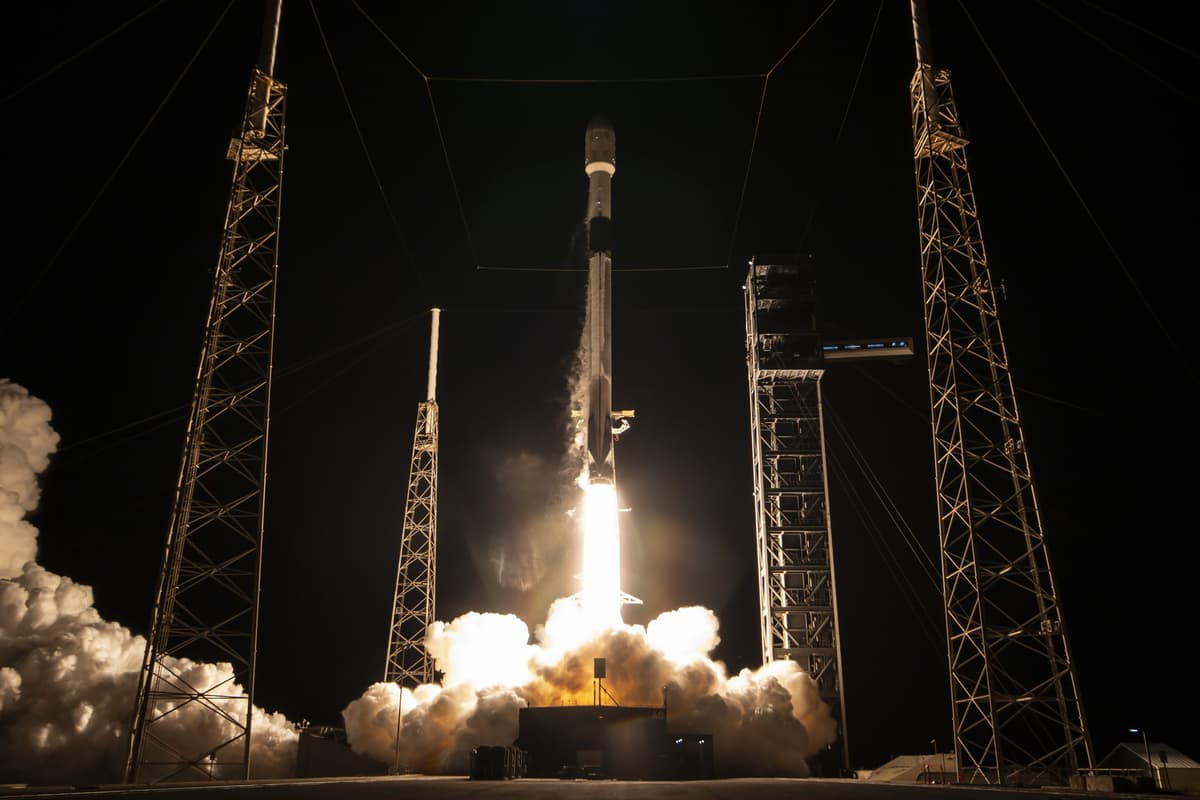
Hybridizing Nuclear Command, Control and Communications Systems Puts Space Infrastructure at Risk
Space‑based nuclear command, control and communications (NC3) are shifting from isolated, sovereign systems to hybrid architectures that blend government, commercial, and international assets. The United States, China, Russia, and India already embed dual‑use satellites such as GPS, BeiDou, and commercial...

Enterprise Space Category
The UK’s Enterprise Space Category (ESC) launched in February 2024 to create a unified, cross‑government procurement framework for space‑related goods and services. It brings together the Cabinet Office, DSIT, and the UK Space Agency under a single strategy, overseen by a...

Nordian Combines Starlink and GNSS for Global Centimetre-Level Positioning
Nordian unveiled UltraLink, a platform that fuses SpaceX’s Starlink satellite internet with u‑blox GNSS technology to deliver real‑time kinematic (RTK) positioning at centimetre accuracy. The single‑device solution provides connectivity, correction data, and cloud‑based fleet management for precision farming, autonomous machines,...

The NewSpace Africa Conference Highlights Space Efforts Of African Nations
The fifth NewSpace Africa Conference opened in Libreville on April 21, drawing more than 600 delegates from over 300 organisations across 70 countries. Hosted by the Gabonese government and AGEOS, the event focuses on expanding Africa’s space economy under the...

Commerce Department Budget Proposal Would Halt Work on TraCSS
The Commerce Department’s FY 2027 budget proposal puts the Traffic Coordination System for Space (TraCSS) on hold while it designs a new operating and financial model that could include user fees. The Office of Space Commerce would retain roughly $10 million in...
Musk’s SpaceX Goals Shift Ahead of Its I.P.O.
SpaceX, long‑hailed for its Mars colonization goal, is now pivoting toward artificial intelligence and lunar manufacturing as it readies for a massive IPO. The company disclosed a potential $60 billion acquisition of AI startup Cursor, signaling a shift from a sole...

TU Delft’s Karen Dowling Receives NWO Open Competition ENW-XS Grant
Dr Karen Dowling of TU Delft’s Microelectronics Department secured an NWO Open Competition ENW‑XS grant to study gallium nitride (GaN) for thermoelectric applications in space. Her project will model, fabricate and test 2‑D GaN layers across a temperature span from 500 K...

Turning Data From Space Into Action for Earth
The European Space Agency’s FutureEO programme is turning Copernicus satellite data into actionable early‑warning tools for climate‑driven threats. In East Africa, an ESA‑VITO system now alerts officials every ten days, slashing Ethiopia’s insecticide use from over 1.1 million L to roughly 6,000 L...

NASA Moves Artemis III Rocket Core Stage Closer to Launch as Moon Mission Plans Move Quickly
NASA rolled the Space Launch System’s core stage from its Michoud Assembly Facility in New Orleans onto the Pegasus barge for transport to Kennedy Space Center. The 212‑foot section, containing the liquid hydrogen and liquid oxygen tanks and intertank structure,...
MDA Space Company Profile
MDA Space reported FY 2025 revenue of CA$1.63 billion (≈US$1.21 billion), a 51% YoY jump, driven largely by an 85% surge in its Satellite Systems division. The company completed a dual NYSE/TSX listing in March 2026, raising US$300 million, and now carries a CA$4 billion (≈US$2.96 billion)...

Analyst: Blue Origin Failure Risks Industry Timelines, D2D Competition
AST SpaceMobile’s BlueBird 7, launched on Blue Origin’s New Glenn rocket, failed to reach its intended low‑Earth orbit and is being decommissioned. The setback slows the planned cadence of six‑ton BlueBird antenna launches, jeopardizing the company’s goal of deploying 45 units this...
Jordan to Sign the Artemis Accords
Jordan will sign the Artemis Accords on April 23, 2026 at NASA headquarters in Washington, D.C., becoming the 63rd nation to join the U.S.-led space partnership. The ceremony will be hosted by NASA Administrator Jared Isaacman alongside U.S. State Department...
Northrop Grumman Takes $71 Million Charge on Vulcan Booster Issue
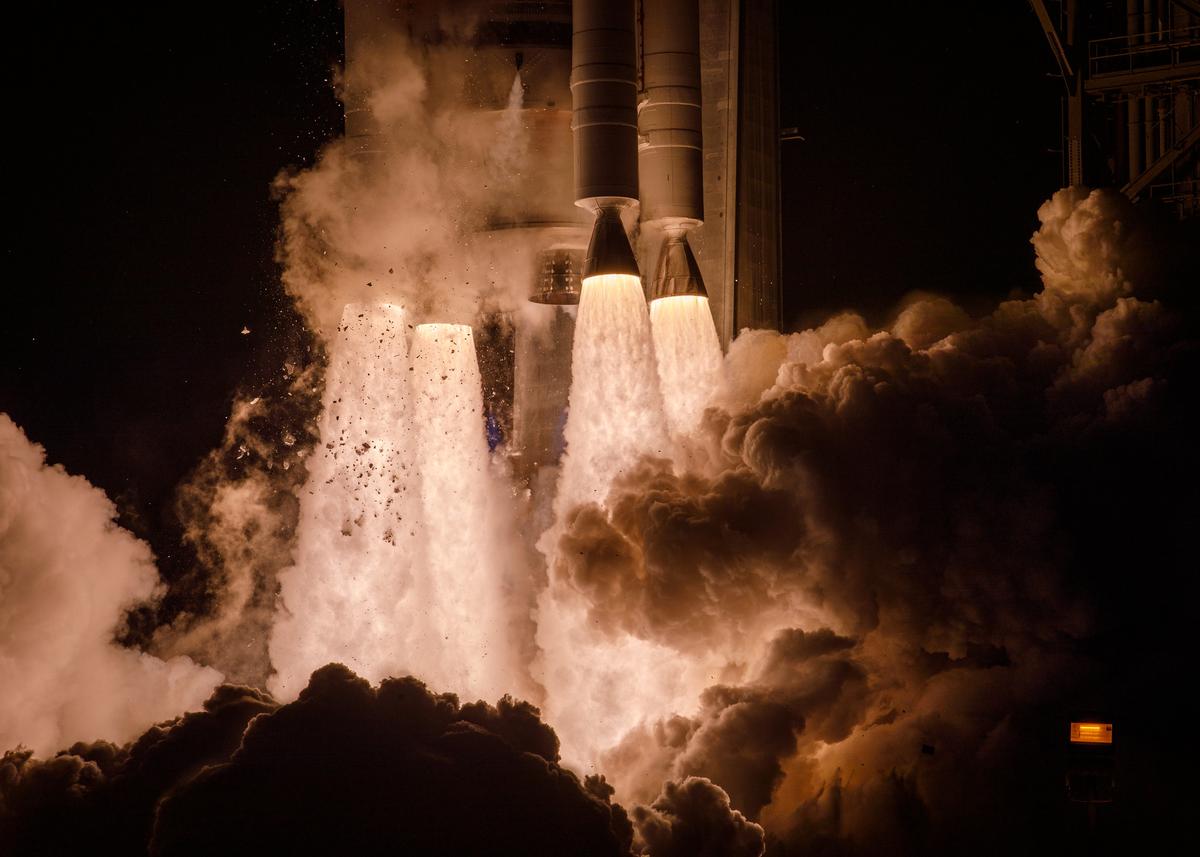
Northrop Grumman disclosed a $71 million charge in its fiscal first quarter tied to an anomaly with the GEM 63XL solid‑rocket booster used on United Launch Alliance’s Vulcan Centaur. The problem originated from a February launch where debris shed from one of four...

Transport Minister Steven MacKinnon Introduces Canadian Space Launch Act
Transport minister Steven MacKinnon has tabled the Canadian Space Launch Act, giving the federal government authority to regulate launch and re‑entry activities on Canadian soil. The legislation is designed to provide regulatory certainty, spur investment, and support infrastructure aligned with...
Apollo 17 Astronaut Dr. Harrison H. Schmitt to Receive the Inaugural NSS Apollo Legacy Award at the NSS ISDC Conference
The National Space Society announced its inaugural Apollo Legacy Award, presented to Dr. Harrison H. Schmitt, the last Apollo astronaut to walk on the Moon. The award will be given at the 44th International Space Development Conference in McLean, Virginia,...
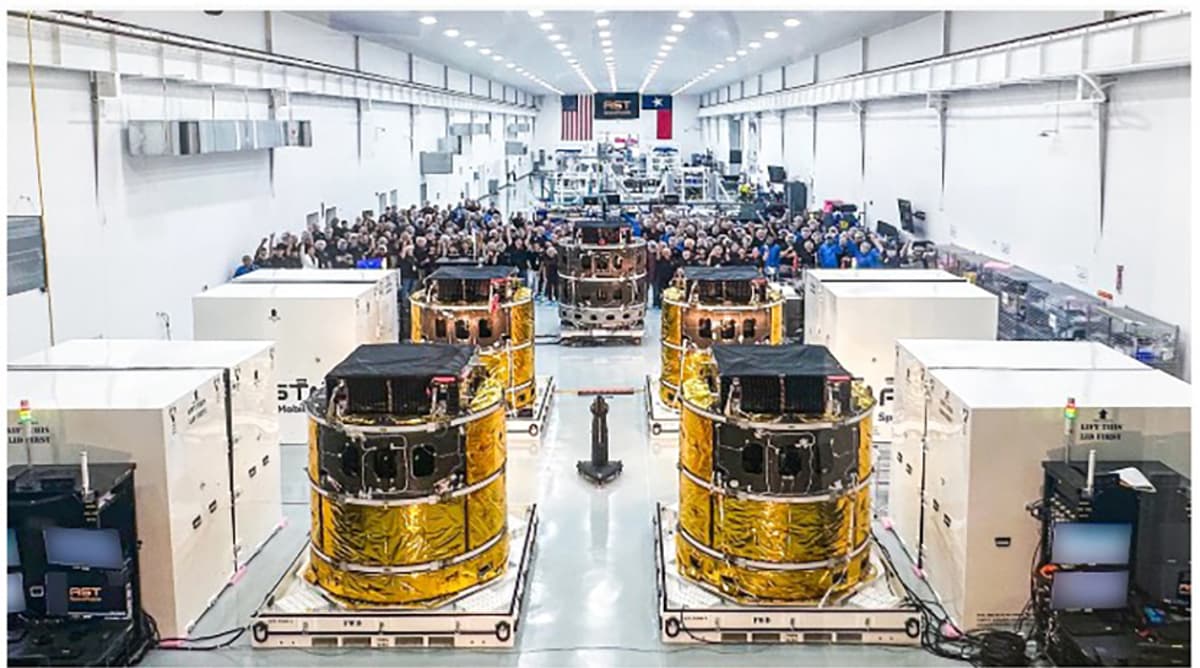
FCC Grants AST SpaceMobile Authority for 248-Satellite Constellation and Direct-to-Cell Service
The FCC issued Order DA 26‑391 on April 21, 2026, granting AST SpaceMobile permission to launch and operate a 248‑satellite non‑geostationary constellation. The authorization expands the company’s original five‑satellite test‑bed to include 223 additional satellites, enabling direct‑to‑cell service that lets standard smartphones connect to...

Trump Taps Raytheon Executive for Top Military Space Acquisition Post
President Donald Trump nominated Raytheon executive Erich Hernandez‑Baquero as assistant secretary of the Air Force for space acquisition and integration. The role, created in 2020, oversees the Pentagon’s satellite, ground‑system and data‑network procurement and aligns closely with the U.S. Space...

Satellite Services for Border Security
Border agencies across Europe are moving from owning satellites to purchasing recurring satellite‑service outputs such as imagery, ship‑tracking, secure communications, and authenticated navigation. The shift is driven by the need for persistent, all‑weather coverage over remote land, sea and desert...

Space Force Seeks Bigger Operational Footprint With 4 New Ops Centers
The U.S. Space Force is seeking $1 billion in the FY 2027 budget to construct four new space operations centers, each costing roughly $250 million. The facilities will be sited at Kirtland AFB (New Mexico), Redstone Arsenal (Alabama), Schriever SFB (Colorado) and Grand Forks...

NASA Invites Media to Jordan Artemis Accords Signing Ceremony
NASA will host a signing ceremony on April 23 for the Hashemite Kingdom of Jordan to become the 63rd nation to join the Artemis Accords. The event, held in the James E. Webb Memorial Auditorium at NASA Headquarters, is in‑person...
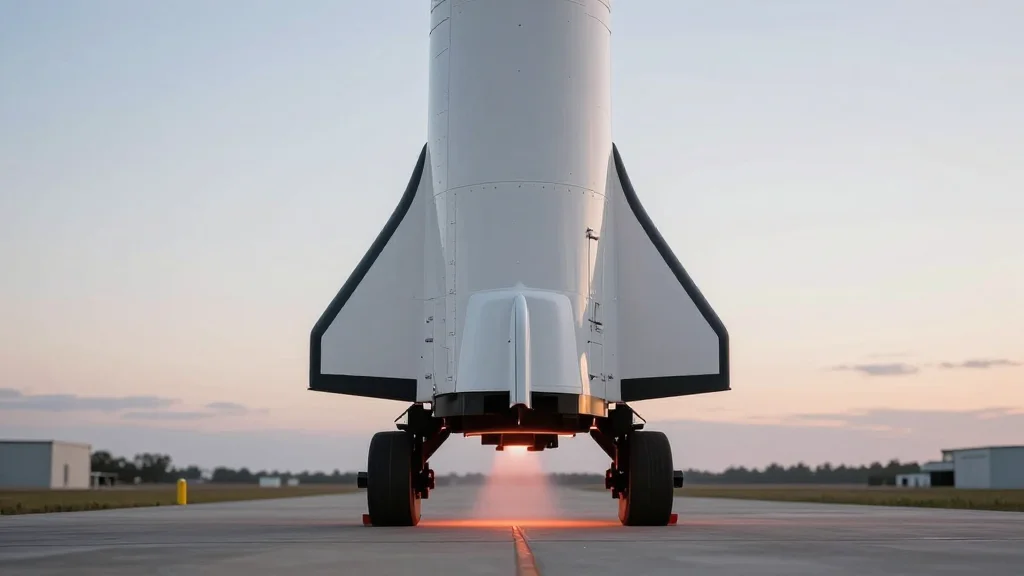
Space Capabilities Underpin Global Security Strategies
The recent SATShow Week highlighted how space, though not formally labeled critical infrastructure, underpins everyday life and global security. Experts at Via Satellite’s Cyber and Defense Special Edition stressed that Europe’s response to Russian aggression may be too slow, prompting...

Canada Tables Bill C-28 to Enact the Canadian Space Launch Act and Regulate Spaceflight
The Liberal government introduced Bill C‑28, amending the Aeronautics Act to enact the Canadian Space Launch Act and provide a dedicated regulatory regime for commercial launch and re‑entry from Canadian soil. The move follows a $200 million CAD (≈$148 million USD) ten‑year...
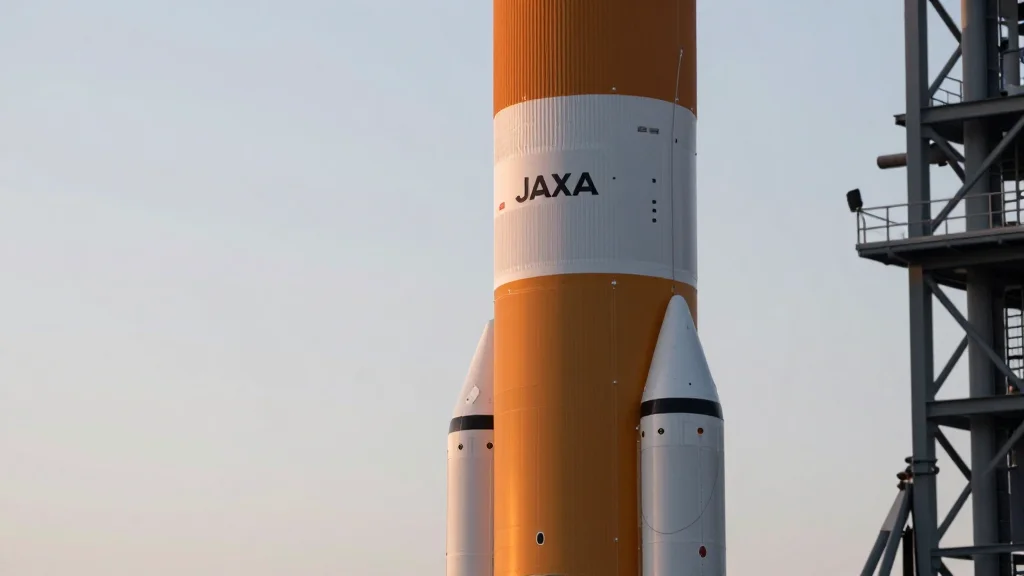
Japan to Do Test Launch of Its H3 Rocket in June
Japan’s space agency JAXA announced a test launch of its H3 launch vehicle on June 10, 2026, carrying a dummy satellite to validate recent design changes. The launch follows the December 2025 failure of the eighth H3, which investigators linked...

Volotea and Immfly to Launch Next-Gen High-Speed Connectivity for Enhanced Inflight Experience
Volotea and Immfly announced a joint rollout of next‑generation inflight connectivity, beginning with a trial of Gogo’s ESA antenna on the Eutelsat LEO satellite constellation slated for the second half of 2026. The high‑speed, low‑latency link will be installed on...
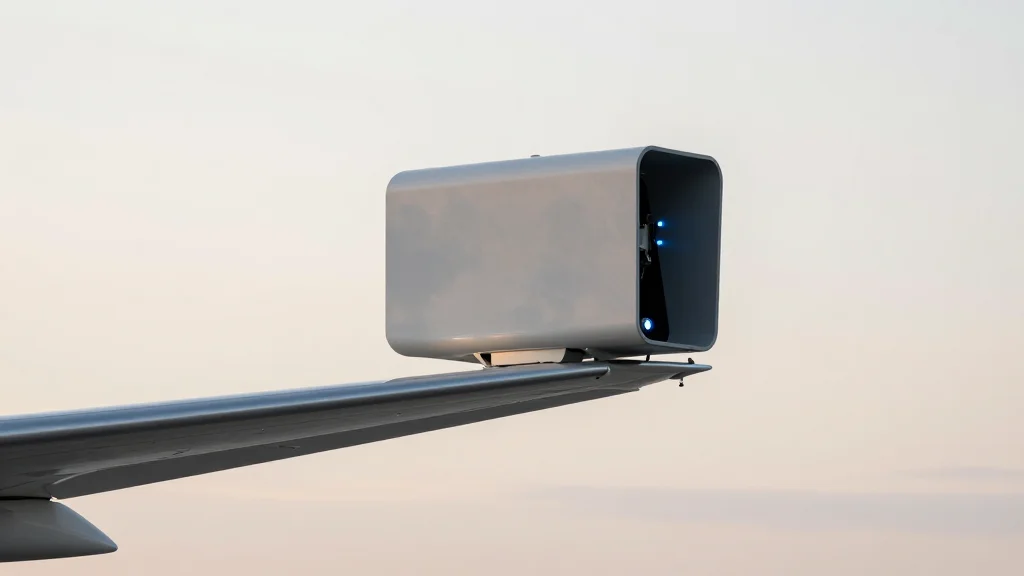
Intellian Details New Terminals for Aviation and WGS Network
Intellian Technologies unveiled two new satellite terminals at SATShow Week: the OW11FA, its first aviation‑focused flat‑panel terminal delivering up to 195 Mbps and sub‑100 ms latency on OneWeb’s Ku‑band network, and the ARC‑M4‑L24, a tactical flyaway system for Wideband Global Satcom (WGS)...