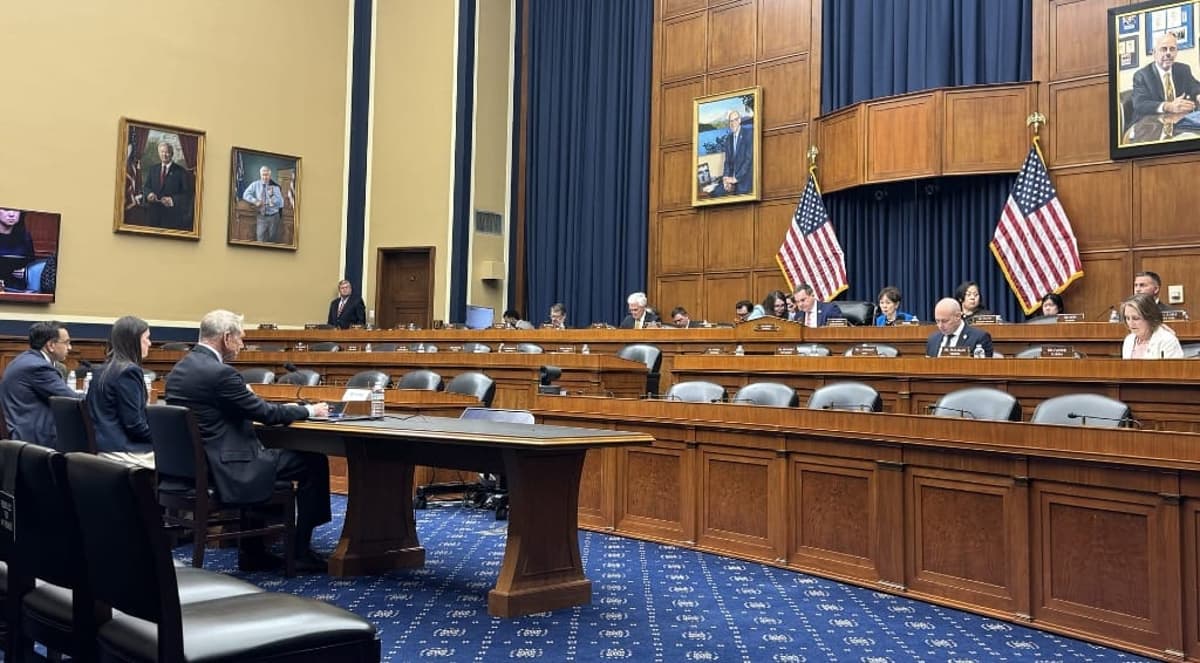
Lawmakers Weigh Satellite Licensing Overhaul Amid Growing Demand
Why It Matters
Accelerating satellite licensing will lower deployment costs, speed broadband rollout to remote regions, and help the United States maintain a strategic edge in the global space communications market.
Key Takeaways
- •SAT Streamlining Act gives FCC clearer GEO and NGSO authority.
- •One‑year deadline forces FCC to decide satellite applications promptly.
- •Proposed “assembly line” framework aims to speed approvals.
- •Industry warns delays increase costs and hinder U.S. innovation.
- •China, EU advancing coordinated satellite regulations challenge U.S. lead.
Pulse Analysis
The surge in demand for space‑based communications has exposed the shortcomings of a licensing regime rooted in the 1934 Communications Act. Companies deploying large constellations face a fragmented approval process that can stretch for years, driving up legal fees and delaying service launches. As satellite broadband becomes a cornerstone for bridging the digital divide, regulators are under pressure to streamline procedures without sacrificing oversight.
The SAT Streamlining Act seeks to address these pain points by granting the FCC explicit jurisdiction over both geosynchronous and non‑geostationary orbit assets, as well as associated ground stations. A mandatory one‑year decision window forces the agency to move more decisively, while the proposed “assembly line” model standardizes routine filings, reducing uncertainty for operators. Stakeholders such as Iridium’s regulatory chief stress the need for a balanced approach that preserves deliberative review, yet many industry lawyers argue that predictability alone can cut billions in compliance costs.
Beyond domestic benefits, the legislation carries strategic weight. China’s rapid rollout of satellite constellations and the EU’s coordinated regulatory framework illustrate a competitive landscape where speed translates to market share and geopolitical influence. By modernizing its licensing process, the United States aims to retain leadership in satellite communications, ensuring that remote American communities receive reliable broadband while safeguarding national security interests tied to space infrastructure.
Lawmakers Weigh Satellite Licensing Overhaul Amid Growing Demand
Comments
Want to join the conversation?
Loading comments...