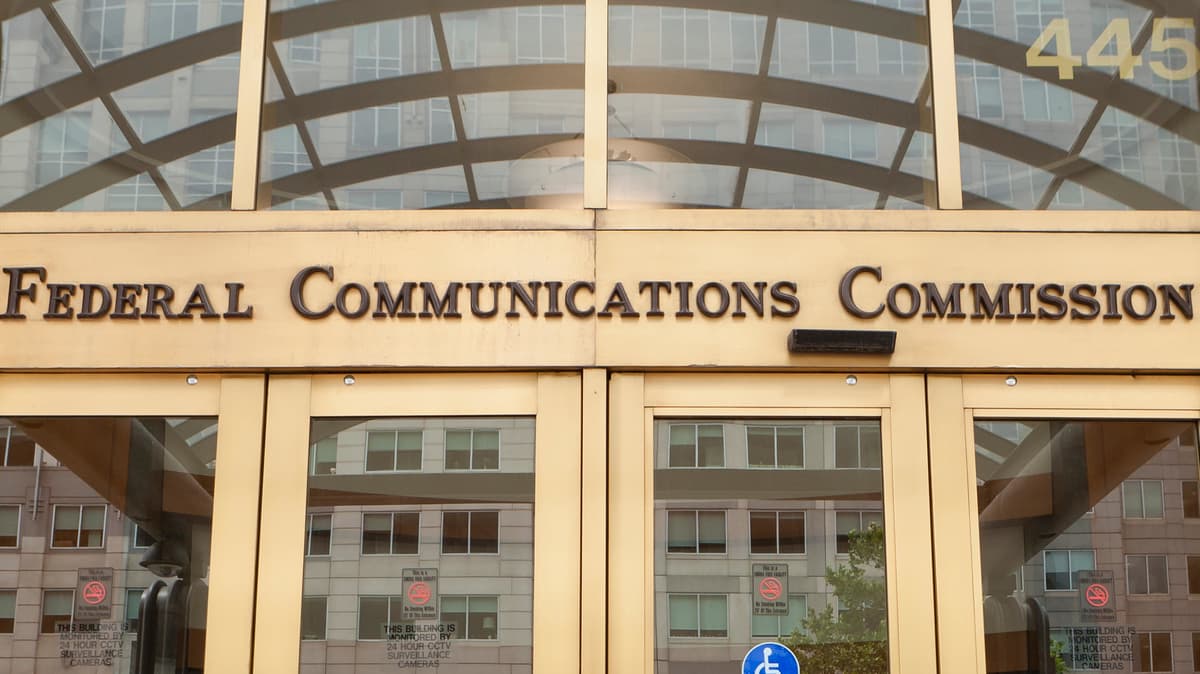
FCC Greenlights AST SpaceMobile's Satellite Broadband Service
Companies Mentioned

Why It Matters
FCC approval validates AST’s ability to coexist with terrestrial carriers, unlocking a new layer of mobile broadband that could diversify network options for U.S. operators and first responders. It also signals a broader industry shift toward satellite‑direct‑to‑cell services.
Key Takeaways
- •FCC approval enables AST to launch 248 LEO satellites for direct‑to‑phone service
- •AT&T, Verizon and FirstNet can integrate AST’s network with sub‑1 GHz spectrum
- •AST’s larger Bluebird payload offers higher throughput but slower launch cadence
- •Recent launch mishap delayed Bluebird 7, highlighting operational risks
- •Competition from Starlink and Amazon Leo pressures AST to accelerate commercial rollout
Pulse Analysis
The FCC’s green light for AST SpaceMobile marks a pivotal moment in the evolution of satellite‑based mobile broadband. By authorizing a 248‑satellite low‑Earth‑orbit network that can connect directly to off‑the‑shelf smartphones, regulators are effectively extending the reach of cellular infrastructure beyond terrestrial towers. This regulatory endorsement not only clears technical hurdles such as interference management but also creates a template that other jurisdictions may adopt, accelerating global rollout of direct‑to‑cell services.
AST’s approach hinges on its Bluebird satellites, which feature a 2,400‑square‑foot communications array—substantially larger than competing payloads. The oversized antenna promises higher data throughput with a relatively modest constellation, yet its mass and size limit launch frequency. A recent setback, when Bluebird 7 was placed in an incorrect orbit and subsequently de‑orbited, underscores the operational risks inherent in scaling a novel architecture. Balancing the need for rapid deployment with the complexities of heavy satellite manufacturing will be critical as AST targets a commercial launch window later this year.
From a market perspective, AST’s entry intensifies competition among the few players vying to deliver space‑based cellular connectivity. Partnerships with AT&T, Verizon and FirstNet give AST a foothold in the U.S. carrier ecosystem, offering an alternative to T‑Mobile’s Starlink‑derived service and diversifying options for emergency communications. However, rivals such as SpaceX’s Starlink and Amazon’s Leo already command larger constellations and more frequent launches. AST must accelerate its deployment schedule while demonstrating reliable performance to capture a meaningful share of the emerging direct‑to‑cell market, a challenge that will shape the next wave of mobile broadband innovation.
FCC greenlights AST SpaceMobile's satellite broadband service
Comments
Want to join the conversation?
Loading comments...