🎯 Today's Telecom Pulse

Coalition of Tech Giants Pushes Back Anthropic’s Subsea Cable AI Concerns
Anthropic warned that subsea cable operators might throttle or manipulate AI workloads, prompting the International Connectivity Coalition—backed by Amazon, Meta, Microsoft and Verizon—to label the claim technically incorrect and warn it would create redundant regulation. The coalition emphasized that existing FCC safeguards already protect against such manipulation. Anthropic is valued at roughly $965 billion.
Also developing:
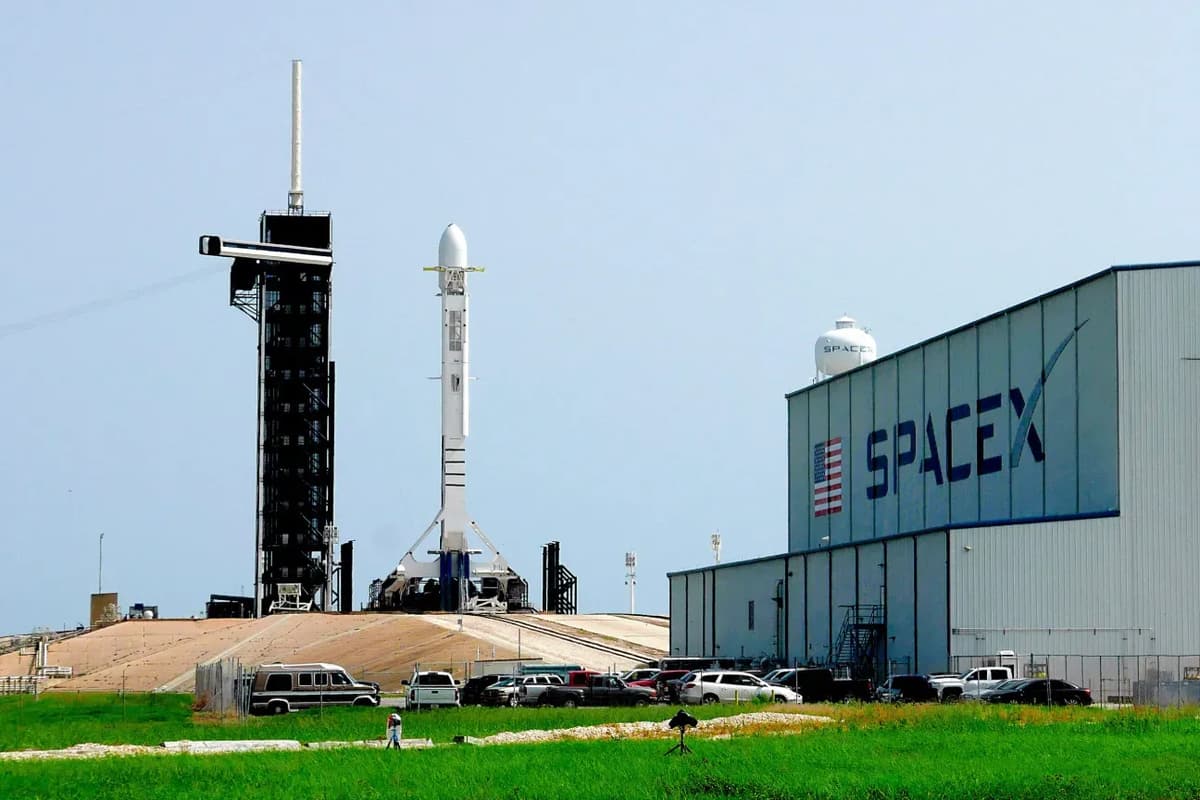
By the numbers: SpaceX announces $50B-$75B IPO
🚀 Top Telecom Headlines

Comcast Business Supports Advanced Technology Infrastructure at Levi’s Stadium for Fan Experience, Venue Operations
Comcast Business has detailed the advanced network infrastructure it has deployed at Levi’s Stadium, home of the San Francisco 49ers – one of the most technologically-enabled venues in professional sports. The […]
Sports Video Group (SVG)

Bermuda Moves NUVEM, SOL Toward Cable Licenses
Notice of Proposed Grant of Conditional Submarine Cable Licences By Regulatory Authority of Bermuda May 25, 2026 The Regulatory Authority of Bermuda (Authority) has received two submarine cable licence applications under Part 6 of the Submarine Communications Cables Act 2020 (SCCA). The applicant for the two submarine cable licences (to land and operate a submarine [...] The post Bermuda Moves NUVEM, SOL Toward Cable Licenses appeared first on SubTel Forum.
SubTel Forum

FCC Issues Violation Notices to Two Co-Owned Illinois Stations
The pair had tower structure infractions The post FCC Issues Violation Notices to Two Co-Owned Illinois Stations appeared first on Radio World.
Radio World
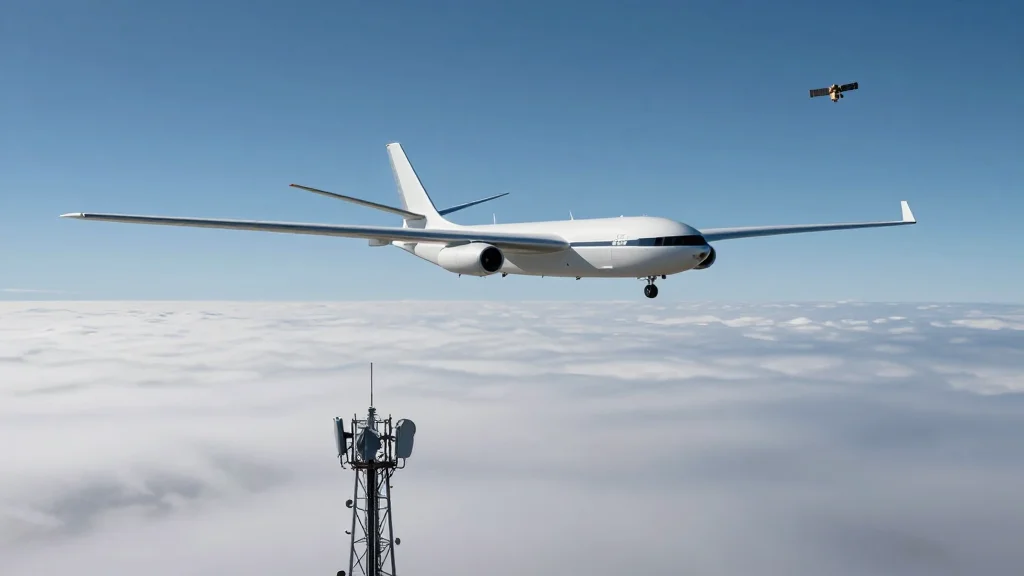
The Stratosphere Race: HAPS Move From Experiment to Commercial Reality
Autonomous high-altitude platform stations are getting ready to bridge ground networks and LEO satellites. The post The Stratosphere Race: HAPS Move from Experiment to Commercial Reality appeared first on EE Times.
EE Times – Designlines/AI & ML
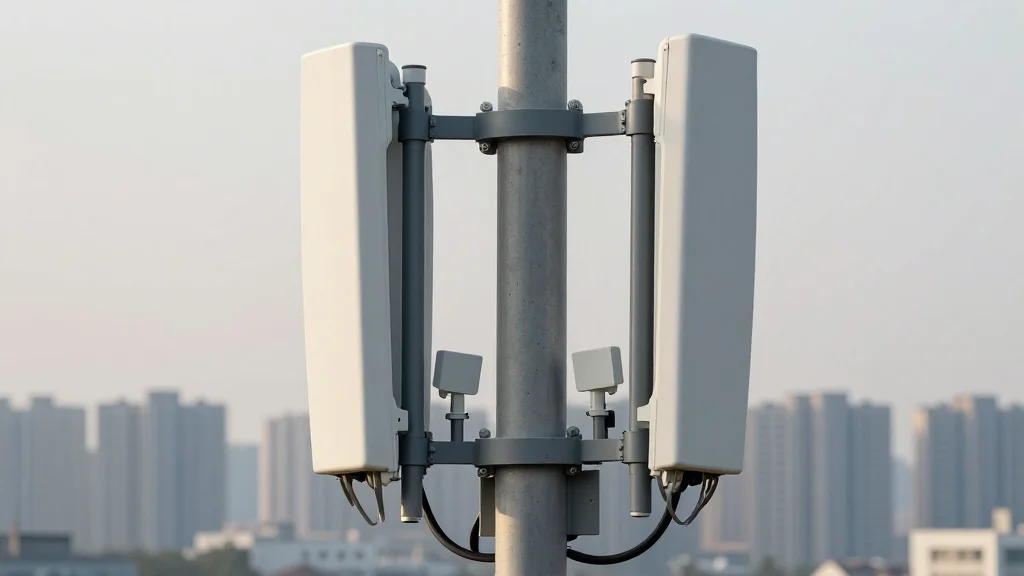
Samsung and LG Uplus Want to Turn Cell Towers Into Radar for 6G
Samsung Electronics and LG Uplus signed a memorandum of understanding on 27 May to jointly develop Integrated Sensing and Communication, or ISAC, a technology that would allow mobile network base stations to double as environmental sensors. The agreement was signed at LG Science Park in Magok, Seoul, with Samsung Research, the advanced R&D division within […] This story continues at The Next Web
The Next Web (TNW)
💬 Top Telecom Social Posts
Tweet by @Techradar
AT&T gets into a legal spat with California over legacy phone network maintenance rules https://t.co/lWAm2akC5a