
Saily eSim Review & Tutorial - Best eSim in 2026
The video reviews Saily, a travel‑focused eSIM service positioned as the best option in 2026, and walks viewers through a step‑by‑step setup on both iPhone and Android devices. Saily covers more than 150 countries with data‑only plans starting at $3.99 for one gigabyte over seven days. Regional bundles begin around $4.99, while the premium Saily Ultra tier offers unlimited global data and full NordVPN protection for $59.99 a month. Unique features include a built‑in ad blocker that can save roughly 30% of data, web‑security filtering, virtual‑location masking, and unlimited hotspot sharing at no extra cost. The presenter highlights that the service is backed by the same company behind NordVPN, emphasizing security and privacy. He notes that the ad‑blocking and security suite are included in every plan, and that the unlimited hotspot distinguishes Saily from competing eSIM apps that charge extra for tethering. Real‑world examples, such as using the QR code for a 15% discount and disabling the primary SIM to avoid roaming fees, illustrate practical benefits. For frequent travelers and digital nomads, Saily promises cost‑effective connectivity without hidden fees, while also delivering privacy tools typically reserved for premium VPN services. Its straightforward pricing, extensive coverage, and bundled security features could shift market expectations for travel eSIM solutions, making it a compelling choice for anyone seeking reliable, low‑cost data abroad.

Splicing & Dynamic Positioning
The video explains how ships performing undersea cable repairs rely on a dynamic positioning (DP) system to maintain exact location while splicing fiber links. DP continuously ingests GPS data, weather forecasts and sea‑state information, then commands thrusters to counteract drift, preventing...
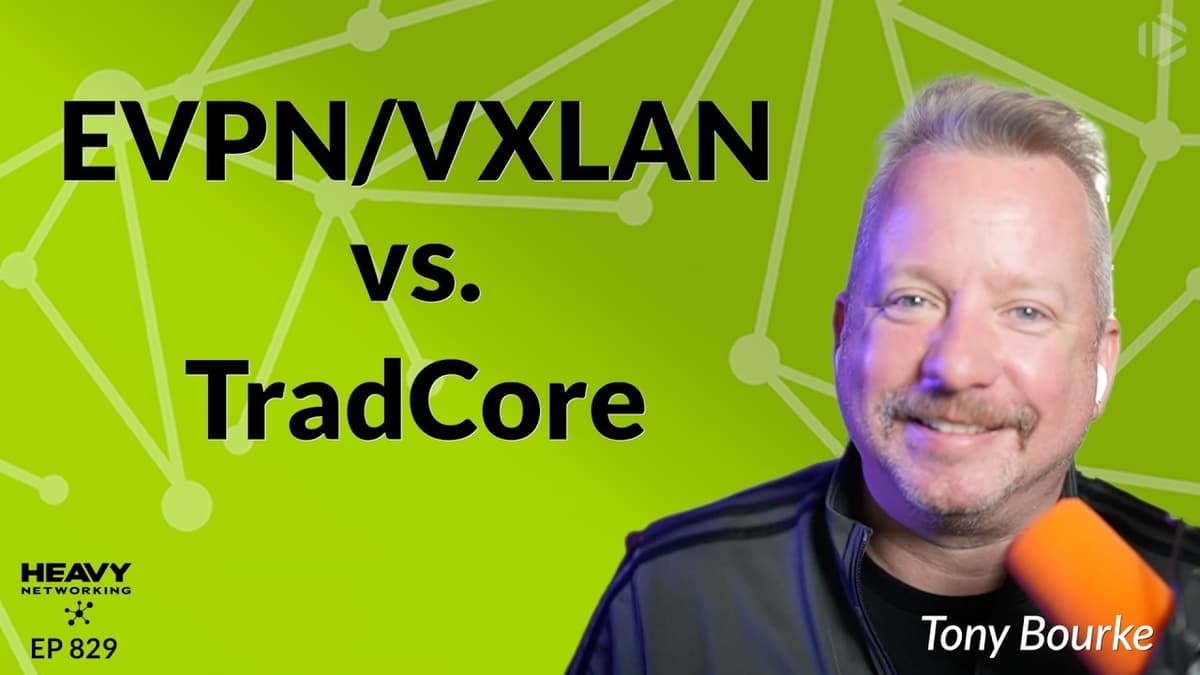
EVPN/VXLAN Vs. TradCore
The hosts and guest compare traditional core ("trad core") three-tier designs—SVIs, VLANs and spanning tree—with EVPN/VXLAN overlays for data centers and campuses. Trad core remains simple, familiar and effective for many networks, while EVPN/VXLAN offers massive segment scaling, workload mobility,...
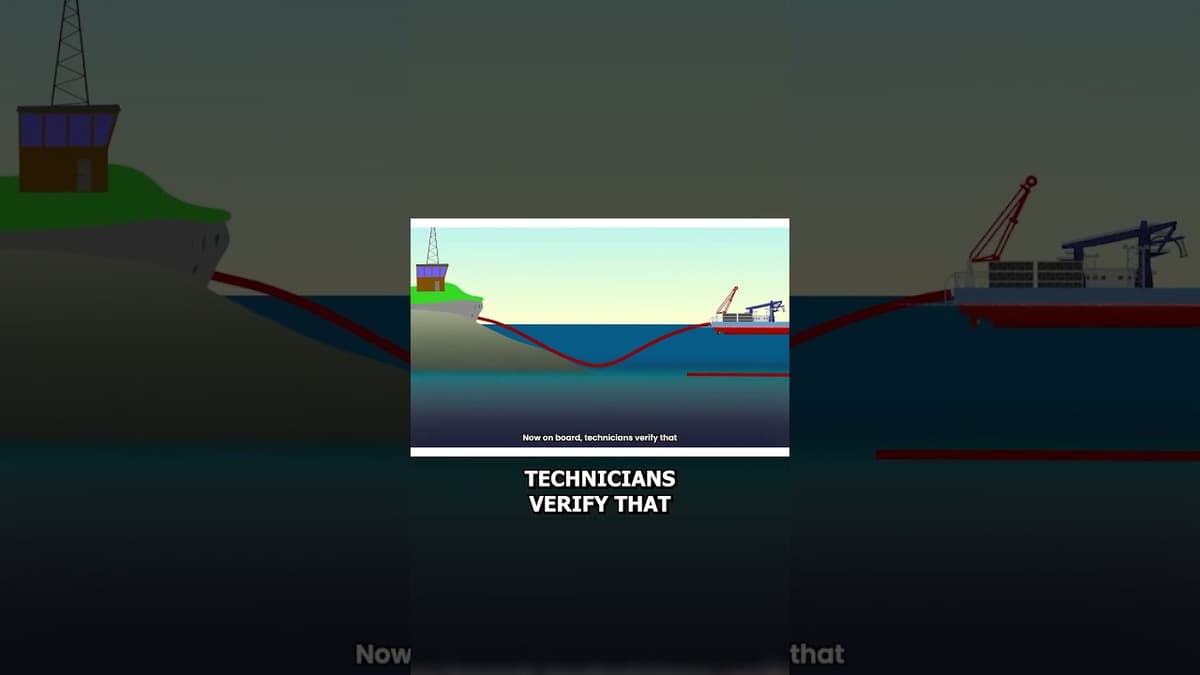
The Internet Cable Breaks Every Week!
Although undersea internet cables are engineered to last 25 years, they sustain frequent damage — on average two to four breaks globally each week. Outages are rarely felt by users because repair ships rapidly locate faults, cut and retrieve the...
Can Iran Control Internet Cables in the Gulf? || Peter Zeihan
The video examines Iran’s push to assert control over undersea data cables that traverse the Strait of Hormuz, arguing that Tehran could charge a transit fee for any internet traffic entering or leaving the Persian Gulf. Zeihan notes that while thousands...

Autonomous Network Management (ANM) | The Future of AI-Driven Telecom Networks by TelcoLearn
TelcoLearn’s Autonomous Network Management (ANM) platform reimagines the traditional network operations center by embedding AI agents that continuously monitor the radio access network (RAN), core functions, and transport infrastructure. Instead of engineers manually sifting through thousands of alarms, the...

T-Mobile | Nasty Outage ⁉️🚨😳 Not Good ⁉️ T-Mobile Took A Risk 🚨
A major outage struck the Lumos fiber network, marketed as T-Mobile’s T‑Fiber, with hundreds of reports peaking around 1:00 a.m. ET on May 28 and service interruptions lasting up to 12–16 hours for some customers. Although T-Mobile does not operate...
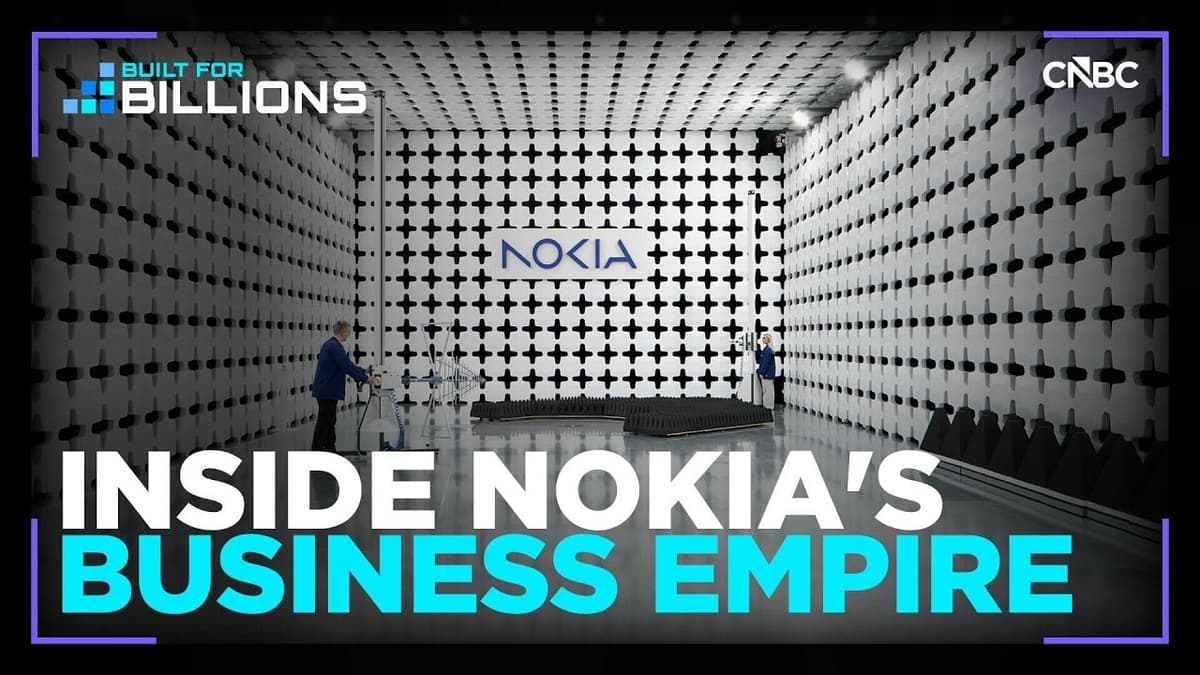
Inside Nokia’s New Money Machine
The video examines Nokia’s strategic reinvention from a consumer‑focused handset maker into a global telecom‑infrastructure powerhouse. After selling its mobile phone division to Microsoft in 2013, Nokia doubled down on its network expertise, leveraging decades of patents and engineering talent. Key...
The Never-Ending Prefix Debate: Revisiting Best Current Practices
Speakers reviewed a draft BCP that updates long-standing IPv6 prefix practices for operators, arguing many legacy rules of thumb no longer apply. The draft clarifies prefix choices for point-to-point links, site addressing, and numbering strategies—notably downgrading the urgency of special-case...

NTN Success Hinges on Ecosystem Integration: Skylo
Skylo CTO Andrew Nutell says non-terrestrial networks (NTN) are moving from proofs of concept to commercial rollouts, but the primary obstacles are not radio physics so much as ecosystem alignment and interoperability. He argues that standards-based interfaces—rooted in 3GPP and...
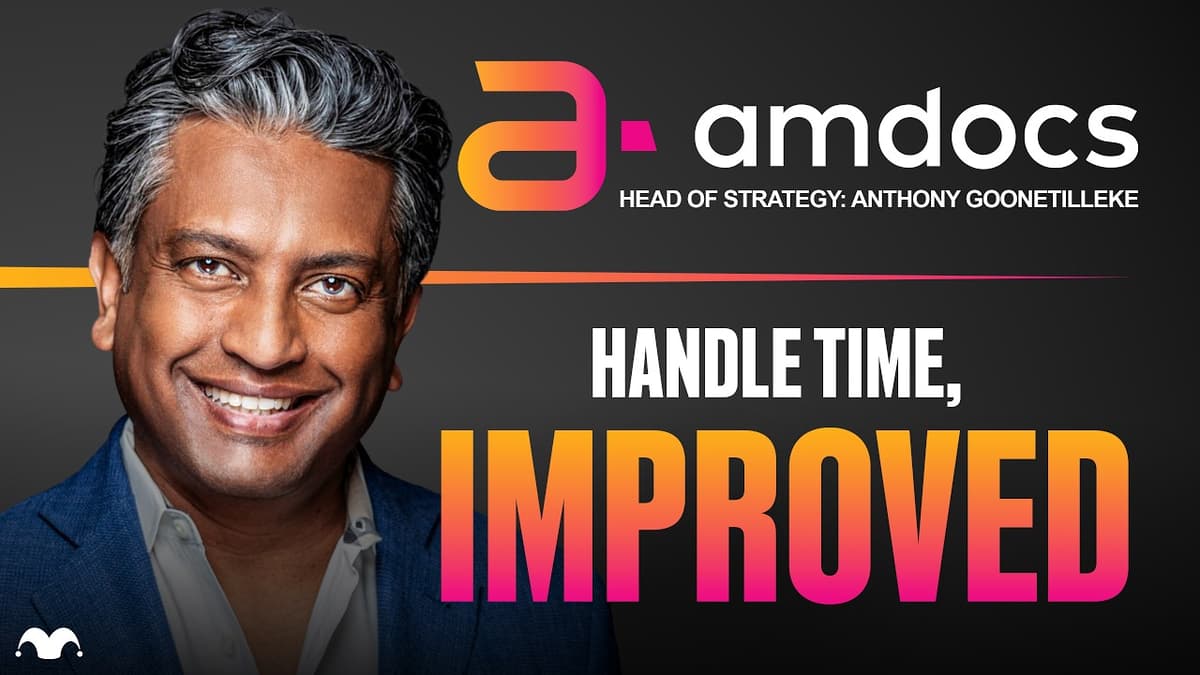
From 14 Minutes to 45 Seconds: Amdocs' Agentic OS Bet on the $60B AI Telco Market
Amdocs is betting on the emerging "agentic" era, launching its Agentic Operating System (AOS) to capture a roughly $60 billion AI‑driven telecommunications market. The company, long a backbone provider for carriers, is positioning AOS as a carrier‑grade, generative‑AI layer that unifies...
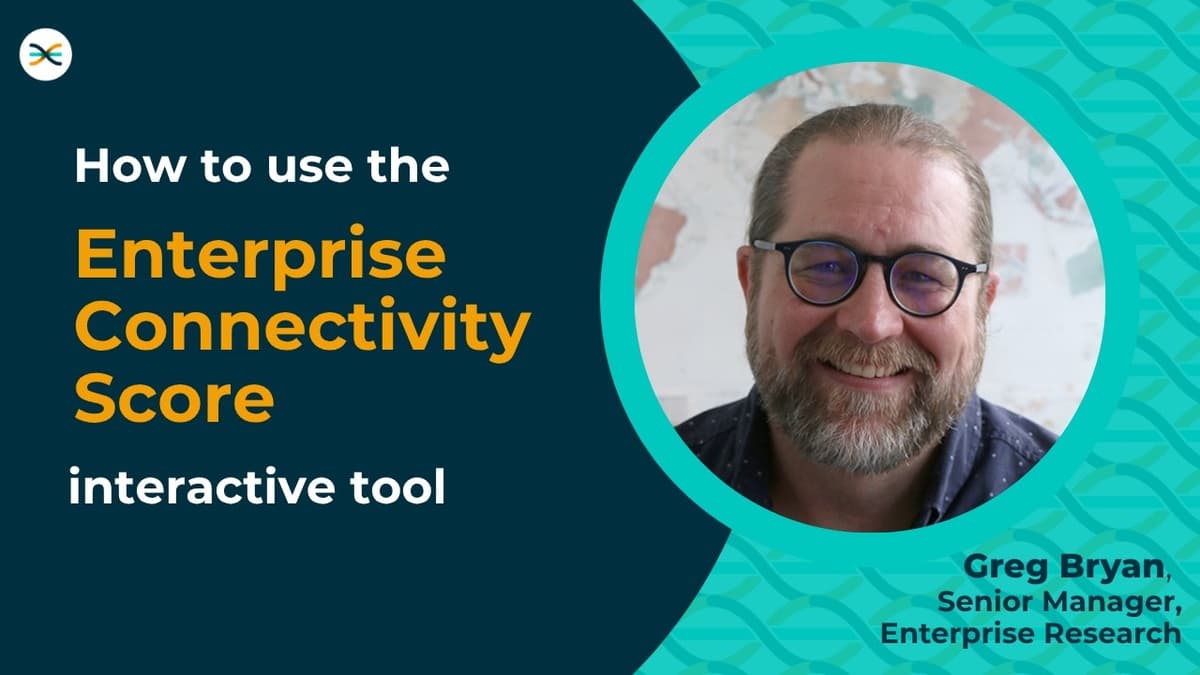
How to Use TeleGeography's Enterprise Connectivity Score Interactive Tool
TeleGeography's Enterprise Connectivity Score (ECS) is an interactive tool that aggregates data from cloud and WAN products, pricing, data centers, local access, and governance to rank 3,000 metro markets or 191 countries for enterprise and carrier planning. Users can filter...

PANEL: Should We Be Concerned About Europe’s Laggard Status Regarding 5G SA?
Panellists agreed Europe has lagged global peers on 5G standalone (SA) adoption—UCLA data cited roughly 2% of European speed tests on SA last year versus over 80% in China, 50% in India and 20% in the U.S.—but described the gap...

Fixing AI Hallucinations in Network Operations with Arista Ava | Ken Duda
The video discusses how Arista’s AI assistant, Ava, tackles the persistent problem of large‑language‑model hallucinations in network‑operations contexts. By grounding the model in actual documentation rather than allowing it to answer from memory, Arista aims to make AI outputs reliable...

How Arista Reengineers Campus Network Reliability | Todd Nightingale
Arista—long known for high-performance data-center networking—has methodically expanded into campus and Wi‑Fi markets by emphasizing reliability as much as raw performance, says Todd Nightingale. Customers report that Arista’s focus on dependable systems delivers higher application availability and substantially lowers operational...