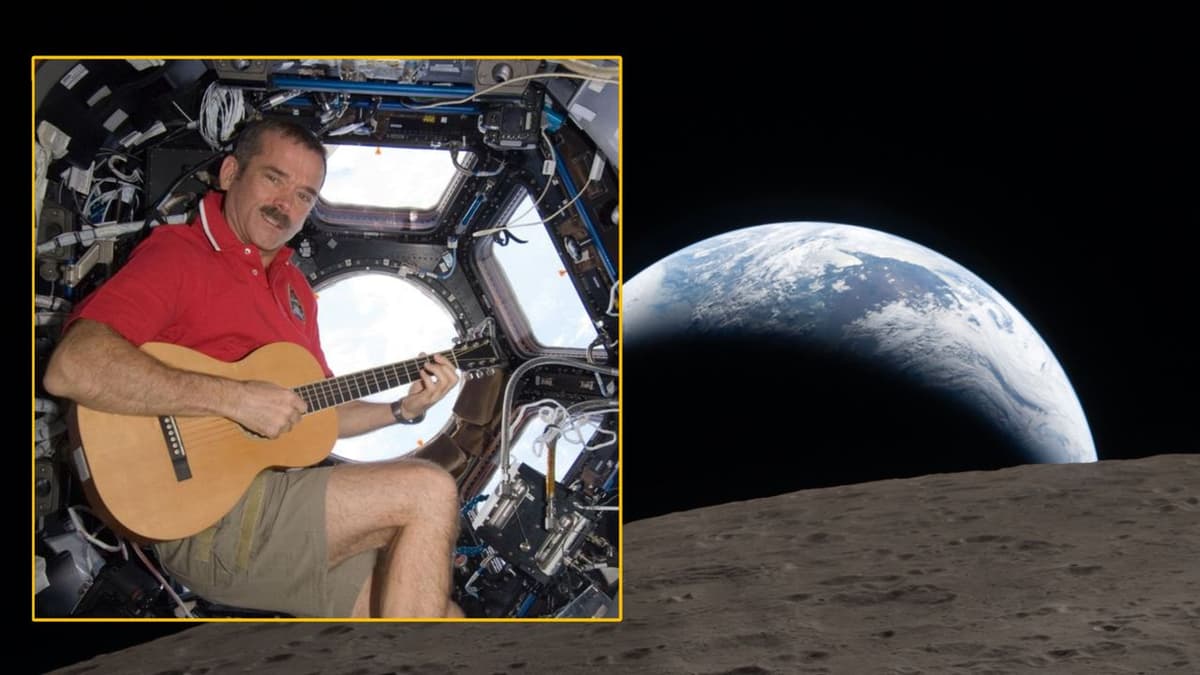
'Strong, Undeniable Public Examples of Something Positive': Astronaut Chris Hadfield on Why Artemis II Hit Him Hard, and Why We Need to Send a Guitar to the Moon
Why It Matters
Artemis II’s resonance with iconic astronauts bolsters public support, crucial for funding and political backing. Adding cultural artifacts like a guitar could broaden outreach, making space exploration more relatable.
Key Takeaways
- •Chris Hadfield says Artemis II resonates personally.
- •He highlights Artemis as proof of public commitment to risk.
- •Hadfield proposes sending a guitar to the Moon as cultural symbol.
- •Spaceflight inspires global unity, akin to Apollo 8 era.
- •Public engagement rises when missions include artistic elements.
Pulse Analysis
NASA’s Artemis II marks the first crewed flight of the Orion capsule, slated for launch in late 2024. As the agency’s flagship lunar program, Artemis aims to return humans to the Moon’s surface by 2025 and establish a sustainable presence. The mission’s high‑visibility profile, featuring a multinational crew and advanced propulsion, is designed to rekindle the excitement of the Apollo era while demonstrating modern capabilities such as deep‑space navigation and reusable launch systems. By positioning Artemis II as a stepping stone toward a permanent lunar gateway, NASA hopes to secure long‑term political and commercial investment.
Chris Hadfield, a former commander of the International Space Station and a prolific social‑media communicator, has become an unofficial ambassador for Artemis. In recent interviews, he likened the emotional impact of Artemis II to Apollo 8, the 1968 mission that first showed Earth from lunar orbit and unified a generation. Hadfield argues that when celebrated astronauts publicly endorse a mission, it validates the risk and inspires confidence among taxpayers and policymakers. His perspective underscores the importance of human stories in a field often dominated by technical jargon, reminding stakeholders that spaceflight is as much about human courage as it is about engineering.
The proposal to send a guitar to the Moon adds a cultural dimension to the scientific narrative. Historical precedents—such as the Voyager Golden Record, the Beatles’ “Across the Universe” transmission, and musicians performing aboard the ISS—show that artistic artifacts can capture public imagination and create lasting symbolic value. A guitar on the lunar surface would serve as a tangible reminder that exploration is a human endeavor, blending art, music, and science. This kind of outreach could attract new audiences, stimulate educational programs, and potentially open commercial opportunities for artists and sponsors, reinforcing the broader goal of making space a shared cultural frontier.
'Strong, undeniable public examples of something positive': Astronaut Chris Hadfield on why Artemis II hit him hard, and why we need to send a guitar to the moon
Comments
Want to join the conversation?
Loading comments...