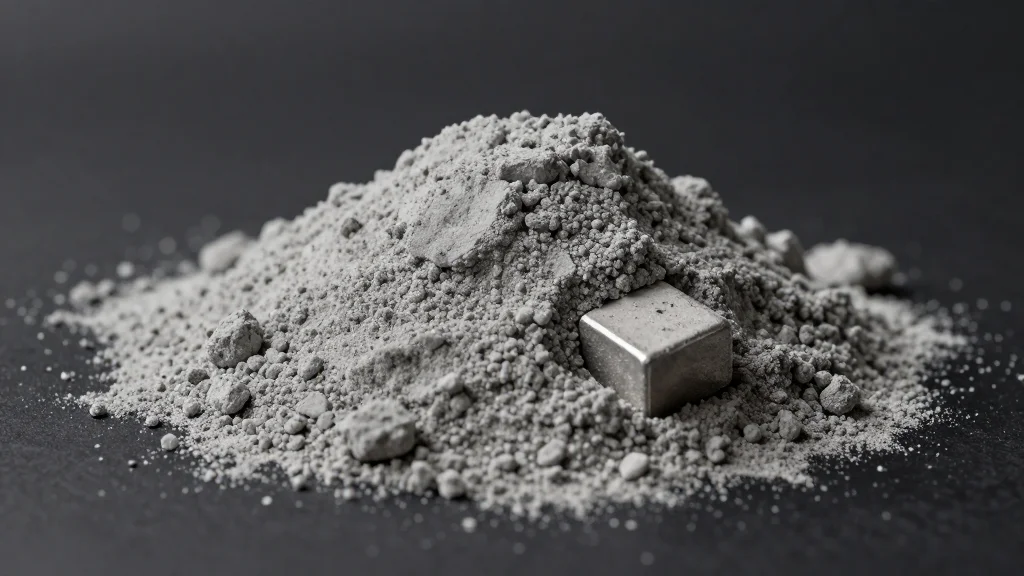
Moon Dust Could Stop Being a Nuisance and Start Reshaping How Humans May Build Beyond Earth
Why It Matters
In‑situ utilization of moon dust could dramatically lower launch mass and cost, making sustainable lunar habitats more feasible. The technology also opens new markets for advanced composites tailored to extraterrestrial environments.
Key Takeaways
- •Lunar regolith simulant boosts composite strength by up to 40%
- •Fiber‑reinforced polymers become lighter and tougher with dust reinforcement
- •In‑situ material use cuts launch mass and mission costs
- •Rice and Iowa State study appears on Advanced Engineering Materials cover
- •Approach could enable self‑sustaining lunar habitats
Pulse Analysis
The persistent challenge of lunar dust has long been framed as a hazard for equipment and astronaut health, prompting engineers to develop dust‑repellent coatings and filtration systems. However, the emerging field of in‑situ resource utilization (ISRU) encourages a paradigm shift: treating the regolith not as waste but as a raw material. By leveraging a terrestrial simulant that mimics the Moon’s fine, abrasive particles, the Rice‑Iowa State team demonstrated that this dust can serve as a reinforcing phase in high‑performance composites, aligning with broader ISRU strategies pursued by NASA and commercial partners.
Technical analysis reveals that embedding regolith particles into fiber‑reinforced polymer matrices enhances load‑bearing capacity, impact resistance, and fracture toughness. The reported 30‑40 percent performance uplift stems from the dust’s inherent hardness and its ability to arrest crack propagation at the microscale. Such composites retain the lightweight advantage crucial for launch economics while delivering durability needed for lunar habitats, radiation shields, and rover chassis. This material innovation dovetails with ongoing research into 3‑D‑printed regolith structures, suggesting a future where entire construction pipelines—from raw material extraction to finished components—are localized on the Moon.
From a business perspective, the ability to manufacture structural components on the lunar surface could slash the estimated $1.2 billion per metric ton cost of delivering materials from Earth. Companies eyeing lunar mining, tourism, and settlement projects stand to gain a competitive edge by integrating regolith‑based composites into their supply chains. Moreover, the technology’s applicability extends to Mars, where similar dust‑rich soils could be transformed into building blocks, opening a new frontier for the aerospace composites market and reinforcing the strategic value of advanced material research in the space economy.
Moon dust could stop being a nuisance and start reshaping how humans may build beyond Earth
Comments
Want to join the conversation?
Loading comments...