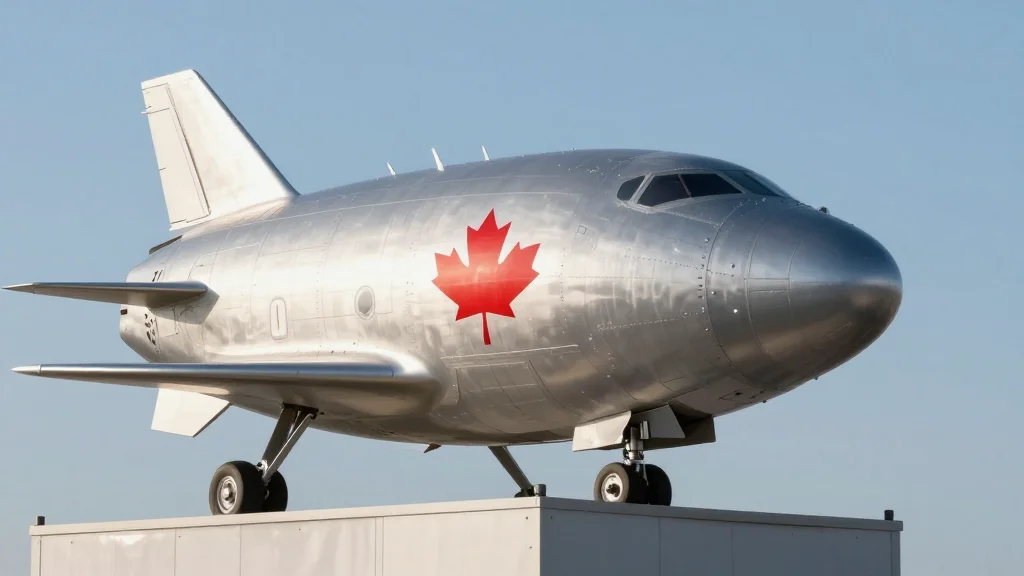
CSA Awards $5.4 Million in 2025 FAST Grants, Concentrating Capital on High-Value Projects
Why It Matters
By concentrating capital on fewer, larger projects, the CSA aims to accelerate breakthrough space research, but the reduced grant pool may limit opportunities for early‑career scientists and smaller institutions.
Key Takeaways
- •$5.4 M CAD (~$4 M USD) awarded to 15 university projects.
- •Category A caps rise to $450k CAD (~$330k USD) per grant.
- •No Category C micro‑grants awarded, signaling pipeline concerns.
- •Grant count dropped from 40 (2019) to 15 (2025).
- •Inflation‑adjusted caps remain comparable to 2017 levels.
Pulse Analysis
The Canadian Space Agency’s 2025 FAST grant cycle marks a decisive pivot toward high‑impact, capital‑intensive research. With $5.4 million CAD (about $4 million USD) funneled into 15 university projects, the CSA has raised Category A limits to $450,000 CAD and Category B to $300,000 CAD, while eliminating the low‑tier Category C awards. This restructuring counters the earlier volume‑driven approach that spread modest funds across dozens of smaller studies, acknowledging that modern aerospace hardware and graduate stipends have outpaced inflation since 2017.
Larger grants provide recipient teams—such as McGill’s metal‑combustion resource utilization study and Waterloo’s CryoSAR snow‑mass mission—with the budgetary flexibility to secure commercial flight services, develop custom payloads, and attract top talent. However, the contraction in grant numbers narrows the pipeline for emerging researchers, particularly undergraduates who previously relied on micro‑grants to gain hands‑on experience. The absence of Category C awards this year suggests that the $20,000 CAD ceiling may be insufficient to justify the administrative overhead, potentially stalling the cultivation of a broader talent base.
Strategically, the CSA’s focus on fewer, high‑value projects could sharpen Canada’s competitive edge in niche space technologies, aligning with global trends where nations prioritize flagship missions over dispersed experimentation. Yet, sustaining a vibrant ecosystem will require complementary funding mechanisms—perhaps through provincial partnerships or industry co‑investment—to ensure that the next generation of aerospace innovators can still access entry‑level research opportunities. Balancing depth with breadth will be key to maintaining Canada’s long‑term relevance in the rapidly evolving space sector.
CSA awards $5.4 million in 2025 FAST grants, concentrating capital on high-value projects
Comments
Want to join the conversation?
Loading comments...