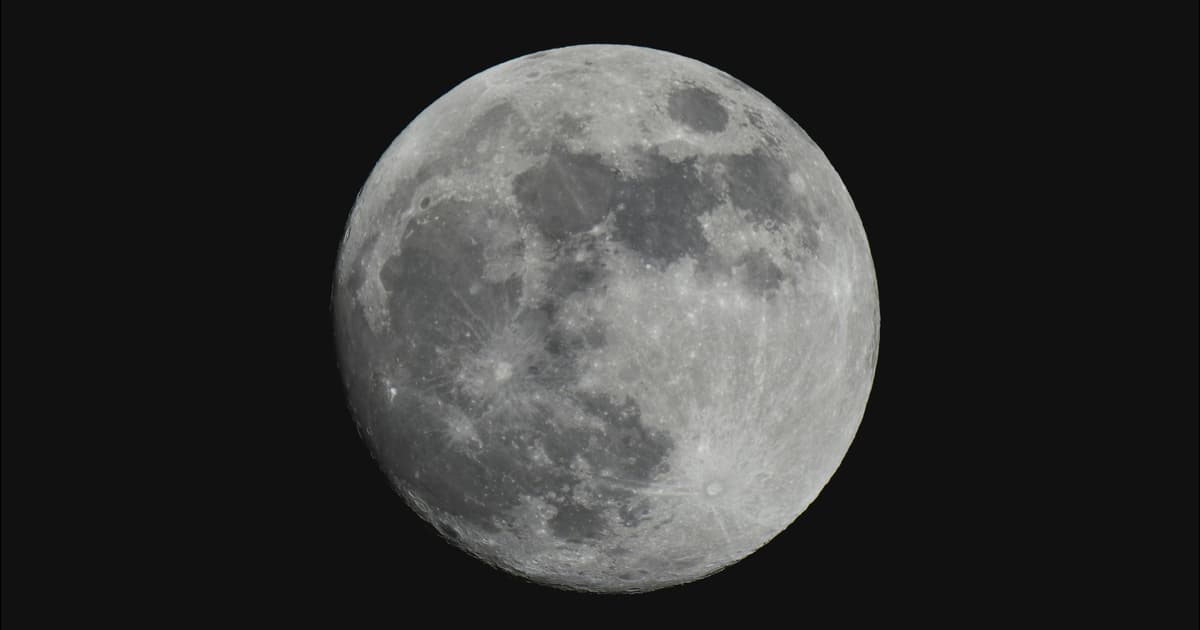
When NASA Deliberately Crashed Apollo Hardware Into the Moon, the Seismometers Left Behind Recorded Vibrations for Nearly an Hour — as if the Moon Itself Were Ringing Like a Bell
Why It Matters
The data provided the foundational constraints on lunar interior structure, informing current geophysical models and guiding future exploration strategies.
Key Takeaways
- •Apollo impacts acted as calibrated seismic sources for lunar studies
- •Lunar module impact vibrated for ~1 hour; third‑stage impacts up to 4 hours
- •Fractured megaregolith scatters energy, creating a high‑Q, long‑lasting signal
- •Moon’s dryness and lack of molten layers limit seismic absorption
- •Seismic records refute hollow‑Moon theories and underpin modern interior models
Pulse Analysis
NASA’s Apollo program did more than land astronauts; it turned the Moon into a giant laboratory. After the first short‑lived solar‑powered seismometer in 1969, later missions deployed passive seismic experiments powered by radioisotopes, forming a four‑station network on the near side. By deliberately steering empty ascent stages and massive Saturn V third stages into the lunar surface, engineers created controlled impacts with known energy, location, and timing—essential for interpreting how seismic waves travel through an alien body.
The recorded signals defied Earth‑based expectations. Unlike sharp P‑ and S‑wave arrivals from terrestrial quakes, the lunar impacts produced a diffuse swell that rose slowly, held, and decayed over minutes to hours. This behavior stems from the Moon’s megaregolith—a several‑kilometer‑deep layer of shattered rock and dust that scatters seismic energy in every direction. Coupled with an interior that is dry, cold, and largely solid, the Moon exhibits a high quality factor (high Q), meaning little energy is absorbed. Consequently, the seismic energy reverberates much longer, producing the “ringing like a bell” metaphor that captured public imagination.
Beyond the catchy phrase, the data reshaped scientific understanding. The long‑lasting coda proved the Moon is a solid, highly fractured body, not a hollow shell, and it supplied the first quantitative constraints on crustal thickness, mantle composition, and core size. These insights continue to inform modern missions such as Artemis and future lunar seismometer deployments, while also debunking pseudoscientific claims. Re‑analysis of the ALSEP archives remains a valuable resource for planetary geophysicists seeking to refine models of lunar evolution and to compare Earth‑Moon seismic behavior.
When NASA deliberately crashed Apollo hardware into the Moon, the seismometers left behind recorded vibrations for nearly an hour — as if the Moon itself were ringing like a bell
Comments
Want to join the conversation?
Loading comments...