NASA Unveils New Lunar Base Developments as Artemis Efforts Expand
Companies Mentioned

NASA
Why It Matters
The rover contracts translate Artemis’s long‑term lunar habitation goals into concrete assets, accelerating the United States’ path to a sustainable Moon presence and reinforcing its leadership in deep‑space exploration.
Key Takeaways
- •NASA awarded contracts for two lunar rovers to support astronaut mobility.
- •Rover contracts mark first hardware step toward Artemis lunar base infrastructure.
- •Administrator Jared Isaacman emphasized accelerating the Moon return timeline.
- •Base development follows Artemis program's 2025 crewed landing target.
- •NASA aims to keep momentum after announcing base perimeter concepts.
Pulse Analysis
The Artemis program, revived under the Biden administration, has set an ambitious goal: land the first woman and the next man on the Moon by 2025 and establish a sustainable presence thereafter. NASA’s recent announcements signal a shift from orbital missions to surface infrastructure, a critical evolution for long‑term lunar habitation. By awarding contracts for essential hardware, the agency is translating its roadmap into tangible assets that will support scientific research, in‑situ resource utilization, and eventual crewed outposts. This momentum reflects a broader policy push to secure U.S. leadership in deep‑space exploration.
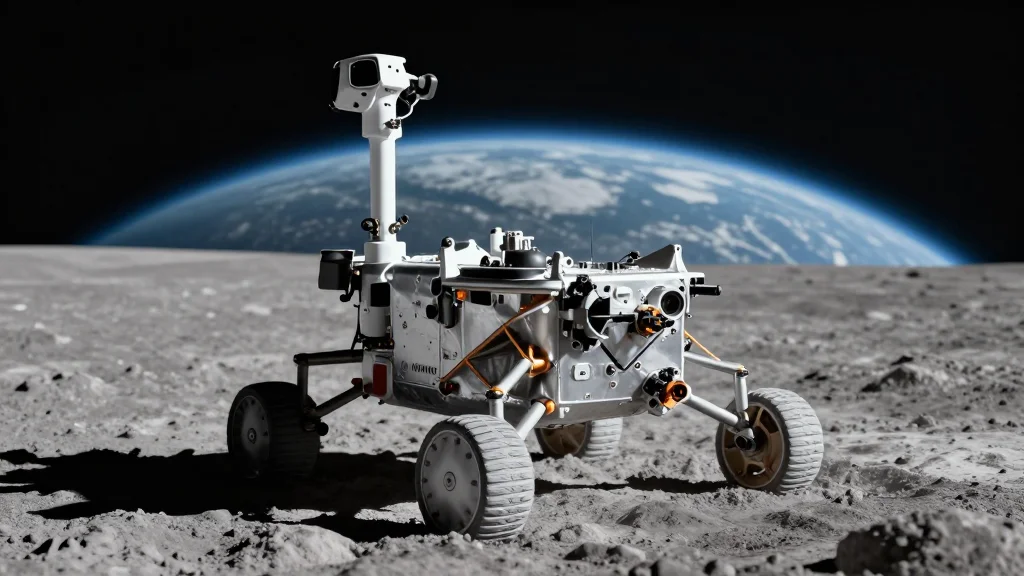
The two rover contracts, valued at roughly $150 million combined, will be built by industry veterans with heritage in planetary rovers and lunar landers. Designed for rugged terrain, the vehicles will carry payloads, power modules, and crew supplies, extending the reach of astronauts beyond the landing zone. Integration with NASA’s upcoming Gateway station and the lunar surface habitat will enable iterative testing of navigation, autonomy, and life‑support interfaces. By leveraging commercial expertise, NASA reduces development risk while fostering a supply chain that could serve future Artemis missions and private lunar ventures.
Beyond the immediate technical gains, the base development underscores a strategic economic opportunity. A permanent lunar foothold opens pathways for mining water ice, producing propellant, and testing technologies that could lower the cost of Mars transit. It also creates a market for private firms to provide logistics, construction, and habitat services, accelerating the commercial space economy. As geopolitical rivals intensify their own lunar ambitions, NASA’s accelerated timeline aims to cement U.S. influence, attract international partners, and ensure that the next generation of explorers operates from a robust, home‑grown platform.
NASA Unveils New Lunar Base Developments as Artemis Efforts Expand
Comments
Want to join the conversation?
Loading comments...