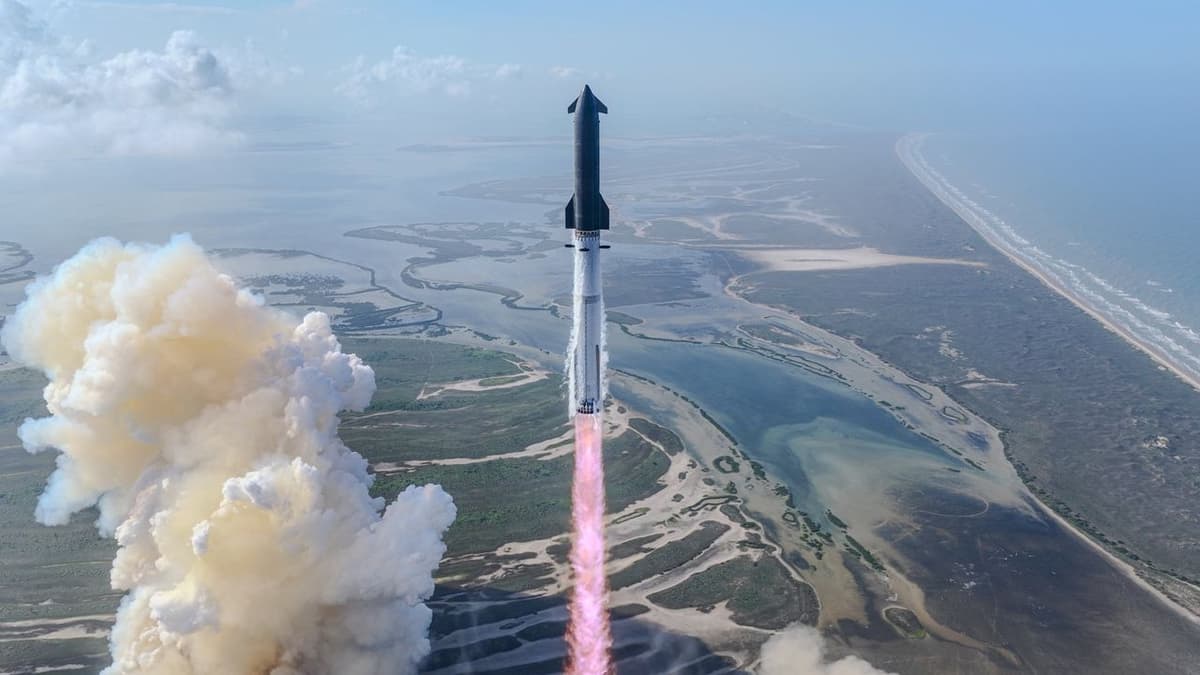
FAA Grounds SpaceX's Starship V3 Megarocket After Flight 12 'Mishap'
Companies Mentioned
Why It Matters
The grounding directly affects SpaceX’s deep‑space launch roadmap and could delay NASA’s Artemis 4 lunar landing, underscoring the regulatory risk inherent in pioneering reusable megalaunchers.
Key Takeaways
- •FAA classified Starship V3 Flight 12 as a mishap, grounding vehicle
- •Super Heavy booster suffered hard splashdown, missing controlled engine burns
- •Upper stage deployed 20 dummy and 2 camera‑equipped Starlink satellites
- •FAA will oversee SpaceX investigation and approve any corrective actions
- •Falcon 9 grounding lasted four days, suggesting SpaceX can resolve quickly
Pulse Analysis
SpaceX’s Starship V3 represents the company’s most ambitious launch system yet, combining a 124‑meter Super Heavy booster with a fully reusable upper stage designed for deep‑space missions. The vehicle is central to SpaceX’s promise of affordable Mars transport and NASA’s Artemis 4 lunar landing slated for late 2028. By meeting FAA safety standards, Starship V3 could unlock a new era of high‑frequency, heavy‑payload launches, reshaping the economics of satellite constellations and interplanetary exploration.
The May 22 test flight highlighted both progress and risk. The upper stage performed as intended, releasing 20 dummy Starlink satellites and two operational units equipped with heat‑shield cameras, then executing a controlled splashdown off Western Australia. In contrast, the Super Heavy booster failed to execute its planned engine burns, resulting in a hard splashdown in the Gulf of Mexico. The FAA’s classification of the event as a mishap triggers a mandatory investigation, with the agency retaining oversight of every corrective step. While SpaceX has a history of rapid issue resolution—evidenced by a four‑day grounding of Falcon 9 earlier this year—the timeline for Starship V3’s return remains uncertain.
The grounding reverberates beyond SpaceX’s internal schedule. Investors and satellite operators watch closely, as delays could affect the rollout of next‑generation broadband constellations and the cadence of lunar missions. Moreover, the incident underscores the delicate balance between rapid innovation and regulatory compliance in the commercial space sector. Should SpaceX address the booster’s shortcomings swiftly, it will reinforce confidence in reusable megarockets and keep the Artemis 4 timetable intact. Conversely, prolonged delays could open space for competitors developing alternative heavy‑lift solutions, reshaping market dynamics in the next decade.
FAA grounds SpaceX's Starship V3 megarocket after Flight 12 'mishap'
Comments
Want to join the conversation?
Loading comments...