Loss of Blue Origin’s New Glenn Booster: Update
Companies Mentioned

Blue Origin

NASA
Why It Matters
The loss delays New Glenn’s role in NASA’s lunar lander roadmap, potentially impacting the timeline for commercial moon missions. It also underscores the importance of resilient collaboration between government and private aerospace firms to mitigate setbacks.
Key Takeaways
- •New Glenn booster exploded during on‑pad hot‑fire test
- •NASA Administrator Isaacman visited Kennedy Space Center after incident
- •Blue Origin regaining access to Launch Complex 36 for investigation
- •CEO Dave Limp outlines rebuild plan and pad clearance timeline
- •Collaboration emphasized to keep lunar lander program on track
Pulse Analysis
The New Glenn vehicle represents Blue Origin’s answer to the growing demand for heavy‑lift capability in the commercial sector, promising payloads of up to 45 tonnes to low‑Earth orbit. Its development is tightly linked to NASA’s Artemis program, where the booster is slated to launch a lunar lander that will ferry astronauts to the Moon’s surface. By positioning New Glenn as a cornerstone of America’s return to the Moon, both Blue Origin and NASA aim to reduce reliance on foreign launch services and stimulate a domestic supply chain.
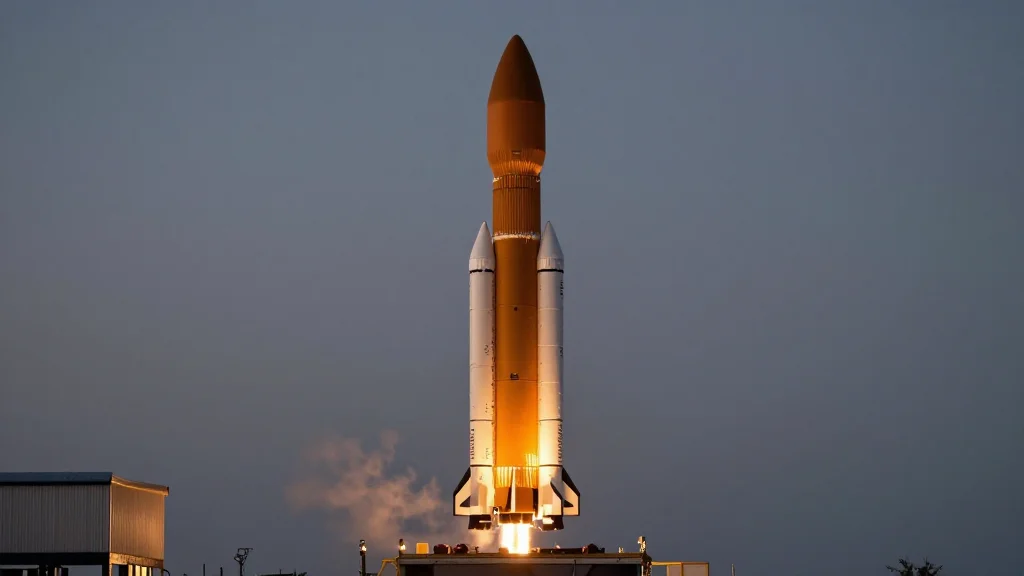
During a routine hot‑fire test on May 29, an unexpected anomaly caused the New Glenn first stage to rupture, igniting a massive explosion on the pad. Static‑fire tests, while essential for validating engine performance, carry inherent risks; the incident underscores the fine line between thorough verification and catastrophic failure. NASA Administrator Jared Isaacman’s on‑site visit signaled the agency’s commitment to transparency and collaborative problem‑solving, reinforcing a safety‑first culture that spans both public and private partners.
In the aftermath, Blue Origin has secured limited access to Launch Complex 36 and announced a structured rebuild plan aimed at resuming flights as soon as safety permits. The investigation will focus on engine telemetry, propellant handling, and structural integrity to prevent recurrence. While the setback may shift New Glenn’s inaugural flight beyond its original 2027 target, the episode serves as a reminder that resilient partnerships and rigorous engineering reviews are vital for maintaining momentum in the commercial lunar economy.
Loss of Blue Origin’s New Glenn Booster: Update
Comments
Want to join the conversation?
Loading comments...