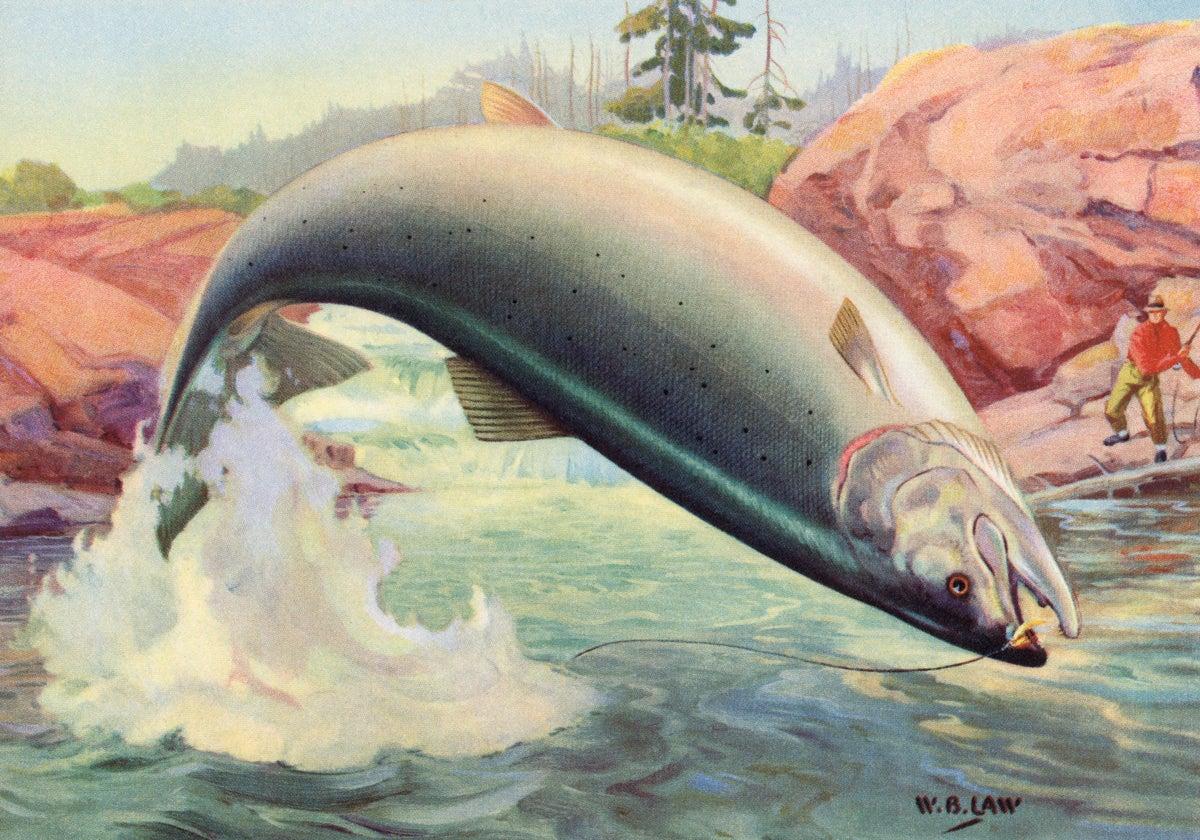
The Strange Way Cocaine Water Pollution Is Changing Salmon
Why It Matters
The metabolite‑driven behavioral changes could exacerbate existing threats to Atlantic salmon, affecting fisheries and ecosystem balance. Recognizing pharmaceutical residues as ecological stressors urges regulators to broaden water‑quality monitoring.
Key Takeaways
- •Cocaine metabolite benzoylecgonine increased salmon travel distance 1.9×.
- •Exposed salmon swam up to 14 km farther weekly than controls.
- •Metabolite effects exceed parent cocaine, challenging risk assessment focus.
- •Longer swims may push salmon into unsuitable habitats, raising ecological risk.
- •Study used slow‑release implants on 105 juvenile Atlantic salmon in Lake Vättern.
Pulse Analysis
Pharmaceutical contamination of waterways is an emerging environmental issue, with illicit drugs like cocaine and their metabolites routinely detected in municipal effluent. While concentrations are low, they persist in rivers and lakes, creating a diffuse chemical cocktail that wildlife encounter daily. Researchers are increasingly scrutinizing how such substances alter animal behavior, because subtle shifts can ripple through food webs and affect ecosystem services that humans rely on, such as commercial fisheries and recreation.
In a novel field experiment, a team led by Jack Brand implanted 105 juvenile Atlantic salmon with devices that released either cocaine, its metabolite benzoylecgonine, or a neutral control. After release into Sweden’s Lake Vättern, acoustic tracking revealed that benzoylecgonine‑exposed fish traveled nearly twice as far—up to 14 km per week—and spread 60 percent farther from the release point than untreated fish. Surprisingly, the metabolite produced a stronger locomotor response than the parent drug, suggesting that current risk assessments, which focus on parent compounds, may underestimate ecological impacts.
The behavioral amplification has practical implications for salmon management. Extended migrations can lead fish into suboptimal habitats, increase predation risk, and divert energy from growth and reproduction, compounding pressures from climate change and habitat loss. Moreover, the study signals that other aquatic species could experience similar disruptions, prompting a reevaluation of water‑quality standards to include a broader suite of pharmaceutical residues. Policymakers and water utilities may need to invest in advanced treatment technologies and monitoring programs to mitigate these hidden threats and protect both biodiversity and the economic value of fisheries.
The strange way cocaine water pollution is changing salmon
Comments
Want to join the conversation?
Loading comments...