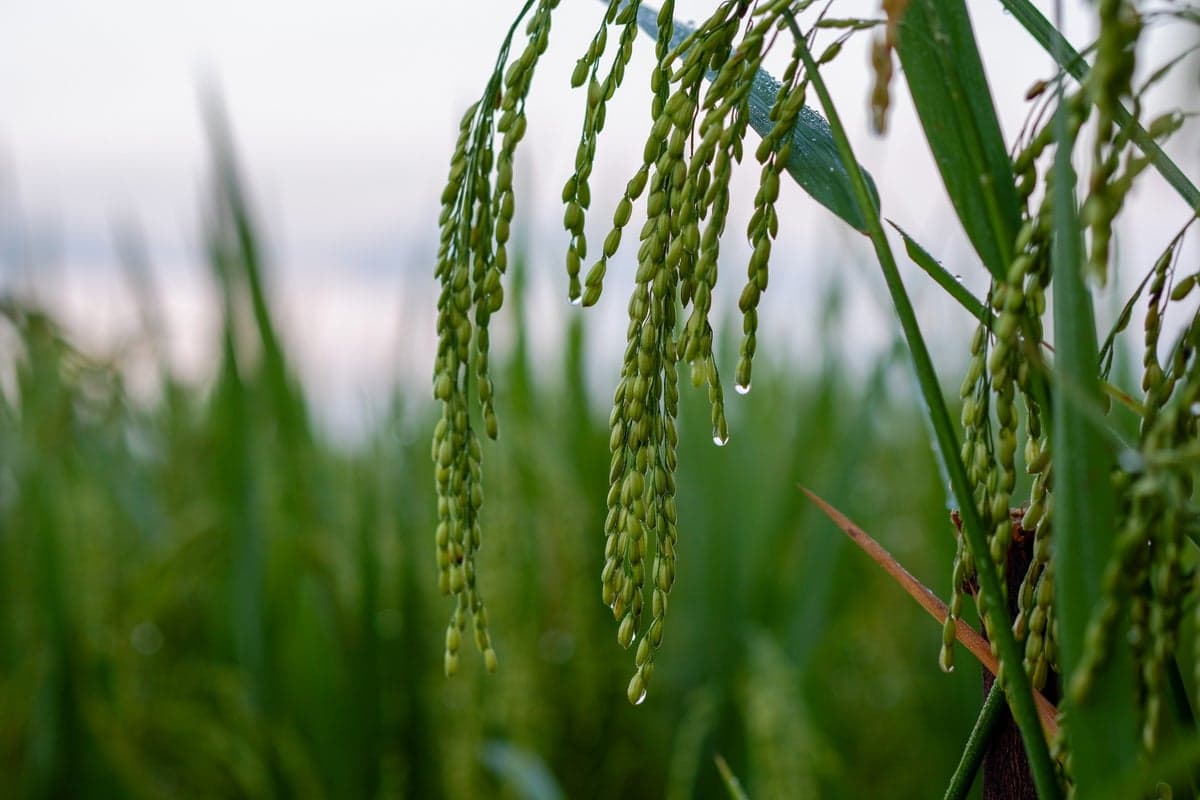
Plants Can ‘Hear’ Rain Coming, Spurring Them Into Action
Why It Matters
Accelerated germination could tighten planting schedules and boost yields, offering a novel, low‑cost lever for precision agriculture. The finding also opens a new frontier for acoustic technologies in crop management and plant‑health monitoring.
Key Takeaways
- •Rain sound accelerates rice seed germination by up to 40%
- •Study used 8,000 submerged rice seeds exposed to recorded rain
- •Vibrations stimulate statoliths, triggering faster germination
- •Findings suggest broader plant species may respond to acoustic cues
- •Could inspire acoustic technologies for precision agriculture
Pulse Analysis
A new study published in Scientific Reports reveals that rice seeds can 'hear' the sound of falling rain and germinate up to 40 percent faster. Researchers at MIT submerged roughly 8,000 seeds in water and played recorded rain, finding that the acoustic vibrations—much stronger underwater than in air—jostle cellular statoliths, prompting rapid sprouting. This is the first direct evidence that plants use sound as a cue for developmental timing, confirming long‑standing speculation about plant auditory perception.
The agricultural implications are immediate. Faster germination can shorten planting windows, improve seedling vigor, and boost yields in regions where rain timing is unpredictable. By integrating low‑cost acoustic emitters into irrigation or seed‑treatment systems, growers could harness natural rain cues without altering water usage. Early‑stage field trials are already exploring speaker arrays that mimic rain frequencies, aiming to reduce reliance on chemical growth promoters. If the effect extends to wheat, maize or soy, the technology could reshape precision‑farming protocols worldwide.
Beyond crops, the discovery adds momentum to a growing field of plant neurobiology that treats plants as information‑processing organisms. Companies developing bio‑sensing platforms are now investigating acoustic signatures as a non‑invasive metric for plant health, potentially enabling real‑time monitoring of stress responses. Investors are watching for patents that translate these findings into commercial devices, forecasting a multi‑billion‑dollar market for acoustic agritech solutions. As research expands to other species, the ability to trigger or suppress growth with sound could become a cornerstone of sustainable farming practices.
Plants can ‘hear’ rain coming, spurring them into action
Comments
Want to join the conversation?
Loading comments...