
Tau Protein Is Crucial for Encoding Long-Term Memory
Scientists have shown that the tau protein, long associated with Alzheimer’s pathology, is required for encoding long‑term memories. In tau‑deficient mice, recent recall remains intact while remote recall is impaired, a deficit rescued by re‑expressing tau only during the learning phase. The study pinpointed phosphorylation at threonine‑205 (T205) as the critical modification, with mice lacking this site or its kinase displaying the same remote‑memory loss. These findings reveal tau’s active role in shaping precise engram activation, challenging the notion that tau can be safely eliminated in therapeutic strategies.
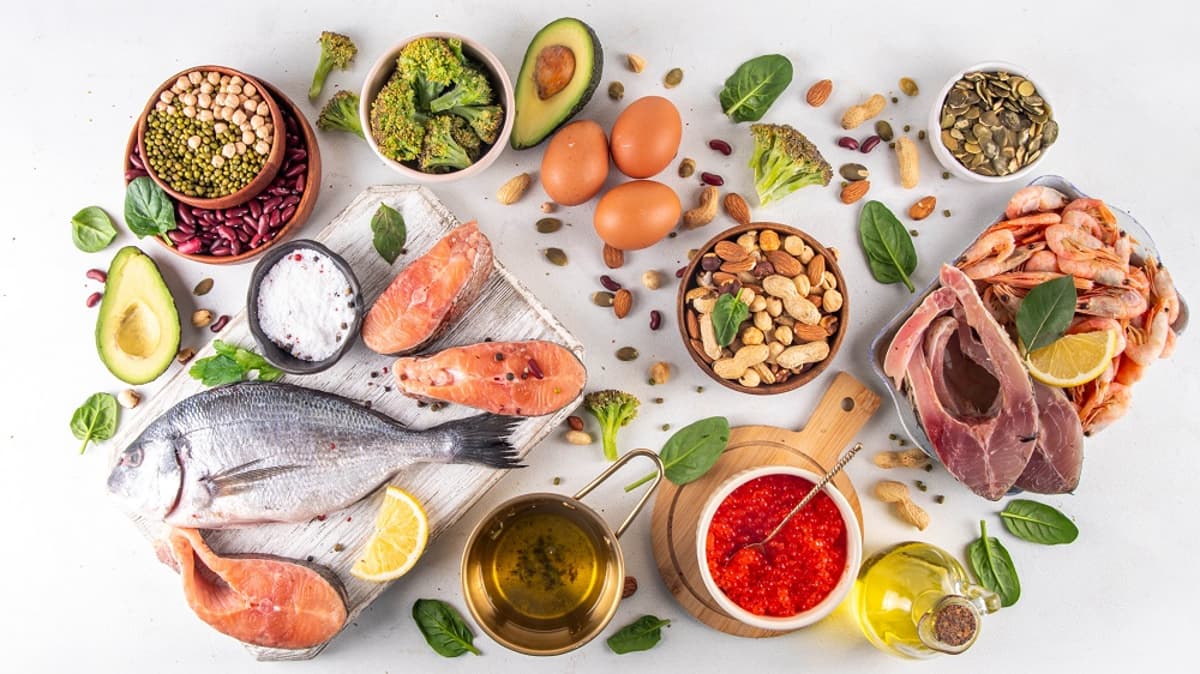
How Omega-3 Fatty Acids May Alleviate Kidney Disease
Researchers demonstrated that long‑term omega‑3 polyunsaturated fatty acid (PUFA) supplementation reduces cellular senescence and renal fibrosis in aged mice, improving key filtration markers such as albumin/creatinine ratio. The benefit hinges on activation of the fatty‑acid receptor FFAR4, whose expression declines...

Developing a Drug To Reverse Heart Disease
Repair Biotechnologies’ lead candidate, REP-0004, is an mRNA‑based lipid nanoparticle designed to deliver a cholesterol‑degrading protein exclusively to hepatocytes. The FDA granted the drug orphan‑drug status and the company targets a Phase 1 start by mid‑2027, pending GMP manufacturing and IND‑enabling...

Cyclarity Unveils Oxidized Cholesterol Excretion Data
Cyclarity Therapeutics presented Phase 1 data for UDP-003, its cyclodextrin drug that binds and removes oxidized cholesterol (7‑ketocholesterol) from humans. The Monash Victorian Heart Institute trial showed dose‑dependent urinary excretion of 7KC, with no serious adverse events and a short...

Forever Healthy Releases AI4L 1.0 for Practical Longevity
Forever Healthy has launched AI4L 1.0, an open‑source, MIT‑licensed platform that lets anyone generate rigorous, evidence‑based reviews of longevity interventions using frontier AI models. The system introduces "Audit‑Driven Prompting," a self‑auditing loop that fetches live citations, verifies metadata, and enforces zero‑tolerance...
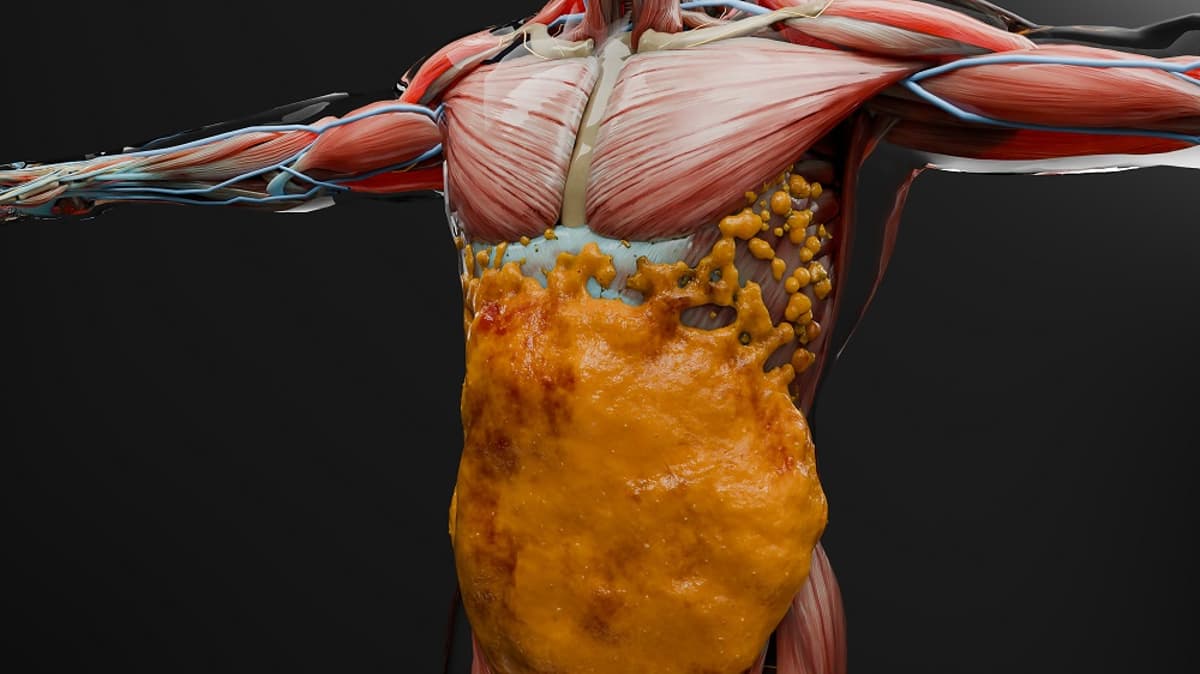
GLP-1 Drugs’ Muscle Effects Similar to Ordinary Weight Loss
A recent study published in Cell Reports Medicine examined whether GLP-1 receptor agonists such as semaglutide and tirzepatide cause disproportionate muscle loss compared with ordinary calorie‑restricted weight loss. In both obese mice and a small human cohort, the drugs led...
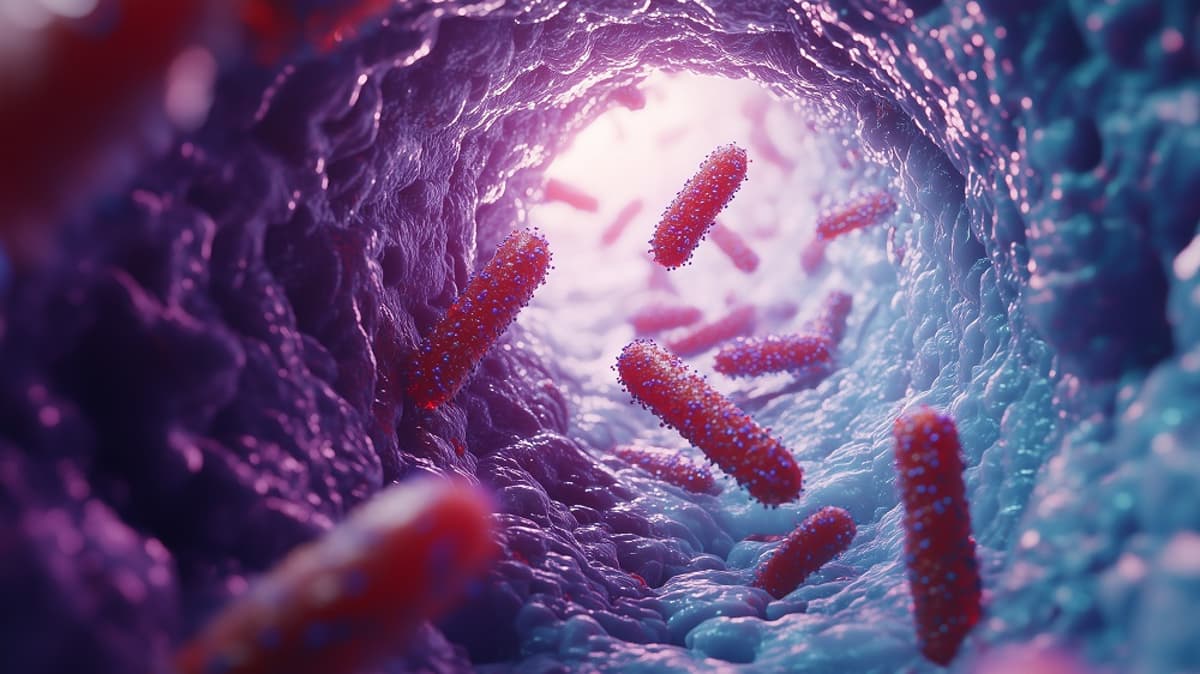
How Intestinal Aging Encourages Harmful Bacteria
Researchers in Aging Cell examined 3‑month‑old and 24‑month‑old C57BL/6 mice to chart how intestinal aging reshapes the gut microbiome and mucosal immunity. Older mice showed a sharp decline in beneficial Bifidobacterium and Faecalibacterium, replaced by pathogenic Enterobacteriaceae, alongside reduced IgA...

A Popular Senolytic Treatment Causes Brain Damage in Mice
A recent PNAS study shows that the widely used senolytic cocktail dasatinib plus quercetin (D+Q) impairs myelination in the mouse corpus callosum. The treatment altered oligodendrocyte morphology within minutes, reduced myelin thickness, and triggered endoplasmic reticulum stress, without killing the...

Obesity’s Effects on the Immune System May Linger for Years
A European study shows that helper CD4+ T cells retain a pro‑inflammatory effector‑memory phenotype long after mice regain normal weight following obesity. While adipose mass normalizes, the inflammatory T‑cell response persists for weeks and only resolves after extended weight‑maintenance periods....

Longevity Day at NFC Summit Lisbon Announces Speaker Lineup
Longevity Day, a dedicated track of the NFC Summit, will debut on June 4, 2026 at Lisbon’s Unicorn Factory. Curated by Michelangelo Gallia and Nina Patrick, the full‑day event assembles scientists, clinicians, founders and investors across three thematic pillars—Wisdom from...

A Single Sauna Session Causes White Blood Cell Mobilization
A study from the University of Eastern Finland found that a single 30‑minute Finnish sauna at 73 °C triggers a rapid, transient increase in circulating white blood cells in middle‑aged adults. Neutrophils, lymphocytes and mixed cell types rose immediately after exposure,...

Why Fast-Cycling Skin Cells Decrease With Age
Researchers published in Aging Cell that the extracellular matrix protein fibulin‑5 supports fast‑cycling epidermal stem cells, which are essential for skin renewal. Mice lacking fibulin‑5 displayed premature skin thinning, reduced fast‑cycling cell zones, and altered expression of adhesion, replication, and...

APLMS and Kitalys to Host Healthy Longevity in Hong Kong
The Asia‑Pacific Longevity Medicine Society and the Kitalys Institute will host the 2026 Asia‑Pacific Healthy Longevity International Summit in Hong Kong from October 1‑4, 2026. The four‑day event expects more than 2,000 leaders from longevity medicine, geroscience, pharma, digital health, AI...

Affecting a Signaling Pathway Alleviates Alzheimer’s in Mice
A study from Daegu Gyeongbuk Institute of Science and Technology shows that overexpressing the neuropeptide somatostatin (SST) in mice reduces microglial activation, lowers amyloid‑β plaque density, and improves spatial memory in the 5xFAD Alzheimer’s model. In vitro, SST boosted microglial...

APOE4 Increases Neurons’ Excitability Before Symptoms Appear
The study published in Nature Aging shows that mice carrying the human APOE4 allele develop smaller, hyperexcitable CA3 hippocampal neurons long before any cognitive symptoms appear. Early interictal spike rates in young APOE4 knock‑in mice forecast spatial learning deficits observed...