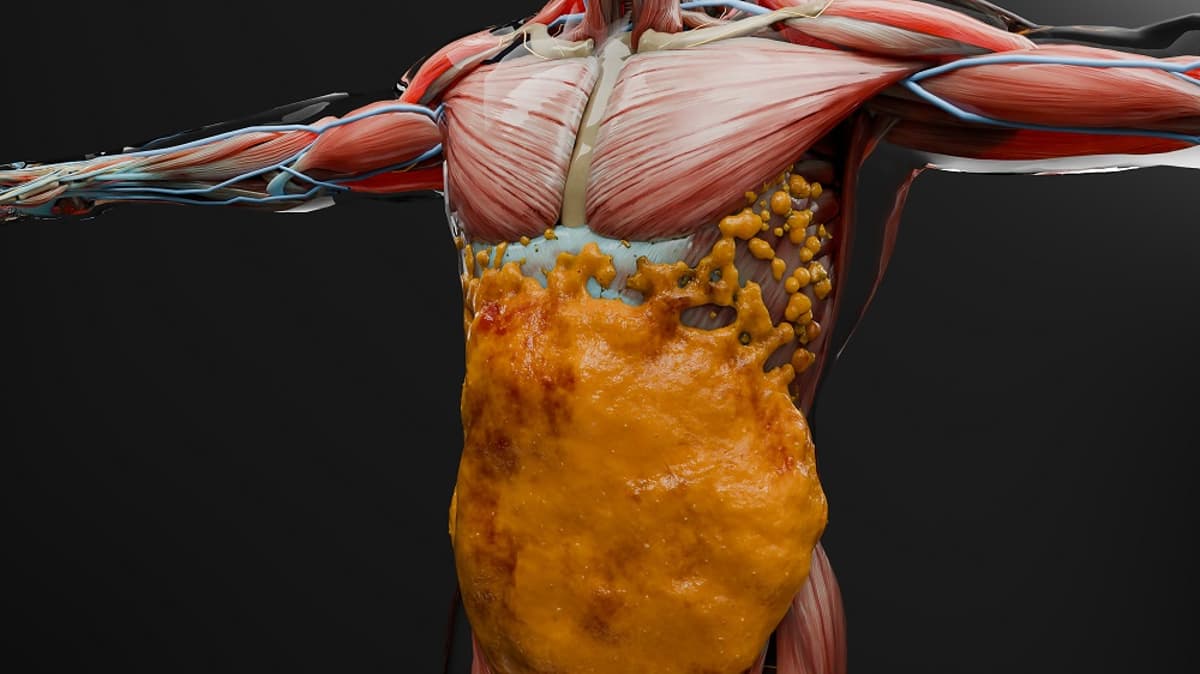
GLP-1 Drugs’ Muscle Effects Similar to Ordinary Weight Loss
Key Takeaways
- •GLP‑1 agonists cause muscle loss comparable to calorie restriction
- •Liver mass reduction accounts for much of lean body mass loss
- •Grip strength relative to weight improves despite modest muscle mass decline
- •Proteomic analysis shows increased mitochondrial proteins in semaglutide‑treated muscle
- •Small human trial finds no strength loss after 12 weeks of semaglutide
Pulse Analysis
The rise of GLP‑1 receptor agonists, highlighted by semaglutide and tirzepatide, has reshaped obesity management, delivering 15‑20% body‑weight reductions that rival bariatric surgery. While such dramatic loss is clinically attractive, physicians have long worried that rapid fat loss might come at the expense of skeletal muscle, a critical determinant of mobility and metabolic health. Existing guidelines emphasize preserving lean mass during dieting, yet data on GLP‑1‑driven weight loss remained fragmented, prompting a comprehensive preclinical and clinical investigation.
The multi‑institution study combined four mouse experiments with a modest human trial. In diet‑induced obese mice, tirzepatide and semaglutide produced roughly 20% weight loss, of which only about 4‑10% was lean mass, largely driven by a 20% reduction in liver weight rather than skeletal muscle atrophy. Grip strength per kilogram of body weight actually improved, and treadmill endurance matched that of lean controls. Proteomic analysis uncovered a surge in mitochondrial proteins, indicating enhanced oxidative capacity despite the absence of a functional GLP‑1 receptor in muscle. A parallel 12‑week human trial mirrored these findings: fat accounted for 70% of weight loss, lean mass 30%, and neither knee‑extension nor hand‑grip strength declined.
Clinically, the evidence eases concerns that GLP‑1 therapies could precipitate functional sarcopenia, supporting their broader adoption for obesity and type‑2 diabetes. However, the distinct molecular signature—especially the mitochondrial remodeling—warrants longer‑term follow‑up to rule out subtle metabolic shifts. Practitioners should continue to counsel patients on resistance training and protein intake to maximize muscle preservation, but can now do so with greater confidence that GLP‑1‑induced weight loss does not inherently compromise muscle function.
GLP-1 Drugs’ Muscle Effects Similar to Ordinary Weight Loss
Comments
Want to join the conversation?