China Launches Standardized Physician Education in Longevity
China has launched its first national competency‑based education programme in longevity medicine, targeting physicians across internal medicine, geriatrics, cardiology and related fields. Developed by the China Non‑public Medical Institutions Association and the Asia‑Pacific Longevity Medicine Society, the curriculum blends ageing biology, AI‑driven decision support, traditional Chinese medicine and digital health. Participants must complete coursework, case studies and competency assessments to earn a longevity‑medicine certification. The initiative aligns with the Healthy China 2030 strategy to shift care from reactive disease treatment to proactive health‑span management.

The Immune System Ages Differently in Men and Women
A new Nature Aging study used single‑cell analysis of over 1 million peripheral blood mononuclear cells from 982 donors aged 19 to 97 to map how the immune system ages. The researchers found that women experience more pronounced age‑related changes in...

Becoming Well-Fed and Sedentary Accelerates Penguin Aging
A new Nature Communications study shows that king penguins moved from the wild to zoo environments—mirroring a sedentary, well‑fed Western lifestyle—experience epigenetic age acceleration of roughly 2.5 to 6.5 years. Researchers used a penguin‑specific methylation clock and identified nearly 300...

Cellular Senescence and Senotherapeutics: The Expert Roundup
Cellular senescence has become a focal point for longevity medicine, prompting a surge of senolytic and senomorphic drug development. Pioneering studies showed that clearing senescent cells can extend healthspan, leading biotech firms like Rubedo, SENISCA, Deciduous Therapeutics, and Arda Therapeutics...

Two Polyunsaturated Lipids Demonstrate Senolytic Activity
Researchers identified two conjugated polyunsaturated fatty acids, α‑eleostearic acid (α‑ESA) and its methyl ester (α‑ESA‑me), as potent senolytics that selectively eliminate senescent cells. In mouse models, short‑term dosing reduced senescence markers and SASP factors across liver, heart, kidney, and lung...

BioAge Labs Provides Business Updates
BioAge Labs reported full‑year 2025 results, highlighting positive Phase 1 data for its oral NLRP3 inhibitor BGE‑102, which achieved up to 86% reduction in hsCRP and strong suppression of IL‑1β, IL‑6, and fibrinogen. The company announced a Phase 2a cardiovascular risk trial...

Meat Consumption May Benefit APOE4 Carriers
A Swedish cohort study of 2,100 older adults found that high consumption of total and unprocessed meat was linked to slower cognitive decline and a 55% lower dementia risk among APOE ε4 carriers, while non‑carriers saw no benefit. The protective...

How Zinc Protects Injured Arteries From Accelerated Aging
Researchers published in Aging Cell report that vascular injury induces misshapen nuclei in smooth muscle cells, accelerating cellular senescence. Human femoral arteries post‑angioplasty and rat carotid injury models both displayed nuclear dysmorphism linked to prelamin A buildup. The study identifies...
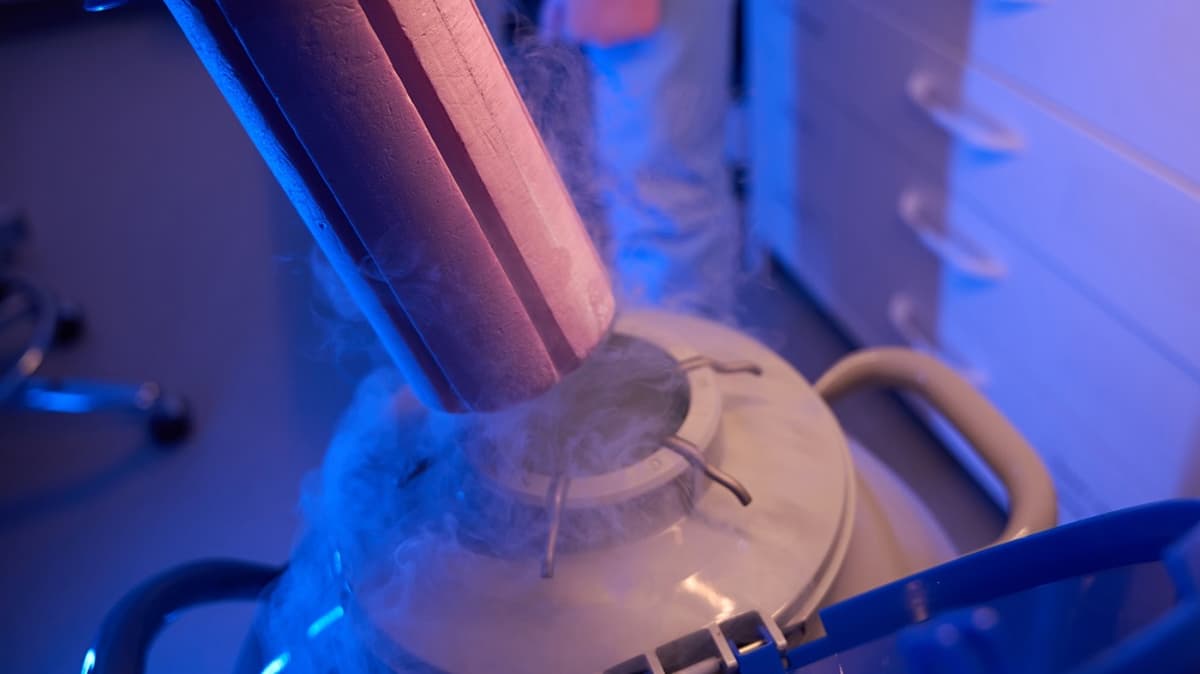
Scientists Successfully Freeze and Rewarm Mouse Brain Slices
Researchers at Friedrich‑Alexander‑Universität Erlangen‑Nürnberg successfully vitrified mouse brain slices and, in a limited trial, an entire mouse brain, preserving neuronal structure and function after rewarming. By using a high‑concentration cryoprotective agent cocktail, they avoided ice crystal formation, maintained synaptic architecture,...

Novel Mechanism for Parkinson’s Is Linked to ATP Deficiency
Scientists at Ludwig Maximilian University discovered that loss of the DJ-1 protein triggers ATP deficiency in human dopaminergic neurons, leading to reduced VMAT2 levels and impaired dopamine vesicle loading. The resulting dopamine oxidation fuels accumulation of pathological α‑synuclein species, a...
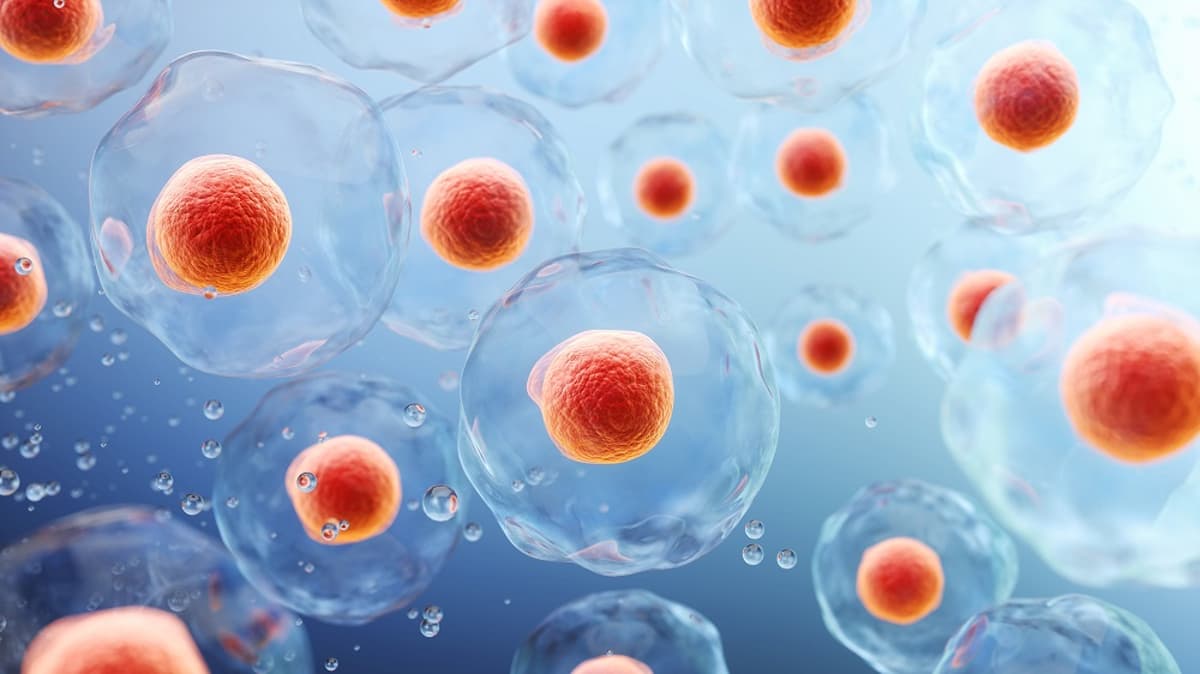
Cellular Reprogramming: The Expert Roundup
A round‑up of leading experts highlights how cellular reprogramming has moved from a laboratory curiosity to a near‑clinical anti‑aging platform. Researchers describe partial, epigenetic‑focused approaches that can rejuvenate cells without erasing identity, and four biotech firms outline their distinct delivery...

Menopausal Hormone Therapy Does Not Increase Mortality
A Danish register study of over 800,000 women examined the long‑term safety of menopausal hormone therapy (MHT). About 12% of participants used MHT for a median of 1.7 years, and the analysis found no association between MHT use and all‑cause...
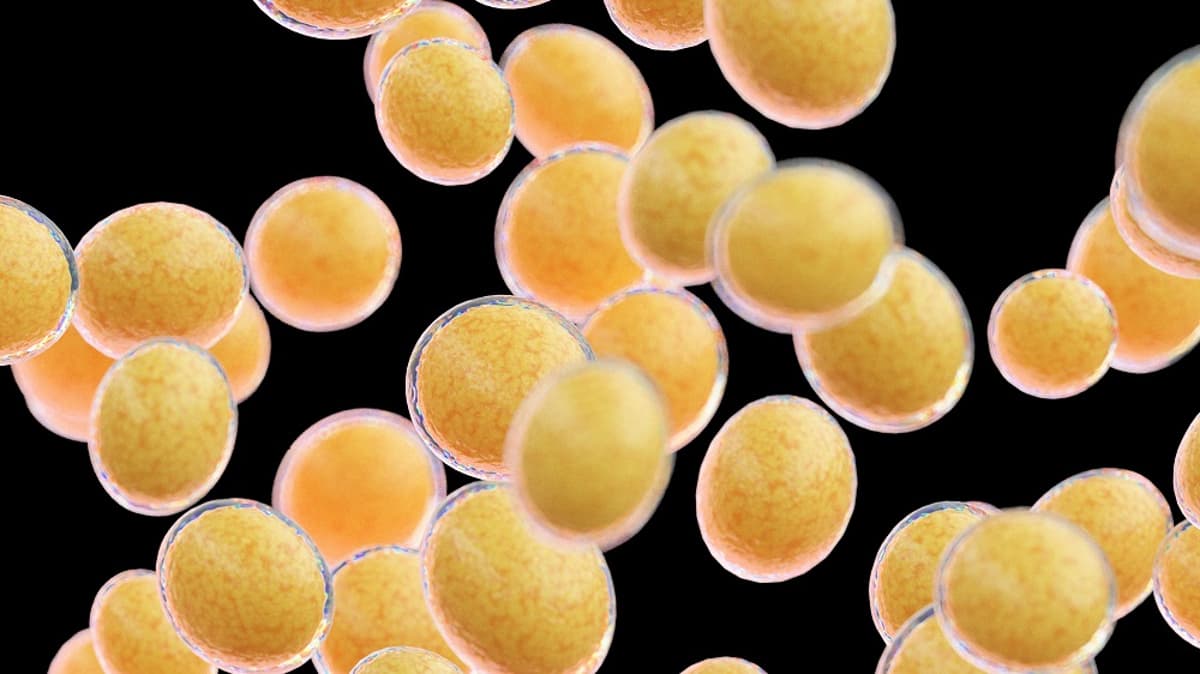
Thermogeneration by White Fat Could Be Used to Treat Obesity
Researchers at Cornell uncovered a previously unknown thermogenic pathway in white adipocytes, where free fatty acids induce proton leakage through the mitochondrial ADP/ATP carrier (AAC). This AAC‑mediated uncoupling mirrors brown‑fat heat production without involving UCP1. In mouse models, enhancing intracellular...

How a Sirtuin Protects Against Brain Diseases
Researchers in Aging Cell reveal that the nuclear sirtuin SIRT6 safeguards brain health by preserving nucleolar integrity and curbing excess protein synthesis. Loss of SIRT6 triggers nucleolar enlargement, heightened rRNA production, and uncontrolled protein translation, leading to protein aggregation and...

AI Tool Sets New Standard in Diagnosing Rare Diseases
A new multi‑agent system called DeepRare, built on the DeepSeek‑V3 large language model and over 40 specialized tools, outperformed 15 competing AI models and human physicians in diagnosing rare diseases. Across 6,401 cases covering 2,919 rare conditions, it achieved a...