
From Point Solutions to Platforms: How AI Is Rewriting HR Tech
AI is reshaping HR technology, turning isolated point solutions into integrated platforms. Generative AI has commoditized traditional features such as ATS workflows and LMS tools, shifting competitive advantage to data scale, workflow orchestration, and decision‑making capabilities. Harbinger’s CTO advises HR leaders to either consolidate to a unified lifecycle platform covering roughly 90 % of functions or build a common data layer that serves as a single source of truth. Point‑solution vendors can survive only by developing a strong data moat that AI cannot easily replicate.

Why AI-Generated Applications Are Creating a New Hiring Problem (And What HR Can Do About It)
AI‑generated résumés are flooding hiring pipelines, inflating applicant volumes and straining recruiters. Candidates can now produce polished applications in seconds using generative tools, making it harder to verify authenticity and assess true skill fit. The surge has prompted HR leaders...

Building a Scalable Culture in the Age of AI and Rapid Growth
Artificial intelligence is reshaping work faster than many firms can keep pace, especially in high‑growth companies. Leaders face pressure to scale, hire, and decide quickly while AI disrupts roles and processes. The article argues that speed alone won’t succeed; organizations...

What The Healthcare Workforce Shortage Can Teach Other Industries About Talent Retention
The healthcare sector’s chronic staffing shortage, intensified by COVID‑19, forced hospitals to overhaul talent practices. Providers introduced day‑one benefits, accelerated pay cycles, flexible scheduling, and robust career‑development programs, which lifted retention and reduced burnout. Leadership accountability for employee well‑being became...

How to Slay the Three-Headed Monster Destroying Your Talent Management Strategies
The article frames talent‑management woes as a three‑headed monster—high turnover, recruitment gaps, and a widening skills deficit. By using payroll data and exit interviews, the author identified bad hires and disciplined underperformers, cutting turnover. A refreshed employer brand and unconventional...

From Exit Doors to Enduring Loyalty: Re-Engineering Retention in the Modern Workplace
A major retailer faced a 30% turnover rate and responded by pausing hiring to diagnose cultural debt. By integrating exit, stay and sentiment data, it uncovered career stagnation and managerial behavior as primary drivers. The firm launched listening labs, a...

What L&D Leaders Get Wrong About The 70-20-10 Rule
The 70-20-10 learning model, created in the 1980s for seasoned executives, assumes learners already possess basic knowledge. Applying it to novices—career‑changers, new technical hires, or students—leads to gaps because the 10% of formal instruction becomes insufficient. The article also debunks...

The Trillion Dollar Skilled Trades Trade-Off
The United States faces a looming skilled‑trades shortage that could leave 1.4‑2.1 million positions vacant by 2030, threatening critical infrastructure, manufacturing, and construction. Economists estimate the gap could erase $325.6 billion of GDP, cost $71.3 billion in tax revenue, and generate up to...

Why AI Resume Screeners Are Creating Blind Spots in Technical Hiring
AI‑driven resume screeners, built on white‑collar hiring data, are systematically filtering out qualified supply‑chain and manufacturing talent. A Harvard Business School study found 88% of employers admit their automated tools reject good candidates, excluding roughly 27 million U.S. workers. The algorithms...

The Collapse of the Managerial Empire
AI is dismantling the traditional middle‑management empire that has defined corporate hierarchies for fifty years. Gartner predicts 20 % of firms will use AI to cut more than half of supervisory roles, shifting focus from headcount to high‑impact leadership. The emerging...

AI, Transparency, & Fairness: How to Close the Gap Between HR Teams and Job Seekers
Checkr’s lead recruiter Sloane Tolleson says AI is becoming a "third wheel" in hiring, offering tools like interview companions that free interviewers to focus on candidates. She highlights a trust gap: candidates, especially early adopters, are comfortable with AI, while...
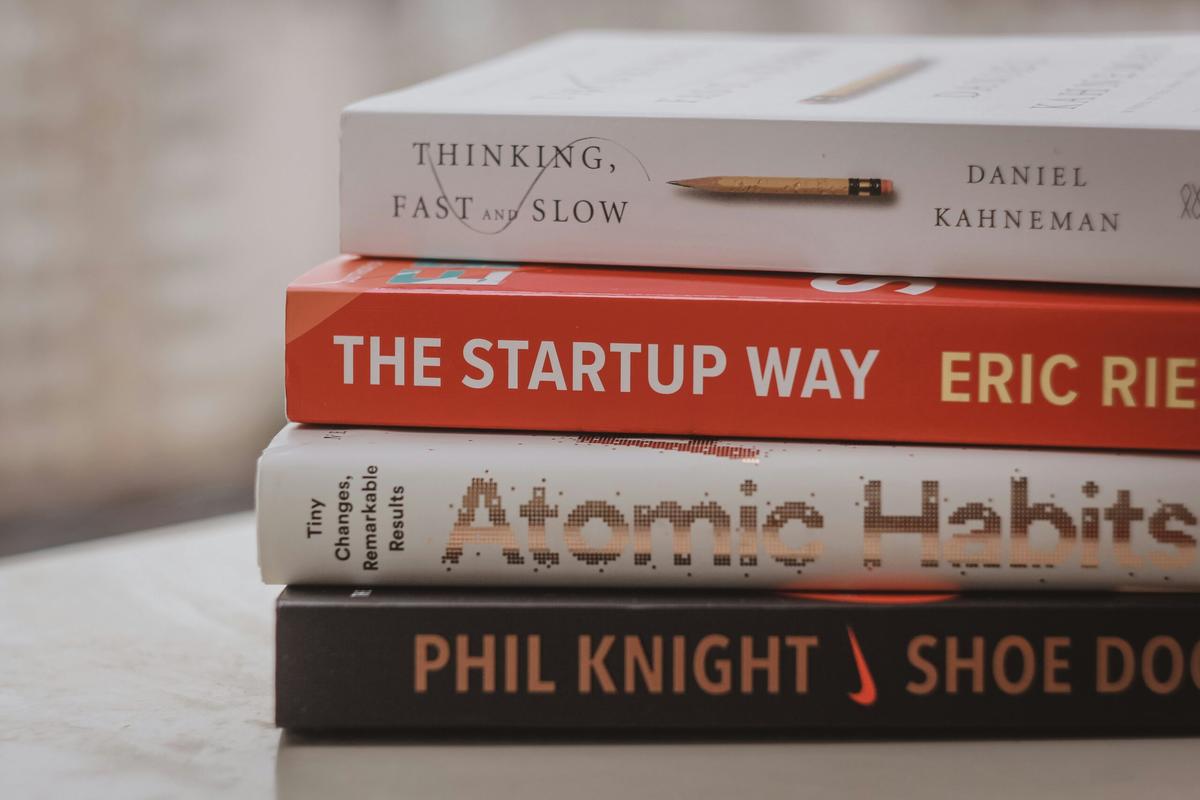
The Unseen Muscle: Why Mental Fitness Is Your Most Critical Talent Tool
The article reframes mental fitness as the most essential talent tool, arguing that the brain, like a muscle, needs deliberate training, recovery, and proper nutrition. It highlights how constant interruptions, multitasking, and neglect of sleep erode cognitive capacity, undermining strategic...

Overworked and Underpaid: The Most Expensive Story You Tell Yourself
The article challenges the common "overworked and underpaid" narrative, urging professionals to assess their market worth through measurable impact rather than exhaustion. It introduces a three‑point audit—value, skill, and leverage—to translate daily tasks into quantifiable business results. By reframing compensation...

The Future of Talent Sourcing: Powered by Artificial Intelligence
Artificial intelligence is reshaping talent sourcing from keyword matching to predictive, anticipatory hiring. AI now learns career patterns—like three‑year startup tenures or finance‑to‑data‑science moves—to surface candidates before recruiters even define a role, exemplified by Maya’s unsolicited offer. The technology also...

The New EVP Is Broken: Why Perks No Longer Attract Top Talent
The article argues that traditional employee perks—snacks, ping‑pong tables, and wellness apps—no longer attract or retain high‑performing talent. The pandemic‑driven shift to remote work exposed a deeper demand for autonomy, purpose, and trust rather than superficial benefits. Companies that continue...