
What Is Vibe Coding? Creating Code with AI Explained
Vibe coding—using large language models to generate software from natural‑language prompts—has evolved from manual copy‑paste cycles to integrated platforms like Lovable that handle environment setup and credit‑based AI usage. The approach enables non‑developers to prototype apps quickly, while seasoned programmers use it to accelerate early builds. However, reliance on AI introduces risks such as hidden bugs, fragile code, and potential operational failures. Effective prompting and human oversight remain essential.

What Is Edcafe AI and How Can I Use It To Teach?
Edcafe AI is an AI‑powered platform that lets teachers create, deliver, and assess lessons from a single interface. The tool can generate lesson plans, quizzes, and custom chatbots, auto‑grade assessments, and track student performance in real time. Pricing includes a...

When Highlights Are Easy to Fake With AI, Integrity Matters More
A Sports Illustrated report reveals high‑school football players are using generative AI to add fabricated touchdowns, tackles and explosive runs to recruiting highlight reels. While the technology makes fake clips easy to produce, seasoned recruiters, coaches and knowledgeable fans can...

What Is ClassPoint and How Can I Use It To Teach?
ClassPoint is a PowerPoint add‑on that turns slide decks into interactive classrooms, offering live quizzes, polls, annotations and AI‑generated questions. The tool lets students join via a code and respond in real time, while teachers see instant feedback and can...
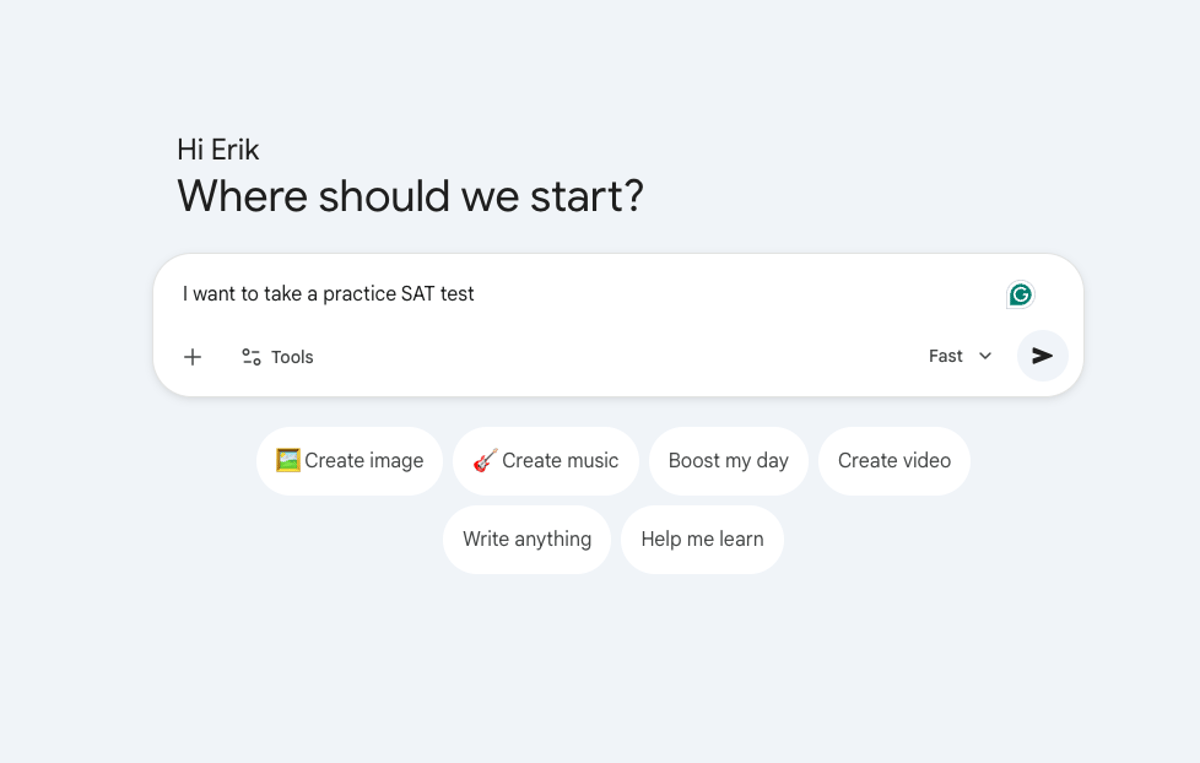
Using Gemini AI To Prepare For Standardized Tests
Google has launched Gemini’s Learn mode as a free AI tutor for SAT and other standardized tests, partnering with the Princeton Review to generate practice exams and instant feedback. The feature lets students prompt Gemini for a full test, receive...

Edtech's Big Tobacco Moment Is Here. Schools Can't Afford to Miss the AI Reckoning That Follows
Andrew Marcinek likens the current wave of AI and social‑media lawsuits, including the Meta case, to a "Big Tobacco" moment, arguing that two decades of algorithmic manipulation have left schools to clean up the fallout. He warns that educators have...
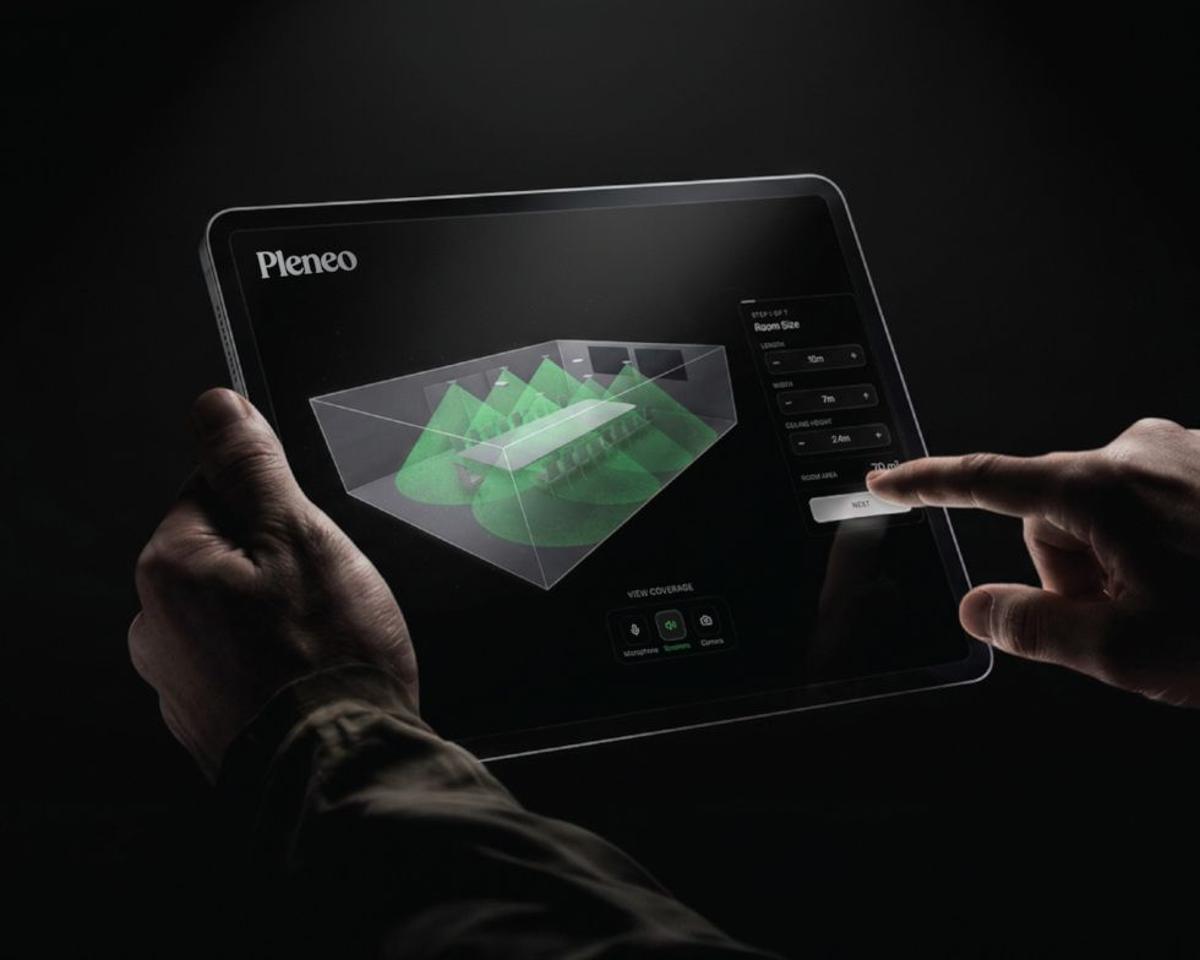
Edtech Show & Tell May 2026
The May 2026 Edtech Show & Tell spotlights a wave of AI‑enabled tools ranging from BenQ’s RP05 interactive display with a 10 TOPS neural processor to Google’s free AI Educator Series for teachers. District‑level platforms such as GoGuardian Discover and LearningSpring aim...

4 Ways Teachers Are Using AI
Stanford researchers analyzed over 150,000 AI prompts from more than 4,400 K‑12 teachers, revealing how educators are integrating generative AI into daily practice. Over 40% of prompts target curriculum development, and more than half request lesson plans, assessments, or feedback,...
What Is Dotstorming and How Can I Use It To Teach?
Dotstorming is a browser‑based tool that lets teachers create digital boards where students post ideas and vote in real time. The platform supports text, images, video and PDFs, and requires only a link—no login or special devices. It offers a...
Navigating the AI Frontier in Education: New Webinar Series
Tech & Learning is launching a three‑part webinar series on AI in education, beginning May 20, 2026. The sessions cover cutting‑edge AI tools, strategies for future‑proofing students’ careers, and safeguarding AI deployments. Designed for IT directors, principals and superintendents, the series offers...
Syracuse University Gave AI Access To 30,000+ Students and Faculty. Here’s What They Learned
Syracuse University rolled out Anthropic’s Claude AI to more than 30,000 students, faculty and staff, embedding the tool in classrooms, course‑search, donor research and a coding pilot. In an introductory IT class, Claude generated practice questions, and after shifting prompts...

The AI Bubble Is Deflating, Says One Educator
Educator Carl Hooker says AI enthusiasm in schools peaked in summer 2024 and has entered the Gartner "zone of disillusionment." While administrators still see AI’s potential, tighter budgets and growing environmental concerns are curbing new purchases. Analysts warn that the...

What Schools Should Ask Before Buying An AI Tool
Schools are being bombarded with AI tools promising to cut workload, personalize tutoring, and streamline operations, but the hype often outpaces practical needs. Leaders are urged to start with the problem they need to solve, assess existing ecosystem capabilities, and...
What Is I Know It and How Can Teachers Use It?
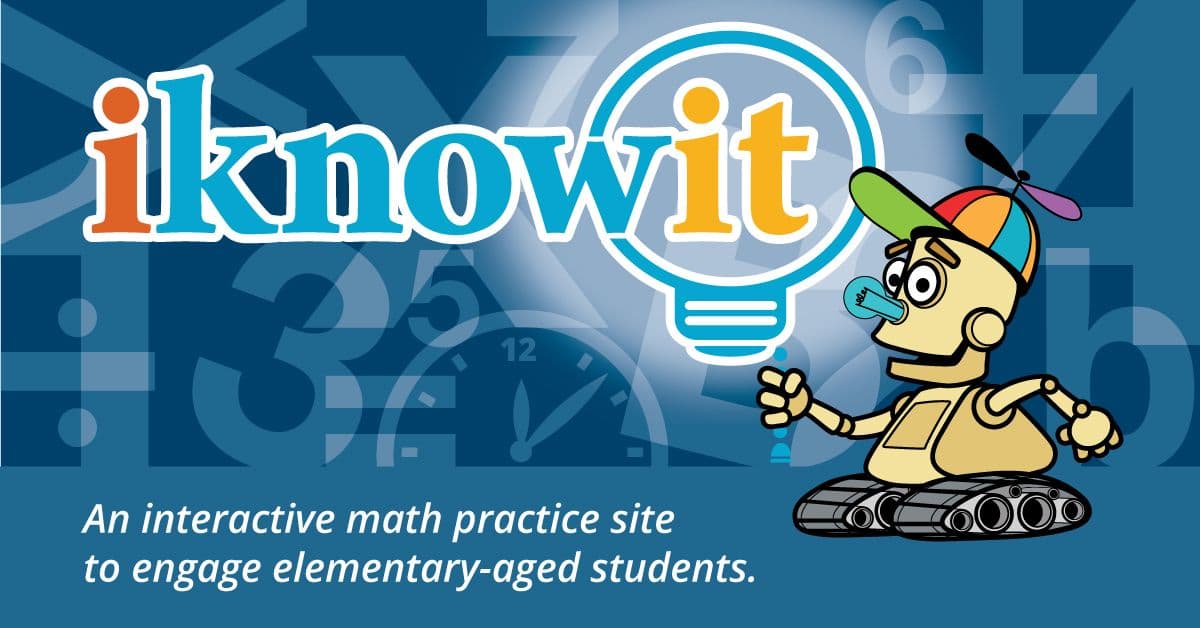
I Know It is an online K‑5 math and English language arts practice platform that aligns exercises with Common Core and state standards. It delivers gamified feedback, customizable settings, and detailed progress reports for teachers and parents. The service offers...

Beyond the Classroom: How Esports Spaces Double as Learning Hubs
Esports facilities in K‑12 schools are being promoted as dual‑purpose spaces that can host graphics design, cybersecurity and other digital curricula during the day and esports competitions after hours. Jason Bond of Extron says the investment’s ROI hinges on this...