
Recent Posts

News•Feb 25, 2026
US Cybersecurity Agency CISA Reportedly in Dire Shape Amid Trump Cuts and Layoffs
U.S. Cybersecurity and Infrastructure Security Agency (CISA) is reportedly operating at roughly 38% of its pre‑Trump staffing levels, after losing about one‑third of its workforce during the administration’s first year. The cuts have crippled core programs, including the counter‑ransomware initiative and election‑security efforts, and have seen hundreds of employees reassigned to support DHS immigration enforcement. CISA has been without a permanent director since 2025, and the ongoing federal shutdown further hampers its ability to respond to cyber incidents. Agency officials claim commitment remains, but lawmakers warn the agency is ill‑prepared for a major cyber crisis.
By TechCrunch (Cybersecurity)
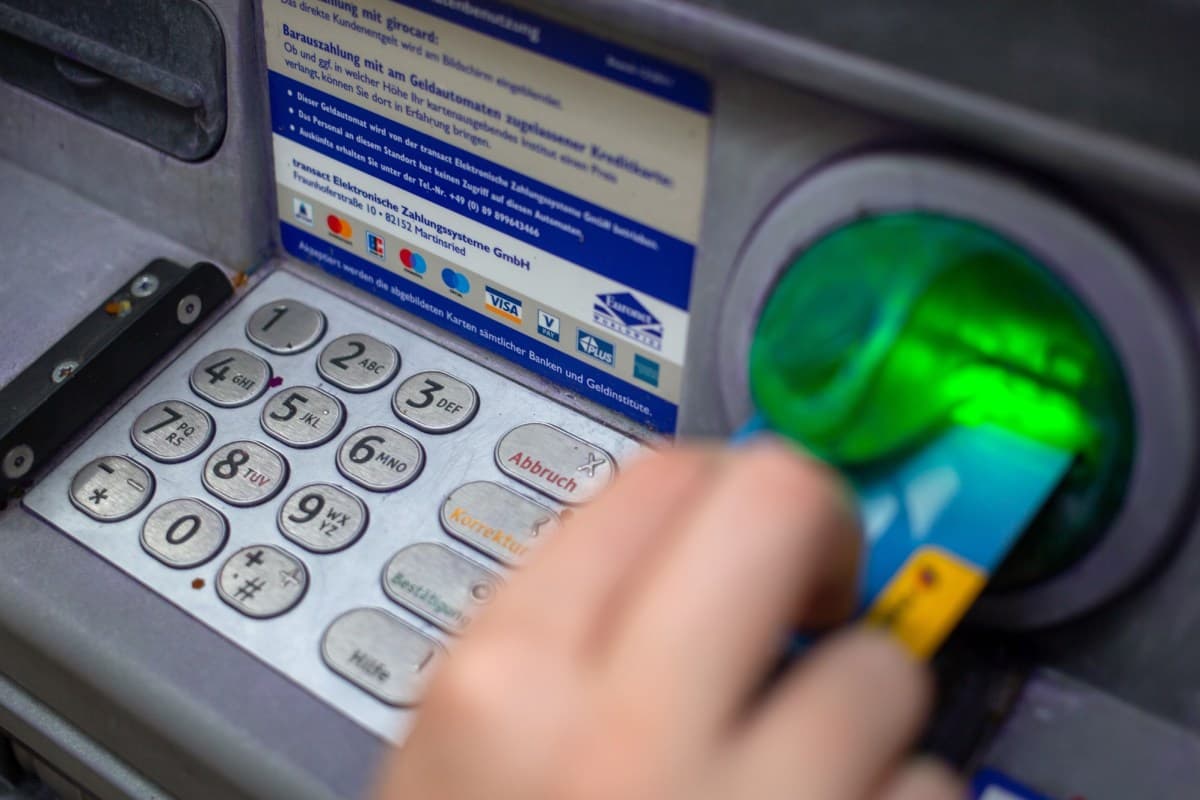
News•Feb 19, 2026
FBI Says ATM ‘Jackpotting’ Attacks Are on the Rise, and Netting Hackers Millions in Stolen Cash
ATM jackpotting has shifted from a security demo to a lucrative crime, with hackers now pulling millions from cash dispensers. The FBI reports over 700 attacks in 2025 alone, netting at least $20 million in stolen cash. The primary tool, Ploutus...
By TechCrunch (Cybersecurity)

News•Feb 18, 2026
Microsoft Says Office Bug Exposed Customers’ Confidential Emails to Copilot AI
Microsoft confirmed a bug in its 365 Copilot Chat that allowed the AI to read and summarize customers' confidential emails for weeks, even when data‑loss‑prevention policies were in place. The issue, tracked as CW1226324, affected both draft and sent messages...
By TechCrunch (Cybersecurity)

News•Feb 18, 2026
Intellexa’s Predator Spyware Used to Hack iPhone of Journalist in Angola, Research Says
Amnesty International reported that a government client of sanctioned spyware firm Intellexa used its Predator tool to compromise the iPhone of Angolan journalist Teixeira Cândido in 2024. The intrusion was delivered through a malicious WhatsApp link, exploiting an outdated iOS...
By TechCrunch (Cybersecurity)

News•Feb 14, 2026
Indian Pharmacy Chain Giant Exposed Customer Data and Internal Systems
India’s largest pharmacy chain, DavaIndia, part of Zota Healthcare, suffered a critical security breach that gave unauthenticated attackers full administrative control of its platform. The flaw exposed roughly 17,000 online orders and allowed manipulation of product listings, pricing, and prescription...
By TechCrunch (Cybersecurity)

News•Feb 13, 2026
Sex Toys Maker Tenga Says Hacker Stole Customer Information
Japanese sex‑toy manufacturer Tenga disclosed a data breach after a hacker accessed a staff member’s professional email account, potentially exposing customer names, email addresses, and order details. The intrusion allowed the attacker to view historical correspondence and send spam to...
By TechCrunch (Cybersecurity)

News•Feb 12, 2026
Hacker Linked to Epstein Removed From Black Hat Cyber Conference Website
Black Hat quietly removed veteran hacker Vincenzo Iozzo from its review board after DOJ documents linked him to Jeffrey Epstein. Iozzo, founder of SlashID and former CrowdStrike senior director, had served on the board since 2011. He denies any illegal...
By TechCrunch (Cybersecurity)

News•Feb 11, 2026
DOJ Says Trenchant Boss Sold Exploits to Russian Broker Capable of Accessing ‘Millions of Computers and Devices’
The DOJ has charged Peter Williams, former general manager of Trenchant—a cyber‑offensive unit of L3Harris—with stealing eight zero‑day exploits and selling them to a Russian broker for about $1.3 million in cryptocurrency. Prosecutors say the tools could grant access to millions of...
By TechCrunch (Cybersecurity)

News•Feb 9, 2026
Hacktivist Scrapes over 500,000 Stalkerware Customers’ Payment Records
A hacktivist identified as “wikkid” scraped more than 536,000 payment records from the stalkerware vendor Struktura, also operating as Ersten Group. The leaked dataset reveals customer email addresses, the specific surveillance app purchased, payment amounts, card type and last four...
By TechCrunch (Cybersecurity)

News•Feb 6, 2026
China’s Salt Typhoon Hackers Broke Into Norwegian Companies
The Norwegian Police Security Service has confirmed that the Chinese‑backed hacking group Salt Typhoon breached several Norwegian companies, exploiting vulnerable network devices to conduct espionage. This marks Norway as the latest nation to publicly acknowledge a Salt Typhoon intrusion. The group, described...
By TechCrunch (Cybersecurity)

News•Feb 5, 2026
Data Breach at Govtech Giant Conduent Balloons, Affecting Millions More Americans
A ransomware attack in January 2025 crippled Conduent’s systems and has now been linked to at least 15.4 million affected Texans and 10.5 million Oregonians, far exceeding the company’s earlier estimate of four million victims. The breach exposed names, Social Security numbers, medical...
By TechCrunch (Cybersecurity)

News•Feb 2, 2026
Notepad++ Says Chinese Government Hackers Hijacked Its Software Updates for Months
The Notepad++ developer confirmed that state‑linked Chinese hackers hijacked the editor’s update mechanism from June to December 2025, delivering malicious payloads to a limited set of users. The attackers exploited a vulnerability on a shared‑hosting server to redirect update requests...
By TechCrunch (Cybersecurity)

News•Jan 30, 2026
Informant Told FBI that Jeffrey Epstein Had a ‘Personal Hacker’
A confidential informant told the FBI in 2017 that Jeffrey Epstein hired a personal hacker, described as an Italian from Calabria with expertise in iOS, BlackBerry and Firefox vulnerabilities. The informant claimed the hacker created zero‑day exploits and sold them...
By TechCrunch (Cybersecurity)

News•Jan 30, 2026
Russian Hackers Breached Polish Power Grid Thanks to Bad Security, Report Says
Poland’s Computer Emergency Response Team confirmed that Russian state‑linked hackers infiltrated wind, solar and a heat‑and‑power plant by exploiting default passwords and the absence of multi‑factor authentication. The attackers deployed wiper malware that disabled monitoring systems at renewable sites, though...
By TechCrunch (Cybersecurity)