
Someone Planted Backdoors in Dozens of WordPress Plug-Ins Used in Thousands of Websites
A supply‑chain attack was uncovered after the Essential Plugin portfolio was sold, with a hidden backdoor inserted into dozens of WordPress plugins. The malicious code lay dormant until this month, then began delivering payloads to any site using the affected plugins. Over 400,000 installations across roughly 20,000 active WordPress sites were potentially compromised before the plugins were pulled from the official directory. The incident follows a similar hijack discovered just weeks earlier, underscoring a growing threat to the WordPress ecosystem.

Booking.com Confirms Hackers Accessed Customers’ Data
Booking.com disclosed that unauthorized parties may have accessed customer records, including names, email addresses, phone numbers and reservation details. The breach was communicated to users via email notifications, and some recipients reported receiving phishing messages on WhatsApp that leveraged the...

Hack at Anodot Leaves over a Dozen Breached Companies Facing Extortion
Hackers from the ShinyHunters group breached business‑monitoring platform Anodot, stealing authentication tokens that unlocked customer cloud data. The breach, which began on April 4, exposed at least a dozen client companies—including Rockstar Games—to extortion threats demanding ransom to keep the data...

France to Ditch Windows for Linux to Reduce Reliance on US Tech
France announced a plan to replace Windows on certain government computers with the open‑source Linux operating system, starting with the digital agency DINUM. The move is framed as a step toward digital sovereignty, reducing reliance on U.S. technology firms. No...

Convicted Spyware Chief Hints that Greece’s Government Was Behind Dozens of Phone Hacks
Intellexa founder Tal Dilian, convicted of orchestrating a mass‑wiretapping campaign in Greece, announced his intention to appeal the eight‑year prison sentence. The scandal, dubbed “Greek Watergate,” involved the Predator spyware compromising phones of ministers, opposition leaders, military officials and journalists....

FBI Says Iranian Hackers Are Using Telegram to Steal Data in Malware Attacks
The FBI warned that Iranian Ministry of Intelligence and Security (MOIS) hackers are leveraging Telegram bots as a command‑and‑control channel to exfiltrate data from dissidents, opposition groups, and journalists. Attackers first send phishing links masquerading as Telegram or WhatsApp apps,...

Stryker Says It’s Restoring Systems After Pro-Iran Hackers Wiped Thousands of Employee Devices
Stryker is restoring its computers and internal network after a March 11 cyberattack that allowed pro‑Iranian hackers to remotely wipe tens of thousands of employee devices. The breach exploited a compromised Microsoft Intune administrator account, giving the attackers near‑unlimited control over...

US Cybersecurity Agency CISA Reportedly in Dire Shape Amid Trump Cuts and Layoffs
U.S. Cybersecurity and Infrastructure Security Agency (CISA) is reportedly operating at roughly 38% of its pre‑Trump staffing levels, after losing about one‑third of its workforce during the administration’s first year. The cuts have crippled core programs, including the counter‑ransomware initiative...
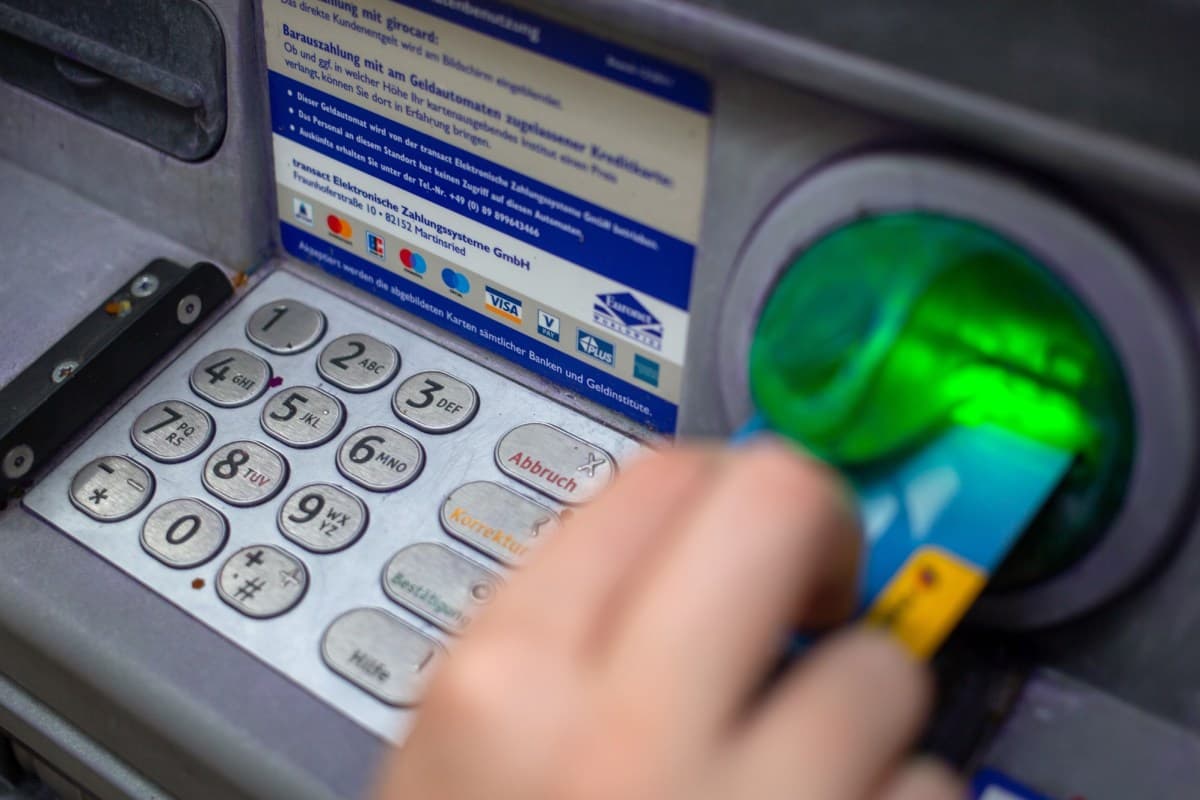
FBI Says ATM ‘Jackpotting’ Attacks Are on the Rise, and Netting Hackers Millions in Stolen Cash
ATM jackpotting has shifted from a security demo to a lucrative crime, with hackers now pulling millions from cash dispensers. The FBI reports over 700 attacks in 2025 alone, netting at least $20 million in stolen cash. The primary tool, Ploutus...

Microsoft Says Office Bug Exposed Customers’ Confidential Emails to Copilot AI
Microsoft confirmed a bug in its 365 Copilot Chat that allowed the AI to read and summarize customers' confidential emails for weeks, even when data‑loss‑prevention policies were in place. The issue, tracked as CW1226324, affected both draft and sent messages...

Intellexa’s Predator Spyware Used to Hack iPhone of Journalist in Angola, Research Says
Amnesty International reported that a government client of sanctioned spyware firm Intellexa used its Predator tool to compromise the iPhone of Angolan journalist Teixeira Cândido in 2024. The intrusion was delivered through a malicious WhatsApp link, exploiting an outdated iOS...

Indian Pharmacy Chain Giant Exposed Customer Data and Internal Systems
India’s largest pharmacy chain, DavaIndia, part of Zota Healthcare, suffered a critical security breach that gave unauthenticated attackers full administrative control of its platform. The flaw exposed roughly 17,000 online orders and allowed manipulation of product listings, pricing, and prescription...

Sex Toys Maker Tenga Says Hacker Stole Customer Information
Japanese sex‑toy manufacturer Tenga disclosed a data breach after a hacker accessed a staff member’s professional email account, potentially exposing customer names, email addresses, and order details. The intrusion allowed the attacker to view historical correspondence and send spam to...

Hacker Linked to Epstein Removed From Black Hat Cyber Conference Website
Black Hat quietly removed veteran hacker Vincenzo Iozzo from its review board after DOJ documents linked him to Jeffrey Epstein. Iozzo, founder of SlashID and former CrowdStrike senior director, had served on the board since 2011. He denies any illegal...

DOJ Says Trenchant Boss Sold Exploits to Russian Broker Capable of Accessing ‘Millions of Computers and Devices’
The DOJ has charged Peter Williams, former general manager of Trenchant—a cyber‑offensive unit of L3Harris—with stealing eight zero‑day exploits and selling them to a Russian broker for about $1.3 million in cryptocurrency. Prosecutors say the tools could grant access to millions of...

Hacktivist Scrapes over 500,000 Stalkerware Customers’ Payment Records
A hacktivist identified as “wikkid” scraped more than 536,000 payment records from the stalkerware vendor Struktura, also operating as Ersten Group. The leaked dataset reveals customer email addresses, the specific surveillance app purchased, payment amounts, card type and last four...

China’s Salt Typhoon Hackers Broke Into Norwegian Companies
The Norwegian Police Security Service has confirmed that the Chinese‑backed hacking group Salt Typhoon breached several Norwegian companies, exploiting vulnerable network devices to conduct espionage. This marks Norway as the latest nation to publicly acknowledge a Salt Typhoon intrusion. The group, described...

Data Breach at Govtech Giant Conduent Balloons, Affecting Millions More Americans
A ransomware attack in January 2025 crippled Conduent’s systems and has now been linked to at least 15.4 million affected Texans and 10.5 million Oregonians, far exceeding the company’s earlier estimate of four million victims. The breach exposed names, Social Security numbers, medical...

Notepad++ Says Chinese Government Hackers Hijacked Its Software Updates for Months
The Notepad++ developer confirmed that state‑linked Chinese hackers hijacked the editor’s update mechanism from June to December 2025, delivering malicious payloads to a limited set of users. The attackers exploited a vulnerability on a shared‑hosting server to redirect update requests...

Informant Told FBI that Jeffrey Epstein Had a ‘Personal Hacker’
A confidential informant told the FBI in 2017 that Jeffrey Epstein hired a personal hacker, described as an Italian from Calabria with expertise in iOS, BlackBerry and Firefox vulnerabilities. The informant claimed the hacker created zero‑day exploits and sold them...

Russian Hackers Breached Polish Power Grid Thanks to Bad Security, Report Says
Poland’s Computer Emergency Response Team confirmed that Russian state‑linked hackers infiltrated wind, solar and a heat‑and‑power plant by exploiting default passwords and the absence of multi‑factor authentication. The attackers deployed wiper malware that disabled monitoring systems at renewable sites, though...

Amid Trump Attacks and Weaponized Sanctions, Europeans Look to Rely Less on US Tech
European leaders are accelerating efforts to curb dependence on U.S. technology after a series of Trump‑era sanctions, including the placement of ICC judge Kimberly Prost on a sanctions list that crippled her daily life. The European Parliament’s recent report highlighted...

Saudi Satirist Hacked with Pegasus Spyware Wins Damages in Court Battle
A London High Court judge awarded Saudi satirist Ghanem Al‑Masarir more than £3 million in damages after finding compelling evidence that his iPhone was compromised with NSO Group’s Pegasus spyware. The ruling concluded the hacking was directed or authorised by the...

UStrive Security Lapse Exposed Personal Data of Its Users, Including Children
UStrive, a nonprofit mentoring platform for students, fixed a security lapse that let any logged‑in user view personal data of others, including children. The flaw stemmed from a vulnerable Amazon‑hosted GraphQL endpoint, exposing at least 238,000 records containing names, emails,...

How a Hacking Campaign Targeted High-Profile Gmail and WhatsApp Users Across the Middle East
A WhatsApp‑delivered phishing campaign targeting high‑profile Gmail and WhatsApp users across the Middle East was uncovered after activist Nariman Gharib shared a malicious link. Researchers traced the attack to DuckDNS‑masked domains such as alex-fabow.online, which harvested credentials, two‑factor codes, and...

US Cargo Tech Company Publicly Exposed Its Shipping Systems and Customer Data to the Web
Bluspark Global, a U.S. shipping‑tech firm behind the Bluvoyix platform, left its API and customer data exposed to the public internet. Researchers discovered unauthenticated endpoints, plaintext passwords, and the ability to create admin accounts, granting access to decades‑old shipment records....

Man to Plead Guilty to Hacking US Supreme Court Filing System
Nicholas Moore, a 24‑year‑old from Springfield, Tennessee, is set to plead guilty to unauthorized access of the U.S. Supreme Court’s electronic filing system on 25 separate days between August and October 2023. Prosecutors allege he obtained information from a protected...
Fintech Firm Betterment Confirms Data Breach After Hackers Send Fake Crypto Scam Notification to Users
Betterment confirmed that hackers breached its systems on Jan 9 through a social‑engineering attack on third‑party platforms, exposing customers' names, emails, addresses, phone numbers and dates of birth. The intruders used the stolen data to send a fraudulent crypto‑investment notification promising...

Founder of Spyware Maker pcTattletale Pleads Guilty to Hacking and Advertising Surveillance Software
Bryan Fleming, founder of the U.S. spyware firm pcTattletale, entered a guilty plea in San Diego federal court to charges of computer hacking, illegal sale and advertising of surveillance software, and conspiracy. The case represents the first successful U.S. federal...

These Are the Cybersecurity Stories We Were Jealous of in 2025
TechCrunch’s year‑end roundup spotlights the most compelling cybersecurity stories it didn’t publish in 2025, ranging from high‑profile investigations to niche technical exposés. Highlights include The Washington Post revealing a secret UK court order forcing Apple to build a backdoor, The...

How a Spanish Virus Brought Google to Málaga
Bernardo Quintero finally identified the anonymous programmer behind the 1992 Virus Málaga, a harmless malware that sparked his fascination with cybersecurity. The discovery linked the virus to Antonio Enrique Astorga, who later became a teacher and left a lasting legacy....

US Insurance Giant Aflac Says Hackers Stole Personal and Health Data of 22.6 Million People
Aflac announced that hackers accessed personal and health information of 22.65 million customers, including Social Security numbers, medical records, and government IDs. The breach, disclosed in June, is linked to the Scattered Spider cyber‑criminal collective, which has been targeting insurers. Aflac’s...

Inside Uzbekistan’s Nationwide License Plate Surveillance System
Uzbekistan’s Ministry of Internal Affairs operates a national license‑plate‑reading system that monitors traffic with over a hundred high‑resolution cameras across the country. Security researcher Anurag Sen uncovered that the system’s web interface is publicly accessible without authentication, exposing GPS locations...

Hacks, Thefts, and Disruption: The Worst Data Breaches of 2025
TechCrunch’s 2025 cyber‑horror review highlights unprecedented breaches across government, enterprise and consumer sectors. The U.S. federal system faced multiple intrusions, culminating in the DOGE operation led by Elon Musk that accessed citizen records. ransomware gang Clop exploited a zero‑day in...

Cisco Says Chinese Hackers Are Exploiting Its Customers with a New Zero-Day
Cisco disclosed that Chinese‑linked hackers are exploiting a critical zero‑day vulnerability in its AsyncOS software, specifically targeting the Secure Email Gateway and Secure Email and Web Manager appliances. The flaw, active since at least November 2025, allows full device takeover and...

Hacking Group Says It’s Extorting Pornhub After Stealing Users’ Viewing Data
Scattered Lapsus$ Hunters, linked to the ShinyHunters gang, announced an extortion attempt against Pornhub after stealing personal data of premium members through a breach at analytics provider Mixpanel. The stolen information includes email addresses, location, and detailed viewing activity such...

Data Breach at Credit Check Giant 700Credit Affects at Least 5.6 Million
Credit‑check provider 700Credit disclosed a breach that compromised personal data of at least 5.6 million individuals, including names, addresses, dates of birth and Social Security numbers. The intrusion, traced to an unidentified actor, affected information collected from auto‑dealership customers between May...

Home Depot Exposed Access to Internal Systems for a Year, Says Researcher
A Home Depot employee inadvertently posted a private GitHub access token, exposing hundreds of internal source‑code repositories and cloud‑based order‑fulfillment and inventory systems for roughly a year. Security researcher Ben Zimmermann discovered the token in early November, tested its privileges,...

Flaw in Photo Booth Maker’s Website Exposes Customers’ Pictures
A security researcher discovered that Hama Film, a photo‑booth maker owned by Vibecast, left customer photos and videos publicly accessible due to a flaw in its file‑storage website. The issue was reported in October, but the company has not remedied...
Security Flaws in Freedom Chat App Exposed Users’ Phone Numbers and PINs
Freedom Chat, a secure‑messaging app launched in June, was found to expose users' phone numbers and PIN codes through two critical backend flaws. Researcher Eric Daigle demonstrated that nearly 2,000 phone numbers could be enumerated and that PINs were broadcast...

CEO of South Korean Retail Giant Coupang Resigns After Massive Data Breach
Coupang’s chief executive Park Dae‑jun resigned after a data breach that exposed personal information of roughly 34 million South Koreans, about half the nation’s population. The breach, which began in June and was only detected in November, was initially down‑played as...

Petco Takes Down Vetco Website After Exposing Customers’ Personal Information
Petco’s Vetco Clinics portal was partially taken offline after TechCrunch uncovered an insecure direct object reference (IDOR) that let anyone download PDF records containing owners' personal details and pet medical histories. The vulnerability exposed names, addresses, contact information, vaccination and...