
Prof. Goldstein on Cox V. Sony (Excerpt From His Treatise)
The U.S. Supreme Court in Cox v. Sony held that an ISP is not contributorily liable for subscriber infringement merely by providing a service with knowledge of potential misuse. Justice Thomas clarified that liability requires intent—either direct inducement or a service specifically tailored to infringement—rejecting the broader “knowledge” standard. The ruling overturns prior expectations that ISPs could be held accountable for passive facilitation and raises concerns about the stability of the safe‑harbor framework. The decision also fuels calls for congressional reform of statutory damages and guidance on emerging AI platforms.

Section 230’s Application to Account Terminations, CSAM, and More
In 2026 a series of rulings across California, Pennsylvania, Wisconsin, Texas and federal courts refined the scope of Section 230 immunity. The California Court of Appeal affirmed Google’s right to suspend ads under 230(c)(1), while the Eastern District of Pennsylvania...

A Religious Organization Is Suing Its Critics, and the Weapon of Choice Is Copyright—RRT V. Cheryl Bawtinheimer (Guest Blog Post)
Rapid Relief Team (RRT), the charitable arm of the Plymouth Brethren Christian Church, sued former member Cheryl Bawtinheimer in California for copyright infringement after her YouTube videos used RRT’s “Cookie Kookaburra Bird” logo as a backdrop while criticizing the organization....

Photobucket’s Attempted TOS Amendment Mostly Fails–Pierce V. Photobucket
Photobucket tried to bind dormant users to a 2024 Terms of Service that added a biometric‑data clause for AI and an arbitration provision. The Colorado district court held that only legacy users who received clear notice—like Ms. Hughes—were bound, while...
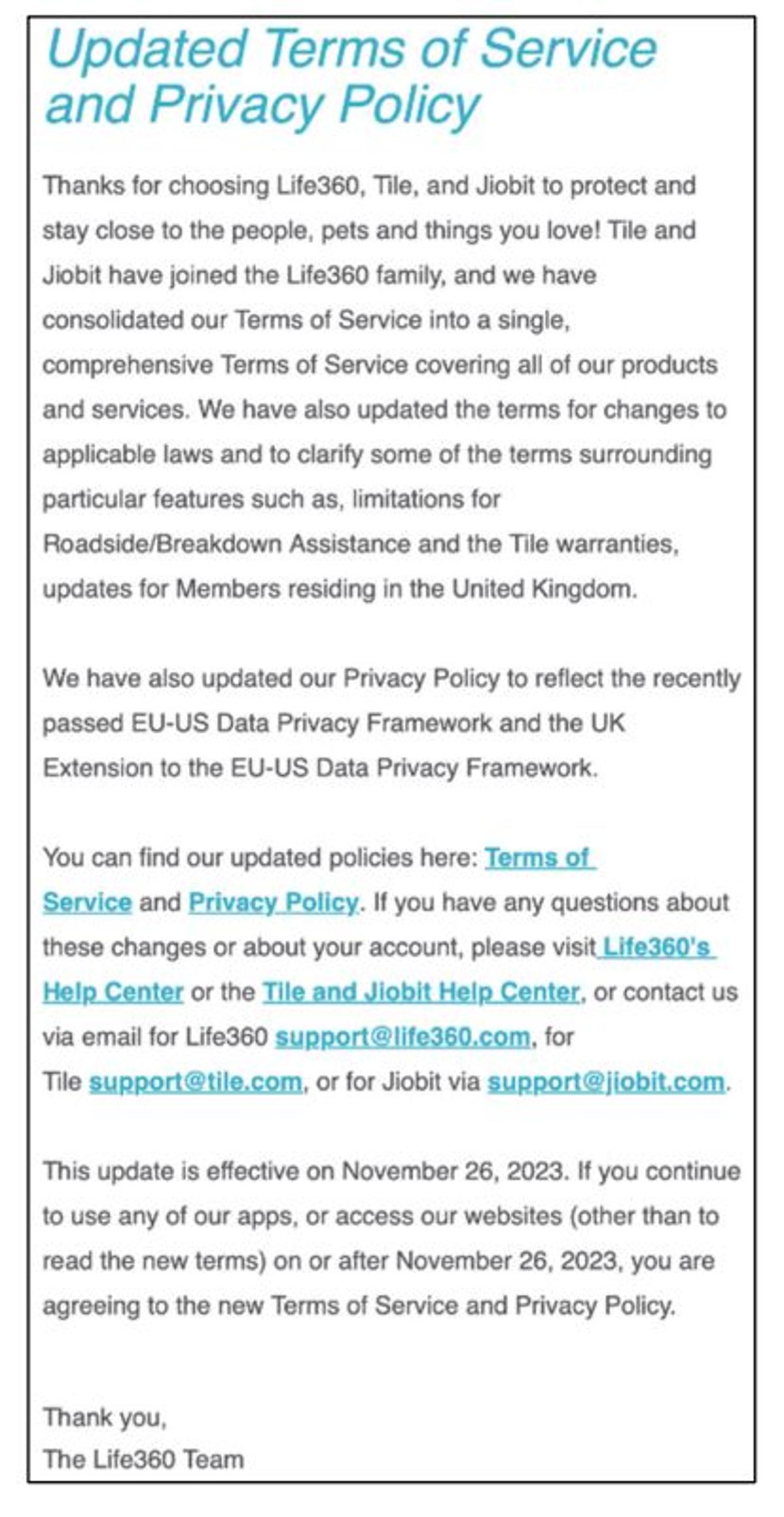
Ninth Circuit Allows TOS Amendment by Email–Ireland-Gordy V. Tile
The Ninth Circuit ruled that Tile’s October 2023 email update provided sufficient inquiry notice to bind users to the revised Terms of Service, including a new arbitration clause. The court applied a three‑factor test—transaction context, reasonable disclosure, and lack of alternative...
Catching Up on Some Social Media Addiction Rulings
Three recent rulings sharpen the legal battle over social‑media addiction. The Nevada Supreme Court affirmed personal jurisdiction over Snap, critiqued its age‑verification design, and sidestepped a feature‑by‑feature Section 230 analysis. In Delaware, a court denied Meta’s insurers a duty to defend,...

Free-Trial Commercial Database Defeats Publicity Rights Claim–LaFleur V. Yardi
The Sixth Circuit dismissed Ohio property owners' right‑of‑publicity lawsuit against Yardi’s PropertyShark, a free‑trial commercial database that aggregates government real‑estate records. The court held that the plaintiffs failed to demonstrate any commercial value in their names, a prerequisite for a...
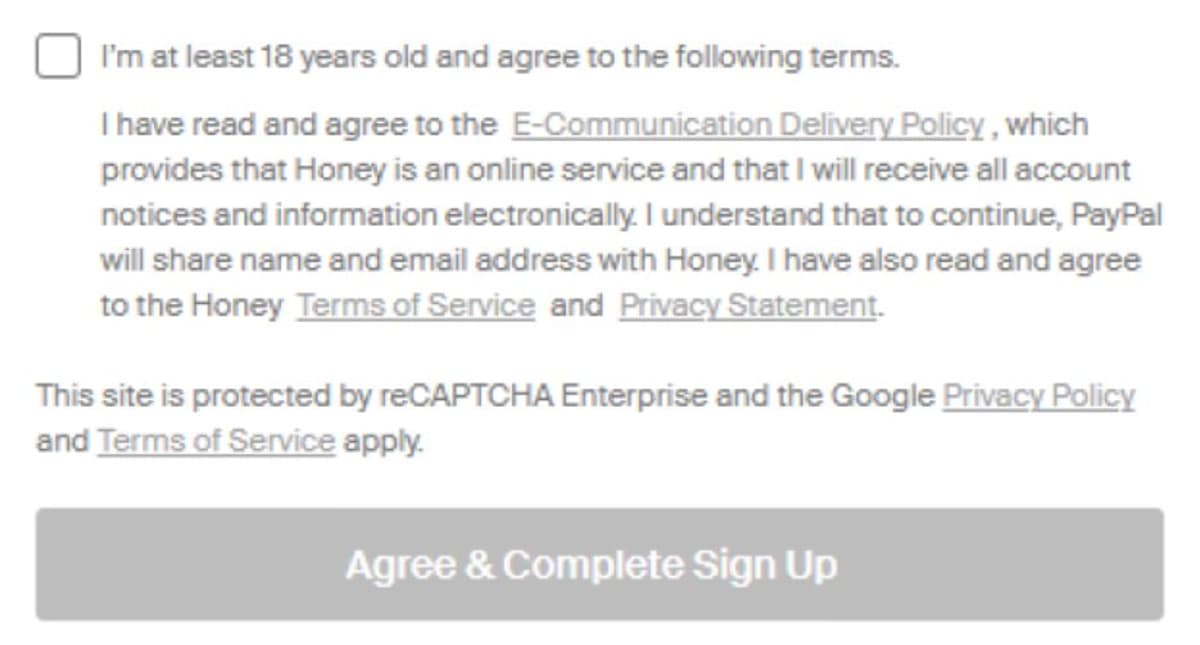
If You Don’t Keep Good Records, Don’t Be Surprised if Your TOS Formation Fails in Court–White V. PayPal
In White v. PayPal, the court examined Honey’s terms‑of‑service (TOS) formation across several years, denying arbitration for most plaintiffs due to inadequate evidence of user assent. The judge accepted Wayback Machine screenshots for some periods but rejected them when UI...
New Article Alert: “SAD Scheme Standing Orders”
Eric Goldman announced a forthcoming Chicago‑Kent Law Review essay titled “SAD Scheme Standing Orders.” The piece surveys the emerging wave of judicial standing orders aimed at curbing the abusive Schedule A (SAD) IP enforcement scheme that has proliferated over the past...

Fair Use Blocks Privacy-Motivated Copyright Lawsuit–MCM V. Perry
The Southern District of New York dismissed a copyright infringement claim against Twitter user Perry after finding his tweet‑embedded screenshot qualified as fair use. Perry’s tweet juxtaposed a Forbes 30 Under 30 profile with a still from a pornographic video...

How Does the Initial Interest Confusion Doctrine Improve Trademark Analyses?–Dassault V. Childress
The Eastern District of Michigan issued a 2026 opinion in Dassault Systèmes v. Childress that clarifies the status of the initial‑interest confusion doctrine. The court held that the Sixth Circuit’s 2020 decision did not foreclose the doctrine as a viable...
This Week in the “DMCA Eating Copyright Law”: Cordova V. Huneault (Guest Blog Post)
The Northern District of California allowed a DMCA §1201(a) claim to survive a motion to dismiss in Cordova v. Huneault, finding that YouTube’s rolling‑cipher encryption qualifies as an access‑control measure. The court emphasized that the public‑viewable nature of the videos does...

Another Confusing Internet Jurisdiction Opinion (This Time, From the 1st Circuit)–Stokinger V. Armslist
The First Circuit affirmed a district court’s dismissal of a lawsuit against Armslist for lack of personal jurisdiction in New Hampshire, but crafted a nuanced analysis of purposeful availment. The court emphasized that thousands of New Hampshire listings, advertising revenue, and the...