
10 Marketing Trends to Watch Now
Marketing leaders face a flood of emerging tactics, but AI, creator ecosystems, social commerce and advanced analytics stand out as durable shifts. Artificial intelligence and machine learning automate routine work while delivering hyper‑personalized customer journeys and refined segmentation. Social commerce and influencer‑driven video content blur the line between discovery and purchase, demanding new creative and measurement approaches. Ultimately, disciplined analytics and ROI tracking are becoming non‑negotiable for allocating spend across these trends.

The Promise of SRE: Can It Ease Infrastructure Integration?
Site Reliability Engineering (SRE) was created to fuse developers and system engineers, giving early signals of production failures and improving operational productivity by 20‑30% and developer experience by 30‑40% according to a June 2025 McKinsey report. By embedding system engineers in...

Using AI to Balance Nursing Workloads in Infusion Centers
UCSF Health has integrated an AI‑driven patient‑assignment feature into its LeanTaaS iQueue platform to balance nursing workloads in infusion centers. The tool analyzes staffing schedules, patient demand, and capacity data, offering real‑time assignment suggestions that charge nurses can accept or...

Top Vulnerability Scanning Tools for Security Teams
Vulnerability scanning tools have matured from simple network probes to sophisticated platforms that assess hosts, applications, cloud environments, and code. Leading solutions such as Burp Suite, Intruder, Nessus, OpenVAS, and Snyk now embed AI features to prioritize findings and reduce...

EHR Giants Have Entered the AI Arena. What Does It Mean for Startups?
Legacy EHR giants such as Epic and athenahealth have begun embedding AI-native features—including real‑time charting and automated scribing—into their platforms, turning AI from a niche add‑on into a core capability. This shift challenges health‑AI startups that previously dominated the space,...

Narayen Ushered Adobe Out of Diskettes All the Way to the AI Era
Adobe chief executive Shantanu Narayen announced his departure after 18 years, capping a tenure that steered the company from desktop software and physical media to a cloud‑first, AI‑enabled business model. He championed the 2012 launch of Marketing Cloud and oversaw marquee...

Understanding the Layers of the AI‑ready Modern Data Stack
Enterprises are rapidly replacing legacy data architectures with an AI‑ready modern data stack as AI initiatives surge. Deloitte’s 2026 survey shows strategic AI readiness rose to 42%, but confidence in data‑management capabilities slipped to 40%, while an IDC study found...

How to Build an Effective Big Data Strategy
Smart organizations leverage big data to boost performance, but without a clear strategy they risk duplicated projects, compliance breaches, and wasted spend. The article outlines a four‑step framework—defining business goals, assessing data readiness, prioritizing use cases, and creating a flexible...

Secure File Transfer Services: Types, Tools and Selection Tips
Secure file transfer services replace legacy protocols with encrypted, access‑controlled solutions that meet modern compliance demands. The market spans simple SCP tools to sophisticated Managed File Transfer platforms offering AI‑driven threat detection, audit logging, and integration with identity providers. Leading...

Cloud ERP Vs. On-Premises ERP: Key Differences
The article contrasts cloud‑based SaaS ERP with traditional on‑premises solutions, outlining twelve critical differences such as deployment speed, customization, update frequency, and total cost of ownership. It highlights that vendors are channeling innovation—especially AI and blockchain—into cloud offerings, while on‑prem...

How to Remove a Work Profile From an Android Device
Android work profiles let enterprises isolate corporate data while preserving user privacy. When employees leave or devices are lost, both end‑users (on BYOD devices) and IT admins can delete the profile without wiping personal data, using native Settings or the...

Data Lineage Documentation Matters for Enterprise Reliability
Enterprises are increasingly recognizing that knowing where data resides is insufficient without visibility into its lifecycle. Data lineage—tracking origin, transformations, and access—provides the transparency needed for accountability, data quality, compliance, and reduced technical debt. The article highlights how poor lineage...

Cloud Storage Security Best Practices
The article outlines best‑practice controls for securing cloud storage, emphasizing enterprise‑wide identity governance, centralized telemetry, and hardened backup domains. It recommends federated authentication, automated credential rotation, and least‑privilege role mapping across providers. It also advises consolidating logs into SIEM/XDR platforms,...

Top UEBA Use Cases in Enterprise Cybersecurity
User and Entity Behavior Analytics (UEBA) leverages machine‑learning to model normal activity across users, devices and applications, then flags deviations that indicate threats. By ingesting logs, configuration files and network telemetry, UEBA can spot lateral movement, compromised credentials, insider abuse,...

Identity Is Quietly Becoming Enterprise IT's Control Plane
Enterprise IT is shifting from network‑centric security to identity‑centric governance. As employees access resources from personal devices, cloud apps, and AI tools, identity systems and policies now define the perimeter. Microsoft Intune’s app‑protection without enrollment shows how application access can...

What Is Manager Self-Service?
Manager self‑service platforms give supervisors instant, mobile‑first access to employee records, time‑cards, leave balances and performance data. By digitizing routine HR transactions, these tools let managers approve requests, run reports and enforce policies without HR intervention. Vendors such as ADP...

Clinical AI Gains Ground in a Resource-Constrained Hospital
San Juan Regional Medical Center, a rural hospital serving the Four Corners region, has implemented Wellsheet, a clinical AI platform that embeds UpToDate evidence directly into the electronic health record. The adoption, launched in January 2026, is driven by chronic...

9 Mobile Device Management Best Practices for Businesses
Mobile device management (MDM) is essential for securing smartphones, tablets, and laptops in modern enterprises, especially as BYOD expands. The article outlines nine best‑practice steps, from establishing comprehensive MDM policies and enforcing PIN/MFA to integrating DLP, remote wipe, automated OS...

Data Center Cooling Systems and Technologies and How They Work
Data center cooling is becoming a strategic priority as AI‑driven and hyperscale workloads push power densities higher, forcing facilities to manage heat more aggressively. The global cooling market is forecast to grow at roughly 14% annually through 2033, with U.S....

Athenahealth Uses Health Tech Ecosystem to Unify Patient Experience
Athenahealth and b.well have launched a FHIR‑based patient‑led data‑sharing platform that generates QR codes for instant health‑record transfer. The solution, part of the CMS Health Tech Ecosystem “Kill the Clipboard” initiative, pulls data from athena and non‑athena EHRs as well...

How to Use AI in Storage Management
AI‑driven AIOps is reshaping storage management by applying machine learning, large language models, and agentic AI to automate monitoring, predictive analytics, and remediation. Platforms from Dell, HPE, IBM, NetApp, Pure and others offer SaaS or on‑prem solutions that translate telemetry...

8 Benefits of Using Big Data for Businesses
Big data delivers eight strategic benefits for businesses, from deeper customer insight to real‑time decision making. By integrating diverse data sources—clickstreams, sensor feeds, social media—companies can personalize experiences, sharpen market intelligence, and streamline supply chains. Advanced architectures like lakehouses enable...

OCR Director Defends HIPAA Updates: "The Cost of Doing Nothing Is Very High"
OCR director Paula Stannard told HIMSS attendees that the HHS Office for Civil Rights is still reviewing 4,700 public comments on the Biden‑era HIPAA Security Rule proposal, which would impose stricter controls and longer implementation timelines. She warned that the...

5 Top Generative AI Use Cases in Procurement
Generative AI is reshaping procurement by automating document‑heavy tasks such as drafting RFPs, reviewing contracts, analyzing spend, assessing supplier risk, and supporting unusual purchase requisitions. The technology can produce first‑draft texts, flag non‑standard clauses, surface tail‑spend anomalies, and continuously monitor...

Data Center Security Compliance Checklist
The March 2026 update of the Data Center Security Compliance Checklist expands the traditional security framework to include AI‑governance and sustainability mandates. It outlines cross‑team alignment, the shift to PCI DSS 4.0, and the relevance of standards such as SOC 2, ISO 27001, GDPR, FedRAMP...

Material Requirements Planning (MRP)
Material Requirements Planning (MRP) is a systematic approach that converts a product's bill of materials, inventory status, and master production schedule into precise material and production orders. By automating the calculation of dependent demand, MRP ensures components are available exactly...

Managing Shadow AI Risks as Healthcare Embraces Innovation
Healthcare organizations are grappling with “shadow AI,” the unsanctioned use of generative AI tools by staff. A Wolters Kluwer survey found 40% of workers encounter such tools and 17% use them, while Netskope reports enterprise‑managed AI adoption jumped from 12% to...

How to Build an HR Software Business Case
The article outlines a step‑by‑step framework for building a compelling business case for new HR software. It starts with gathering quantitative HR requirements, then assessing existing system capabilities to avoid redundant purchases. By quantifying time‑savings across data entry, reporting, and...

RSAC 2026 Conference: Key News and Industry Analysis
RSAC 2026, themed “The Power of Community,” convenes 44,000 security professionals in San Francisco from March 23‑26, featuring over 700 vendors, 500 sessions across 25 tracks, and a focus on collaborative defense. Pre‑conference coverage highlights AI agent overload, breach transparency, IoT vulnerabilities,...
15 Top Data Catalog Software Tools to Consider Using in 2026
Enterprises are grappling with fragmented data landscapes, prompting a surge in data catalog adoption. Modern catalog tools not only inventory metadata but also embed AI, generative AI, and natural‑language interfaces to accelerate discovery and governance. The article lists 15 leading...

Direct Materials Sourcing Technology a Hub for Manufacturers
Spencer Penn’s three‑year stint at Tesla exposed a manual, fragmented direct‑materials sourcing process that hampered development speed and profit margins. Recognizing a critical automation gap between the product‑lifecycle‑management system and ERP, he co‑founded LightSource in 2021. The startup delivers an...

How to Use Intune App Protection without MDM Enrollment
Microsoft Intune now lets organizations protect corporate data on BYOD devices without enrolling them in a full MDM solution. By applying app‑protection policies to apps that embed the Intune SDK, IT can enforce PINs, data‑sharing restrictions, and multi‑identity separation. Conditional...

Top Threat Modeling Tools, Plus Features to Look For
Automated threat‑modeling tools streamline the identification of risks and generate remediation recommendations, reducing the manual effort traditionally required. The article outlines a selection framework that blends business objectives, SDLC alignment, and functional criteria such as data‑ingestion ease, threat‑intel integration, and...

5G Security: Everything You Should Know for a Secure Network
5G introduces a service‑based, cloud‑native architecture that replaces 4G's hardware‑centric design, bringing modular network functions and edge computing. The standard embeds stronger 256‑bit encryption, privacy‑preserving identifiers, and a new authentication protocol to protect user data and device identities. Additional features...

Observability Vs. Monitoring: What's the Difference?
Observability and monitoring are often conflated, but they serve distinct purposes. Monitoring continuously watches predefined metrics and alerts when thresholds are breached, providing real‑time detection of outages or performance degradation. Observability goes deeper, aggregating metrics, logs, and traces to infer...
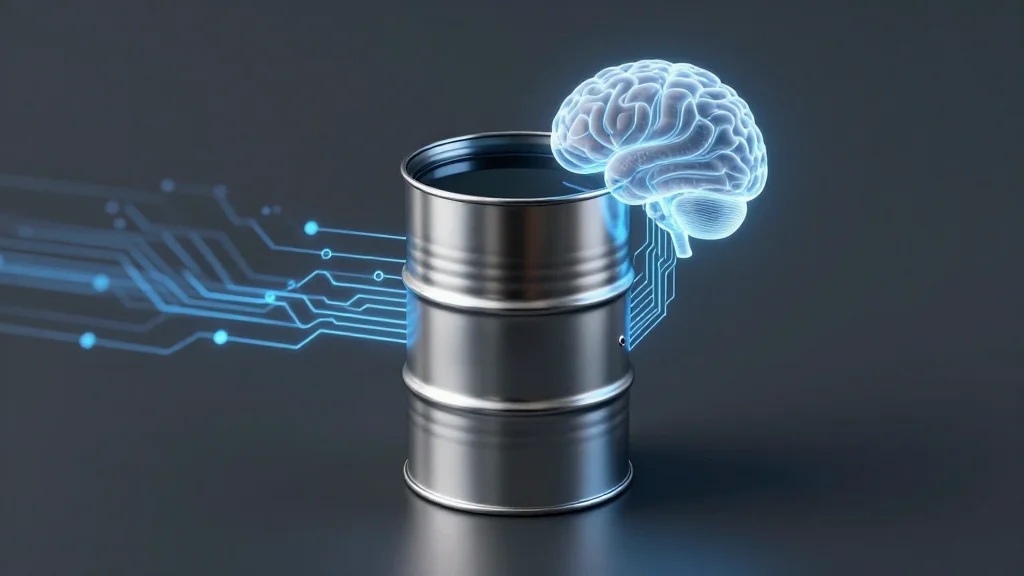
Capgemini Exec Shares Lessons From SAP Agentic AI Projects
Capgemini’s AI lead Gianluca Simeone detailed how SAP’s agentic AI platform, powered by the Joule copilot and Business Data Cloud, is being used to automate complex ERP processes. He highlighted a three‑week rollout of custom agents that span SAP and...

Can Microsoft Teams Chat Be Monitored?
Microsoft Teams chat can be monitored using native Microsoft 365 compliance features and third‑party solutions. Monitoring requires an E5 license or an E3 plan with the E5 Compliance add‑on, after which admins enable communication‑compliance, assign roles, and create policies. Tools such...

How to Build a Plan for PC and Desktop Lifecycle Management
IT leaders must revisit PC lifecycle policies as Windows 11 hardware mandates, security baselines, and ESG goals reshape refresh strategies. The typical refresh window remains three to four years, but TPM 2.0 and CPU requirements are pushing many firms to accelerate upgrades....
The Illusion of Choice in Enterprise Desktop Strategy
Enterprises are finding that desktop‑OS choices in 2026 are no longer a tactical IT decision but a forced strategic commitment driven by the Windows 10 end‑of‑support deadline, costly Windows 11 upgrades, and the tax‑like Extended Security Updates (ESU). The pressure to meet...

How to Create a Mobile Device Management Policy for Your Org
Mobile device management (MDM) policies are now a core governance tool for protecting data across corporate, BYOD, and hybrid workforces. The guide outlines five essential steps—defining purpose, engaging stakeholders, drafting usage rules, setting enforcement, and ongoing review—to build a robust...

Should Enterprises Upgrade to Windows 11 Now?
Enterprises face a critical decision as Windows 10 support ends in October 2025, prompting many to accelerate Windows 11 migration plans. The upgrade demands comprehensive hardware inventories to meet TPM 2.0, Secure Boot, and higher memory and storage thresholds, as well as extensive application compatibility...

The New Geography of Enterprise Risk
Enterprises are seeing risk migrate from downstream system failures to upstream decision‑making as software adoption cycles shrink. Identity and access management, once a gatekeeper for core systems, now sits at the top of the IT stack, shaping workflows, roles, and...

When Is Windows 10 End of Life? How to Extend Support
Microsoft will cease mainstream support for Windows 10 on October 14 2025, forcing enterprises to choose between upgrading to Windows 11, purchasing Extended Security Updates (ESU), or retiring legacy hardware. ESU offers up to three years of security patches but excludes new features and...

5 Ways to Achieve Rapid IT Incident Resolution
Rapid IT incident resolution is essential for digital availability, as downtime erodes revenue, brand trust, security posture, and compliance. The article outlines five strategic practices—unified dashboards, automation, clear escalation procedures, robust documentation, and business‑driven incident prioritization—each tied to measurable KPIs....

9 Ways to Ensure Regulatory Compliance in Cloud Storage
Cloud storage compliance has become a top priority for IT leaders in 2026 as organizations increasingly rely on remote data repositories. Rising regulatory scrutiny—spanning GDPR, HIPAA, PCI DSS, CCPA and others—means non‑compliance can trigger hefty fines, reputational harm, and operational...

Big Bang Vs. Phased ERP Implementation: Which Is Best?
Choosing between a big‑bang and a phased ERP implementation is a pivotal decision for C‑suite leaders. A big‑bang rollout delivers the entire system at once, eliminating interim integrations but carries high risk of cost overruns and delayed user feedback. A...