
American Academy of Nursing Issues Comprehensive AI Position Statement
On Feb. 25, 2026 the American Academy of Nursing (AAN) approved a comprehensive AI position statement that frames artificial intelligence as a collaborative tool to augment, not replace, nursing judgment. Developed by the Academy’s AI Taskforce, the document outlines 13 policy recommendations covering data privacy, algorithmic bias, FDA oversight, workforce education, and environmental impact. It calls for updated HIPAA rules, mandatory AI transparency disclosures, human‑in‑the‑loop oversight, and increased funding for nurse‑led AI research. The statement arrives amid rapid federal AI regulatory changes, including a recent FDA guidance easing pre‑market review of AI tools.

Telehealth Prescribing Laws in 2026: Navigating Controlled Substance Rules
The DEA has extended its COVID‑era telemedicine flexibilities for prescribing controlled substances until Dec. 31 2026, keeping the federal waiver on the in‑person exam requirement alive. However, many states have enacted stricter telehealth prescribing rules that can supersede the federal allowance, especially...

FDA Eases Digital Health Oversight as Approval Delays Continue to Shape Patient Access
The FDA announced a shift toward lighter regulatory oversight for digital health products, aiming to cut the lengthy approval timelines that have constrained patient access. Meanwhile, telehealth usage continues its surge, now representing 43% of Medicare mental‑health visits and prompting...

NIH Awards Fewer Grants Despite Increased Funding, Raising Concerns over Research Delays
Despite a recent federal funding boost, the National Institutes of Health has awarded only about 30% of the new research grants it typically funds this fiscal year. Delays in fund disbursement, driven by Office of Management and Budget restrictions, have...

Gen AI Shows Promise and Peril in Patient-Centered Care, New Review Finds
A new viewpoint in the Journal of Medical Internet Research reviews generative AI’s role in patient‑centered clinical decision support. Funded by AHRQ and led by NORC, the authors categorize four use‑case areas and outline six critical needs for safe integration....

States Move to Curb Private Equity in Healthcare as Federal Bill Targets Hospitals and Nursing Homes
State lawmakers are tightening rules on private‑equity ownership of health‑care providers, highlighted by Oregon's SB 951, the nation’s most restrictive law enacted in June 2025. Similar measures are emerging in California, Washington and Pennsylvania, while a federal proposal, the Take Back Our...

Telehealth Now Accounts for 43% of Medicare Mental Health Visits, JAMA Network Open Study Finds
A JAMA Network Open study of 9.6 million Medicare fee‑for‑service beneficiaries shows telehealth now accounts for 42.9% of outpatient mental‑health visits, up from 2.1% before COVID‑19. The surge peaked at 54.4% during the acute pandemic and settled at a stable post‑pandemic...
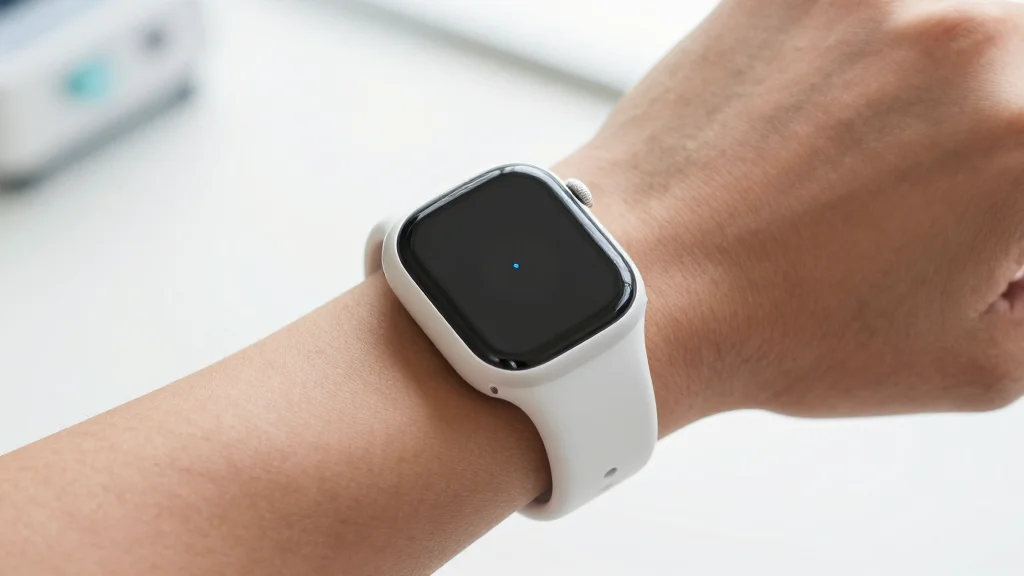
Wearable Health Devices Expand Clinical Role as FDA Loosens Oversight
The FDA has announced a more flexible oversight approach for low‑risk wearable health devices, effectively lowering regulatory barriers for smartwatches and sensor‑based tools. This shift is accelerating the integration of continuous patient data into both routine and acute clinical care,...

HHS Launches $100M Addiction Recovery Program, Digital Health Plays Growing Role in Treatment
The U.S. Department of Health and Human Services announced a $100 million STREETS program to expand addiction treatment and housing support for people experiencing homelessness. The initiative, part of the Great American Recovery Initiative, will start in eight pilot communities and...

Arizona Moves to Implement Rural Health Transformation Program as Funding Targets Workforce, Telehealth Expansion
Arizona is moving from planning to implementation of its Rural Health Transformation Program, securing roughly $167 million in federal funds. The state’s plan emphasizes workforce development, telehealth expansion, and infrastructure upgrades to address clinician shortages in its 11 % rural population. Arizona...

FDA Warns Telehealth Companies Over Marketing of Compounded GLP-1 Weight-Loss Drugs
On February 20, 2026, the FDA issued warning letters to 30 telehealth companies for misleading claims about compounded GLP‑1 weight‑loss drugs such as semaglutide and tirzepatide. The agency highlighted that compounded products are not FDA‑reviewed for safety, efficacy, or quality,...

Health Care Identity Verification Tech Surges Amid Data Vulnerability Fears
Healthcare providers are accelerating the adoption of biometric identity verification to curb fraud and meet HIPAA‑aligned patient‑matching standards. A recent exposure of an unsecured IDMerit database, containing roughly one billion personal records, highlighted the vulnerability of centralized biometric repositories. Vendors such...

Iran Conflict Strains Health Systems as Telehealth Faces Internet Disruptions
Escalating conflict between Iran, Israel, the United States and allies has intensified since Feb. 28, 2026, leading to widespread attacks on hospitals and a severe internet shutdown in Iran. The WHO warns that damage to health facilities and disrupted telecommunications are straining...

March Healthcare Trends Signal Consolidation, Telehealth Gaps, and AI-Driven Patient Engagement
U.S. health‑care spending nears $5 trillion, while hospital markets become increasingly consolidated under a few large systems. Telehealth, despite high eligibility, is billed for only about 3.8% of services, indicating a behavioral adoption gap. Fee‑for‑service still dominates, covering roughly 40% of...

Telehealth Privacy and Security Aren’t as Scary as You Think
Telehealth’s rapid expansion has spotlighted privacy and security anxieties among clinicians, largely because these topics were never part of standard medical training. Fear‑driven HIPAA instruction and vague regulatory language amplify uncertainty, while the shift to digital platforms adds perceived technical...

NAM’s AI Code of Conduct: What It Means for Behavioral Health
In May 2025 the National Academy of Medicine released an Artificial Intelligence Code of Conduct for Health and Medicine, outlining ten principles to guide trustworthy, human‑centered AI across health care. The framework is especially relevant for behavioral health, where AI...

Utah Launches State-Approved AI Prescription Refill Pilot as States Expand Health AI Oversight
Utah’s Department of Health has green‑lit a 12‑month pilot that lets an approved artificial‑intelligence system automatically process prescription refills for chronic medications. The AI checks dosage, patient history, and insurance eligibility before sending the order to participating pharmacies, aiming to...

Implications of FDA Digital Health Deregulation for Clinicians
On Jan 2026 the FDA issued updated guidance that relaxes oversight for low‑risk digital health products, including many AI‑enabled clinical decision support tools and consumer wellness wearables. The guidance clarifies which software falls outside the medical device definition, allowing these tools...

Federal Telehealth Policy in 2026: What the Medicare Extensions Mean
Congress approved the Consolidated Appropriations Act of 2026, extending key Medicare telehealth flexibilities through Dec. 31 2027. The extension preserves waivers for in‑person visits, home‑based originating sites, audio‑only services, and broader clinician eligibility, while renewing the Acute Hospital at Home program to...

Expert Insights: The True Cost of a Bad Telehealth Experience
The article argues that relying on "at‑the‑elbow" support to compensate for clunky telehealth platforms hides deeper usability problems. It highlights how bundled EHR video tools often lack essential workflow integration, forcing organizations to spend on training, staffing, and workarounds. These...