
News•Feb 20, 2026
USFK Aerial Encounter With China Underlines the Hidden Danger of OPCON Transfer
On February 19, United States Forces Korea (USFK) dispatched fighter jets into the overlapping Air Defense Identification Zones of South Korea and China, prompting a tense aerial standoff. The incident highlights how the planned wartime operational‑control (OPCON) transfer – shifting command from the U.S.‑led Combined Forces Command (CFC) to a South Korean general – could create legal and procedural gaps. Simultaneously, Japan is advancing a parallel U.S.–Japan combined command that would prioritize the First Island Chain over the Korean Peninsula. Together, these moves risk fragmenting alliance coordination at a time of intensifying great‑power rivalry.
By The Diplomat – Asia Defense

News•Feb 20, 2026
Red Lines and the Reshaping of Asia’s Maritime Order
Former Chinese Vice‑Foreign Minister Fu Ying warned that the Philippines’ attempts to occupy Second Thomas Shoal and Sabina Shoal cross a newly articulated Chinese “red line.” The warning was backed by a June 2024 incident in which China Coast Guard vessels...
By The Diplomat – Asia Defense

News•Feb 11, 2026
What the 2026 Singapore Airshow Tells Us About Asia’s Defense Industry Landscape
The 10th Singapore Airshow in February 2026 highlighted a shifting Asian defense market where cost‑effective, system‑of‑systems solutions are overtaking pure platform performance. China’s presence was muted, with fewer exhibitors and a conservative J‑10C demo aimed at budget‑constrained buyers, while its...
By The Diplomat – Asia Defense

News•Feb 9, 2026
Indonesia, Australia Sign Security Treaty, Pledge Joint Consultations
Indonesia and Australia signed the Treaty on Common Security in Jakarta, committing both capitals to regular security consultations and coordinated responses to emerging threats. The pact builds on the 1996 Lombok Treaty and the 2024 Defence Cooperation Agreement, but stops...
By The Diplomat – Asia Defense

News•Feb 6, 2026
India’s Defense Budget Jumps 15 Percent
India’s 2026‑27 Union Budget allocates a record ₹7.85 trillion (≈$87 billion) to defence, a 15 percent rise over the previous year. The surge is driven by Operation Sindoor, a series of retaliatory air strikes that heightened focus on modernisation. Capital outlay jumps to ₹2.31 trillion,...
By The Diplomat – Asia Defense
News•Feb 2, 2026
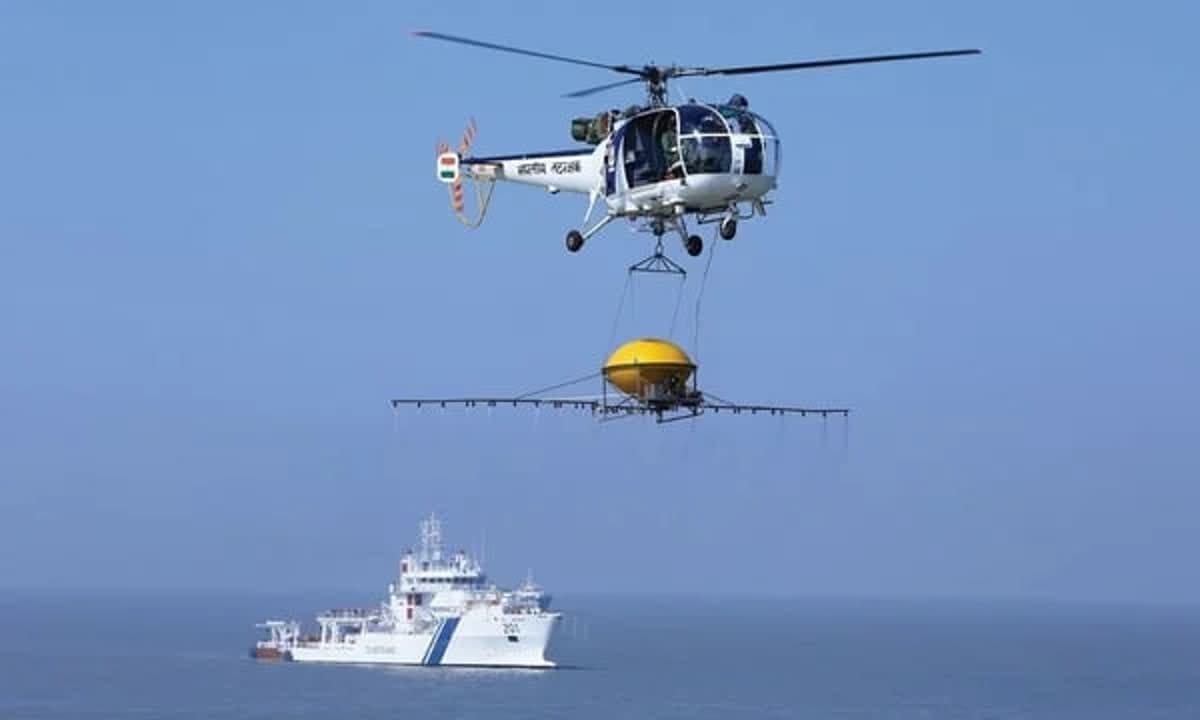
Moving the Australia-India Maritime Partnership Forward Through Coast Guard Cooperation
Australia and India are seeking to deepen their maritime partnership by moving beyond navy‑to‑navy drills to formalized coast guard cooperation. While the 2020 comprehensive strategic partnership has accelerated naval exercises such as AUSINDEX, civil maritime collaboration remains ad‑hoc and under‑resourced....
By The Diplomat – Asia Defense
News•Jan 29, 2026
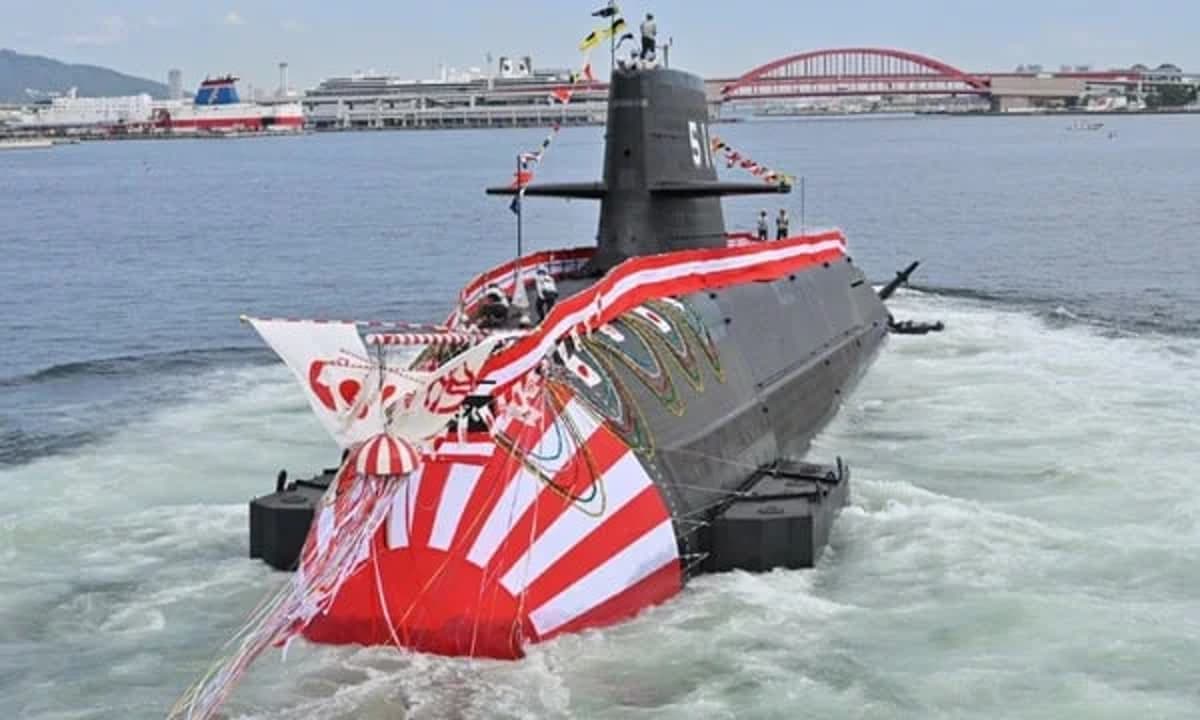
Japan’s Nuclear Submarine Debate Gains Momentum Amid Rising Pacific Threats
Japan’s debate over acquiring nuclear‑powered submarines has accelerated as China expands its Pacific naval presence and the United States tacitly accepts South Korea’s program. Proponents argue that only nuclear propulsion can provide the long‑range, high‑endurance capability needed for VLS‑equipped submarines,...
By The Diplomat – Asia Defense

News•Jan 28, 2026
Cracks in the ‘Ironclad’ South Korea-US Alliance
The article argues that the South Korea‑U.S. “ironclad” alliance is under pressure after the Trump administration imposed steep tariffs, demanded a $350 billion investment, and detained Korean workers, while the Biden administration continued protectionist demands. Recent diplomatic episodes, including threats to...
By The Diplomat – Asia Defense

News•Jan 27, 2026
BRICS Holds a Maritime Exercise at the Indo-Atlantic Crossroads – Without India
BRICS held its inaugural maritime exercise, "Will for Peace 2026," off Simon’s Town, South Africa, from Jan 9‑16, focusing on shipping‑lane safety and interoperability. The drill was led by China with South Africa hosting, and saw participation from China, Russia, Iran, the...
By The Diplomat – Asia Defense

News•Jan 27, 2026
US Warship Pays First Port Call at Cambodia’s Ream Naval Base
On Jan. 24, the U.S. Navy’s littoral combat ship USS Cincinnati docked at Cambodia’s Ream Naval Base, marking the first American warship visit to the facility. The base, recently expanded with Chinese‑funded infrastructure, has been a flashpoint in U.S.–China strategic competition....
By The Diplomat – Asia Defense

News•Jan 26, 2026
Indonesia Takes Delivery of First French-Made Rafale Fighter Jets
Indonesia received its first three French‑made Rafale fighter jets on Jan 23, marking the initial delivery of an $8.1 billion contract for 42 aircraft. The jets are now based at Roesmin Nurjadin Air Base and will kick‑start pilot training and operational conversion. The...
By The Diplomat – Asia Defense
News•Jan 26, 2026
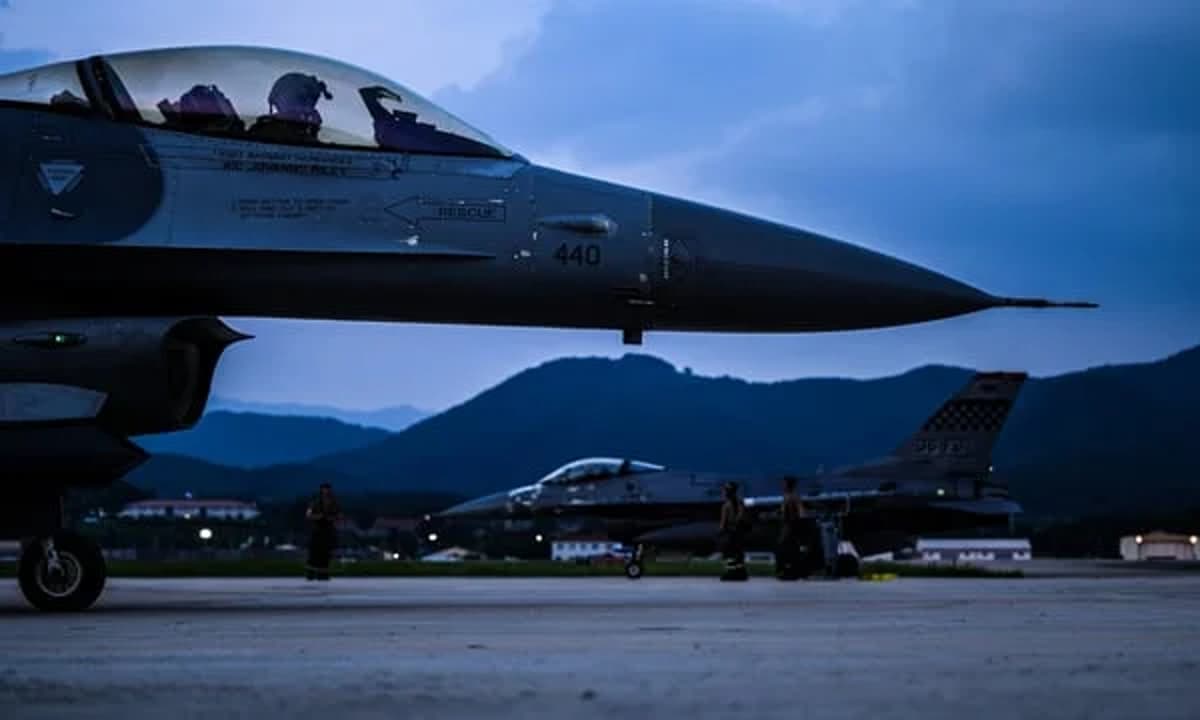
US Defense Strategy Signals Shift in Korea Defense, Pushing Seoul to Lead
The U.S. Department of Defense’s new National Defense Strategy declares that South Korea must assume primary responsibility for countering North Korean conventional threats, while Washington narrows its role to nuclear extended deterrence. This pivot redirects U.S. resources toward deterring China,...
By The Diplomat – Asia Defense

News•Jan 23, 2026
China’s Drone War in Ukraine
The Russia‑Ukraine war has become a drone‑centric conflict, with low‑cost UAVs driving artillery spotting, surveillance and strike missions. China, while officially neutral, dominates the global commercial drone market and supplies the majority of components used by both sides. Chinese firms...
By The Diplomat – Asia Defense

News•Jan 22, 2026
Japan’s Southwest Islands in Focus at Latest Japan-US Defense Minister Meeting
Japanese Defense Minister Shinjiro Koizumi and U.S. Secretary of Defense Pete Hegseth met in Washington on Jan 15, 2026, reaffirming plans to boost Japan‑U.S. security cooperation in the Southwest islands. They agreed to upgrade command‑and‑control systems, conduct more realistic joint drills,...
By The Diplomat – Asia Defense

News•Jan 16, 2026
The New Age of Maritime Multilateralism in the Indian Ocean
The Indian Ocean has shifted from a peripheral zone to a hotbed of great‑power competition, with the United States, Japan, Australia, Turkey, Saudi Arabia and the UAE expanding diplomatic and security footprints. China remains the most aggressive actor, operating in...
By The Diplomat – Asia Defense