On Serious Engineers, Dangerous Ocean Currents and the Kumbaya Trap
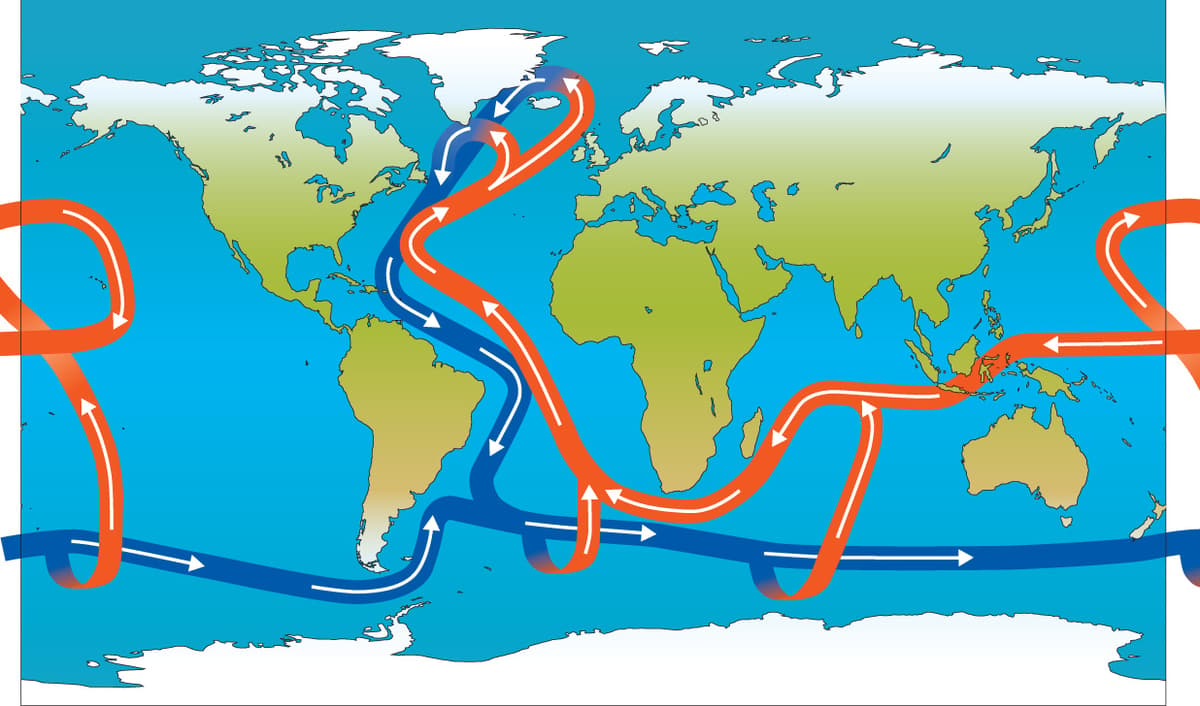
A new report warns the Atlantic Meridional Overturning Circulation (AMOC) faces a roughly 50‑50 chance of collapsing by mid‑century, a shift that would turn Earth’s climate more La Niña‑like. In Australia, the change could bring heavier rains and flooding in the east while intensifying droughts and bushfires in the southwest. Engineers and the built‑environment sector are urged to move from voluntary green measures to mandatory policies to curb emissions before the ocean’s natural cooling system fails. The ARBS conference in Melbourne will spotlight this urgency.
The NABERS Sustainability Portfolio Index Is Starting to Shift the Market – in Sometimes Unexpected Ways
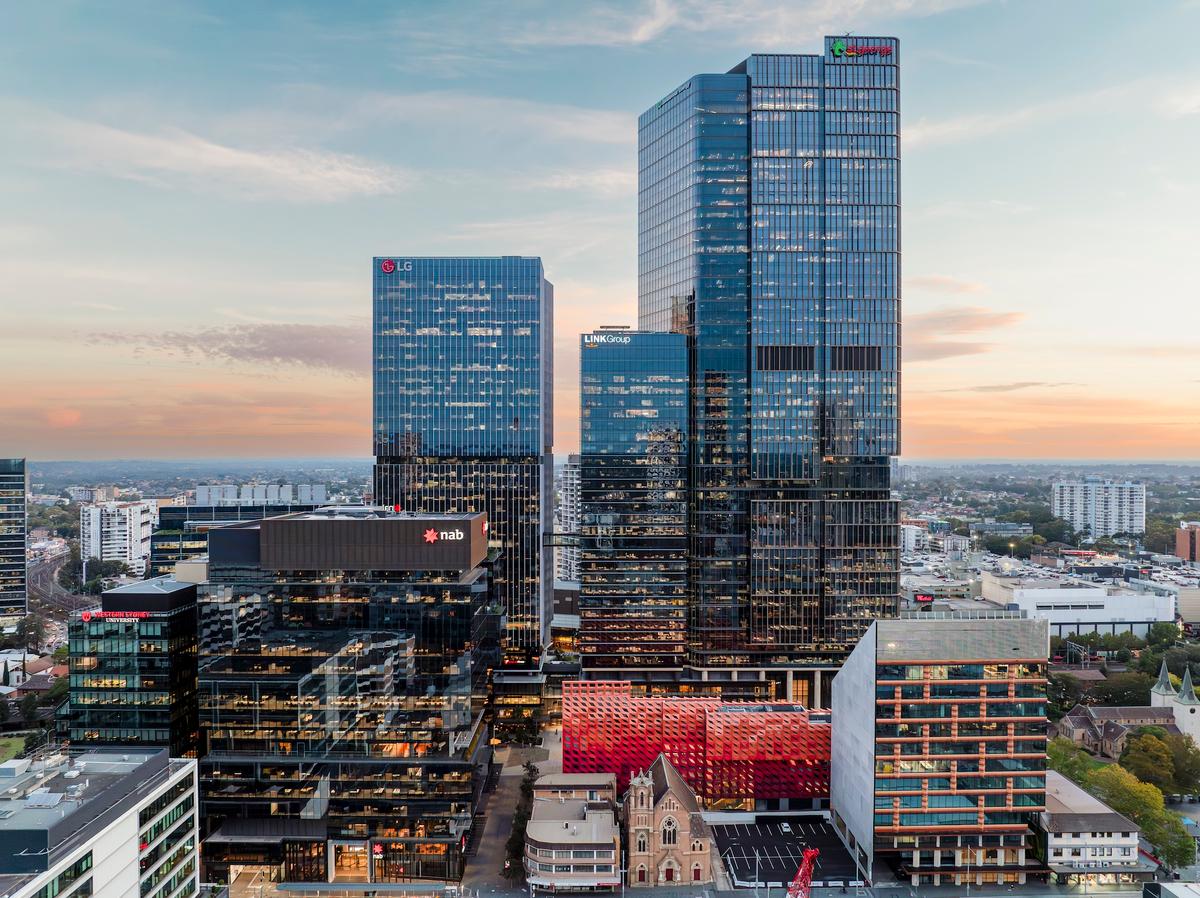
The NABERS Sustainable Portfolio Index (SPI) expanded to 31 participants, covering 8.2 million sq m of Australian commercial space, up from 6.3 million sq m. The index now measures energy, water, waste and indoor environment quality, attracting both large owners and middle‑market firms focused on self‑improvement....
Matthew Khoo on ICD Property, CIMC Modular and Sustainability
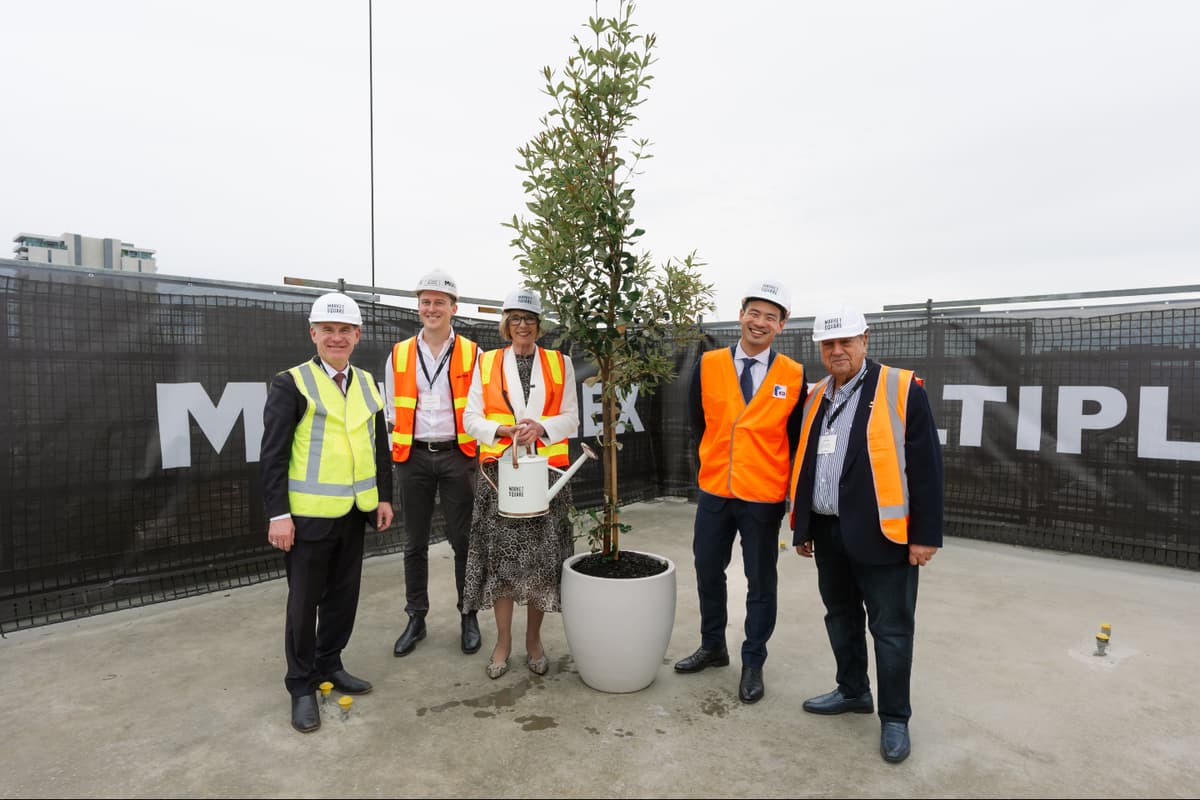
Matthew Khoo, who took over ICD Property in 2013, is steering the Melbourne‑based developer toward large‑scale modular construction backed by China’s CIMC. The firm’s portfolio now includes the EQ tower, Aspire Melbourne, and a major expansion of Adelaide’s Central Market...
‘Abundance’ and Why Trickle-Down Housing Economics Just Admitted What Town Planners Always Knew
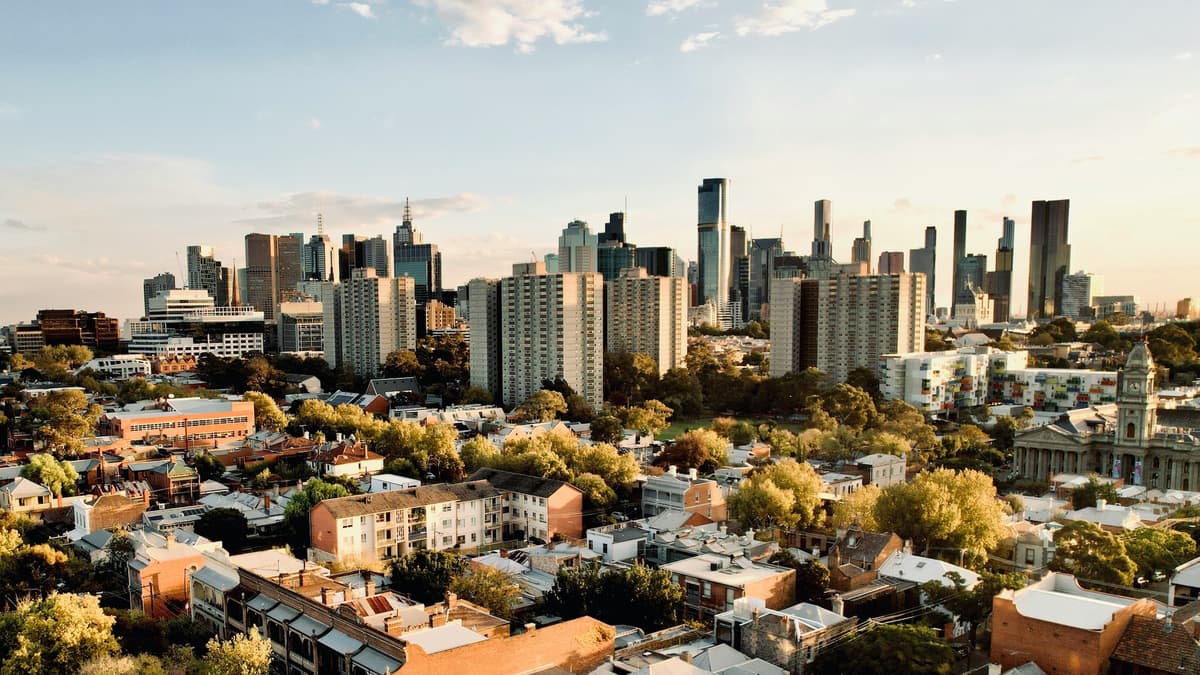
Tim Sneesby argues that the trickle‑down housing narrative, popularized by the book *Abundance* and YIMBY advocates, has overstated the role of planning controls. While 95% of Sydney development applications receive approval, most remain unbuilt because financing, soaring construction costs, labor...

Why We Need More Biomaterials
Biomaterials—plant‑derived, biodegradable alternatives to mined or petroleum‑based products—are gaining visibility at Melbourne’s Design Week exhibition. They promise cradle‑to‑grave low‑carbon lifecycles, exemplified by 20,000 m² of straw panels from the 2000 Sydney Olympics now composted. Australian manufacturers are producing timber, hemp, and...
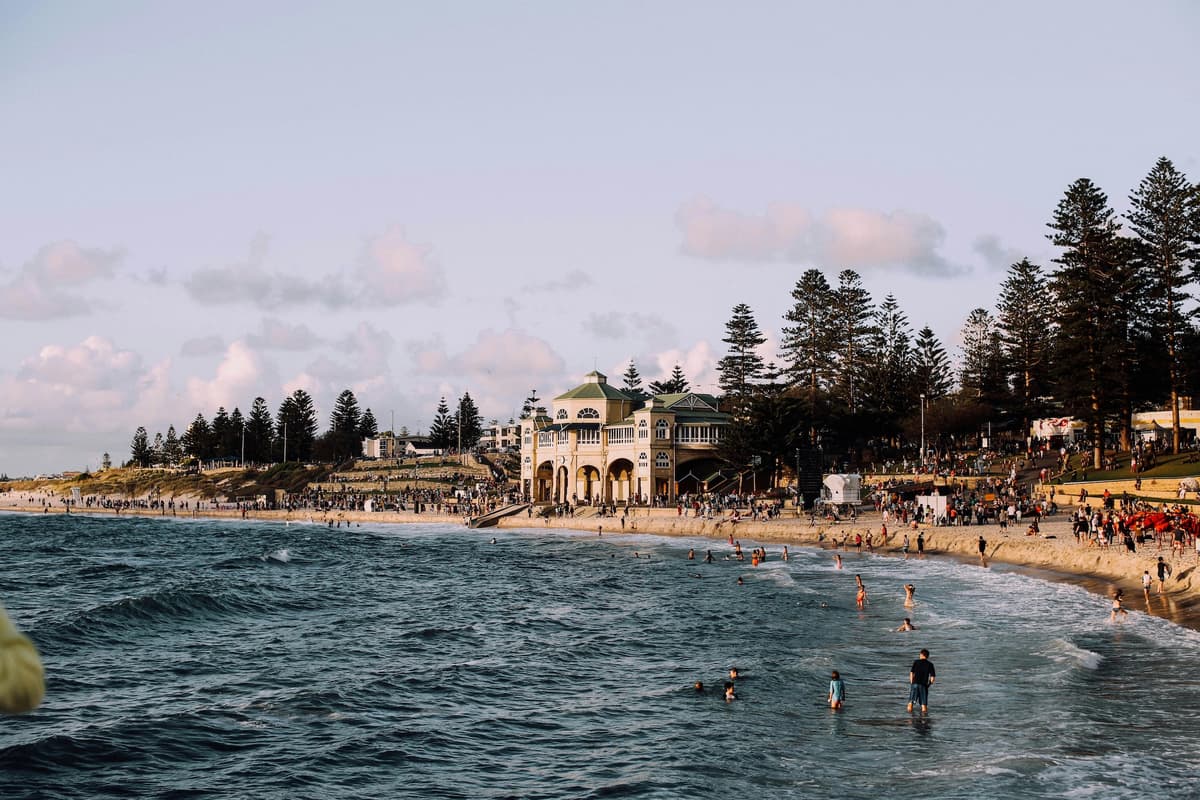
Transforming Transport Needs Density and Infrastructure: Part 1, Density
The Transforming Transport Summit highlighted a shift toward people‑centric, dense cities as essential for Australia’s sustainable future. Perth’s sprawling, low‑density growth is inflating transport costs, infrastructure spending, and household budgets, while neighboring metros are embracing mid‑rise, transit‑oriented development. Emerging leaders...
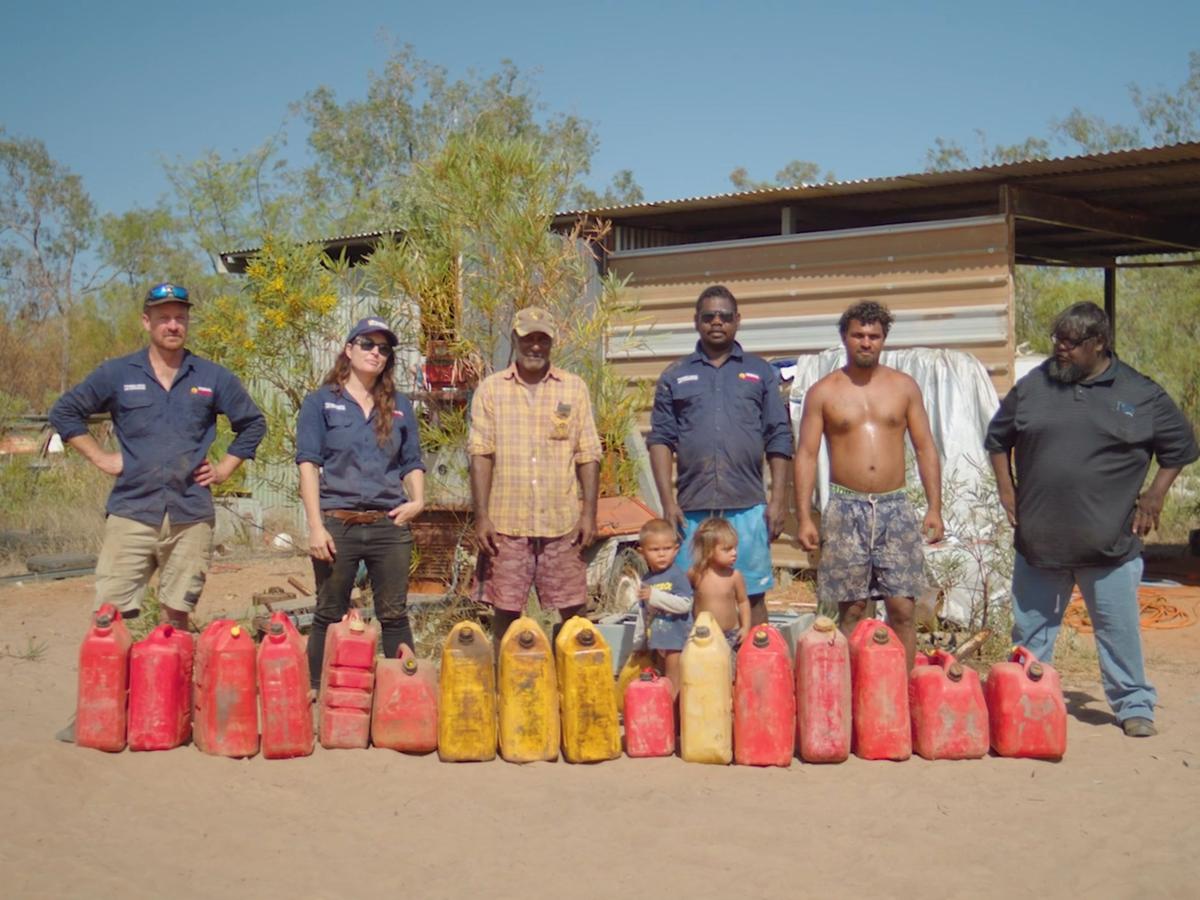
Bronwyn Weir on HIA; Blue Loans for Mundaring Treatment Plant; ARENA Funds Ngardara Solar Microgrid
Victoria’s new Housing and Building Minister faced an HIA push to postpone the National Construction Code (NCC) 2025 rollout, but industry veteran Bronwyn Weir defended the code’s water‑defect safeguards and warned the state was already lagging. In Western Australia, the Mundaring...

Australia Institute on Gaslighting; Risky Flood Proposal; GetUp and Hanson; STH BNK by Beulah
A Nationals senator is fact‑checking the Australia Institute’s claim that a 25% gas export tax could fund free university and childcare, as the federal government reconsiders a new gas tax. In New South Wales, the state faces backlash for proposing...

Regional Housing Needs the Feds to Step in – Urgently
Regional Australia faces a housing crunch as investors snap up properties sight‑unseen, inflating rents and pricing out locals. Recent tax changes in Victoria have eased home prices but deepened rental shortages, highlighting the delicate balance of investor policy. The Housing...
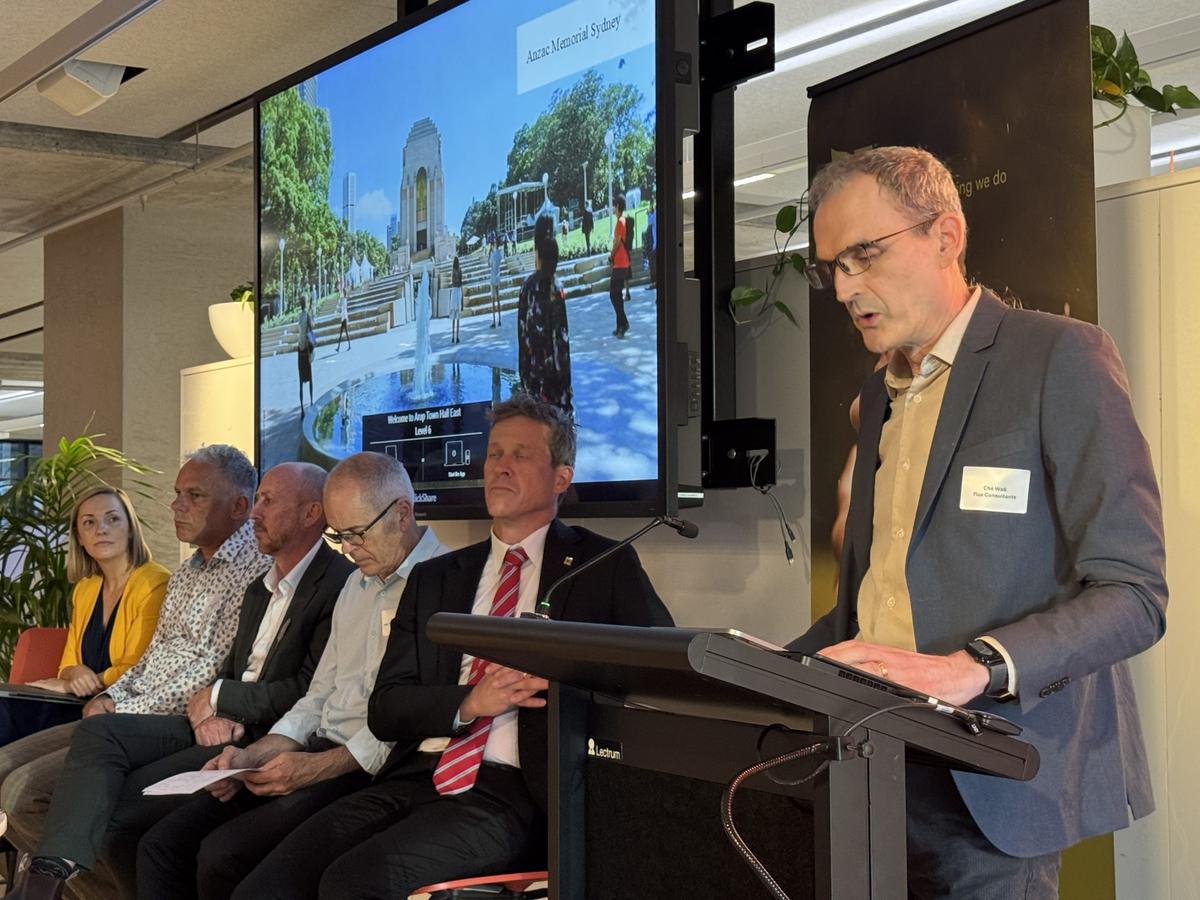
Codes Red Debate: The Deep Criticisms and Responses
Industry experts Che Wall (Flux) and Maria Atkinson (Atkinson Consultancy) challenged Australia’s building‑rating regime, arguing that NatHERS star ratings and related tools like Green Star and GRESB do not deliver real energy savings or emissions reductions. They cited studies showing...

Codes Red: Questions and Comments From the Audience with some Responses
The Green Building Council of Australia (GBCA) outlined how its Green Star rating has evolved, now recognizing PEFC and Responsible Wood timber, and shifting PVC credits toward higher‑quality products. Participants called for stronger focus on embodied carbon, especially in heritage...
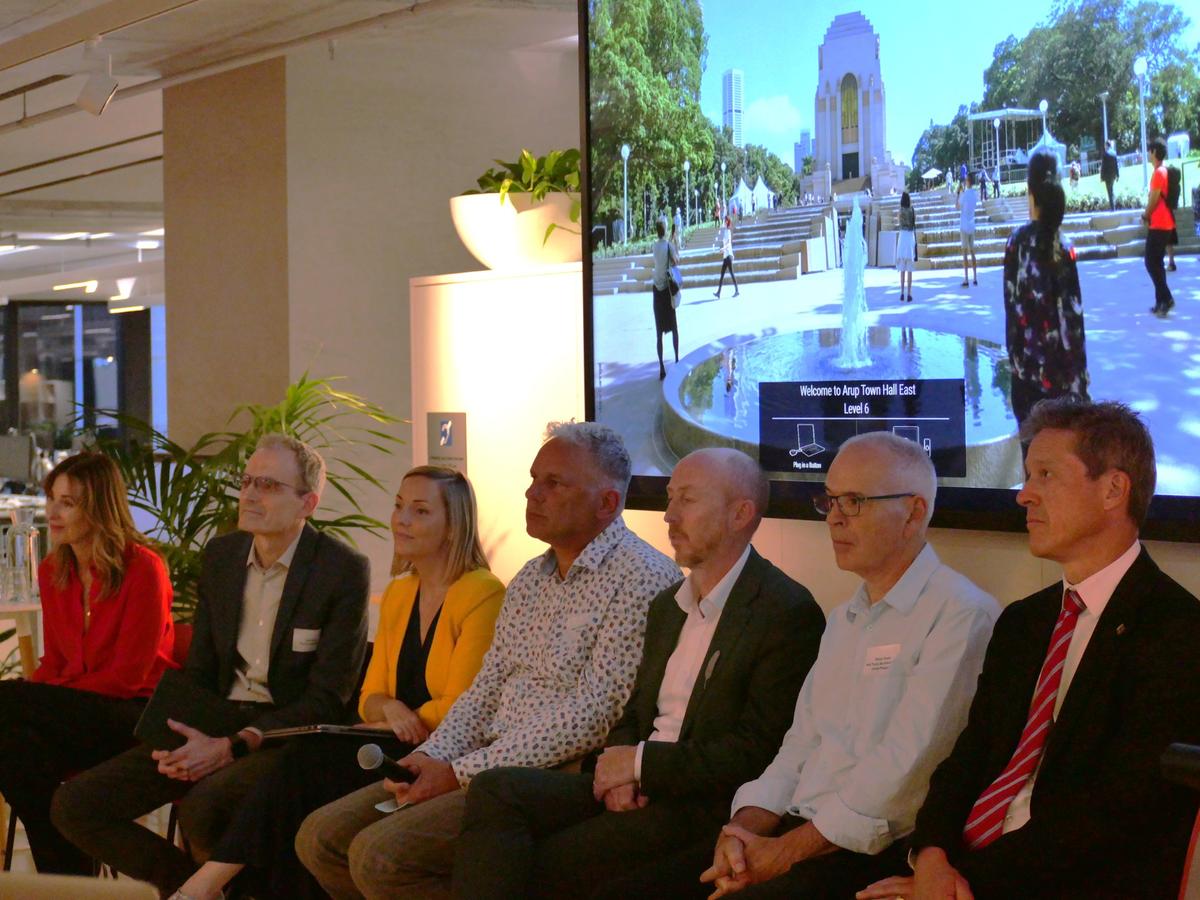
The Big Debate on the NCC and Green Rating Tools – the Highlights
A panel of architects, engineers and policymakers debated the effectiveness of Australia’s National Construction Code (NCC) and green rating tools on 31 March in Sydney. Initial audience polling found only 27% believed the NCC and rating systems were “brilliant” for sustainability,...

Victoria’s New Housing and Building Minister and HIA; Safeguard Mechanism; Plastics; CRREM; Degraded Land
Victoria’s new Housing and Building Minister Nick Staikos faces immediate pressure from the Housing Industry Association to delay the NCC 2025 rollout, echoing Tasmania’s recent postponement. Meanwhile, Australia’s Safeguard Mechanism shows only a 2.3% drop in onsite emissions while offset usage...
On: Are We Done yet with Voluntary and Relative Targets?
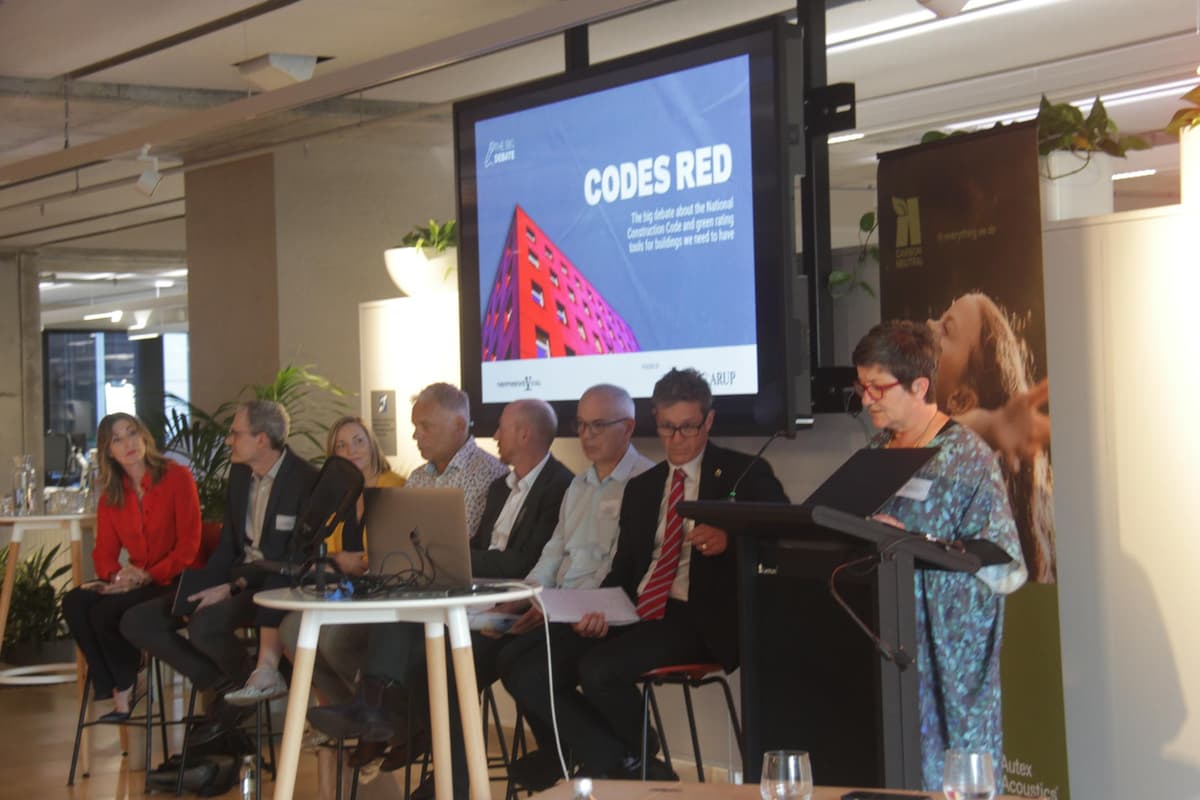
The recent debate on Australia’s National Construction Code highlighted the tension between voluntary green‑rating tools and mandatory carbon standards. Speakers argued that while rating systems can drive modest emissions cuts, they lack the rigor of enforceable minimums seen in places...

New Giant Green Roof Will Be a Test Bed for Resilience
Sydney’s Harbourside precinct, a $2 billion (≈$1.3 bn USD) mixed‑use development, will host Australia’s largest urban green roof at 4,700 sq m. UTS and RACE for 2030 partner with developer Mirvac to monitor the roof and surrounding green spaces for two years, gathering data on...

Energy Efficiency Is the New Property Power Play Agents Can No Longer Ignore
Australian real‑estate agents are being urged to shift focus from cosmetic upgrades to measurable energy productivity. A coalition led by CSIRO, REA Group, Domain and PropTrack has created the world‑first Energy Efficiency Data Standard, paving the way for a national...
Running on Empty: Sydney’s Answer to the Global Fuel Crisis Lies in Renewable Energy Zones
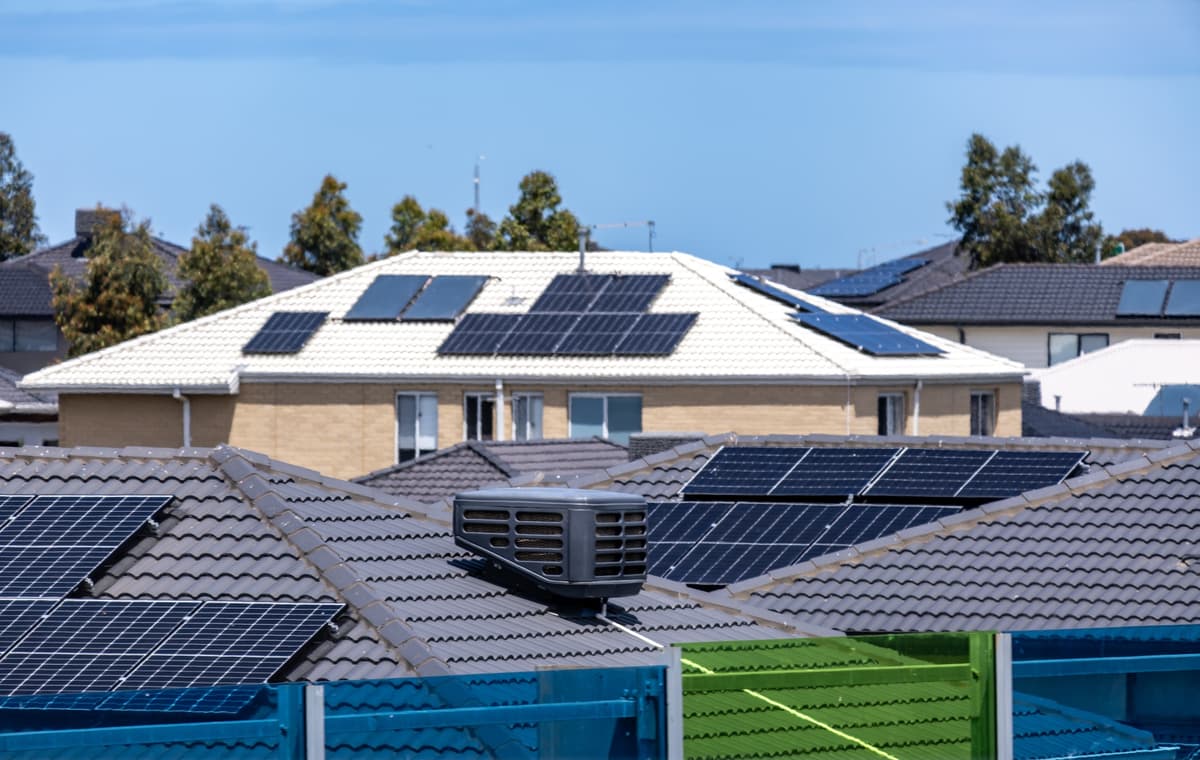
Sydney’s surge in rooftop solar, battery storage, and electric vehicles is reshaping the city’s energy profile, turning households into micro‑grids that reduce reliance on oil and gas. The Committee for Sydney estimates that up to 75% of the metropolis’s annual...

So Much for the Circular Construction Economy – MMC Was to Be the Lead Exhibit
A $426 million (≈US$281 million) modular housing project in Cairns has run into severe defects, with water damage and mould forcing the disposal of about 120 modules, a loss valued at roughly US$34 million. The failure highlights systemic procurement misalignments, risk‑averse contracting, and...

CIBSE’s Ruth Carter: Net Zero Is a Destination and the Journey Is Decarbonisation
Ruth Carter, CEO of the Chartered Institution of Building Services Engineers (CIBSE), says the organization has expanded 20% to 24,000 members in 194 countries while championing building performance, safety and decarbonisation. She highlights embodied carbon as the "sleeping giant," responsible...

We Can’t Miss This Chance for the Net Zero Revolution – China’s Done It!
Professor Peter Newman, a sustainability expert at Curtin University, outlined a six‑point plan urging Australia to break its oil dependence and accelerate a net‑zero transition. He highlighted batteries’ role in daily grid stabilization and argued that Australia can follow China’s...

Should Co-Operatives Deliver What Conventional Housing Cannot?
Australia’s housing crisis is often framed in terms of price, supply and yields, but this narrow view overlooks the broader role of homes in security, wellbeing and community. Housing cooperatives—currently less than 1 % of the nation’s stock—provide stable, resident‑controlled living...

Albo’s New Funding for Transition; Electric Trucks; Electric Ferries; Boomerang Labs
The Australian government has fast‑tracked a $6.15 billion (≈ $4.0 billion USD) investment package, pulling forward $5 billion for the Net Zero Fund, $1 billion for the Economic Resilience Program and $150 million for the Forestry Growth Fund. The package aims to expand local clean‑energy manufacturing,...

Forever Fitouts Have Arrived – Check Out the Dexus and CEFC Deal
Dexus has launched a “forever fitout” model at its premium 1 Bligh Street office in Sydney, offering modular, reusable workplace interiors that can be reconfigured in weeks instead of months. The Clean Energy Finance Corporation (CEFC) became the first tenant to adopt...

Australia Renewables Must Move Fast AND Fair
Australia’s two biggest electricity grids now run on over 40% renewable power, marking a pivotal shift in the nation’s decarbonisation agenda. Yet the rapid "green rush" exposes supply‑chain vulnerabilities, with rare‑earth mining in Myanmar, Indonesian nickel and Chinese solar‑panel production...

Mass Timber Central; HDR Factory of the Future; Veolia and PFAS; Food and Deforestation
Vistek Structural Engineers launched Mass Timber Central in Melbourne, offering hands‑on training to close knowledge gaps and accelerate low‑carbon timber construction. HDR delivered a cutting‑edge Factory of the Future at Western Sydney University, showcasing kinetic design and advanced learning spaces....

Michael Janeke on Big Architectural Projects and Leadership Challenges
Grimshaw’s Sydney studio, led by managing partner Michael Janeke, is preparing to add 30 architects to its over‑100‑person team by July, a move aimed at sustaining its pipeline of large‑scale infrastructure projects. Janeke stresses the difficulty of integrating new talent...

Sydney Needs More Housing. But What Happens when It Loses Its Story?
NSW Premier Chris Minns announced a plan to redevelop Glebe Island, a former industrial harbour site, into high‑density housing. The proposal raises concerns that demolishing iconic silos and other industrial remnants could strip Sydney of the layered stories that give...

A Timely and Excellent New Book, Adapt, Designing New Lives for Old Buildings. Free to New TFE Members
The Fifth Estate is offering five free copies of the new book *Adapt, Designing New Lives for Old Buildings* to its next five new members. The book retails for $84.99 AUD (approximately $56 USD). Authors Hannah Lewi and Cameron Logan introduce a...

Shaun Carter on Tall Apartment Buildings and the Cost of Not Being Sustainable
Carter Williamson, a Sydney‑based architecture firm celebrating its 21st anniversary, is moving from designing single‑family homes to large‑scale residential towers after winning two major competitions. The firm secured a twin‑tower project in Chatswood and a 55‑storey, 302‑unit riverfront development in...

Voluntary Home Energy Ratings Won’t Drive Retrofits for All, but These Solutions Will
The Australian government will extend the Nationwide Home Energy Rating Scheme (NatHERS) to existing homes in mid‑2026 on a voluntary basis, aiming to inform renters and buyers about energy performance. Researchers from RMIT University surveyed 161 Australians and found that...

Woodside Continues to Ignore Science and Investors
Woodside Energy has poured roughly $40 billion into oil and gas exploration since 2020, while continuing to market LNG as a bridge fuel for Asia’s power sector. Activist group Market Forces and shareholders argue that this strategy contradicts the company’s own...

Reactive Soils and Climate Change Are Not a Good Combination — Recycled Containers Shift the Risk Equation
Across eastern Australia, reactive clay soils are causing increasing slab‑on‑ground failures as climate variability intensifies. A pilot project using high‑cube shipping containers demonstrated a structural approach that isolates the building from soil movement, eliminating cracking and reducing remediation costs. The...

On Fear and Loathing on the NCC Reform Trail
The Housing Industry Association has called for a complete rewrite of the National Construction Code, arguing that its rigidity, cost and complexity are hampering productivity. A high‑profile debate in Sydney will spotlight the code’s shortcomings, including divergent state interpretations and...

The Ingredients Are All There, so What’s Holding the Energy Transition Back?
Australia’s energy transition appears ready—renewables are mature, capital is flowing, and targets are set—but large‑scale industrial decarbonisation stalls. The core issue is a coordination gap: stakeholders operate in silos, preventing a clear view of how transmission, renewable supply, ports, and...

Protected: Seven Building Services Trends to Watch in 2026
ARBS’s sponsored briefing, authored by Tony Arnel, spotlights seven building‑services trends set to dominate 2026. The outlook highlights AI‑driven predictive maintenance, digital‑twin simulations, net‑zero carbon targets, health‑focused indoor environments, modular HVAC, IoT sensor networks, and climate‑resilient design. Industry analysts expect...

Special Report: The Building and Energy Tech Driving Net Zero
The Fifth Estate’s Special Report for The Green List maps the rapidly evolving building and energy‑technology landscape aimed at net‑zero targets, covering batteries, EV charging, virtual power plants, power purchase agreements, community solar and data‑center solutions. It spotlights market leaders,...
What Negative Gearing and Capital Gains Tax Do – Here’s the Data; Here’s the Evidence
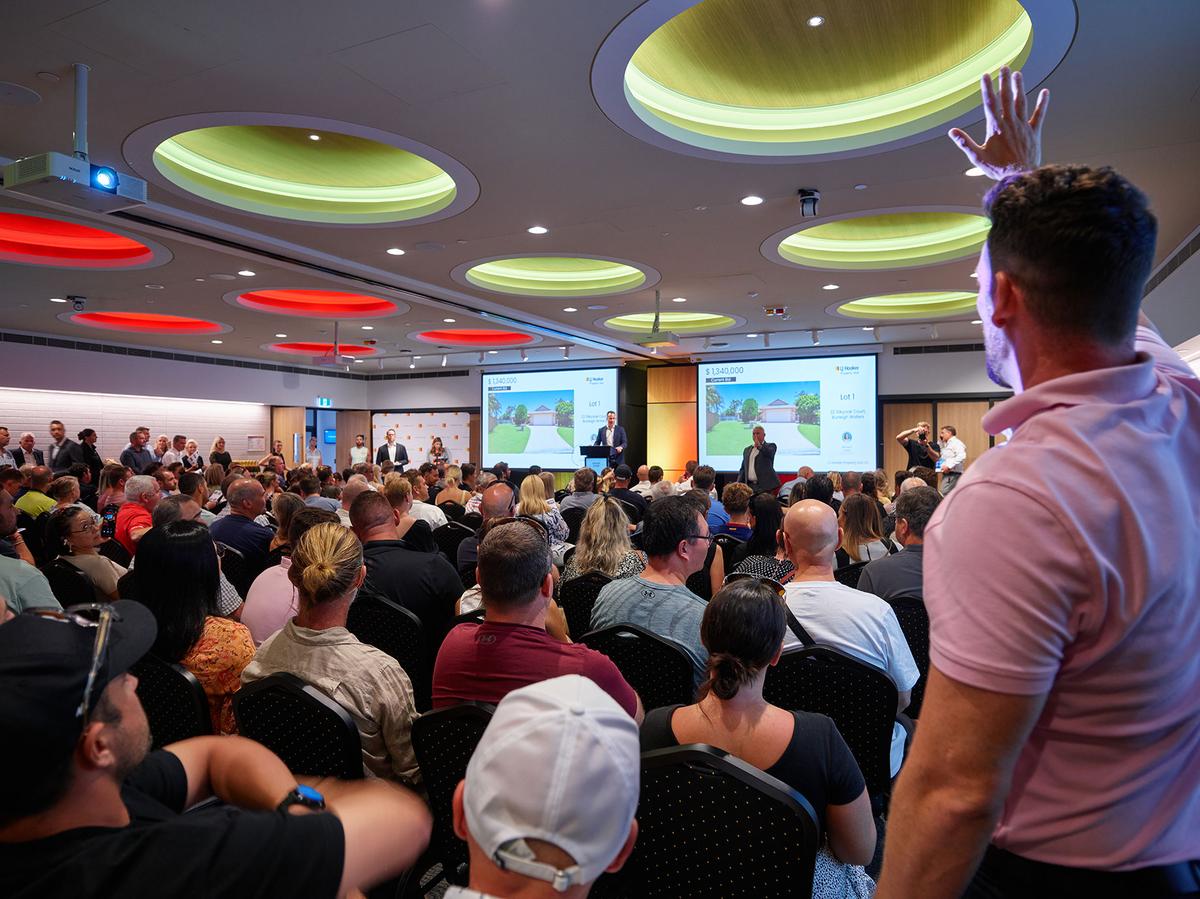
Australia’s federal budget foresees $11.99 billion annually lost to negative gearing and the capital gains tax discount, with a projected $193.9 billion revenue shortfall over the next decade if unchanged. In 2025 investors accounted for 39 percent of new housing loan commitments—almost double...
Newcastle Port Is Sustainable but for What? Kmart; Defence Sites; Jobs
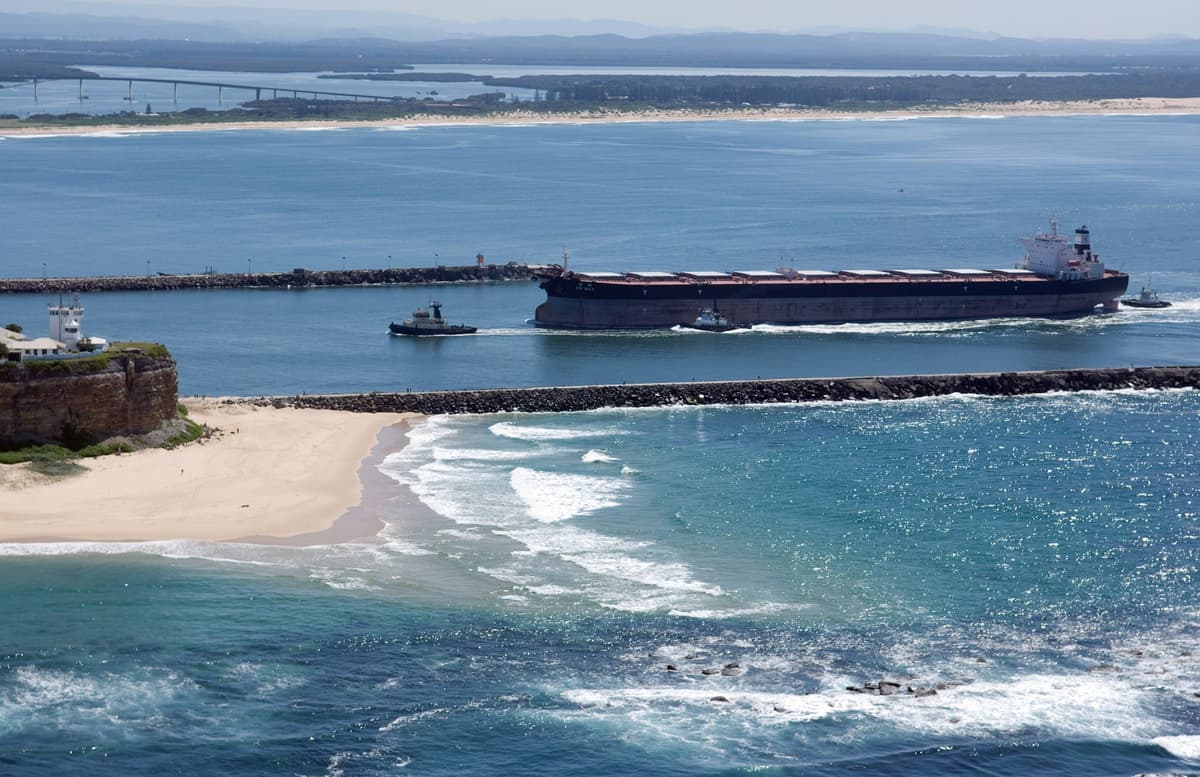
The Port of Newcastle earned a perfect 100 percent GRESB rating, yet 96 percent of its 13 million tonnes of January 2026 exports were coal, highlighting a stark sustainability paradox. In contrast, Kmart announced that every Australian store, distribution centre and office now...

Construction Needs a Corridor for Innovations to Find Each Other
Australia’s construction sector faces chronic productivity loss, fragmented supply chains and slow digital uptake. The article argues that without a dedicated pathway, system‑level innovations disappear before they can be proven at scale. It proposes a national framework to evaluate new...
Want to Lift Productivity in Construction? Try Digitalisation
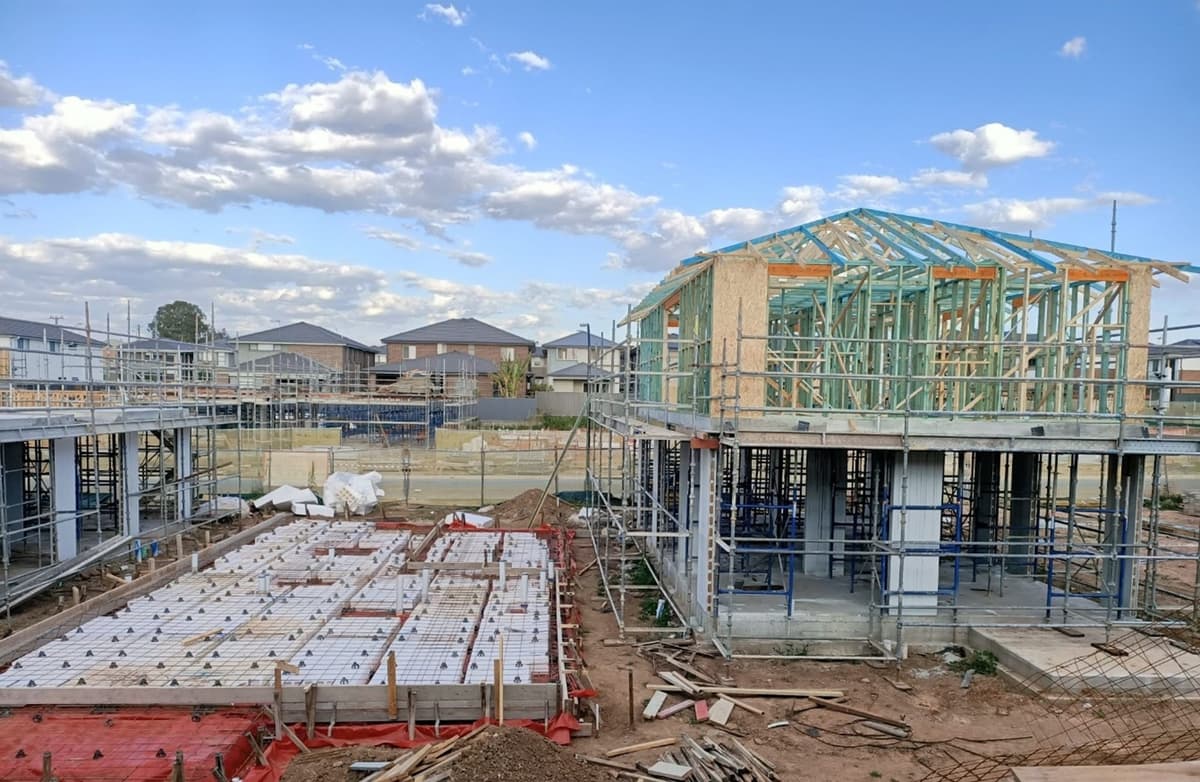
Australia’s construction sector, especially in New South Wales, continues to lag in productivity, with over 70% of documentation still submitted as PDFs and minimal digital training. The industry’s reliance on analogue processes drives cost overruns, delays, and fragmented supply chains,...

What We Discovered About Building Materials on a Trip to China
During a Beijing visit, the China Building Materials Federation outlined its aggressive decarbonisation agenda for cement and other building products. The federation’s “six zeroes” framework and a mandatory carbon‑market scheme now cover roughly 1,000 Chinese cement producers, positioning China as...

London Ditches Glass Façade; NBPC Good Building Product Guide; ICIRT; Flood Auctions; Featherweight Homes
Private‑equity firms such as Blackstone and Brookfield are refurbishing London office towers, swapping glass façades for green terraces, gyms and resilient construction designed for heavier rain and hotter summers, while installing fully electric HVAC systems. In Australia, the National Building...

Colliers Buys Ayesa, Which Bought ADP Just 12 Months Ago
Colliers International has completed the purchase of Spain‑based Ayesa, the owner of engineering firm ADP, adding roughly 3,000 employees and bringing its global headcount to about 14,000. The deal deepens Colliers’ engineering, urban‑planning and specialist‑services capabilities across government, institutional and...

Stockland Achieves Net Zero Scope 1 and 2 Emissions – Here’s How
Stockland announced it has achieved net‑zero Scope 1 and 2 emissions across its entire portfolio by deploying rooftop solar on more than 50 buildings and retiring a modest amount of nature‑based carbon credits. The initiative installed 75,000 panels, delivering up to 45 MW...

Forgot Your Reusable Cup? No Problem: Why Office Buildings and Cafes Are Turning to Cercle
Australian startup Cercle offers a free‑to‑use reusable coffee cup network for offices, cafés and large venues, eliminating the need for customers to bring their own cups. Users take a cup, drink, and return it to smart drop pods that are...