
BRICS and De-Dollarization: Is the Global Financial Order Really Changing?
The article examines how BRICS’s recent expansion and growing push for de‑dollarization are reshaping the global financial order. While China, Russia and other members are increasing yuan‑ and ruble‑based trade and diversifying reserves, the U.S. dollar remains dominant because of its depth, stability and investor confidence. Internal divergences within BRICS limit its ability to present a unified alternative, but a gradual shift toward regional currencies is underway. Analysts conclude the dollar is unlikely to be displaced soon, though its unrivaled power may be modestly eroded.
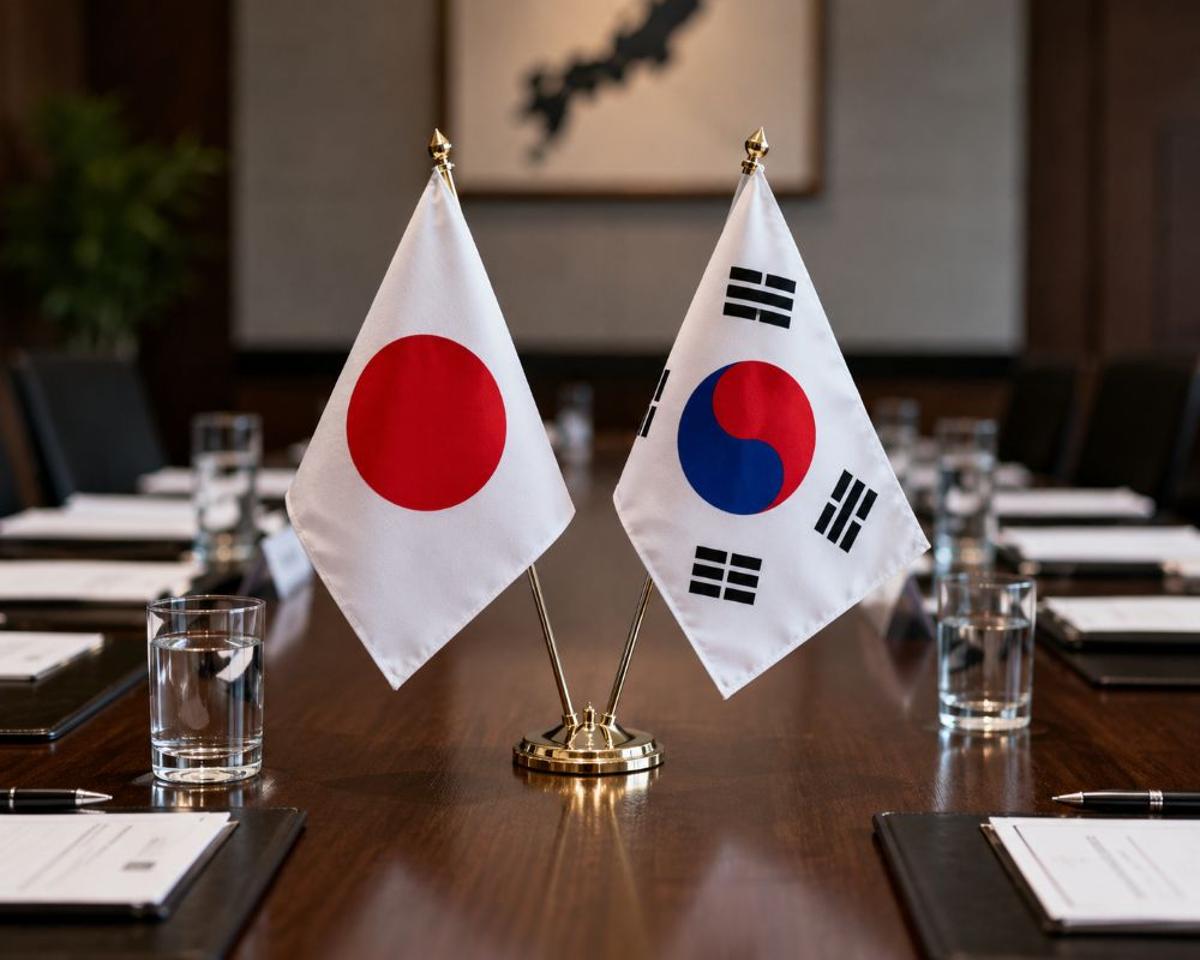
Between Two Fronts: Why Japan-South Korea Security Cooperation Is No Longer Optional
The article warns that a simultaneous Taiwan crisis and North Korean escalation will stretch U.S. military commitments, forcing Japan and South Korea to shoulder greater regional security responsibilities. It argues that their security is interdependent and that fragmentation would erode...
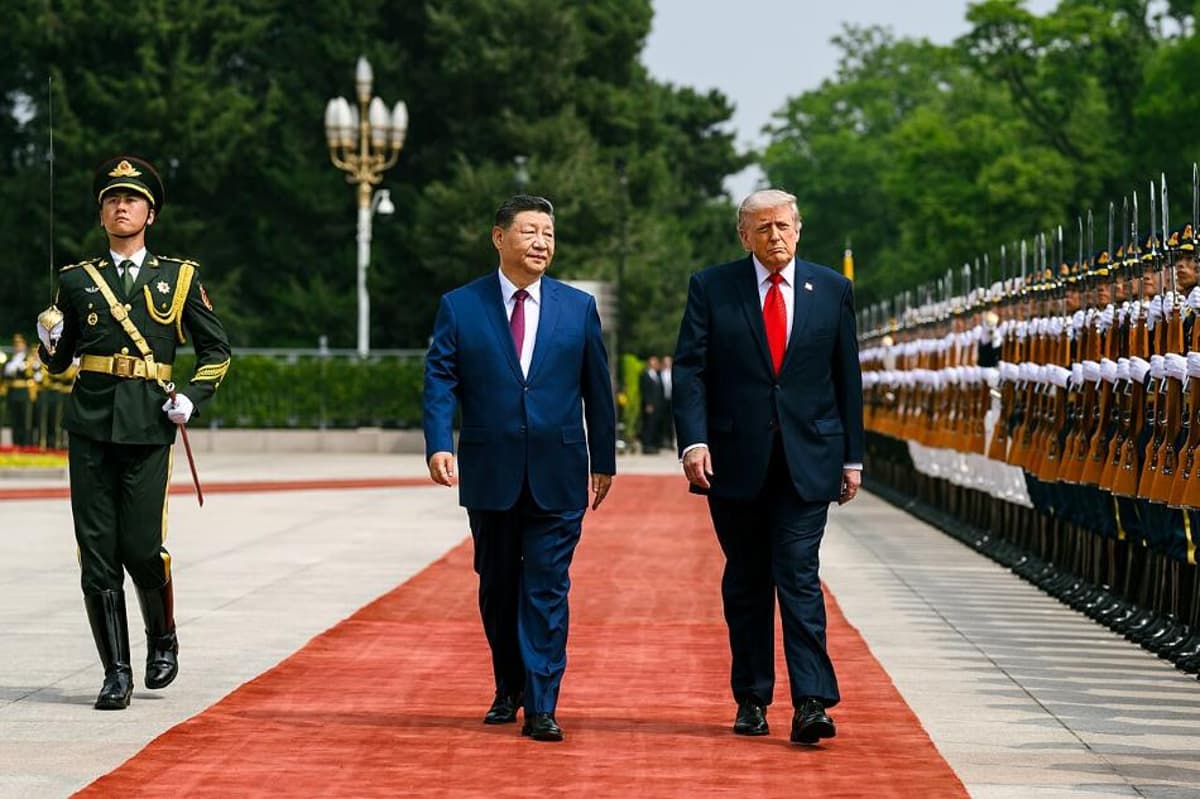
The New Phase of U.S.-China Economic Competition
President Donald Trump’s May 14 visit to Beijing underscored a deepening U.S.-China rivalry that now centers on export controls, rare‑earth dominance and strategic supply‑chain security rather than pure tariff battles. The United States has finalized Section 301 tariffs that push duties on...

Caught in the Crosswinds: India’s Energy and Diplomacy in a Fractured Middle East
The ongoing Middle East war threatens India’s energy security because a large share of its oil passes through the Strait of Hormuz. At the same time, 38% of India’s foreign‑exchange earnings come from Gulf‑based workers, making remittance flows vulnerable to...

Cops, Robbers and Robots: How AI Is Changing Cybercrime
Artificial intelligence is reshaping cybercrime, illustrated by a recent breach where hackers exploited Anthropic's Claude large‑language model to siphon roughly 150 GB of sensitive Mexican government data. The incident highlights a broader trend: AI‑driven "vibe hacking" enables both seasoned and novice...

From Market Access to Investment: Europe’s Expanding Role in Pakistan
Pakistan is gearing up for the EU‑Pakistan Business Forum amid strained economic fundamentals, seeking to transform its long‑standing trade‑centric relationship with the European Union into a deeper investment partnership. The EU remains Pakistan's largest export destination, accounting for roughly 27.6%...

No Direct Talks, No Easy Exit: Pakistan Emerges as the Only Channel in the US–Iran Standoff
The United States’ failure to secure direct talks with Iran has pushed the crisis onto a back‑channel track, with Pakistan emerging as the sole conduit for communication. Iran’s foreign minister Abbas Araghchi visited Islamabad, cementing Tehran’s preference for indirect leverage...

From Pax Americana to Pax Transactional: Rethinking Power in the Middle East
The article argues that the post‑Cold War liberal order is giving way to a transactional global system where states prioritize immediate strategic gains over universal norms. China’s economic rise and the United States’ retreat from unconditional leadership are reshaping power...

Benefits of China’s Non-Reactive Strategic Posturing in the Middle East War and Emerging Concerns
China’s largely non‑reactive stance in the Middle East war has allowed Beijing to study U.S. and Israeli military tactics while keeping its own forces focused on the Indo‑Pacific. The conflict highlighted the effectiveness of low‑cost drones and short‑range missiles, exposing...

How Beijing Plans to Take Taiwan — And Why It’s Not Just About Military Force
Beijing’s Taiwan strategy treats the island as a political problem, using economic dependence, media influence, and disinformation to erode resistance before resorting to force. China’s $270 billion trade ties and targeted bans on Taiwanese products create a structural lever, while sophisticated...

Four Years On, Ukraine’s War Still Refuses to End
Four years after Russia’s 2022 invasion, the conflict has settled into a grinding stalemate, with Russia controlling roughly one‑fifth of Ukrainian territory and both sides suffering up to 1.8 million casualties. Civilian deaths exceed 15,000 and millions remain displaced, while reconstruction...

How Timor-Leste Uses Tourism to Cement Its ASEAN Role
Timor‑Leste is leveraging its recent ASEAN membership to accelerate a sustainable tourism strategy that showcases its pristine marine and mountainous assets. By joining ASEAN, the nation gains access to regional marketing channels and co‑branding opportunities, allowing it to present itself...

The Maghreb’s New Architecture: Beyond the Myth of the Algerian Pillar
A U.S.-led meeting in Madrid on Feb. 8, 2026 signaled the formal end of Algeria’s long‑standing claim as the indispensable security pillar of the Maghreb. Washington is now backing a Tunis‑Rabat axis that promises energy sovereignty, a phosphate cartel and broader economic...
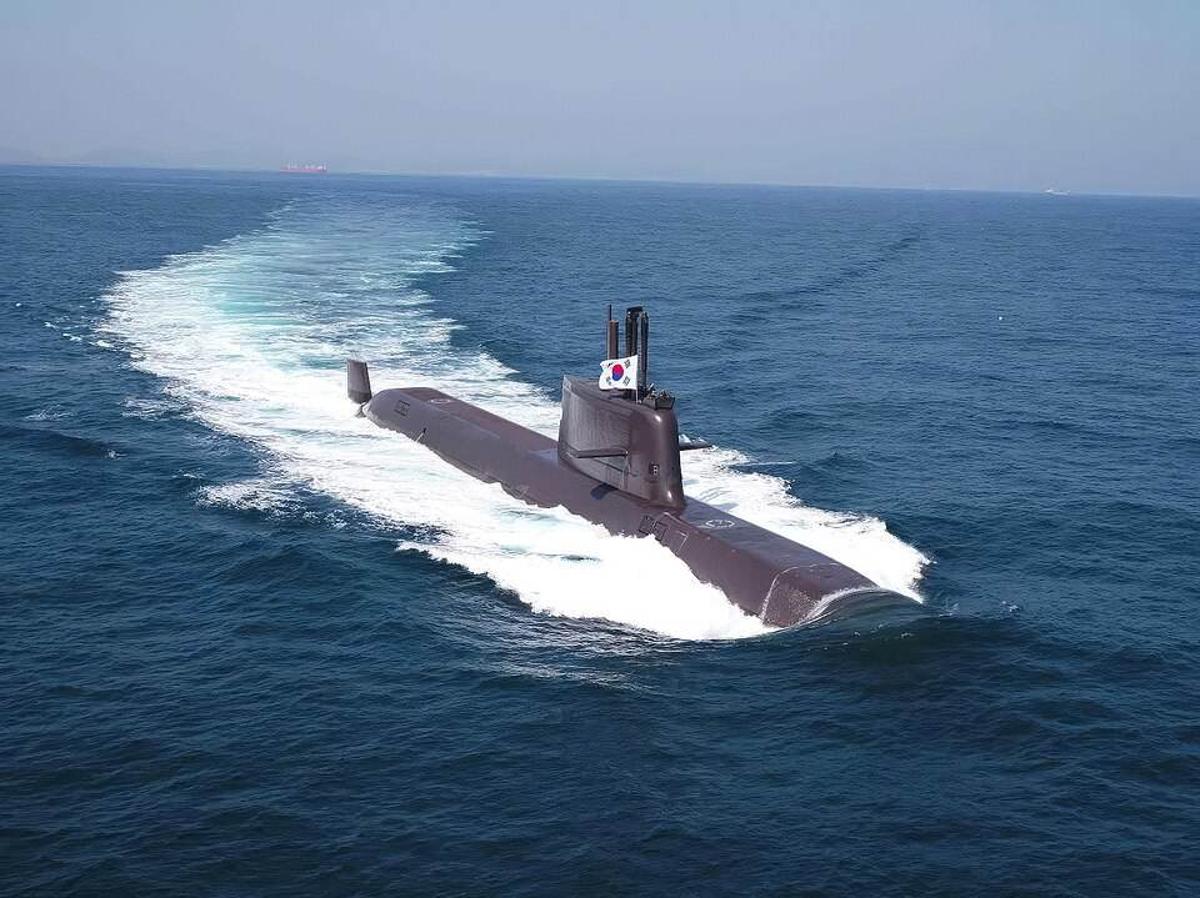
South Korea’s Undersea Dilemma: Why SSNs and UUVs Must Work Together
South Korea confronts simultaneous undersea threats from North Korea’s emerging SLBM‑capable submarines, a potential Taiwan crisis that could stretch U.S. and Japanese naval assets, and an increasingly active Russian presence via the Northern Sea Route. The author argues that choosing...