
News•Mar 11, 2026
Can the IEA Put a Lid on the Price per Barrel by Releasing Oil Stockpiles?
The International Energy Agency announced a historic release of 400 million barrels of emergency crude, the largest drawdown in its history and about one‑third of members’ total reserves. The move aims to temper soaring oil prices triggered by the U.S.–Israel conflict that has effectively closed the Strait of Hormuz. Historically, the IEA has intervened only four times since 1974, making this action a clear signal of market stress. The release adds to coordinated G7 efforts to shield consumers from volatile fuel costs.
By The Guardian – Economics

News•Mar 10, 2026
Iran War Could Knock UK Homebuyer Confidence, Says Builder Persimmon
Persimmon warned that the escalating conflict with Iran could erode UK home‑buyer confidence, adding pressure to an already fragile mortgage market. The builder still expects to complete 12,000‑12,500 homes in 2026, a modest rise on 2025, and reported a 9%...
By The Guardian – Economics

News•Feb 24, 2026
Young Bearing the Brunt of UK Tax and Wage Changes, Says BoE Economist
Bank of England chief economist Huw Pill warned that recent hikes in National Insurance contributions and the accelerated rise in the national living wage have hit young workers hardest. Youth unemployment rose to 16.1% in Q4 2025, the highest level...
By The Guardian – Economics
News•Feb 19, 2026
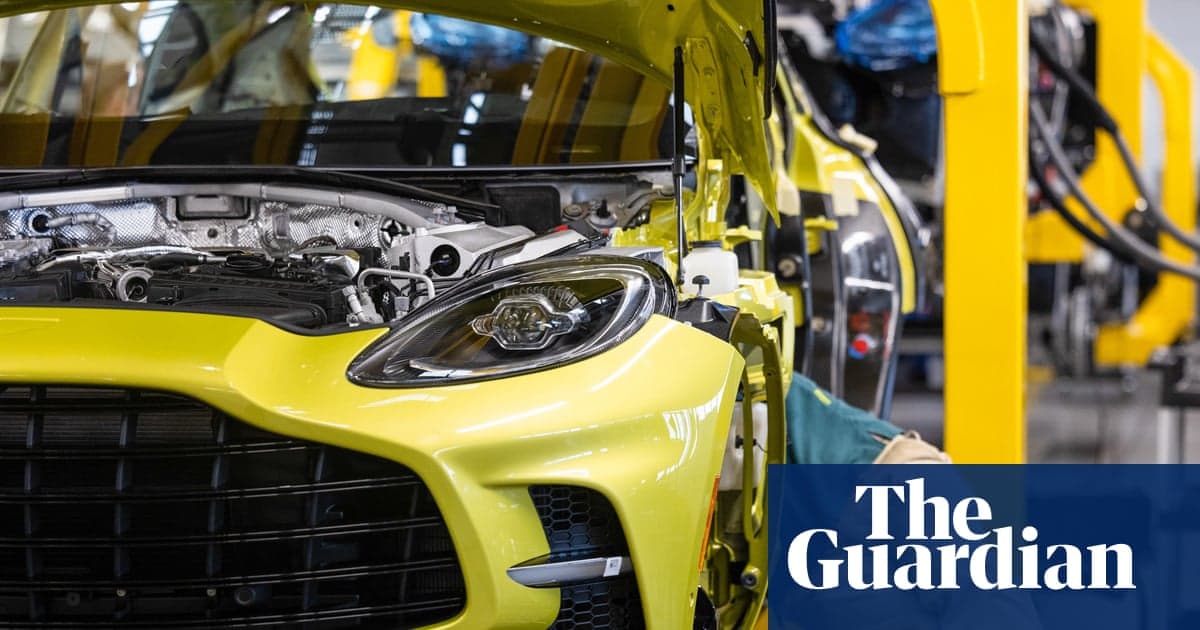
UK Manufacturing Still Beset by Low Orders and Price Pressure, Says CBI
The CBI’s industrial trends survey shows British manufacturers recorded order books well below their long‑term average in February. Despite the weak order flow, most firms plan to raise prices over the next three months. The survey also indicates that output...
By The Guardian – Economics

News•Feb 18, 2026
Death Tax? Property Tax? Four Ideas that Could Offset Inheritance Inequality in Australia
Australia faces a projected $5.4 trillion intergenerational wealth transfer over the next two decades, prompting concerns about entrenched inequality and reduced productivity. Economists argue that the current progressive income‑tax system is ill‑suited to address wealth that accumulates outside labour markets. Four...
By The Guardian – Economics

News•Feb 16, 2026
Britons Feeling ‘Dismal’ About Finances Amid Mounting Debts, Survey Finds
A new S&P Global survey shows UK consumer confidence slipping to a 44.8 reading in February, the lowest level in two years. Households are adding debt at the fastest pace since July, with the sharpest increase among 18‑ to 24‑year‑olds,...
By The Guardian – Economics
News•Feb 14, 2026
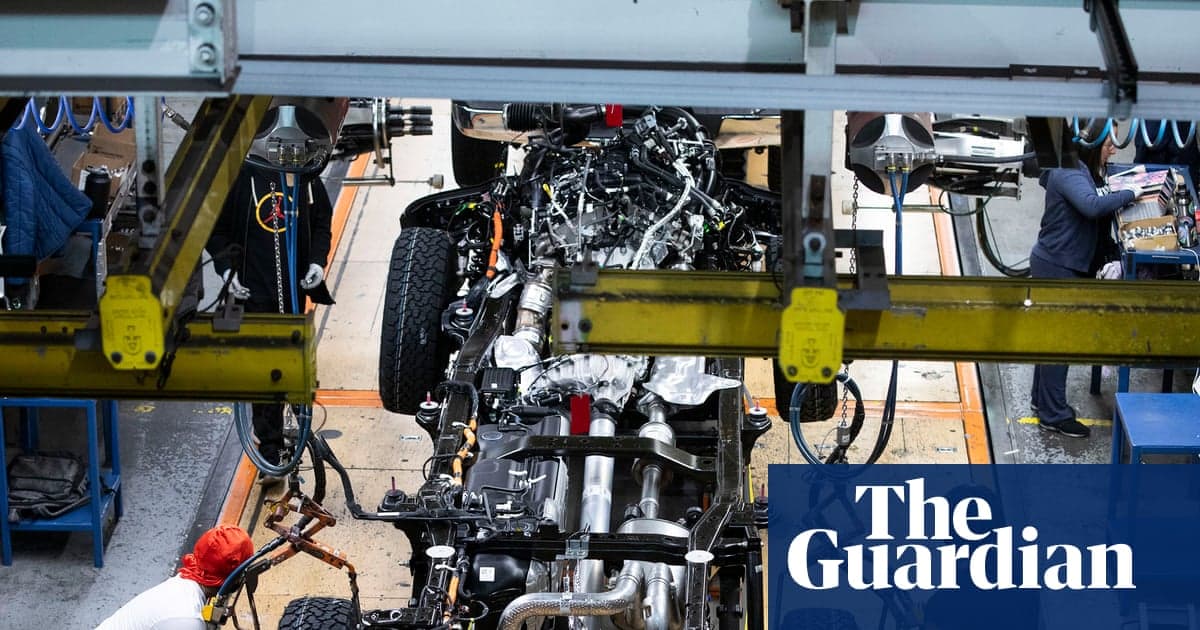
US Fixation on the Hard-Hat Economy and Making Manufacturing Great Again Makes Little Sense
The article argues that U.S. political focus on reviving the “hard‑hat” economy is misplaced. Manufacturing now comprises under 8% of employment, and recent tariff and subsidy policies have raised input costs without restoring jobs. Federal initiatives like the Inflation Reduction...
By The Guardian – Economics

News•Feb 13, 2026
Reeves Urged to Reassure MPs over Public Finances Amid £6bn-a-Year Send Costs
Rachel Reeves faces mounting pressure to reassure MPs as the UK’s special educational needs and disabilities (SEND) programme costs rise to about £6 billion a year. The Office for Budget Responsibility warns that an £18 billion backlog could erode the fiscal surplus...
By The Guardian – Economics

News•Feb 12, 2026
Declines in Health and Education in Poor Countries ‘Harming Earning Potential’
The World Bank reports that human capital—health, education and workplace learning—has declined in 86 of 129 low‑ and middle‑income countries between 2010 and 2025, threatening future earnings. Children born today could earn about 51 percent more over their lifetimes if their...
By The Guardian – Economics

News•Feb 12, 2026
Economics Has Failed on the Climate Crisis. This Complexity Scientist Has a Mind-Blowing Plan to Fix That
Complexity scientist Doyne Farmer proposes a $100 million global economic simulator that models every firm individually, starting with the energy sector’s 30,000 companies and 160,000 assets. By replacing perfect‑rationality and equilibrium assumptions with simple, adaptive agents, the model promises forecasts that...
By The Guardian – Economics