
Blood Test Can Find Thousands of Genetic Conditions in Pregnancy, Say Scientists
Scientists unveiled non‑invasive fetal sequencing (NIFS), a maternal blood test that can screen for thousands of genetic disorders during pregnancy. In a validation study of 565 pregnancies at around 17 weeks, the test identified 95‑99% of variants detected by amniocentesis or CVS and over 97% of clinically relevant findings. By sequencing roughly 23,000 genes per fetus, NIFS could replace many invasive procedures, offering a safer front‑line diagnostic tool. Experts caution that broader screening may generate uncertain results, creating anxiety for expectant parents.
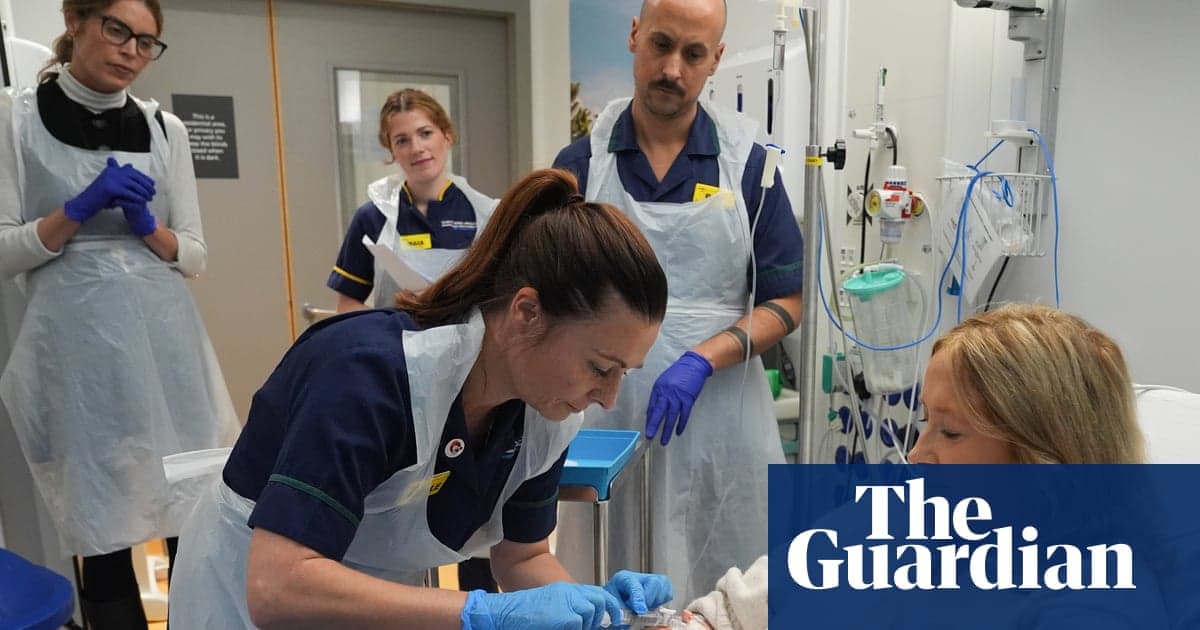
Lupus Patients in England in Remission After Pioneering NHS Trial of GM Therapy
A pioneering NHS trial at University College London Hospitals used CAR‑T cell therapy to treat nine patients with severe lupus, achieving remission in five participants after an average 11‑month follow‑up. The therapy, which genetically reprograms a patient’s own T‑cells, was...

Richard Scolyer, Acclaimed Melanoma Researcher Who Tried Experimental Treatment on His Own Brain Cancer – Obituary
Renowned melanoma pathologist Prof. Richard Scolyer was diagnosed with a grade‑four glioblastoma in May 2023 and became the first patient to receive a novel immunotherapy‑based regimen that blended checkpoint inhibitors, surgery and a personalized vaccine. The approach, developed with colleague...

Removing ‘Invisibility Cloaks’ and Safely Skipping Chemo: New Weapons in War on Cancer Shared at US Conference
The 2026 ASCO meeting in Chicago highlighted several breakthrough cancer therapies and sobering challenges. New “smart” oral drugs such as GRWD5769 and daraxonrasib showed tumor shrinkage and doubled survival in hard‑to‑treat cancers, while a genomic test may allow many breast‑cancer...

Reassurance for Bladder Cancer Patients | Letters
Doctors are touting a new drug under trial that could eliminate the need for radical cystectomy in bladder‑cancer patients. Early-phase data indicate the therapy can shrink tumors enough to preserve bladder function, offering a less invasive alternative to surgery. Current...

Weight-Loss Drugs May Prevent Thousands of Knee Replacements, Study Suggests
A new study of 6.8 million knee‑osteoarthritis patients found that long‑term use of GLP‑1 weight‑loss drugs, especially semaglutide or tirzepatide, can cut the risk of knee‑replacement surgery by up to five percentage points. One‑year exposure lowered the three‑year surgery risk by...

Doctors Hail Drug that Spares Bladder Cancer Patients ‘Life-Changing’ Surgery
Doctors hailed durvalumab, an immunotherapy drug, for eliminating the need for radical bladder removal in a phase‑two trial. The London‑based Institute of Cancer Research combined durvalumab with chemotherapy and radiotherapy in 54 patients, achieving an 85% one‑year disease‑free rate versus...

Cancer Is Now a Story of the Good, the Bad and the Ugly – but Also Hope | Devi Sridhar
At the American Society of Clinical Oncology meeting, a new oral drug, daraxonrasib, doubled five‑year survival for pancreatic cancer patients in a 500‑person trial, offering a rare breakthrough for a disease with historically poor outcomes. A concurrent head‑and‑neck cancer vaccine,...
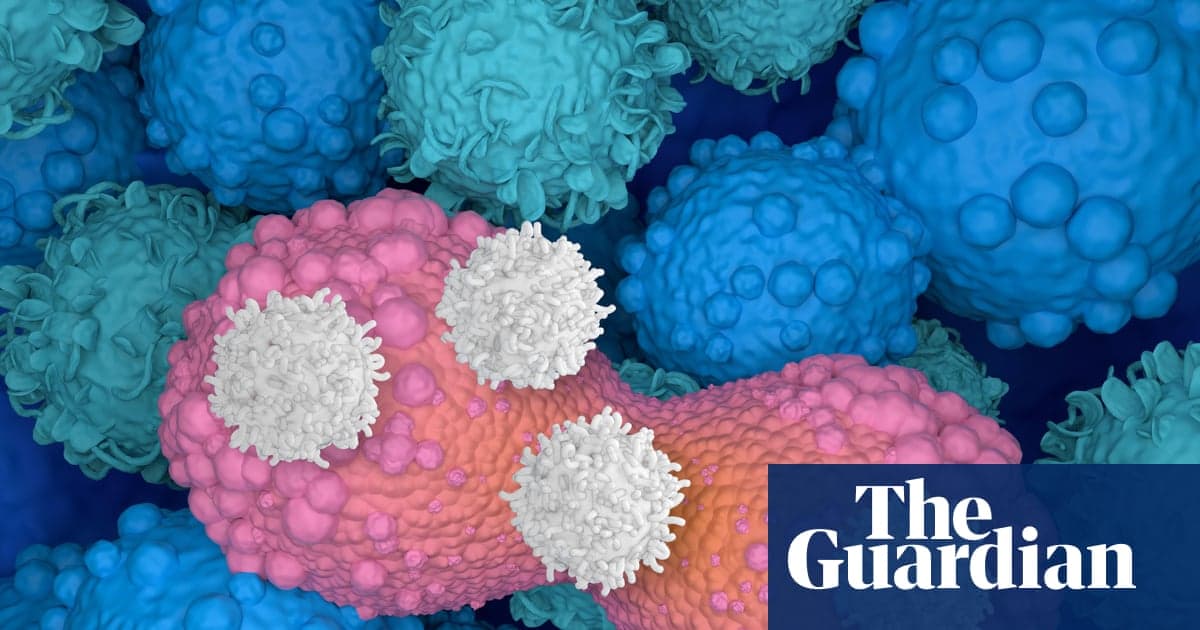
Smart Drug that Strips Cancer Cells of ‘Invisibility Cloak’ Can Shrink Tumours by 30%, Trial Shows
Researchers at Oxford’s Greywolf Therapeutics reported that the oral drug GRWD5769, when paired with cemiplimab immunotherapy, caused tumor shrinkage in 26 of 83 heavily pre‑treated patients across six common cancer types. Fifteen of those patients saw reductions of at least...

‘Like Christmas’: Woman’s Relief After Test Finds She Can Skip Chemotherapy
A multinational Optima trial involving 4,429 breast‑cancer patients showed that the Prosigna genomic test can reliably identify women who may forgo chemotherapy. The five‑year disease‑free survival was 93.7% for patients who skipped chemo, statistically indistinguishable from the 94.9% rate in...

What Is Immunotherapy and How Does It Treat Cancer and Other Conditions?
Immunotherapy research has surged, with clinical trials climbing from 1,257 between 2006‑2016 to 4,591 in the past decade. Cancer treatments dominate the field, featuring checkpoint inhibitors, CAR‑T cells, and mRNA‑based vaccines now approved for more than 30 tumor types. Researchers...

Melanoma Skin Cancer Cases in UK Hit Record Level, Analysis Finds
Melanoma diagnoses in the United Kingdom surged to 20,980 in 2022, the highest count ever recorded. Cancer Research UK projects annual cases could climb to about 26,500 by 2040, driven by an ageing population and sustained UV exposure. The rise...

Immunotherapy Could Be Used to Treat Depression, Early Trial Suggests
A small randomized trial at the University of Bristol tested tocilizumab, an IL‑6 receptor blocker used for rheumatoid arthritis, in 30 patients with moderate‑to‑severe depression who had not responded to standard antidepressants. Over four weeks, participants receiving the drug showed...

Plantwatch: How Goat’s Rue Inspired Super Drug for Everything From Diabetes to Obesity
Goat’s rue (Galega officinalis) long served as a folk remedy for diabetes, its active molecule galegine lowering blood glucose but causing toxicity. Chemists later transformed galegine into metformin, a synthetic analogue that retains glucose‑lowering power without the harmful side effects....

Magic Mushrooms Could Be Effective Treatment for Cocaine Addiction, Study Shows
Researchers published a small clinical trial showing that a single dose of psilocybin increased the likelihood of abstaining from cocaine compared with a placebo. The study involved 19 participants receiving psilocybin and 17 receiving diphenhydramine, all of whom engaged in...