
Sauna and Cold Plunge: Where Does the Evidence Stand? – Podcast
A new Science Weekly podcast examines the growing trend of alternating sauna sessions and cold‑plunge immersions, dissecting the scientific evidence behind claimed health benefits. Researchers discuss modest cardiovascular gains linked to regular sauna use and short‑term muscle recovery from cold‑water immersion, while highlighting the scarcity of rigorous studies on combined heat‑cold protocols. The episode also explores methodological shortcomings in existing research and the implications for wellness providers. Listeners receive a balanced view of potential advantages, risks, and the need for more definitive data.

Extra 11 Minutes’ Sleep Each Night Can Reduce Heart Attack Risk, Study Finds
A new study of more than 53,000 UK adults shows that modest lifestyle tweaks—adding just 11 minutes of sleep, 4.5 minutes of brisk walking and 50 g of extra vegetables each day—can lower the risk of heart attacks and strokes by...

Kent Meningitis Outbreak May Have Peaked as UKHSA Reports Slowdown in Cases
The UK Health Security Agency reported that the meningitis outbreak in Kent appears to have peaked, with only two new cases reported on Friday. To date, 18 confirmed and 11 probable cases have been recorded, totaling 29 infections, of which...

AI Software for Smart Glasses Wins £1m Prize for Technology to Help People with Dementia
CrossSense Ltd’s AI‑powered smart glasses, featuring the Wispy conversational assistant, have won the £1 million Longitude prize for dementia technology. The glasses combine a camera, microphone and speakers to deliver real‑time verbal cues and floating text that help wearers complete daily...

Desperate Parents Calling Pharmacies for Meningitis Jab as Stocks Run Low
Parents in England are scrambling to secure meningitis vaccinations for their children after a deadly outbreak in Kent that has claimed two lives and left 13 seriously ill. The surge in demand has exhausted vaccine inventories, leaving many pharmacies unable...

Scientists Discover Heavier Version of Proton with Upgraded Detector
CERN physicists using the upgraded LHCb detector have identified a new particle, Xi‑cc‑plus, that is four times heavier than a proton. The particle replaces the proton’s two up quarks with charm quarks and decays within a trillionth of a second....

Officials ‘Missed 99% of Data’ on Covid Vaccines Before Making Recommendation, Memos Reveal
Internal HHS memos released in a lawsuit reveal officials ignored about 99% of available safety and efficacy data when deciding to end COVID‑19 vaccine recommendations for pregnant people and children. The decision was announced by HHS Secretary Robert F. Kennedy...

Confidential Health Records From UK BioBank Project Exposed Online
The Guardian uncovered that UK Biobank’s confidential health records have been posted online dozens of times, often through researchers accidentally uploading datasets to GitHub. The leaked files, while lacking names and addresses, contain diagnoses, dates, sex and birth month/year for...

Please Drive Carefully: Scientists Plan to Transport Volatile Antimatter for First Time
CERN will conduct a 20‑minute test drive transporting a cryogenic trap containing roughly 1,000 antiprotons – the first on‑road shipment of antimatter. The device, weighing a billionth of a trillionth of a gram, must remain under ultra‑high vacuum and magnetic...

Out of the Blue? How the Colour of Light Could Be Used to Treat Mental Illness
Researchers at St Olavs Hospital in Trondheim equipped one half of a psychiatric intensive‑care ward with blue‑depleted evening lighting while the other half kept standard lighting. In a randomized trial of 476 short‑stay patients, the circadian‑adapted ward showed greater clinical improvement...
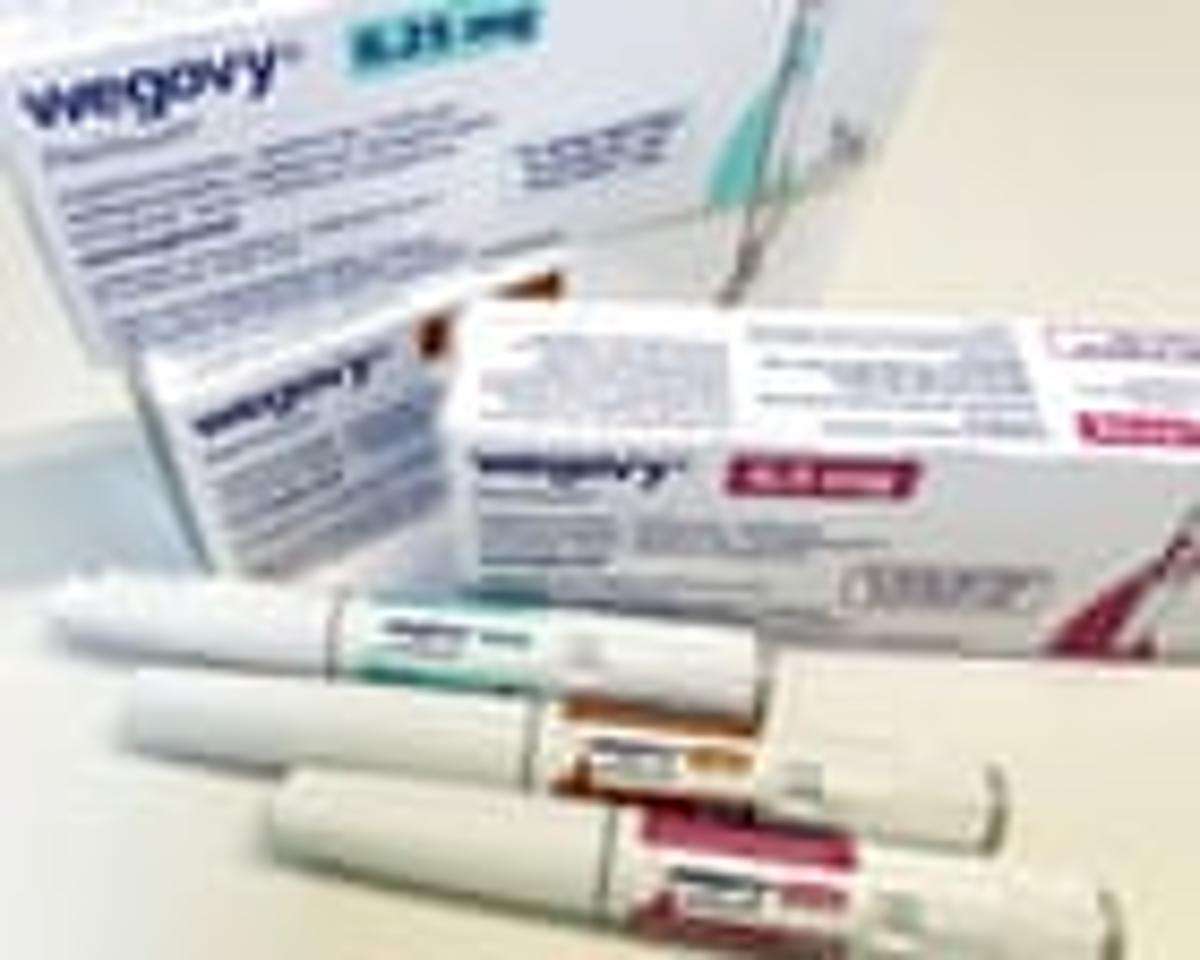
Weight-Loss Drugs Alone Will Not Solve UK’s Obesity Crisis, Says Chris Whitty
Chief medical adviser Prof Chris Whitty warned that GLP‑1 weight‑loss drugs, while effective, cannot alone resolve the UK’s escalating obesity crisis. He highlighted side‑effects such as gastrointestinal issues, rare pancreatitis, and the tendency for weight to rebound after treatment stops....

The Covid-19 Inquiry Is Sounding a Clear Warning. If It’s Not Heeded, yet More Lives Will Be Lost | Ben...
The UK Covid‑19 public inquiry, chaired by Lady Heather Hallett, has finished its hearing phase, hearing 380 witnesses and gathering 58,000 online testimonies. It has examined over 600,000 documents—about five million pages—and released two comprehensive reports, with eight further modules...

Scientists Laud Potentially Life-Changing Drug for Children with Resistant Form of Epilepsy
Preliminary trials of Zorevunersen, an experimental therapy for Dravet syndrome, showed it is safe and well tolerated in 81 children. A single 70 mg dose reduced seizures by about 50%, and three doses cut seizures roughly 80% compared with baseline. The...

A Deafening Nuclear Fusion Reactor: Why You Wouldn’t Want to Hear the Sun
The Guardian explains that the Sun functions as a colossal nuclear fusion reactor that produces not only heat and light but also intense acoustic energy. At its core, solar reactions generate sound levels exceeding 100 decibels, comparable to a rock‑concert...